



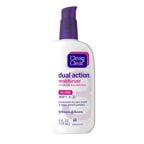
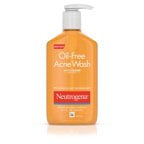

Gentle Acne Face Wash for Sensitive Skin - Walmart







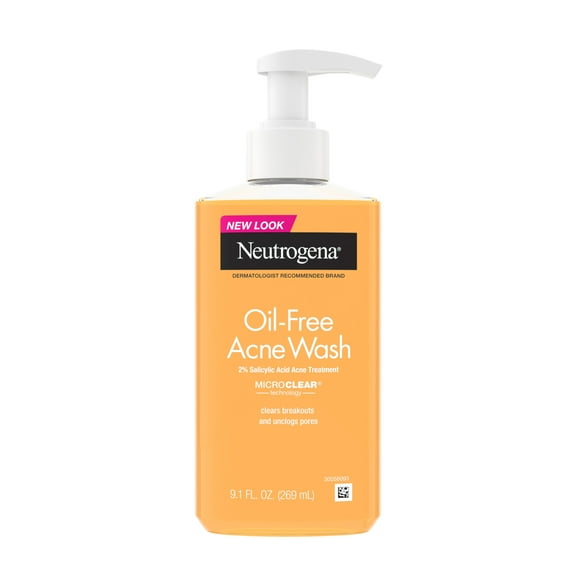

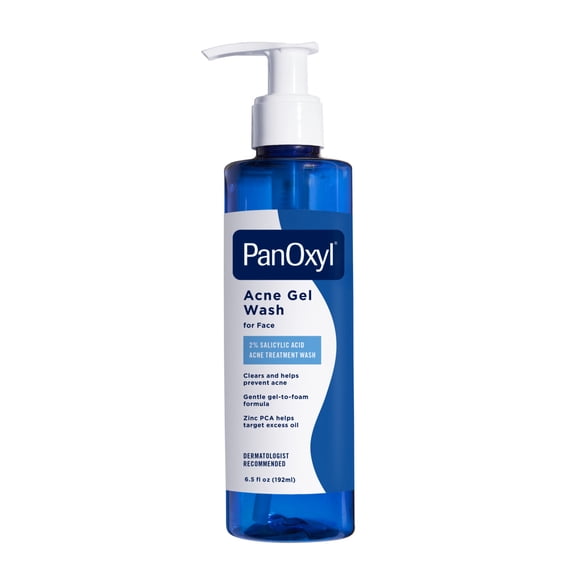


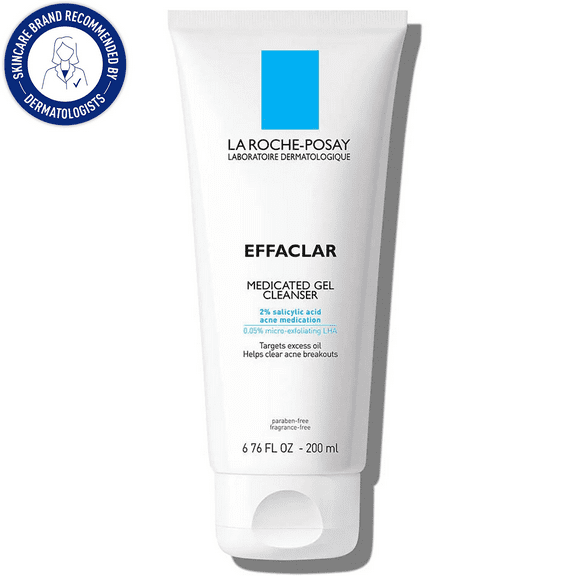
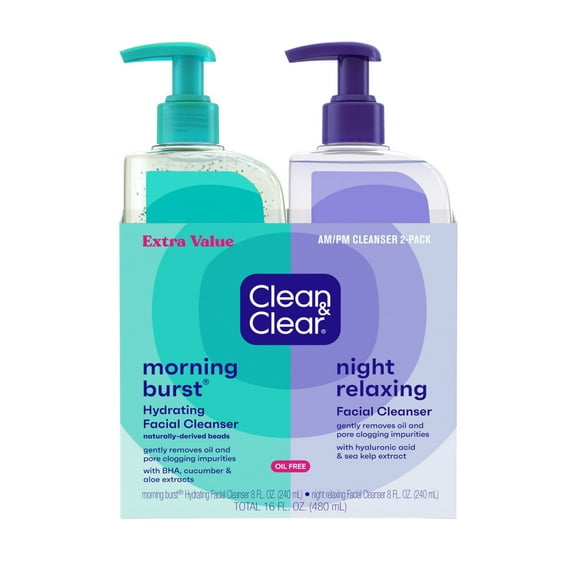
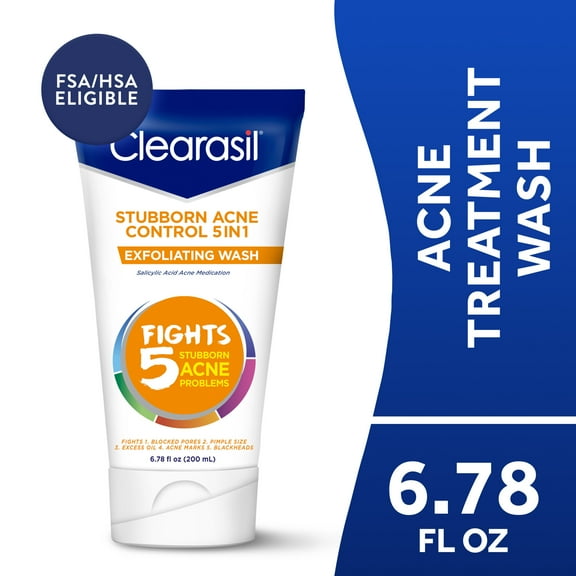
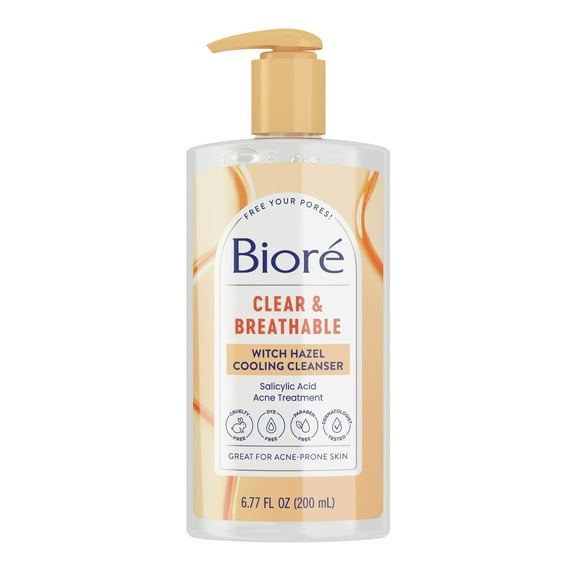
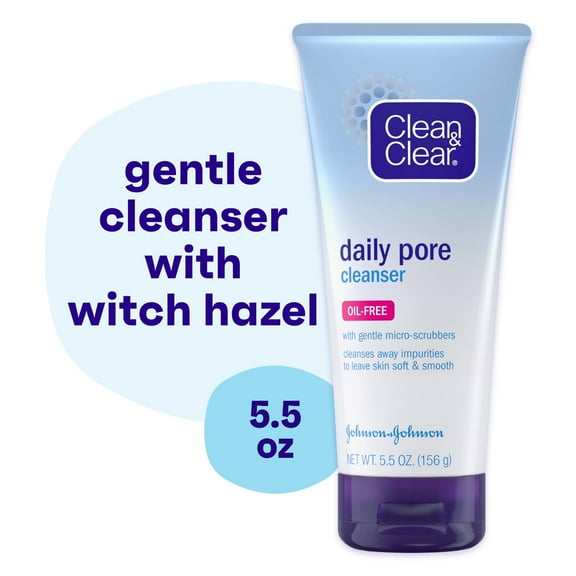
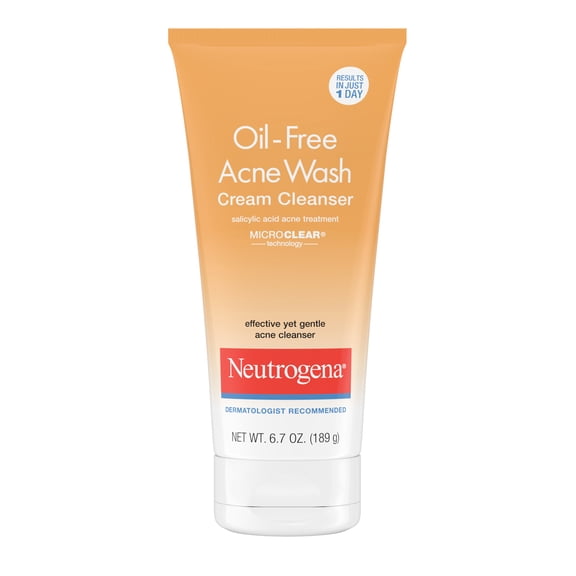


About Gentle Acne Face Wash for Sensitive Skin - Walmart - Walmart.com
With gentle acne face wash for sensitive skin, you can target clogged pores while keeping your routine comfortable and easy to follow. You can compare cleansers by skin type, active ingredient, and texture, so your daily wash fits your skin instead of overwhelming it.
If you're choosing an acne cleanser page, you likely want clearer decision points, not vague claims. You can use this guide to compare facial washes for acne by formula, pore focus, and how each option may feel on your skin.
Choosing facial washes for acne
When you compare facial washes for acne, you should start with your skin type before you focus on packaging or scent. If your skin feels tight after washing, you may want a cream cleanser or a gentler liquid wash.
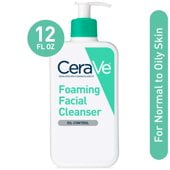
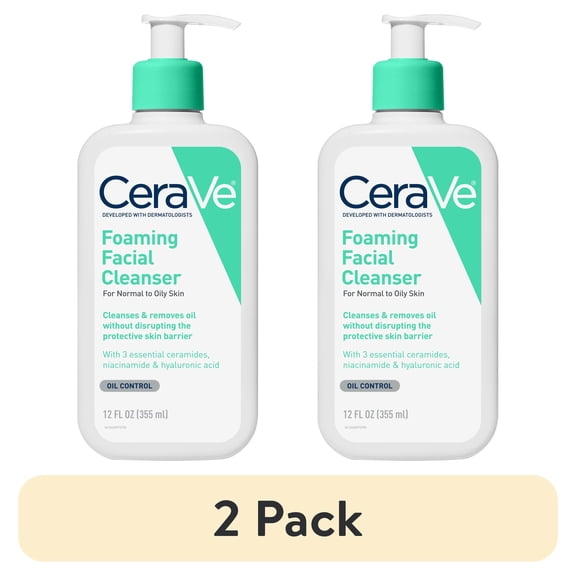
For oily skin, you may prefer a foaming gel that lifts away excess oil and rinse-off residue. For dry or combination skin, you may want a cleanser that leaves your face feeling clean without a stripped finish.
If you want an acne safe cleanser, you should also check whether the formula is described as non-comedogenic. That label can help you choose options designed not to leave behind heavy residue on your pores.
- You can compare sensitive, oily, dry, and combination skin needs before picking a formula.
- You can choose textures like foaming gel, cream cleanser, liquid wash, or bar soap based on how your skin feels after rinsing.
- You can look for non-comedogenic formulas when you want a more acne safe cleanser for everyday use.
- You can match your cleanser to concerns like blackheads, clogged pores, or uneven-looking post-acne marks.
Finding an acne safe cleanser for sensitive skin
If your skin reacts quickly, you may want smaller ingredient steps and a simpler routine. You can start with a gentle acne face wash for sensitive skin that cleans away buildup without making your face feel overly dry.
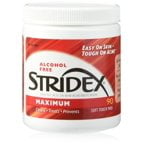
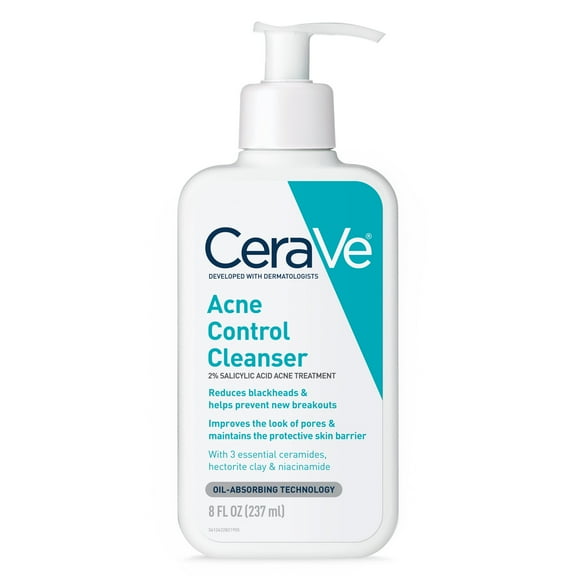
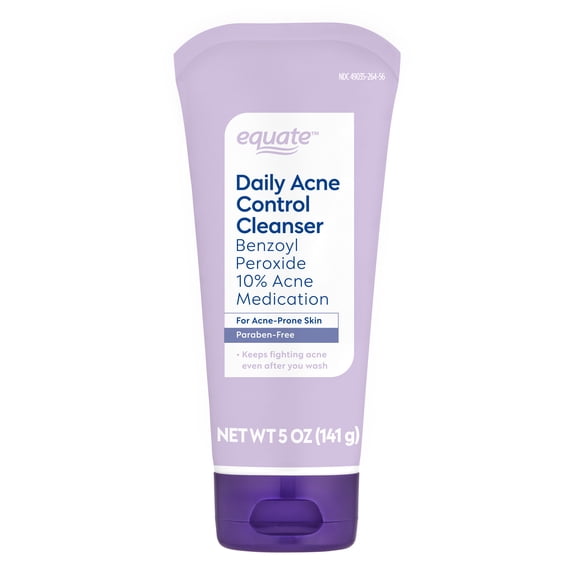
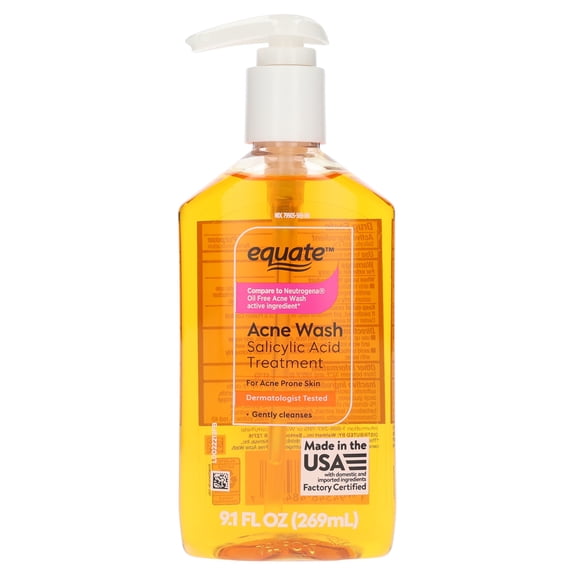
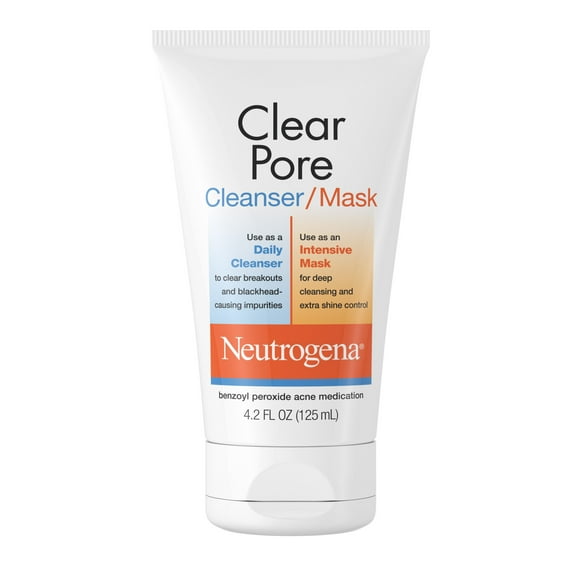
When you compare active ingredients, you should know what each one usually targets. Salicylic acid can help you focus on pore buildup, while benzoyl peroxide is often chosen for more visible breakout-prone areas.
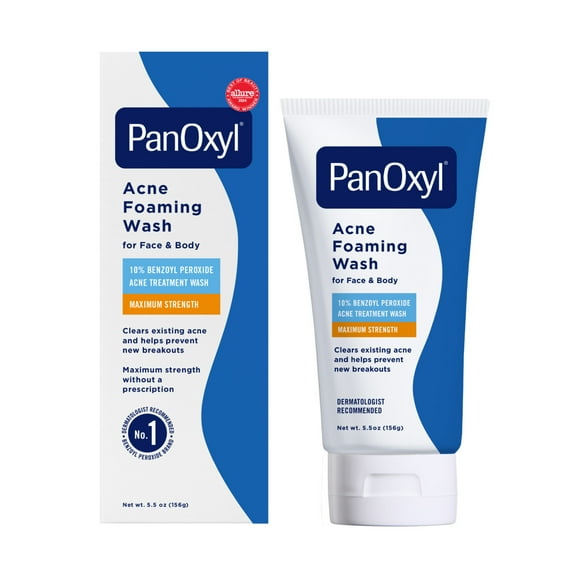
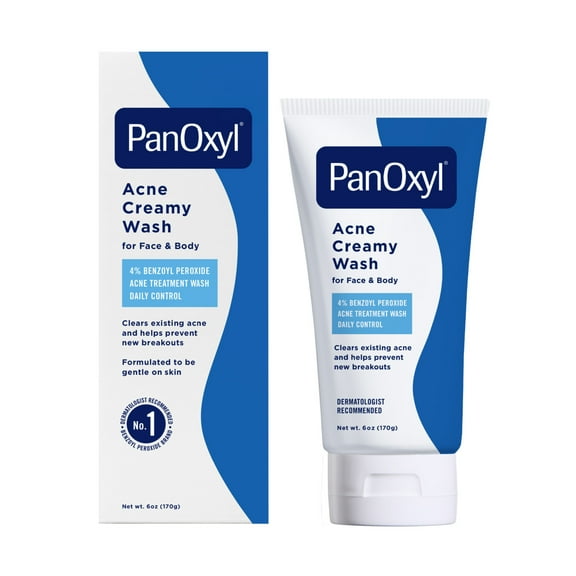
If you're considering panoxyl acne washes, you should check the benzoyl peroxide strength on the label. A higher percentage may feel stronger on your skin, so you may prefer to compare concentration with your comfort level.
You can also consider sulfur or tea tree oil when you want other ingredient paths in your routine. These options give you additional ways to build an acne fix around your skin type and daily cleansing habits.
How active ingredients and formulas change your routine
You should compare active ingredients with formulation because texture can change how a cleanser feels during use. A foaming gel may feel light on oily skin, while a cream cleanser may feel more comfortable on dry patches.
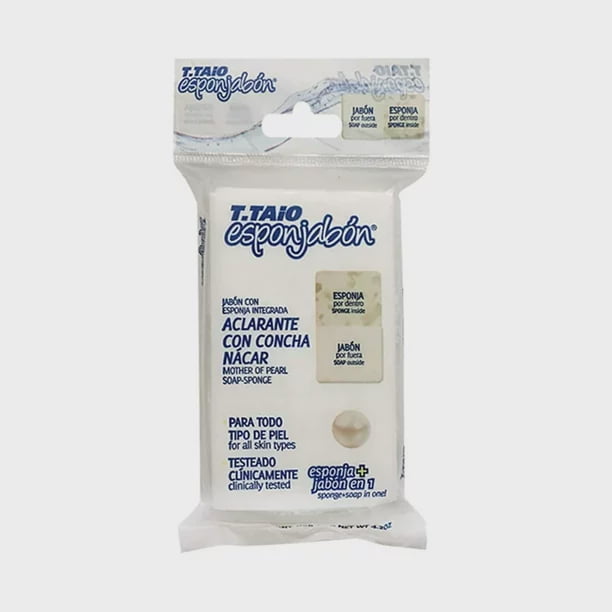
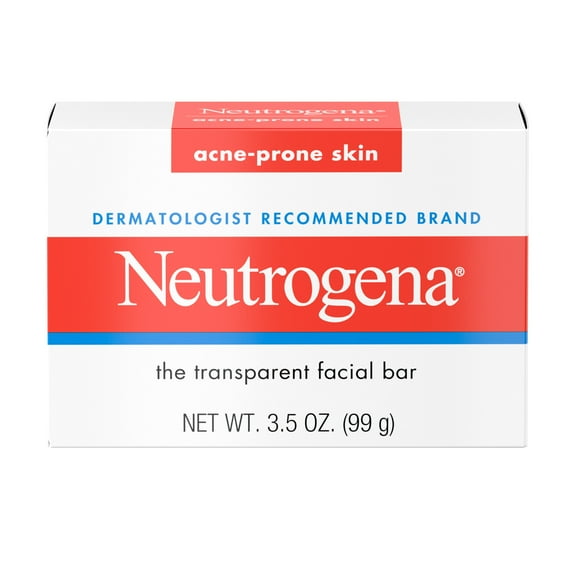
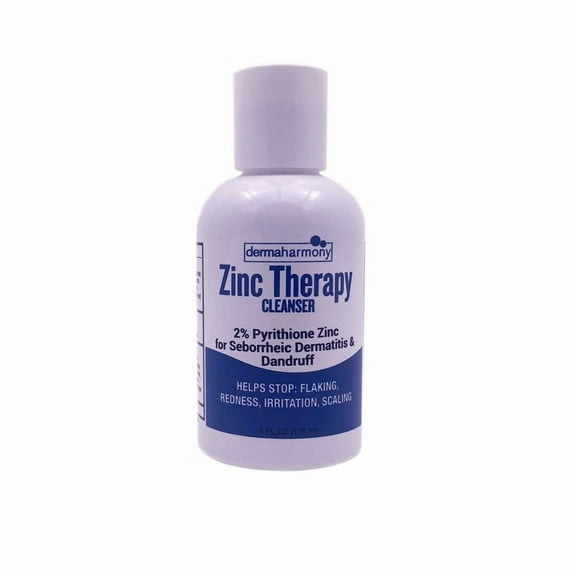
If you're choosing between bar soap and liquid wash, you should think about application and rinse feel. You may prefer liquid formulas when you want easier dispensing, or bar soap when you want a simple sink-side option.
Your skin barrier also matters when you wash regularly for breakouts and shine. You should look for formulas described as non-stripping or hydrating if you want clean acne care without a tight after-feel.
When you start a new cleanser, you may notice an adjustment period as your routine changes. You should watch how your skin feels after cleansing, then adjust frequency if your face feels dry or uncomfortable.
Using a face wash for dirty pores and targeted concerns
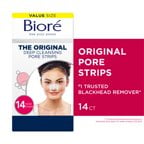
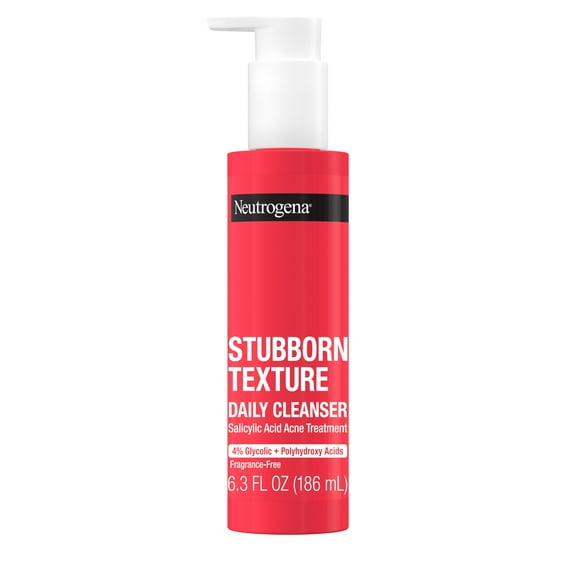
If you're looking for a face wash for dirty pores, you should focus on formulas matched to clogged pores and blackheads. You can look for salicylic acid options when you want help clearing away buildup from oil-prone areas.
For cystic acne concerns, you may compare stronger active ingredient options and gentler supporting formulas. You can balance breakout focus with skin comfort by checking concentration, texture, and how often you plan to wash.
If dark spots are part of your routine goals, you should keep expectations focused on cleansing support. You can choose a face clear routine that starts with consistent washing, then pair it with serums or moisturizers made for sensitive skin.
You may also want a cleanser that fits morning and evening use without guesswork. If your skin tolerates daily cleansing well, you can use once-daily or twice-daily routines based on label directions and your comfort.
How to match your cleanser to real routines
If your mornings are rushed, you may want a liquid wash that rinses quickly and layers well with moisturizer. You can keep your routine simple by choosing a cleanser that matches your skin type and sink-time habits.
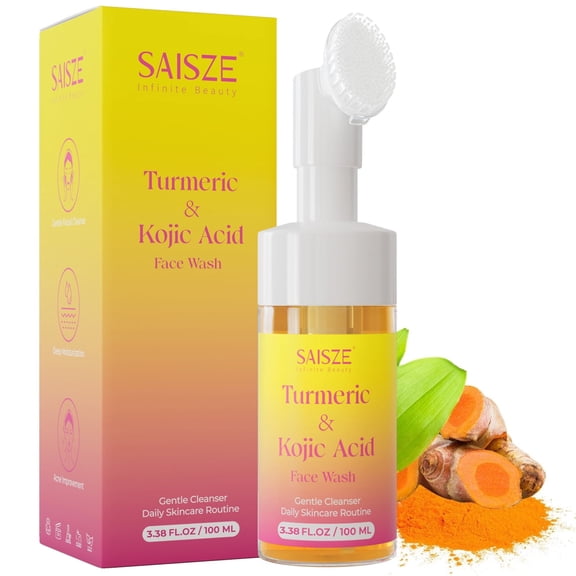
After workouts or long days, you may prefer foaming facial washes for acne that remove sweat, sunscreen, and oil. You can also choose a gentle acne face wash for sensitive skin when frequent cleansing makes your face feel stressed.
If you rotate products, you should compare ingredients across your full lineup, not one item alone. You can build a clean acne routine more carefully when you know which wash contains salicylic acid, sulfur, or benzoyl peroxide.
When you want steady results from an acne safe cleanser, you should choose one that your skin can handle consistently. You can make better decisions by comparing ingredient strength, texture, and target concern before you commit to a routine.
With the right cleanser match, you can support clearer-looking skin while keeping your routine comfortable and consistent. You can narrow the choice faster when you compare skin type, active ingredients, formulation, and pore-focused goals together.