

Car Speakers in Auto Electronics

















About Car Speakers in Auto Electronics - Walmart.com
Stereo speakers for car upgrades help you hear cleaner vocals, fuller bass, and sharper detail on every drive. Here, you can compare fit, speaker type, and power specs, so your install planning feels more straightforward.
How to choose stereo speakers for car setups
Fit comes first, because your replacement needs to match your factory opening and available mounting space. Before you choose, you can check basket diameter, mounting depth, and connector style for a smoother install.
Your vehicle may also need an adapter bracket or wiring harness for proper fit. When you match those details early, you can avoid extra guesswork during installation.
After you confirm fit, your speaker choice shapes how music comes through at highway speed. With the right match, you can improve clarity, balance, and output without replacing every audio part.
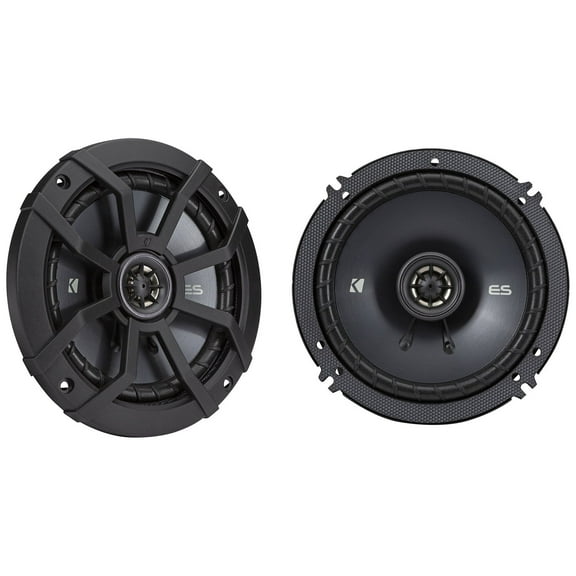
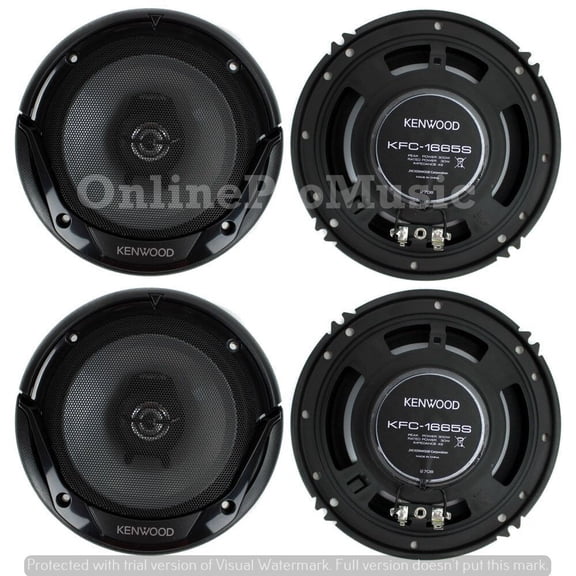
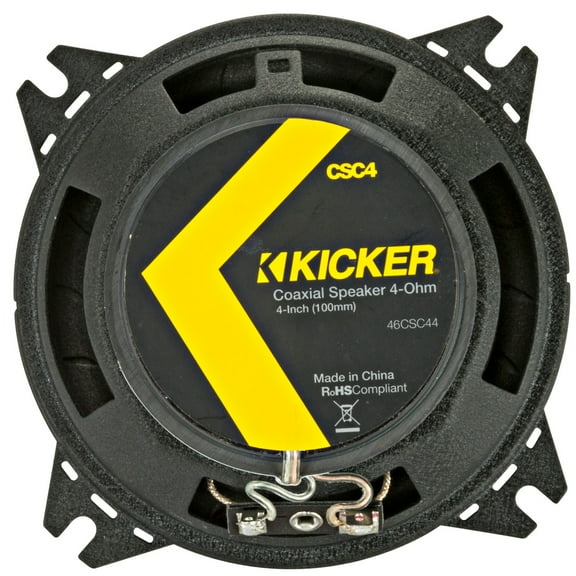
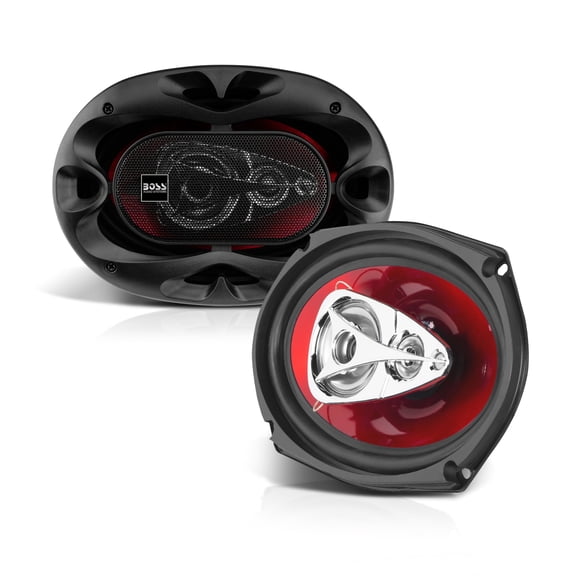
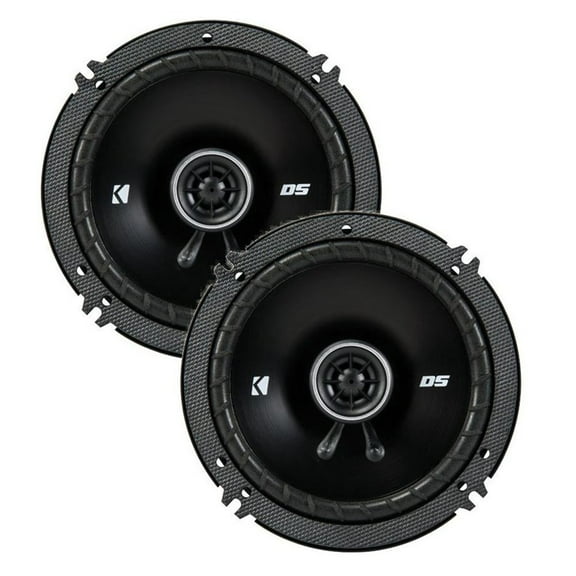
- You can choose coaxial speakers when your setup calls for an all-in-one replacement and simpler installation.
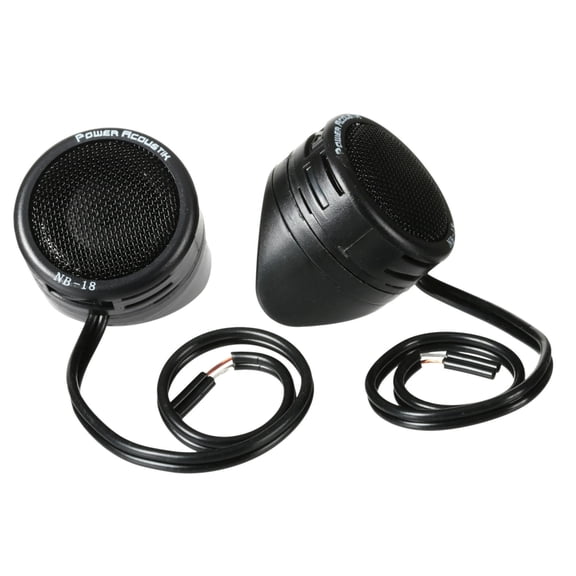
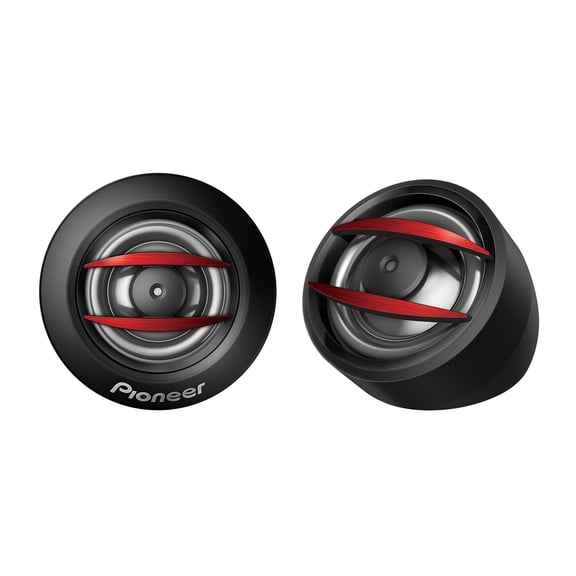
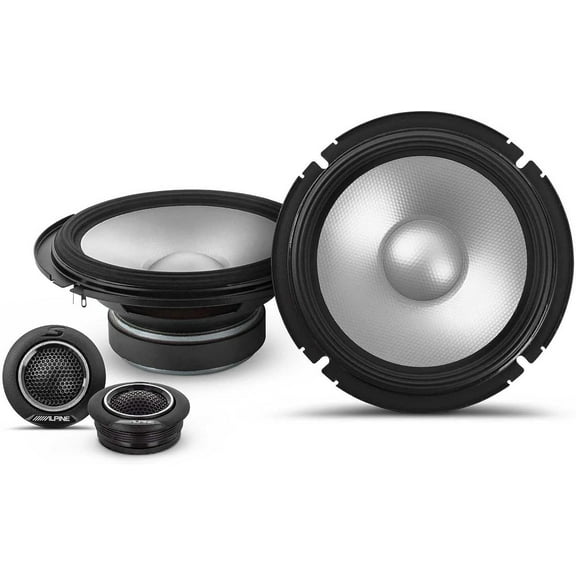
- You can choose component speakers when your layout needs separate tweeters and a wider front soundstage.
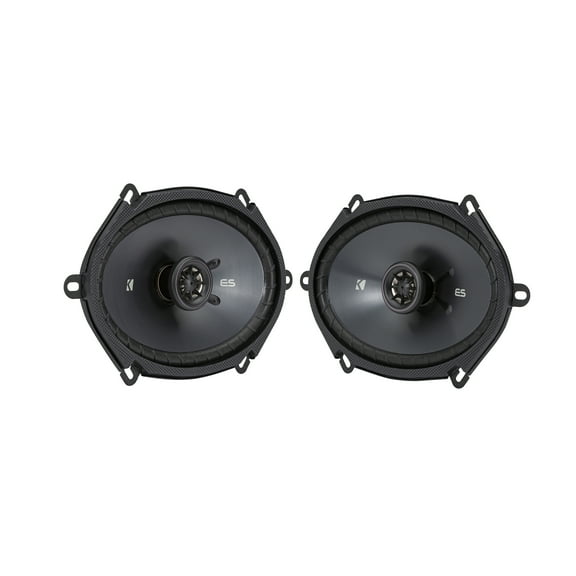
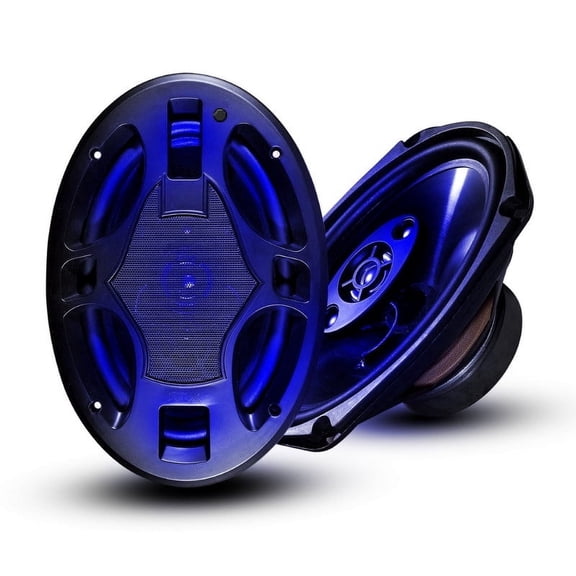
- You can compare common sizes like 6.5 inch and 6x9 inch for doors, rear decks, and factory cutouts.
- You can match RMS power handling and impedance to your head unit or amplifier for steadier performance.
- You can compare 2-way, 3-way, and 4-way designs when your listening priorities include balance, detail, or fuller range.
Choosing speaker type, size, and sound character
Your speaker type shapes detail, bass, and installation complexity in noticeable ways. For simpler replacement, you can pick coaxial models, while component sets give you separate tweeters and more focused highs.
Listening habits can guide that choice in a practical way. For daily playlists, you may prefer coaxial designs, while for vocal detail, you may prefer component designs.
The number of ways also affects what you hear across different tracks. You can use 2-way speakers for balanced listening, while 3-way and 4-way designs add drivers for broader frequency coverage.
Speaker size still matters even when sound character leads your decision. You can narrow choices faster when you confirm whether your vehicle takes 6.5 inch, 6x9 inch, 5.25 inch, or 4 inch speakers.
Checking power handling and impedance
Power matching helps your speakers and source equipment work together with fewer surprises. You should check RMS wattage before peak wattage, because RMS shows the steady power your speaker handles during regular use.
Your factory head unit may pair well with speakers under 50W or in the 50W-100W range. If your plan includes a dedicated amplifier, you may want over 100W RMS handling for higher output.
Impedance matters too, because 2-ohm, 4-ohm, and 8-ohm speakers interact differently with your equipment. When you match impedance to your setup, you can keep output and balance more consistent.
That match matters even more when your system includes an aftermarket amplifier or new wiring. When your RMS range and impedance align with your install plan, you can get steadier volume and cleaner playback.
Using stereo speakers for car upgrades in real setups
Your daily commuter may call for a quick factory replacement with minimal extra parts. In that case, you can choose coaxial speakers in the correct size for familiar wiring and simpler installation.
A weekend project car may call for more precise staging across the front seats. For that setup, you can choose component speakers with separate tweeters for clearer vocals and instrument placement.
Some systems focus on fuller sound around an aftermarket head unit and amplifier. In those builds, you can pair door speakers with a subwoofer when your playlist needs added bass support.
Your music style can shape the right setup as much as your fitment specs do. You may lean toward stronger low end for electronic tracks, or you may want cleaner mids for podcasts.
Before you commit, your installation space deserves one final check behind the panel. When you confirm mounting depth, basket diameter, and harness compatibility, you can avoid ordering the wrong fit.
What to look for before you install
Your measurements should guide every comparison across listings and configurations. You can make a smarter choice when your speaker type, size, RMS range, impedance, and number of ways match your goals.
With the right match, your next upgrade feels more dialed in from the first drive. You can hear cleaner, more balanced sound that fits your vehicle, your wiring, and your playlist.