

Weathervanes






















About Weathervanes - Walmart.com
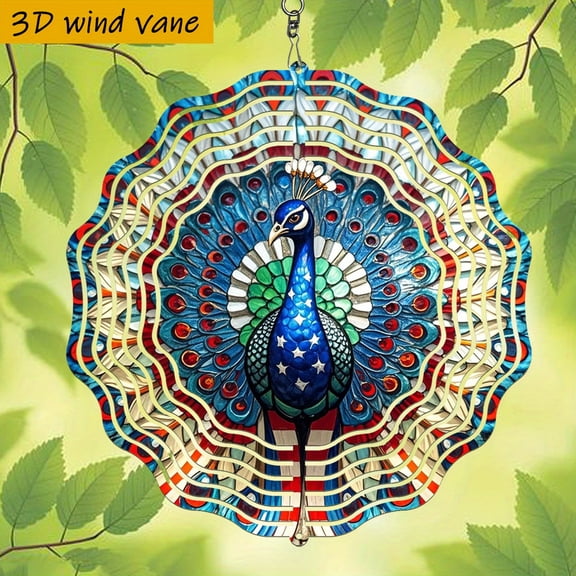
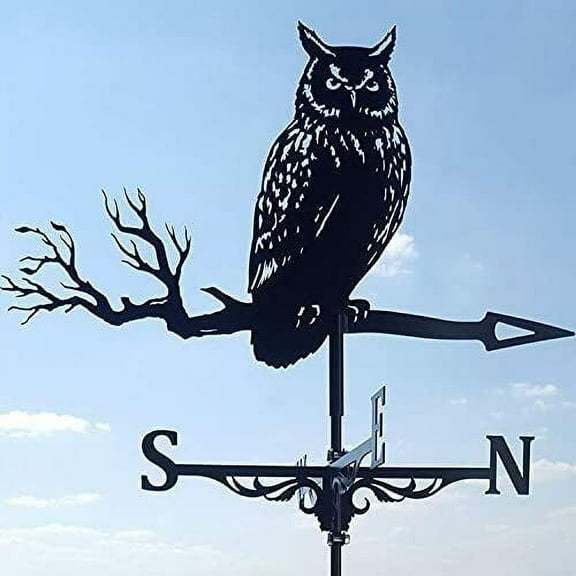
You can compare weathervanes by mount type, material, design, and size, so your outdoor accent fits your roofline and your style. You’ll also find options made for cupolas, garden stakes, and deck areas, which expands your options beyond general patio decor.
Choosing weathervanes by mount type
Start with your mounting location, because your hardware needs change with your surface and your viewing angle. You’ll want roof weathervanes when your home, barn, garage, or shed needs a classic profile above the ridgeline.
For cupolas, you should measure your base and check whether your bracket matches your cupola dimensions. You’ll get a cleaner fit when your weather vanes for cupolas match both the opening size and the roof pitch.
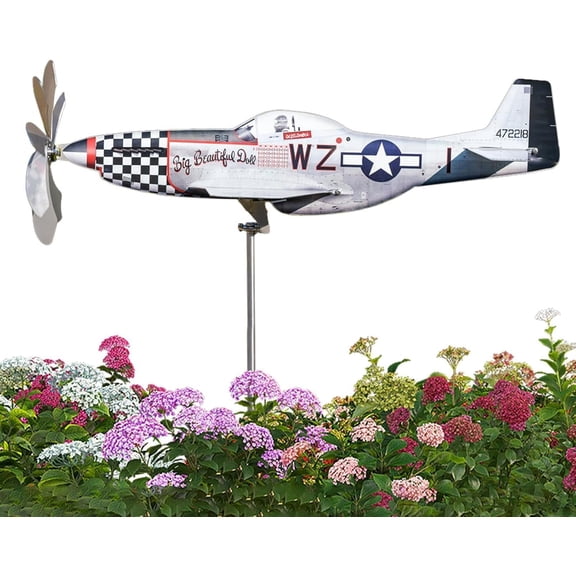
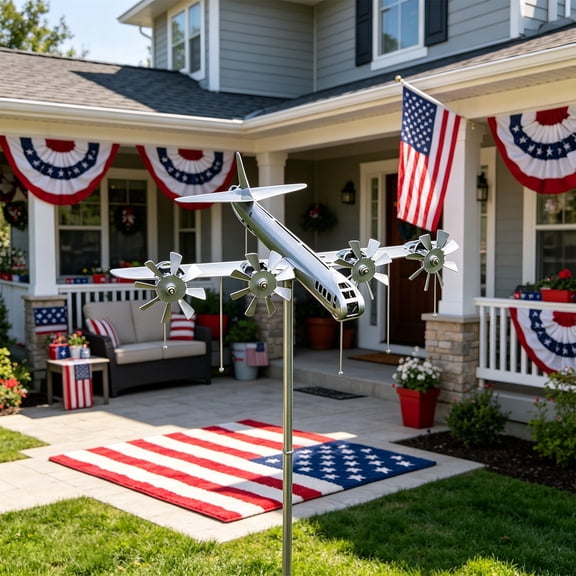
Garden stake styles work well when you want movement and character closer to eye level in flower beds. You may prefer deck mounts when your porch rail, pergola, or fence line offers a visible, stable display point.
- You can use roof mounts for barns, sheds, garages, and peaked roofs.
- You can choose cupola mounts when your structure needs centered, elevated placement.
- You can place garden weathervanes in beds, borders, or lawn focal points.
- You can pick deck mounts for porches, rails, pergolas, and posts.
You should also compare bracket types before you choose a mounting style for your display. You’ll avoid fit issues when your hardware matches your surface, your pitch, and your planned viewing height.
Comparing copper weathervanes and metal weather vanes
Material affects how your piece looks over time and how much upkeep you want. You’ll often compare polished copper, painted steel, aluminum, and cast iron when you want the right balance of finish and weight.
Polished copper gives your display a bright look at first, and you may notice a darker aged finish later. Painted steel can give your outdoor wind vanes a bold color story, while aluminum may feel lighter for easier mounting.
Cast iron can suit traditional settings when you want a heavier, old-world appearance on a sturdy base. You should also look for clear-coated or weather-ready finishes, because your exposure levels can vary by roofline and open yard placement.
When you compare metal weather vanes, check whether the finish supports your climate and your maintenance routine. You’ll usually want materials that hold their look through wind, sun, and changing seasons without constant attention.
- You can choose polished copper when you want a bright finish that develops character over time.
- You can pick painted steel when you want defined color and a classic outdoor silhouette.
- You can consider aluminum when you want lighter weight for easier installation.
- You can select cast iron when your structure supports a heavier decorative accent.
Selecting a design theme that fits your space
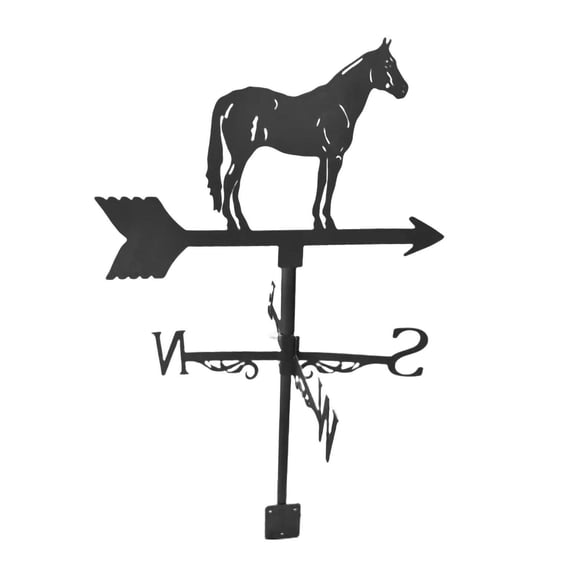
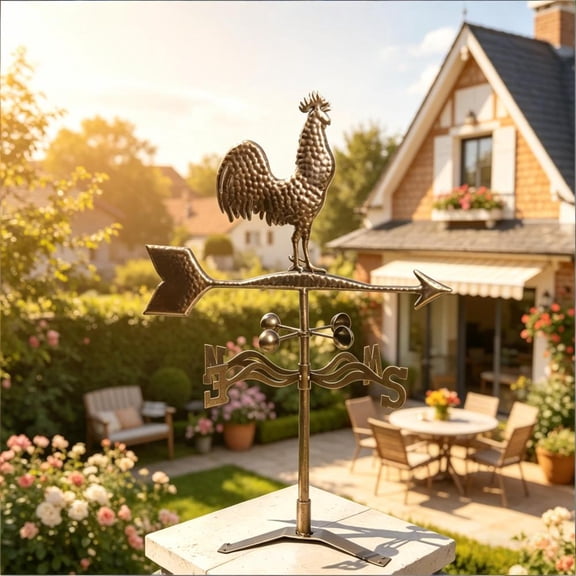
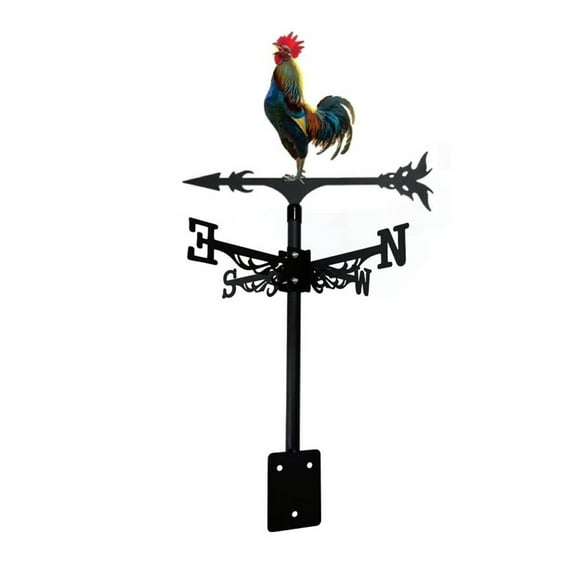
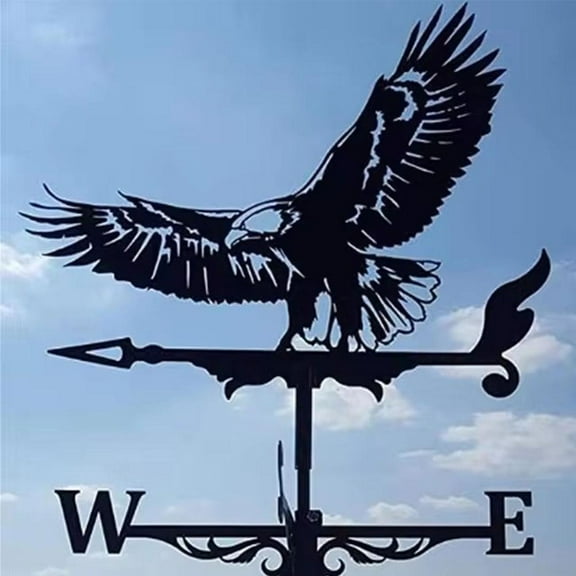
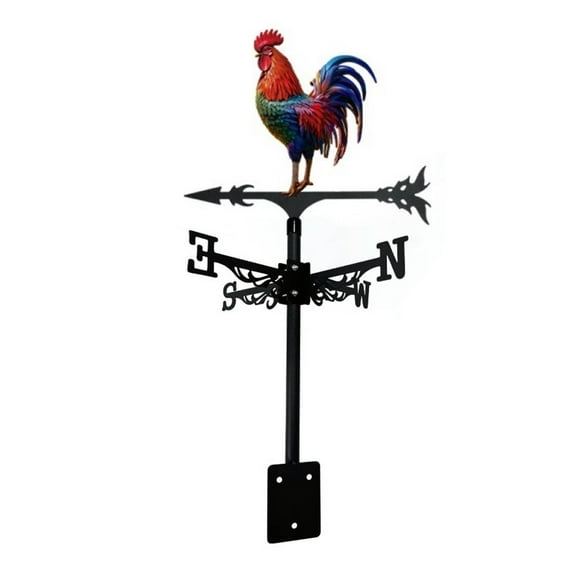
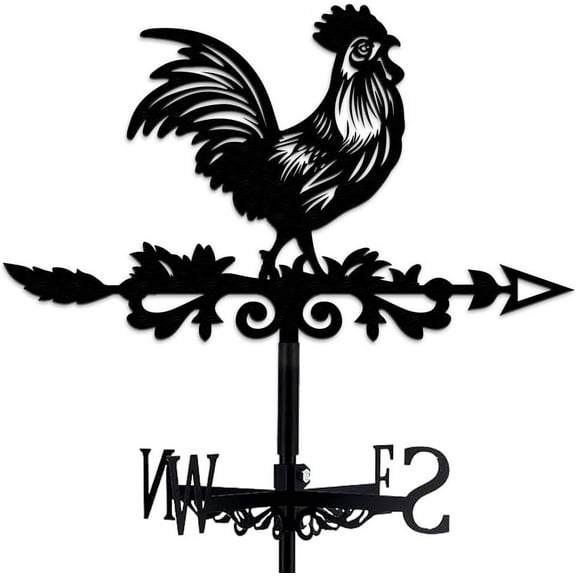
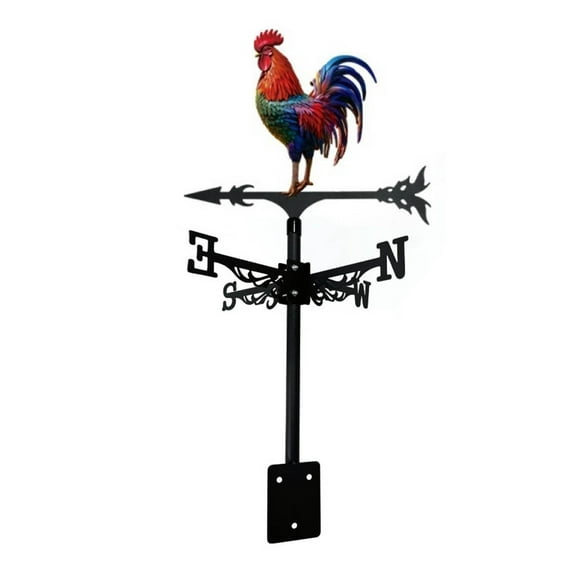
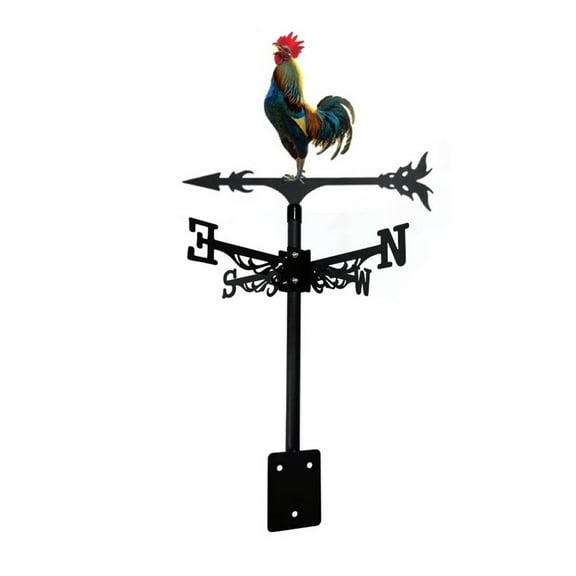
Your design theme sets the tone, so you should match it to your home style and surrounding decor. Rooster weathervanes can suit farmhouse settings, while eagle, horse, sailboat, and arrow styles can shape a different visual story.
If your exterior has rustic details, you may lean toward vintage weathervanes with classic silhouettes and aged-looking finishes. If your home feels coastal or lakeside, you might prefer sailboat shapes that echo your setting without overpowering it.
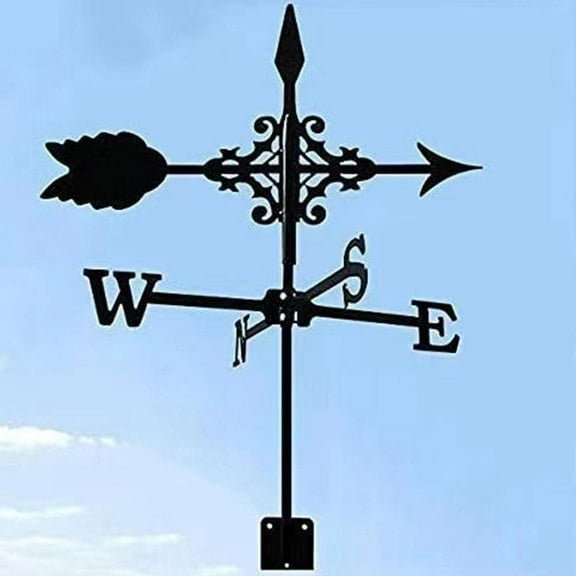
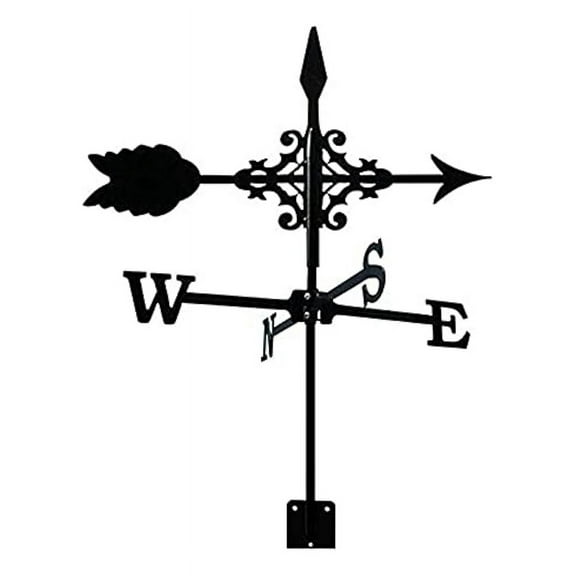
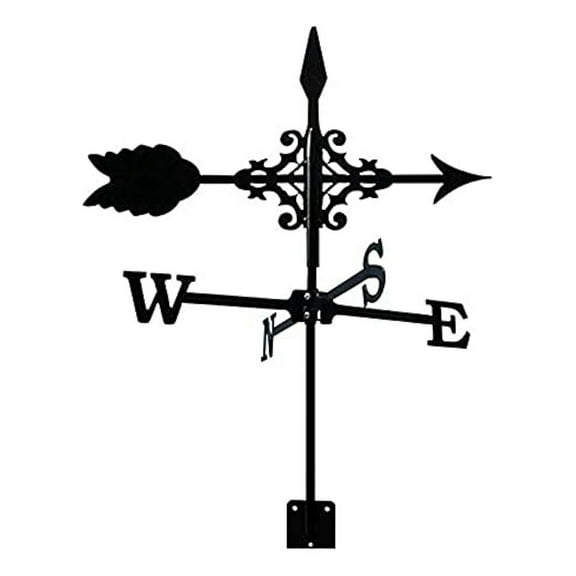
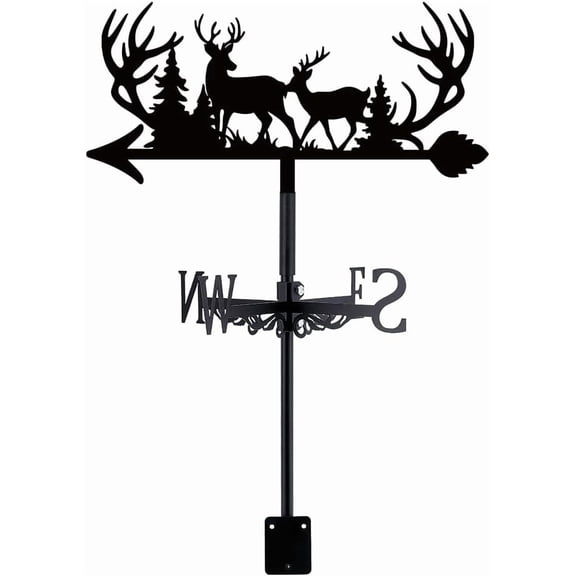
You can use an arrow design when you want a clean outline that works with many exterior styles. You may choose a horse or eagle motif when your property calls for a stronger focal point above a cupola or roof peak.
Consider how your silhouette looks from the street, the driveway, and your backyard seating area. You’ll get a more intentional result when your theme connects with your siding, trim, and landscape details.
Matching size to your roof, cupola, or garden display
Size changes the whole look, so you should measure before you choose a silhouette. Mini styles under 15 inches can work for small cupolas and compact accents where your space calls for restraint.
Standard sizes around 24 to 30 inches can suit many sheds, garages, and medium cupolas. Estate weathervanes over 30 inches can look more balanced on larger barns, taller rooflines, and broad structures.
You’ll want your scale to feel proportional from the ground, not lost against shingles or siding. Consider your cupola width, your roof span, and your sightlines from the driveway or garden before you settle on a size class.
Check whether your display will sit high above the roofline or closer to eye level in a garden. You’ll often need more visual scale when your placement sits farther from everyday viewing areas.
How to use garden weathervanes and roof weathervanes
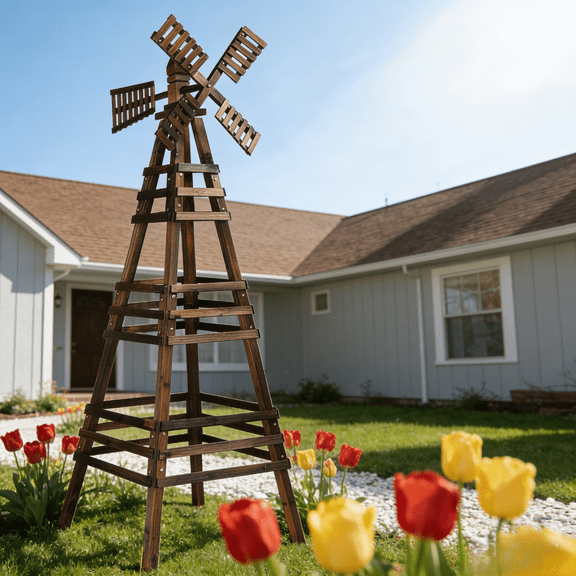
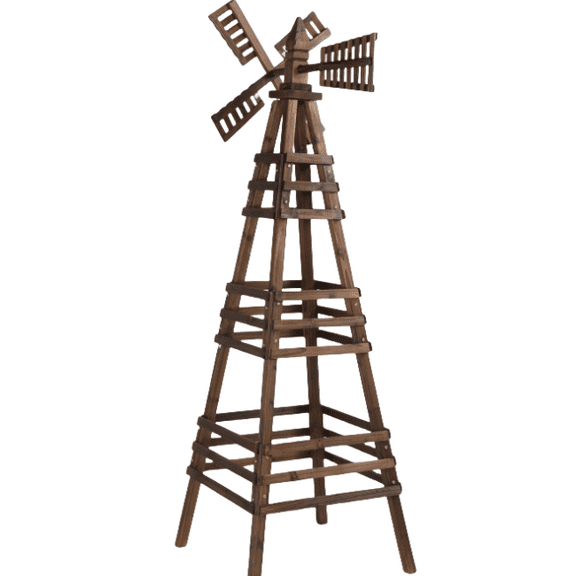
You can use garden weathervanes to create a focal point near flower beds, paths, or vegetable plots. They also help you bring movement and vertical interest into spaces that need more height and character.
Roof weathervanes can finish a shed, gazebo, garage, or barn with a traditional architectural detail. You may also use decorative wind direction indicators on cupolas when you want a visible finishing touch from a distance.
If your project centers on a barn-style exterior, you might pair a rooster silhouette with copper or painted steel. If your setting is formal, you may prefer an arrow or eagle style in aluminum or cast iron.
Before you choose, check whether your bracket type matches your surface, and measure your placement area carefully. You’ll make a more confident pick when your mount, material, motif, and scale work together from the start.
You can narrow weathervanes more confidently when you compare mounting needs, finish preferences, and visual scale in one place. That approach helps your finished display look intentional, fit securely, and complement your outdoor space.