

Garden Arbors, Outdoor Arches & Trellises | Walmart
























About Garden Arbors, Outdoor Arches & Trellises | Walmart - Walmart.com
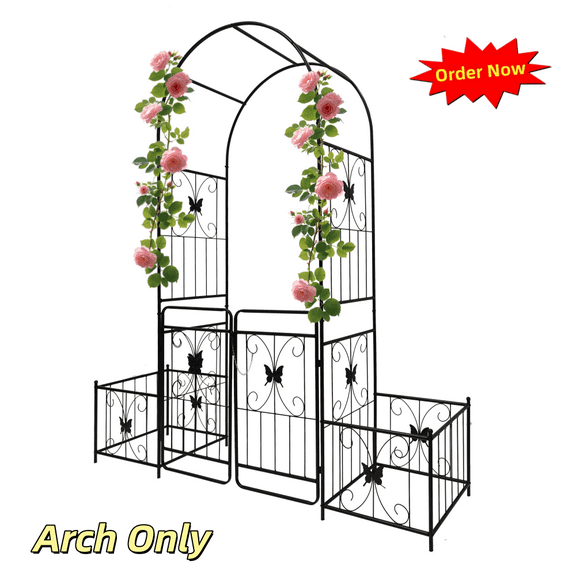
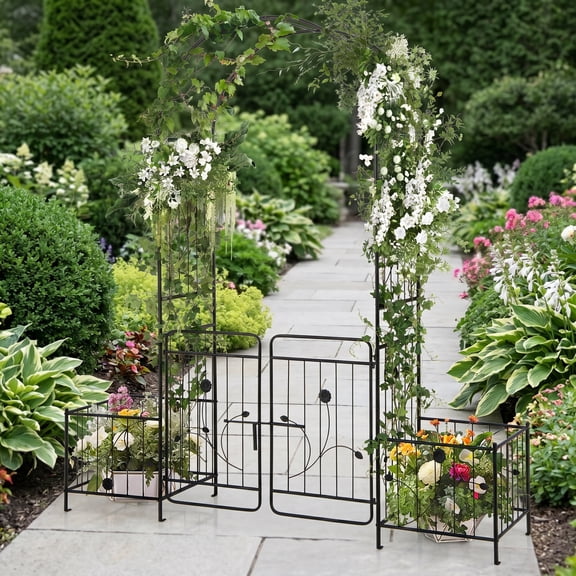
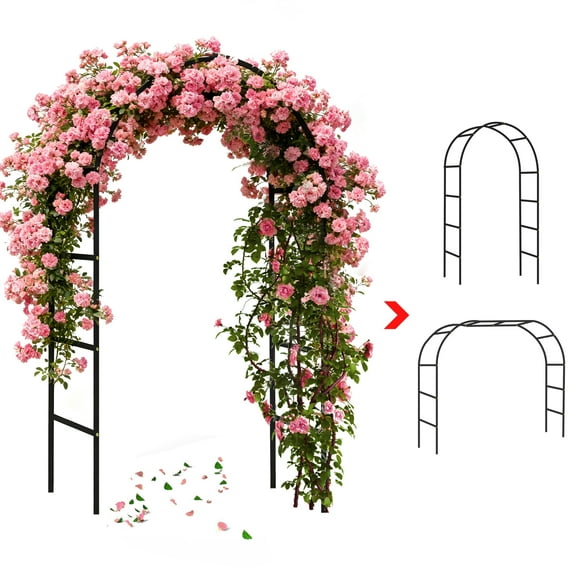
You can use a garden arch to define paths, support climbing vines, and add structure that plain planting beds often lack. You’ll also find category options that work for entryways, wedding backdrops, and decorative focal points across your yard.
When you compare arbors, you should look at material, design style, primary use, and structure type before choosing. You’ll make a smarter pick when you match those details to your space, your plants, and your assembly comfort level.
How to choose a garden arch for your space
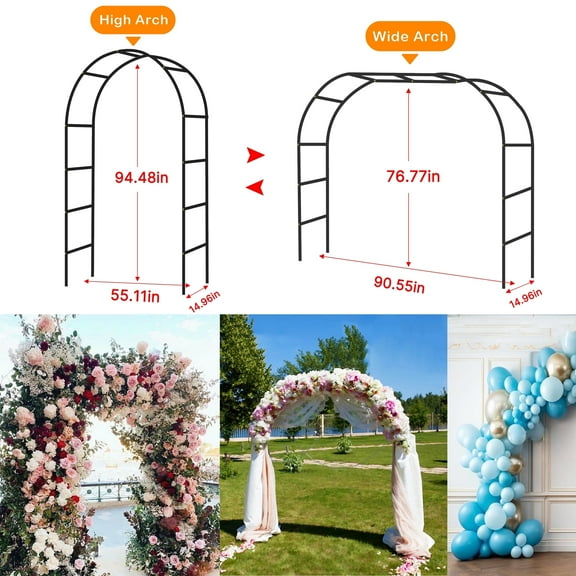
You should start by measuring your walkway width, planting area, and overhead clearance before choosing an arbor or archway. You’ll avoid a cramped look when your garden arch fits the scale of nearby beds, fences, and gates.
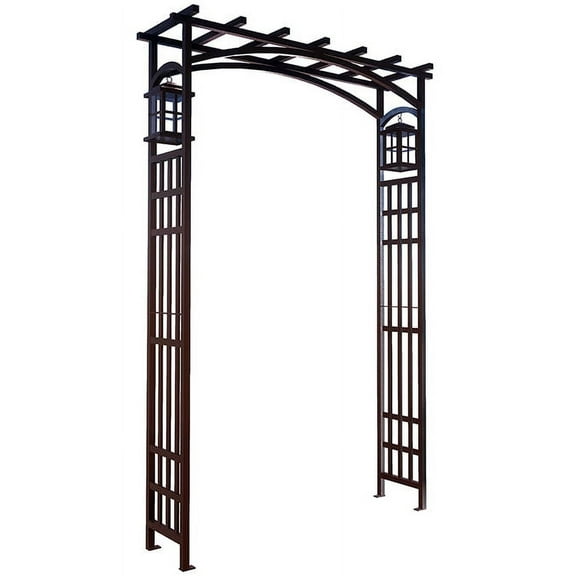
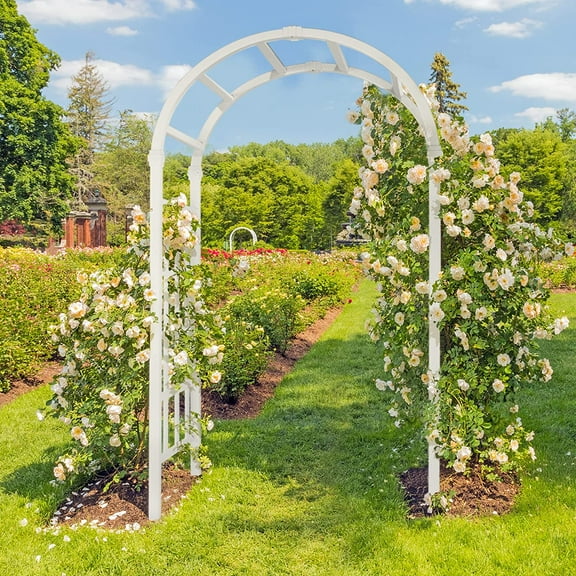
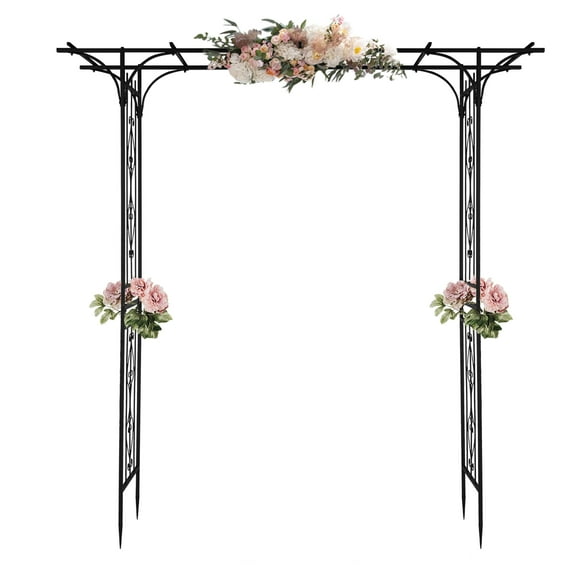
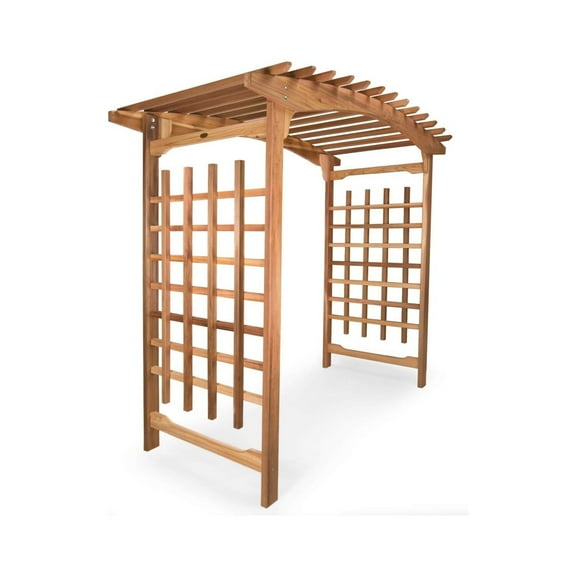
If you want a softer landscape look, you may prefer an arched or pergola style frame with room for trailing vines. If you want cleaner lines, you may lean toward a flat top or gabled outdoor arbor.
- You can frame a garden path with an archway that creates a clear visual entrance.
- You can support flowering vines with a garden arch trellis that gives stems places to climb.
- You can define a ceremony spot with a yard archway that stands out in photos.
- You can add vertical interest with a white garden obelisk beside beds or containers.
Comparing outdoor arbor materials
You should compare material first because it affects upkeep, appearance, and long-term outdoor use. You’ll usually see wood, metal, vinyl, and iron options across this category.
If you like a natural look, you may consider pressure-treated wood for a classic garden feel. You’ll often appreciate wood when you want an arbor that blends with raised beds and rustic fencing.
If you want a lighter maintenance routine, you may compare UV-resistant vinyl styles for a crisp finish. You’ll often find vinyl helpful when your yard gets strong sun and you want simple cleanup.
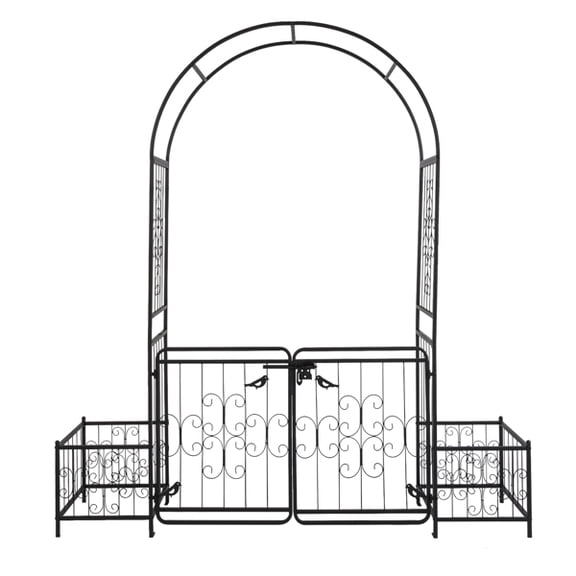
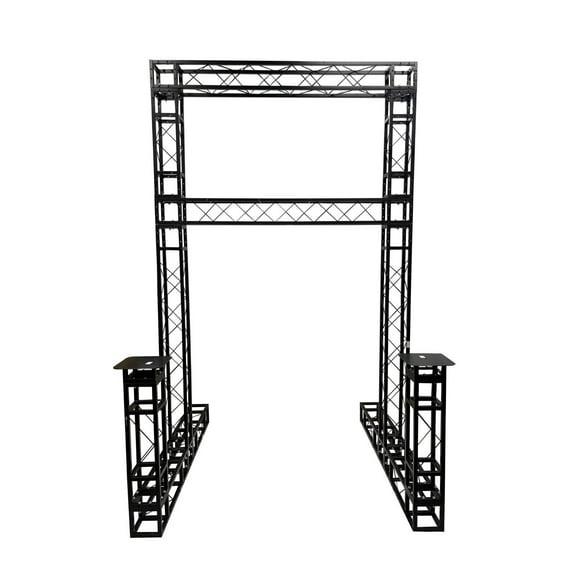
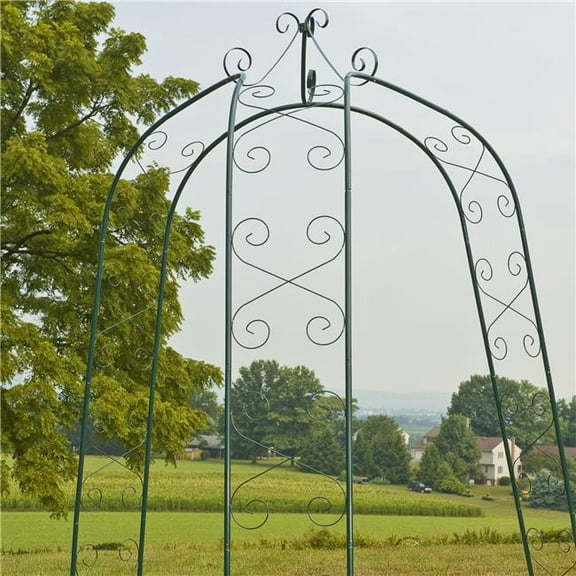
When you need plant support, you should check for metal or iron frames with powder-coated steel construction. You’ll usually want that extra strength when your arbor for climbing plants will carry fuller vines.
You should also consider how each material changes the overall style of your landscape. You’ll notice iron and metal can feel formal, while wood and vinyl can look more relaxed.
What to look for in structure type and plant support
You should compare whether you need an arbor, archway, obelisk, or trellis before narrowing your options. You’ll get different coverage, height, and side support from each structure type.
If you want a walk-through feature, you may choose an arbor or yard archway for a more defined entrance. If you want compact vertical support, you may pick a white garden obelisk near planters or small beds.
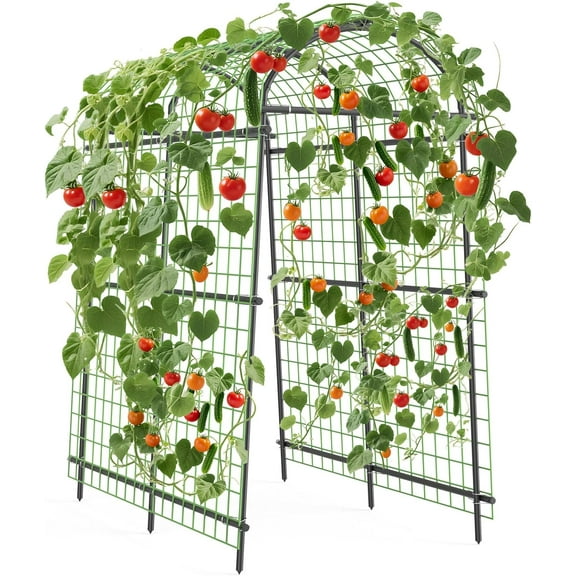
When you expect vines to spread across the sides, you should look for a garden arch trellis with side lattice. You’ll give jasmine, clematis, or climbing roses more places to attach as they grow.
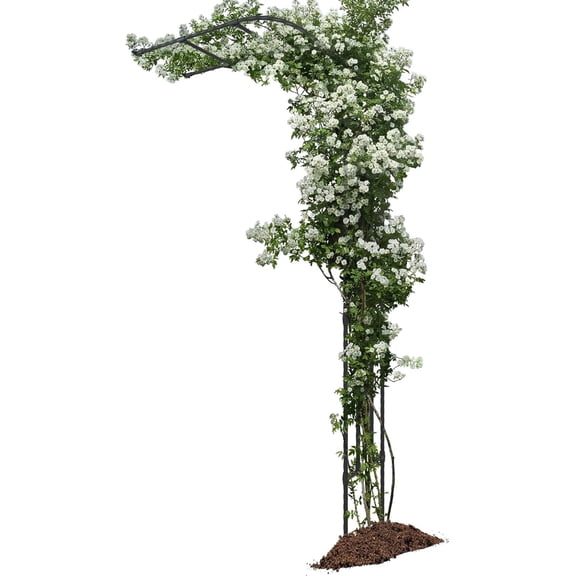
You should check plant weight expectations before pairing a frame with heavy growers. You’ll need sturdier construction for wisteria than you would for lighter vines like jasmine.
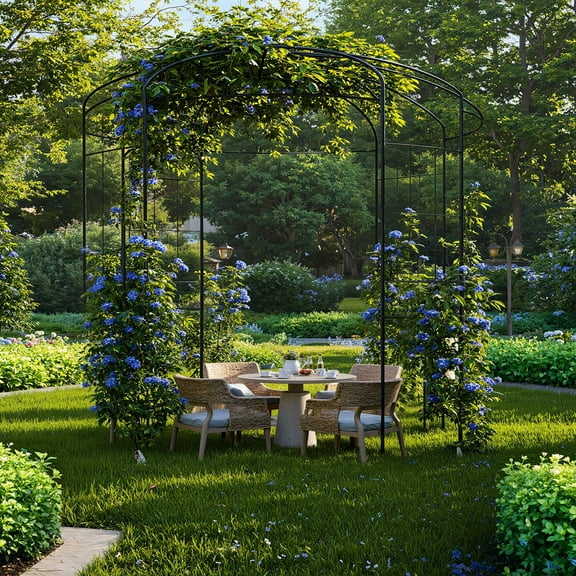
If you’re comparing a curved pergola look with a simple arch, you should consider shade and visual presence. You’ll often get a broader silhouette from pergola style designs with more overhead detail.
Choosing anchoring and assembly details
You should check how each frame anchors into the ground before choosing for a windy or open yard. You’ll want stable footing whether you place it in soil, along a path, or beside a patio.
If you’re installing in garden soil, you may look for stake-style legs that sink securely into the ground. If you’re setting a permanent entry point, you may prefer mounting points for concrete.
You should think about assembly time before choosing a larger outdoor arbor with side panels and overhead sections. You’ll often need basic hand tools, a level surface, and enough room to align the frame.
When you want a simpler setup, you may prefer fewer parts and a straightforward arch design. You’ll usually spend more time assembling pergola style frames or wider models with extra lattice.
Matching use cases to the right outdoor arbor
You should match your category choice to the job you want it to do in your landscape. You’ll get a more useful result when your style and structure support that specific purpose.
If you want an arbor for climbing plants, you should prioritize side panels, sturdy joints, and room for stems to weave upward. You’ll help vines cover the frame more evenly through the growing season.
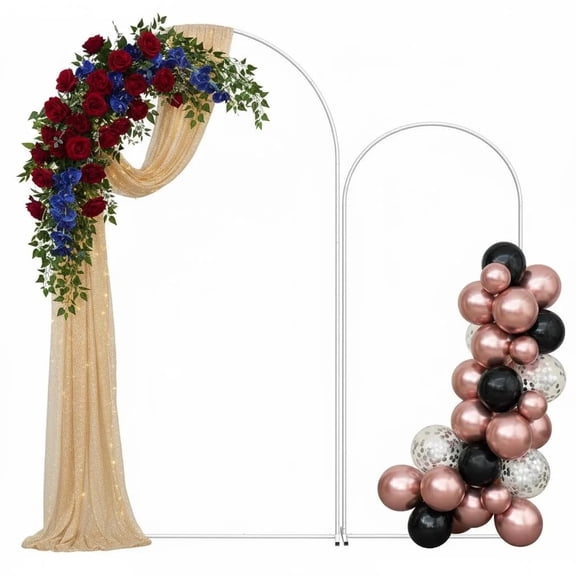
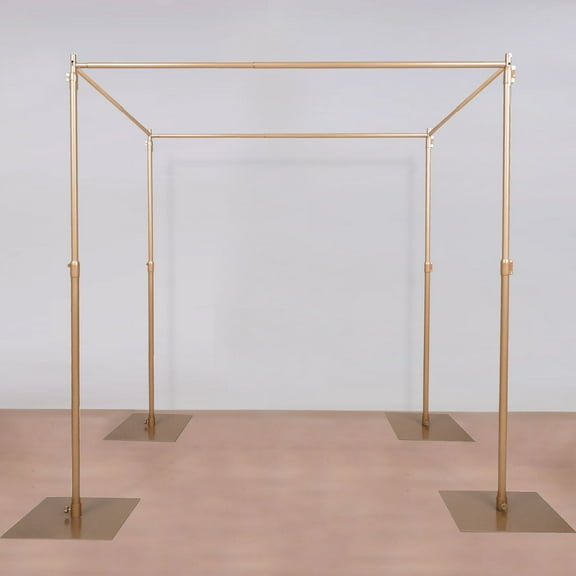
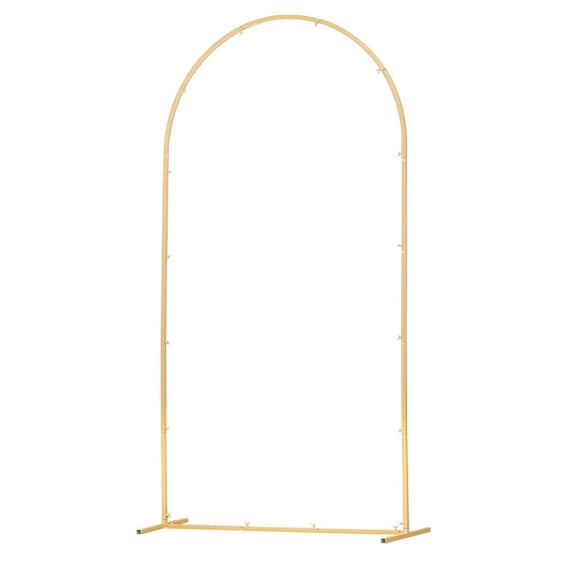
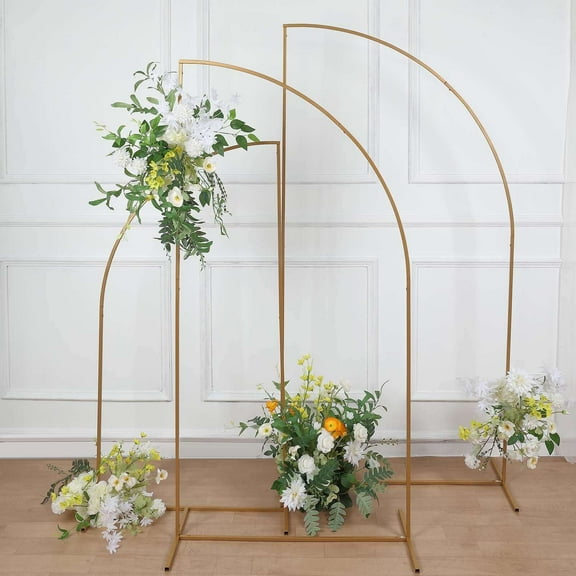
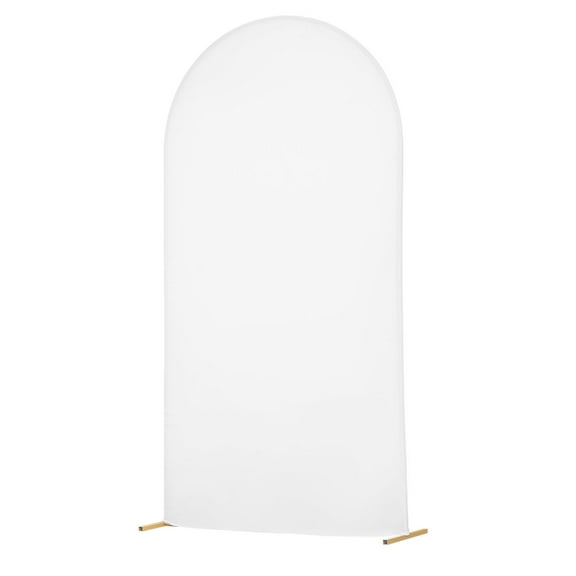
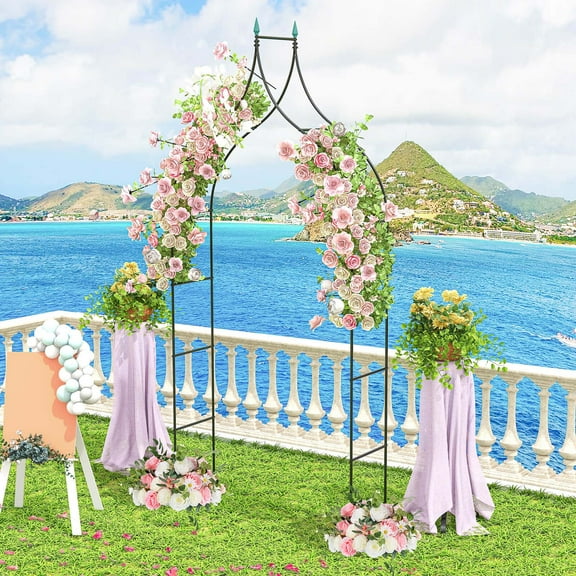
When you’re creating a wedding entryway, you may want an archway with clean lines and open space underneath. You’ll leave room for floral accents, fabric draping, or a simple ceremony backdrop.
If you’re styling a garden path accent, you should consider an arched design that draws the eye forward. You’ll create a clear transition between lawn, patio, and planting zones without adding a full fence.
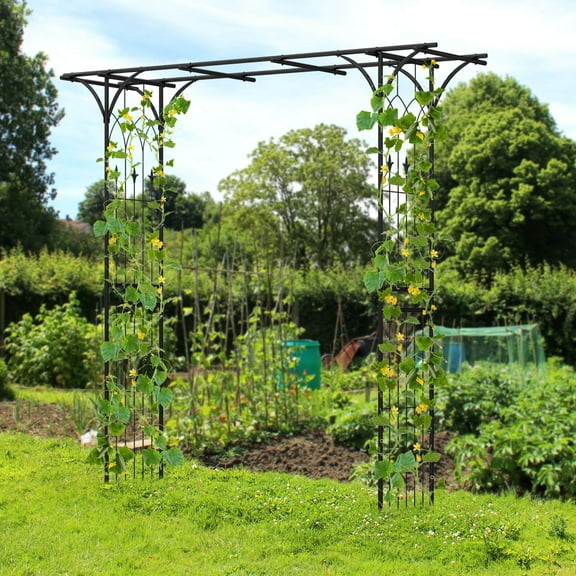
You may also use an outdoor arbor to separate vegetable beds, frame a gate, or highlight a seating area. You’ll bring height and structure to spaces that feel flat from ground level.
With the right garden arch, you can support climbing growth, shape your landscape, and create a defined outdoor focal point. You’ll feel more confident when your material, structure, and anchoring choices match your space from the start.