




Top Soil for Garden and Landscaping Needs


![Gardenera Labs Palm Tree Potting Mix - The Ultimate Soil for Strong and Healthy Palms - Top Choice for Palm Tree Growers [1 Quart Bag]](https://i5.walmartimages.com/seo/Gardenera-Labs-Palm-Tree-Potting-Mix-The-Ultimate-Soil-for-Strong-and-Healthy-Palms-Top-Choice-for-Palm-Tree-Growers-1-Quart-Bag_be309a40-bdb3-4c09-b421-b7e85f077a82.2737b6412dc2d7492e70290cc80b230f.jpeg?odnHeight=576&odnWidth=576&odnBg=FFFFFF)







![GARDENERA Palm Tree Potting Mix - The Ultimate Soil for Strong and Healthy Palms - Top Choice for Palm Tree Growers [1 Quart Bag]](https://i5.walmartimages.com/seo/GARDENERA-Palm-Tree-Potting-Mix-The-Ultimate-Soil-for-Strong-and-Healthy-Palms-Top-Choice-for-Palm-Tree-Growers-1-Quart-Bag_536553b5-395e-4106-870a-fb9ed671db4a.b9c7f8662a0af40427ad3f0b59553a61.jpeg?odnHeight=576&odnWidth=576&odnBg=FFFFFF)








About Top Soil for Garden and Landscaping Needs - Walmart.com
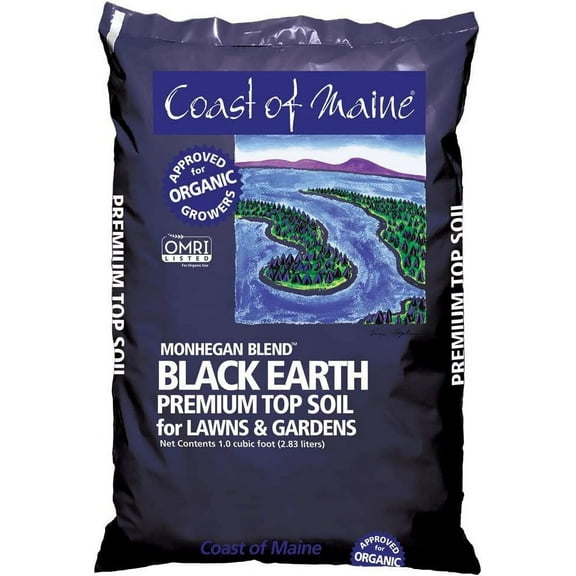
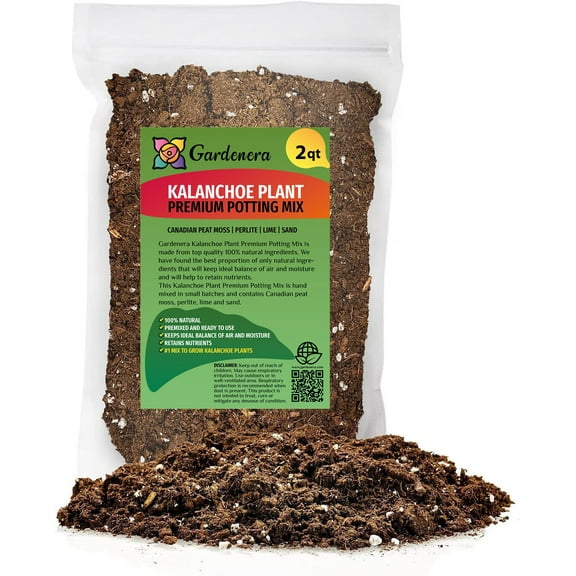
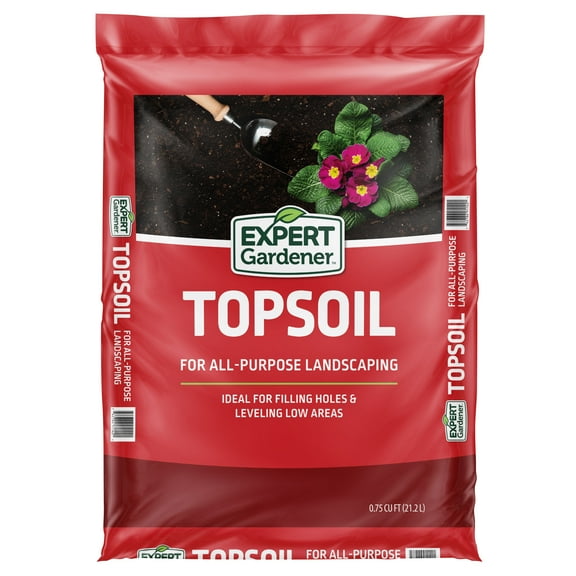
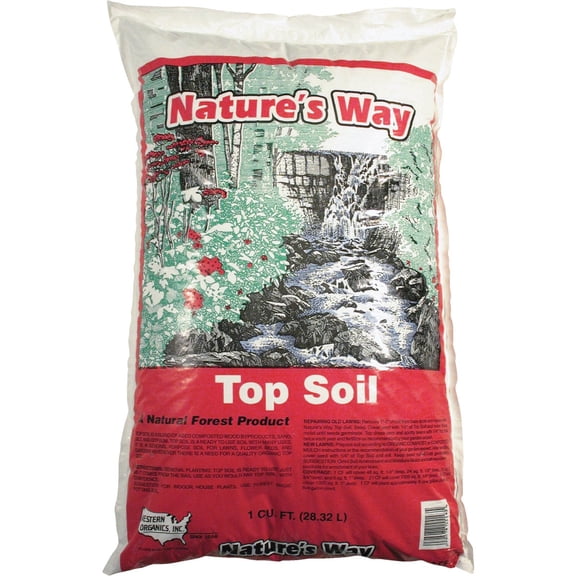
Top soil helps you level lawns, fill low spots, and prep garden beds with the right texture for outdoor projects. You can compare bag sizes, blend types, and soil consistency here, so your project starts with a better match.
If you're refreshing bare patches or planning larger landscaping work, you need clear guidance before you choose. You can use this page to compare topsoil bags, bulk quantities, and blends meant for lawns, beds, and vegetable spaces.
How to choose top soil for your project
You should start by matching the soil type to your project, because topsoil, garden soil, and potting soil serve different jobs. You can use topsoil for grading, filling, and general landscape prep, while potting soil suits containers.
When you compare blends, you'll often notice options labeled for flowers, vegetables, or general yard use. You should also check whether organic top soil fits your plans, especially if you're preparing in-ground edible gardens.
- You can use lawn top soil to smooth uneven areas and support grass seed coverage.
- You can choose screened topsoil when you want a finer texture with fewer large clumps.
- You can select bulk top soil for wider areas like new beds, border fills, or regrading.
- You can compare topsoil bags when you need easier carrying, storage, and smaller project control.
You may also want to check product labels for added nutrients or weed control ingredients before you buy. You'll get a clearer fit when you compare those details with your planting plans.
Choosing between topsoil bags and bulk top soil
You should estimate your space before choosing package size, because coverage changes with depth and square footage. You can measure length and width, then decide how many inches of soil you need.
For many projects, you'll spread one to two inches for leveling or top dressing. You may need deeper coverage for raised areas, fresh beds, or spots with missing soil.
You can calculate cubic feet by multiplying length, width, and depth, then converting inches of depth into feet. You'll compare that total against the bag volume shown on each package.
If you're covering a small patch, topsoil bags can make transport and placement easier. If you're filling broad areas, bulk top soil can help you plan larger coverage more efficiently.
You should also consider access to your yard, because narrow gates and steps affect how you move soil. You may prefer smaller bags when you want more control during spreading and cleanup.
What to look for in soil type, texture, and ingredients
You should compare texture closely, because screened topsoil, sandy loam, and clay-heavy blends behave differently in the yard. You'll usually want finer texture for leveling and easier raking across lawns.
If your soil feels dense or sticky, you may look for blends that spread and break apart more easily. If your site dries quickly, you might prefer soil that helps you hold moisture longer.
You can also compare whether a blend includes compost or other organic matter for garden use. You'll want to read labels carefully if your vegetables, herbs, or flowers need a richer planting base.
When you're deciding between topsoil and garden soil, consider how finished your planting area needs to be. You can use topsoil for base building, while garden soil often suits direct planting better.
You should check whether labels mention added fertilizer, nutrient ratios, or weed preventer ingredients. You'll make a more informed choice when those details match your lawn repair or planting goals.
Using top soil for lawns, beds, and edible gardens
You can use lawn top soil to fill shallow dips, support overseeding, and improve the surface before new grass grows in. You'll usually want a smooth, workable texture that spreads evenly with a rake.
For flower beds, you may use topsoil to build up low areas or refresh the base layer. You can then pair it with other amendments when you want a more planting-ready mix.
If you're planning vegetable gardens, you should review labels for intended use and ingredient details. You'll feel more confident choosing organic top soil or blends marked for edible garden spaces.
You can also use these soils in raised beds when you need volume for a new build. You'll often combine topsoil with compost or garden soil when you want a balanced bed mix.
When you compare products, look at package size, texture, and intended application together, not separately. You can narrow choices faster when your soil matches your project depth, area, and planting plans.
How to compare related soil options
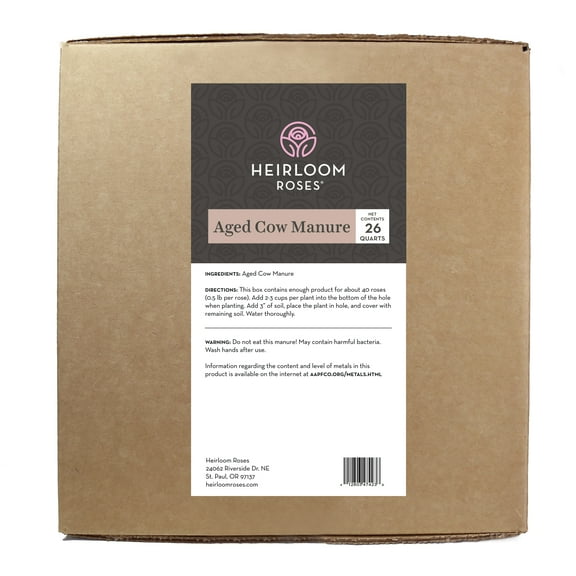
You may notice nearby categories like mulch, compost, garden soil, and potting soil during your search. You should use mulch for surface coverage, compost for soil amendment, and potting soil for containers.
Top soil stands out when you need to fill, level, or build a base across larger outdoor spaces. You can avoid mismatches when you compare each soil type by where and how you'll use it.
You can choose with more confidence when you measure your area, compare package volume, and check texture and ingredients first. Your project gets a smoother start when your top soil matches your lawn, bed, or garden plan.