










Thumb Braces in Hand and Wrist Support























About Thumb Braces in Hand and Wrist Support - Walmart.com
Thumb support helps steady daily movement when you need a focused fit for gripping, typing, lifting, or game-day recovery. This category brings together elastic wraps, rigid thumb splints, and wrist-connected designs, so you can compare stabilization styles fast. Youu'll also find options for left or right orientation, low-profile wear under sleeves, and adjustable closures that make quick on-and-off changes simple.
Why thumb support matters
A well-chosen brace can make routine tasks feel more controlled. It helps limit unwanted thumb motion while keeping your hand available for everyday use. That balance matters when you want support for texting, opening jars, writing, or light household tasks.
Material choice changes the feel throughout the day. Soft elastic styles flex with movement, while structured splints add firmer positioning around the thumb joint. Breathable fabrics, smooth linings, and slim shapes also matter when you plan to wear a brace under a glove or long sleeve.
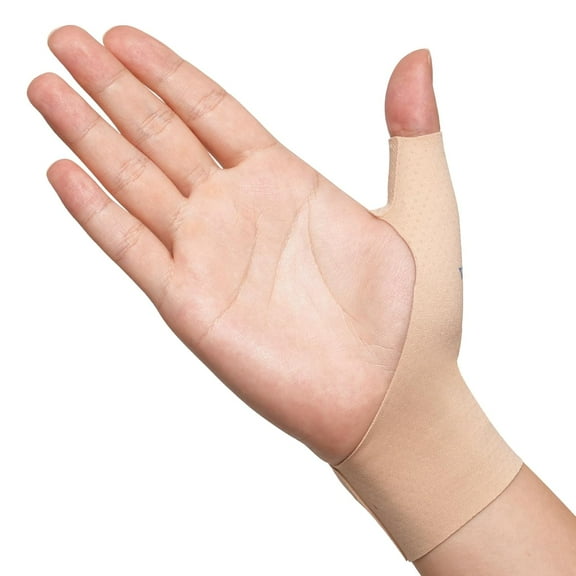
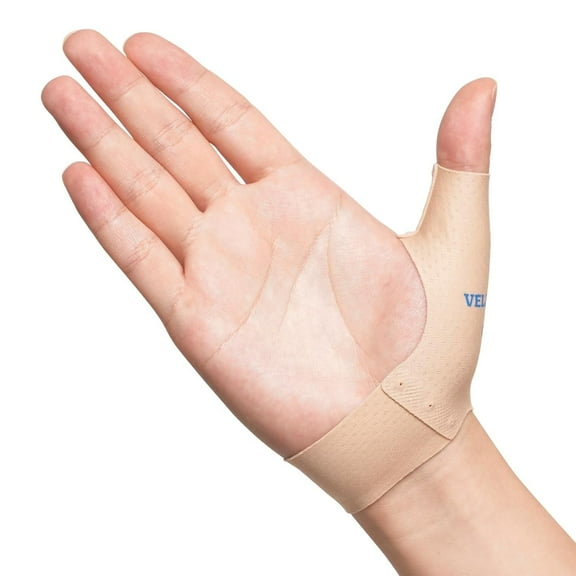
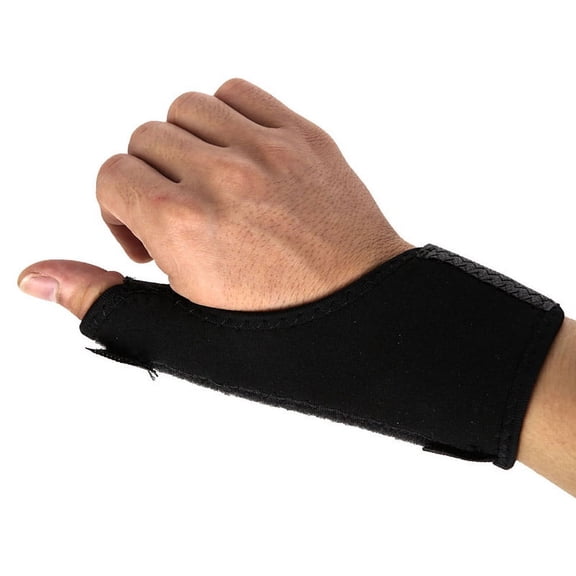
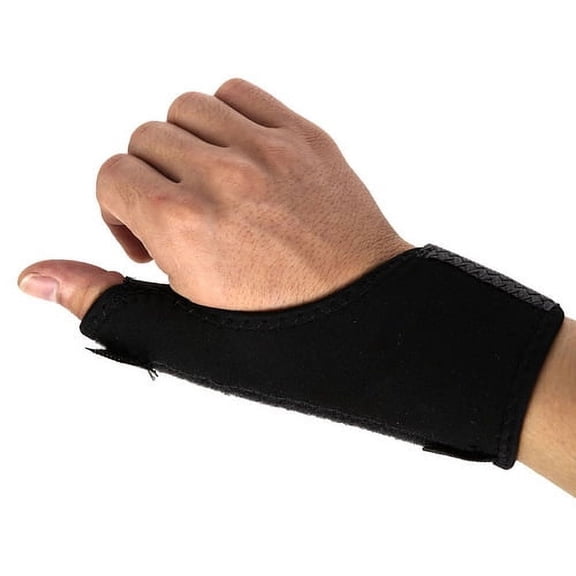
- Elastic designs offer flexible compression for light daily wear.
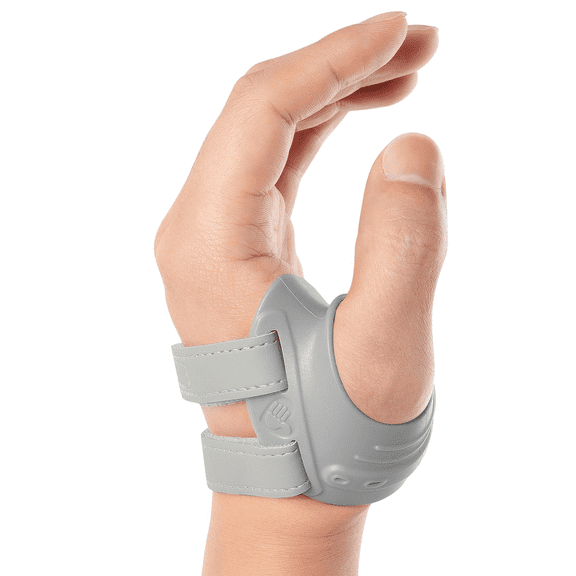
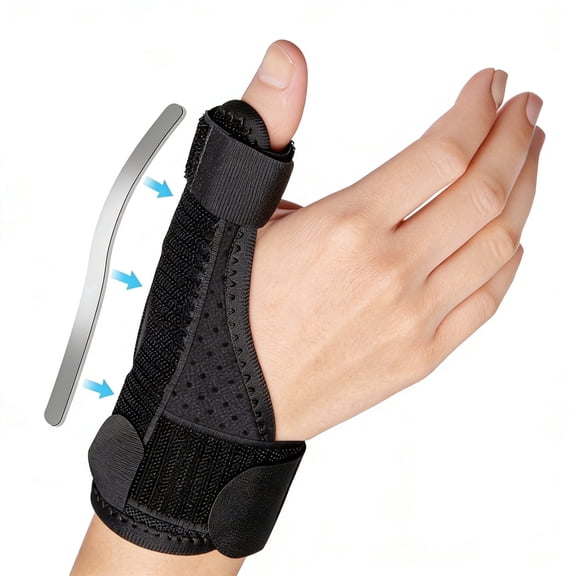
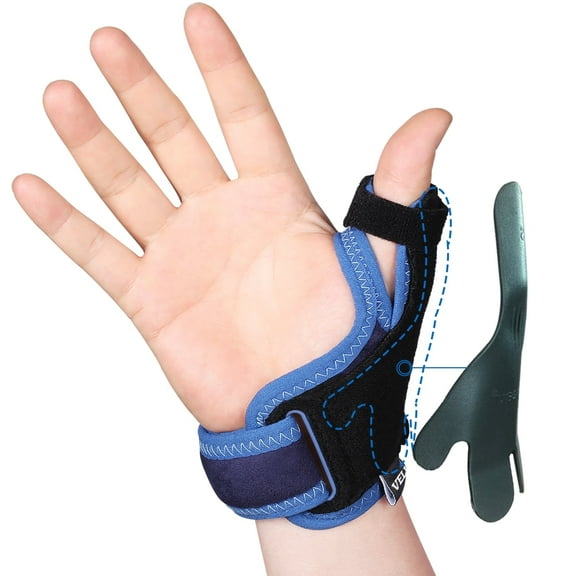
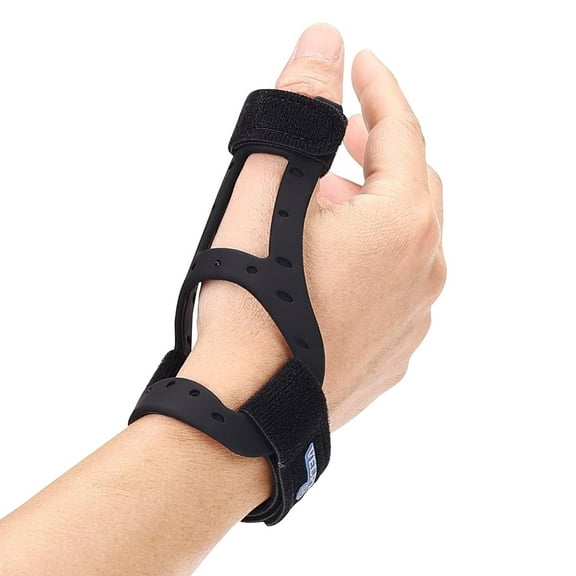
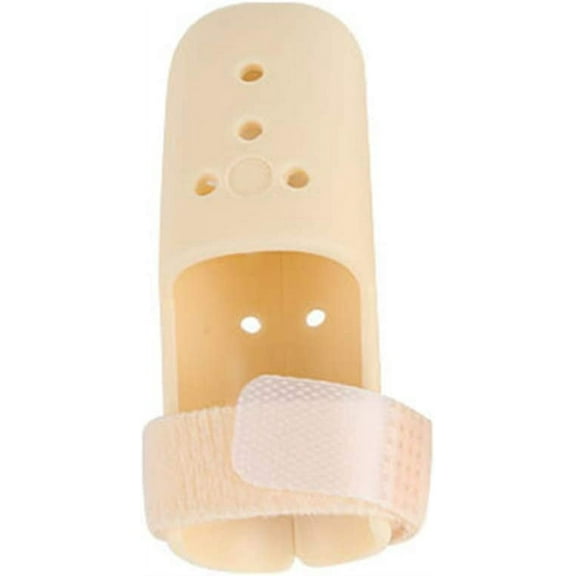
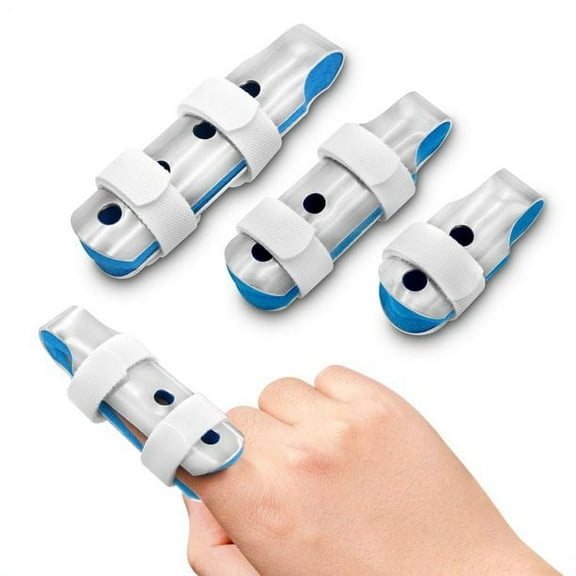
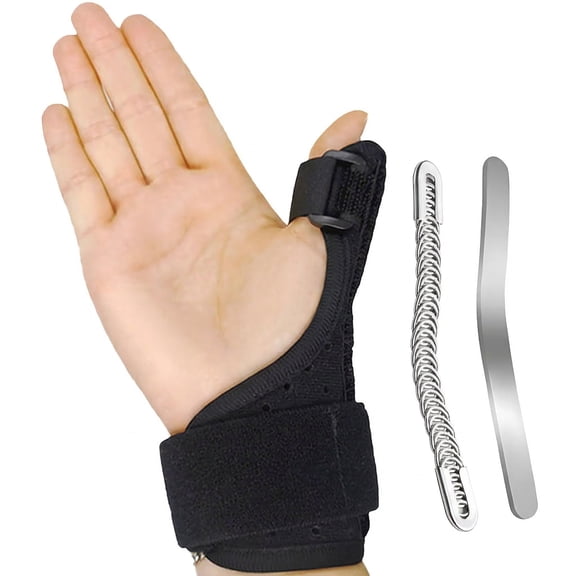
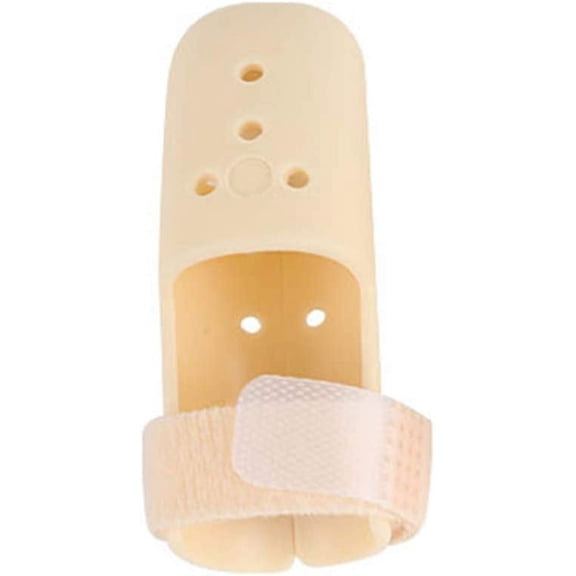
- Rigid thumb splints add structured positioning around the thumb joint.
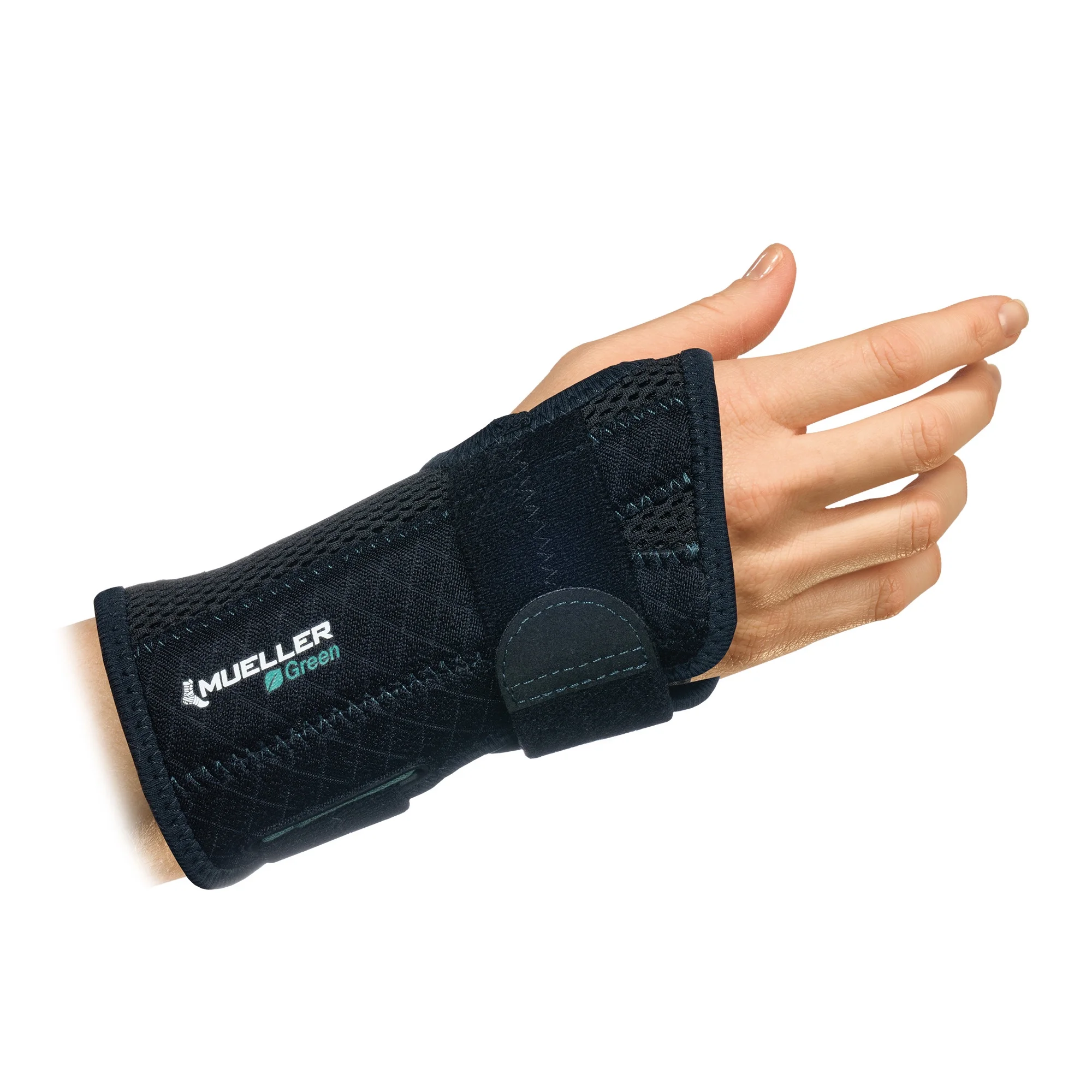
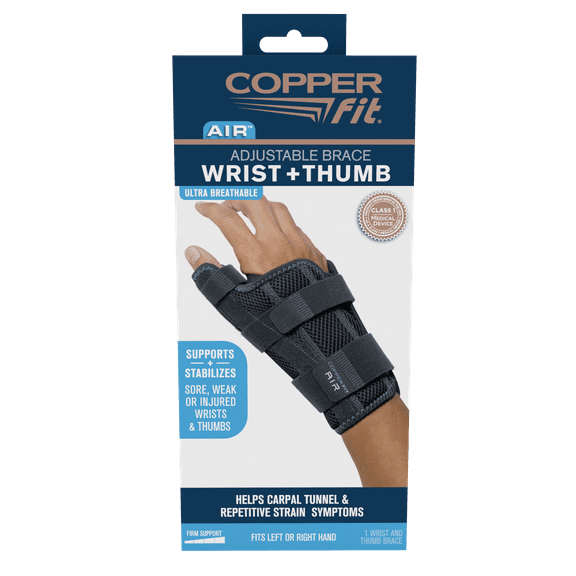
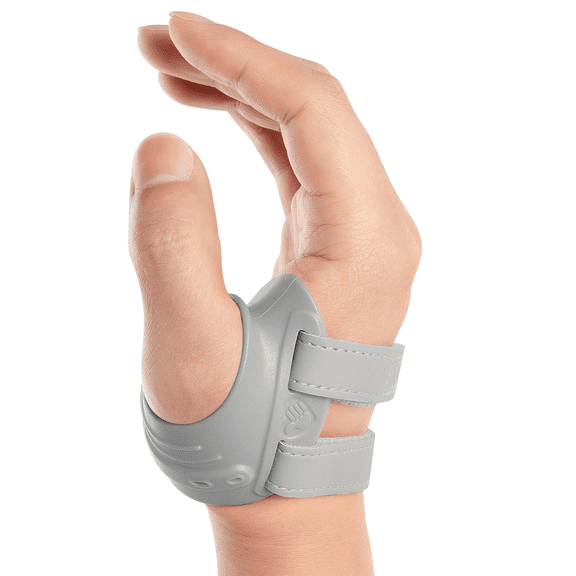
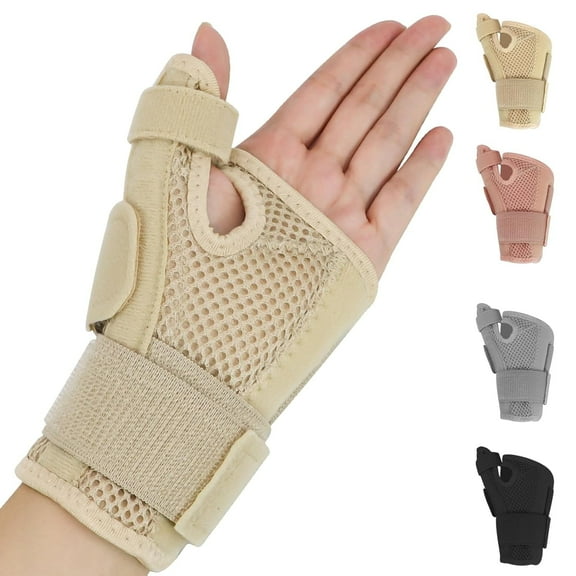
- Wrist-connected styles support both the base of the thumb and the wrist.
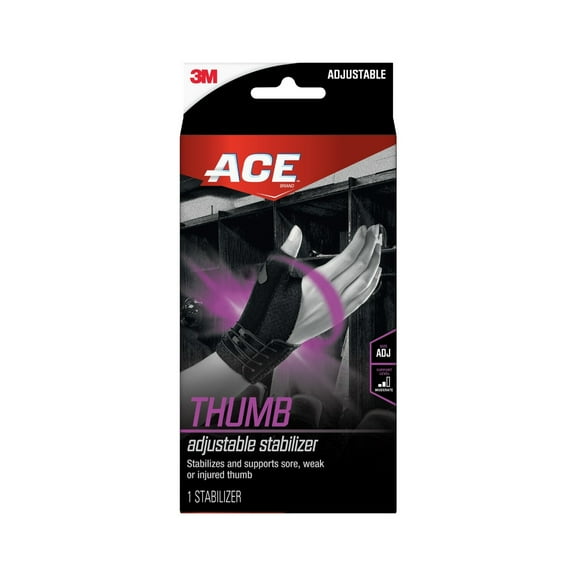
- Adjustable straps help fine-tune fit during work, errands, or rest.
- Left and right hand options create a more precise, natural fit.
These details make this category different from a standard wrist sleeve. A thumb brace needs a dedicated thumb spica area, shaped support at the base joint, and closure placement that wonu't crowd your palm.
Thumb splint and wrist and thumb brace features
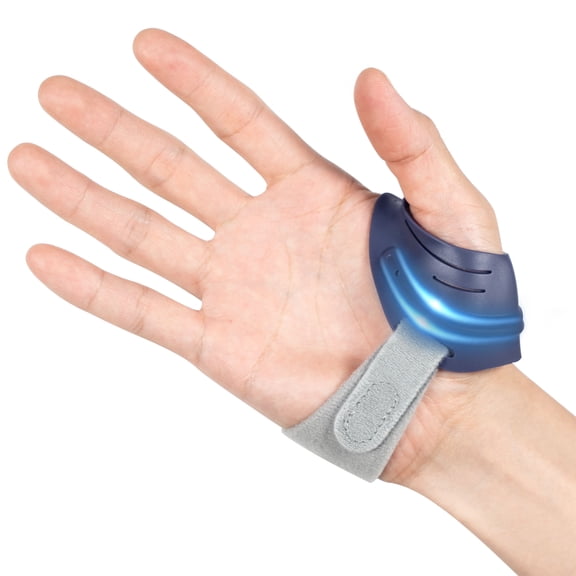
Structure is the first decision point. A thumb splint usually focuses on the thumb itself, while a wrist and thumb brace extends coverage for a more connected feel. If you want greater control around the base of the thumb, look for reinforced side panels or a molded support insert.
Orientation matters more than many shoppers expect. A left hand thumb brace places the thumb opening, stays, and straps for that sideu's natural shape. Right-hand versions mirror that layout, which helps the brace sit flatter and feel less bulky during repeated motion.
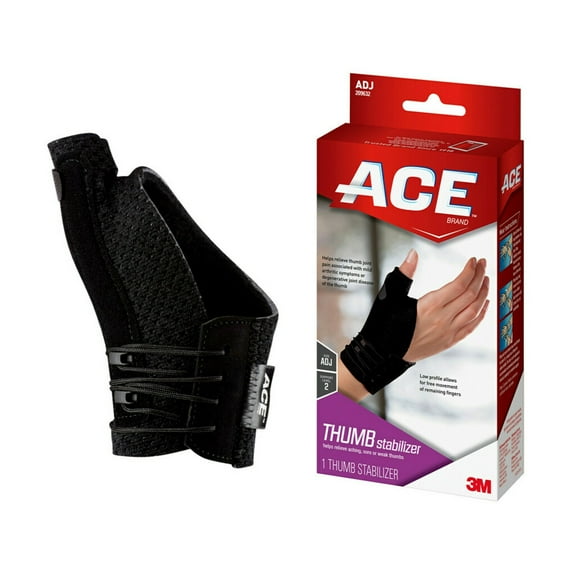
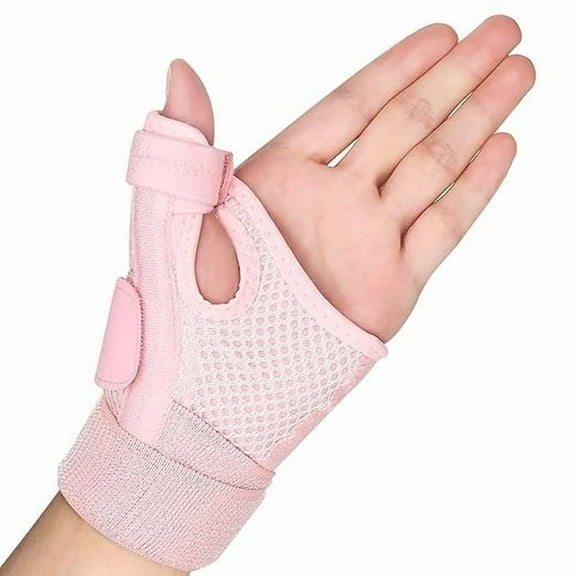
Closure style also affects comfort and ease. Hook-and-loop tabs let you loosen or tighten quickly, and wraparound straps can create a more secure hold. Some designs use thumb loops for easier placement, while others rely on pull-on construction for a smoother profile.
Fabric and coverage change wearability. Lightweight knit blends feel flexible, while neoprene-like builds create a denser, more locked-in fit. Open-finger designs keep your fingertips free for screens and small tools, and longer cuffs can create a steadier transition from wrist to thumb.
Look closely at sizing notes before choosing. Many braces use palm circumference or wrist measurement, and some list universal fit with adjustable straps. Checking handedness, cuff length, and removable stays can help narrow the options quickly.
Thumb braces for tendonitis and daily routines
Some shoppers want a brace for repetitive tasks that put extra demand on the thumb side of the hand. In that case, thumb brace for tendonitis searches often point to structured designs with targeted support at the thumb base. A wrist and thumb brace can also feel useful when you prefer one piece that covers both areas together.
Office work creates one set of needs. Typing, scrolling, and trackpad use usually call for a lower-profile shape with open fingers and adjustable tension. For chores, packing, or light lifting, a sturdier frame may feel more secure through longer stretches.
Sports and hobbies need different features. A slim elastic thumb support can fit under some gloves, while a firmer splint may suit pauses between activities. Crafters, gamers, musicians, and mobile-device users often compare bulk, flexibility, and strap placement before choosing.
Travel and on-the-go errands can influence your choice too. A compact brace is easier to stash in a tote, desk drawer, or gym bag. When convenience matters, pickup or delivery availability can help you get the format you want without extra searching.
Shoppers also use this page when theyu're deciding where to buy a thumb splint. Comparing material, hand orientation, and support level in one place can make that decision easier. It also helps when you want to pair a thumb brace with other braces and supports for a more complete setup.
How to choose left or right hand thumb support
Start with the hand you plan to wear it on. Left and right models arenu't interchangeable when the brace has shaped stays, a defined thumb pocket, or angled straps. The correct side usually sits flatter, closes more cleanly, and keeps the palm area less crowded.
Next, think about how much motion you want to limit. An elastic thumb support works for lighter stabilization and a flexible feel. A splint with a firmer insert limits movement more clearly and can feel steadier during repetitive tasks.
Then compare coverage length and bulk. Shorter designs can feel easier for desk work, while longer cuffs create a more anchored transition from wrist to thumb. If you use your fingers constantly, open-finger construction can keep small-object handling easier.
This category gives you practical ways to compare thumb support styles, from soft wraps to shaped splints and wrist-connected braces. The right design can give you a steadier fit, cleaner thumb positioning, and more comfortable movement through everyday tasks.