

Propane & Butane Gas Cylinders, Tanks, and Accessories(108)
Flame King 30 lb. Propane Tank with Type 1 Overfill Protection Device Valve (Ships Empty) $72.99

Flame King 30 lb. Propane Tank with Type 1 Overfill Protection Device Valve (Ships Empty)

Flame King Digital Propane Tank Scale for 5lb to 40 lb Tanks, Propane Scale with Display Screen $15.38

Flame King Digital Propane Tank Scale for 5lb to 40 lb Tanks, Propane Scale with Display Screen
In 100+ people's carts Olympia 8 oz Butane Gas Cartridges – Dual Safety System: Automatic Blocking Valve + Triple Seam Rim for Portable Stoves and Heaters - 3 pack $7.97 1.2 ¢/g
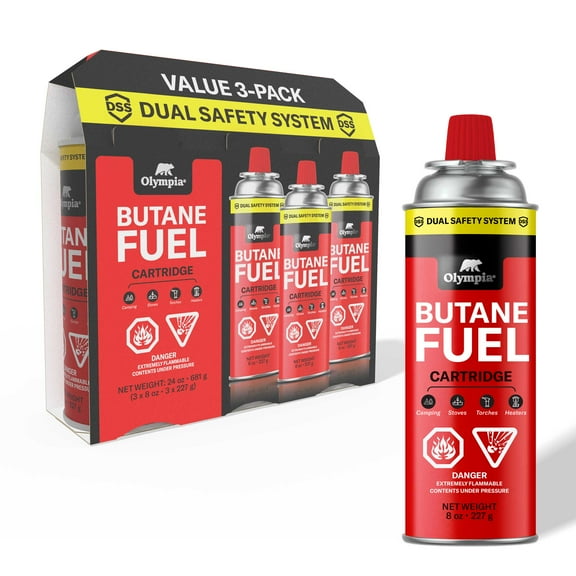
Olympia 8 oz Butane Gas Cartridges – Dual Safety System: Automatic Blocking Valve + Triple Seam Rim for Portable Stoves and Heaters - 3 pack
Flame King 3LB Empty Steel Propane Tank LP Cylinder with Built-in Gauge and OPD Valves $61.97
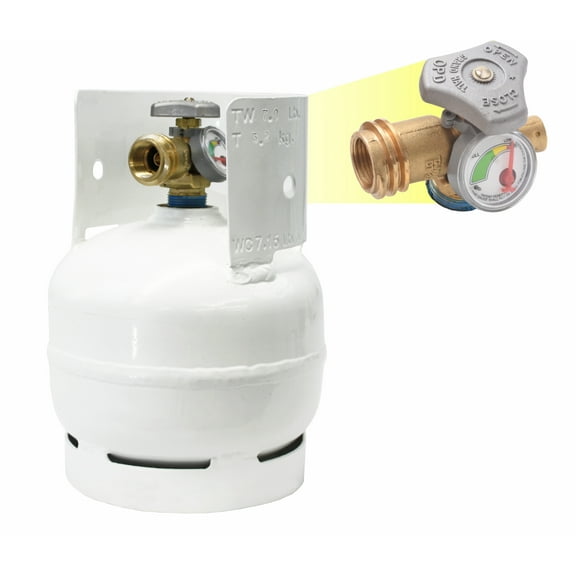
Flame King 3LB Empty Steel Propane Tank LP Cylinder with Built-in Gauge and OPD Valves
Best seller Coleman All Purpose Propane Gas Cylinder 16 oz, 4-Pack $19.72 30.1 ¢/oz
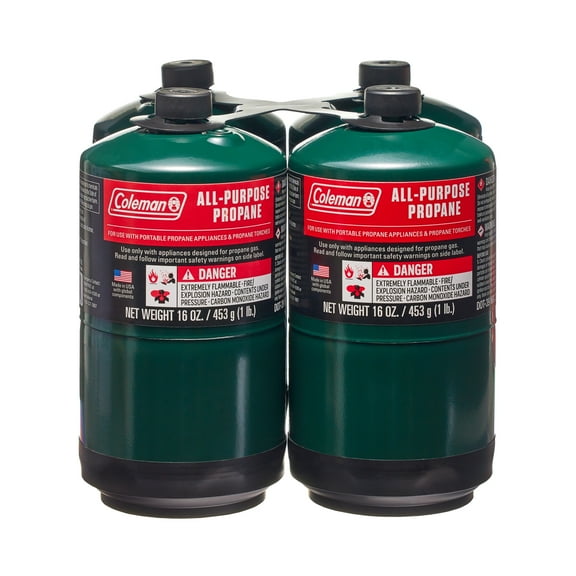
Coleman All Purpose Propane Gas Cylinder 16 oz, 4-Pack
Overall pick Coleman All-Purpose Propane Gas Cylinder, 16 ounce, 2-Pack $9.97 31.2 ¢/oz
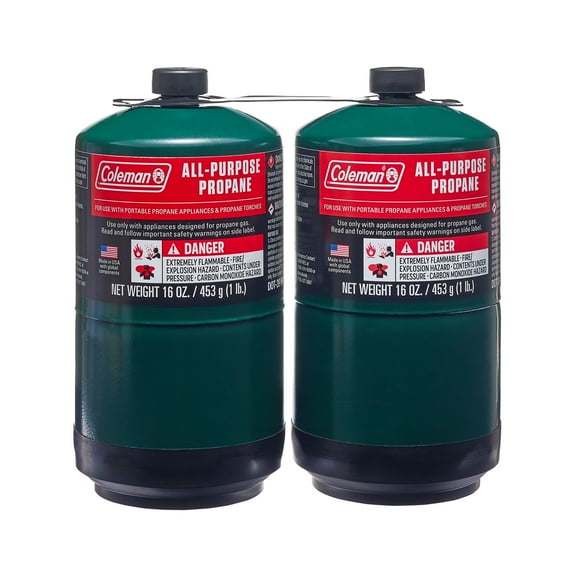
Coleman All-Purpose Propane Gas Cylinder, 16 ounce, 2-Pack
In 50+ people's carts Coleman Propane Camping Gas Cylinder 2-Pack $13.90 Was $28.34 42.4 ¢/oz
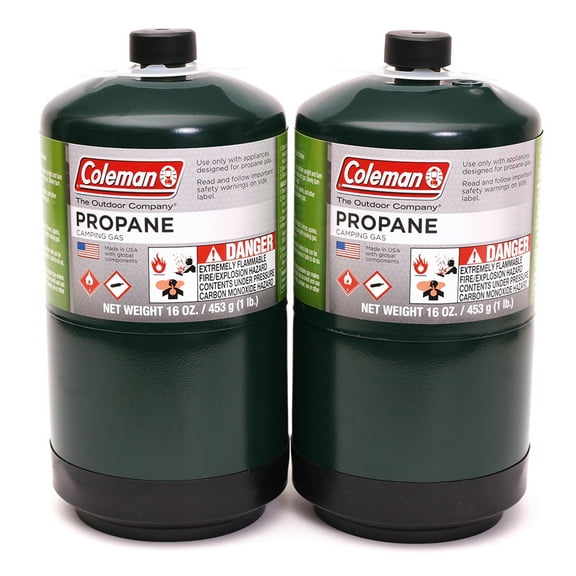
Coleman Propane Camping Gas Cylinder 2-Pack
20-lb Steel Propane Tank (5 Gallon) - Empty, No gauge included $54.55 Was $60.95
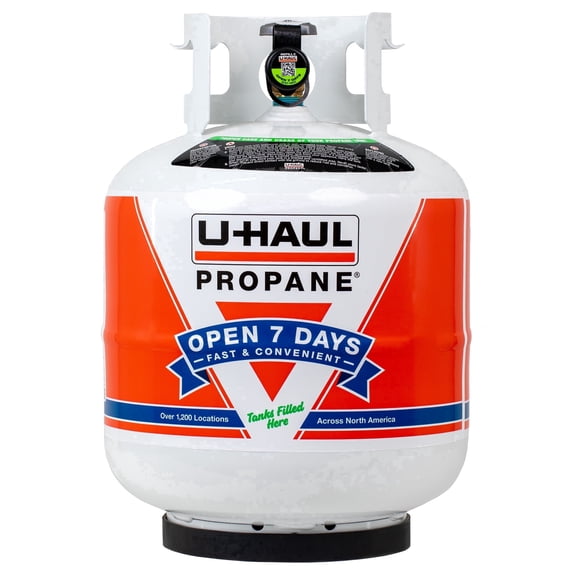
20-lb Steel Propane Tank (5 Gallon) - Empty, No gauge included
100+ bought since yesterday Coleman Propane 16 oz Propane Camping Gas Cylinder $5.47 34.2 ¢/oz
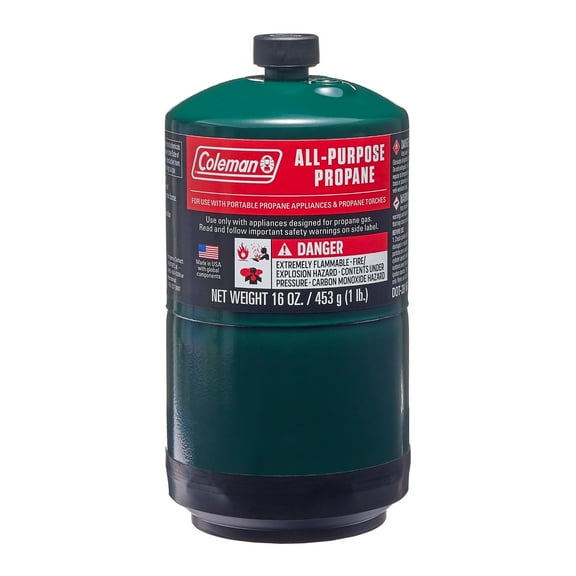
Coleman Propane 16 oz Propane Camping Gas Cylinder
Flame King 30 lb. Propane Tank with Type 1 Overfill Protection Device Valve (Ships Empty) $72.99
Flame King 30 lb. Propane Tank with Type 1 Overfill Protection Device Valve (Ships Empty)
Flame King 5LB Aluminum Propane Tank with Gauge & OPD Valve, Corrosion-Resistant and Rust-Free $139.99
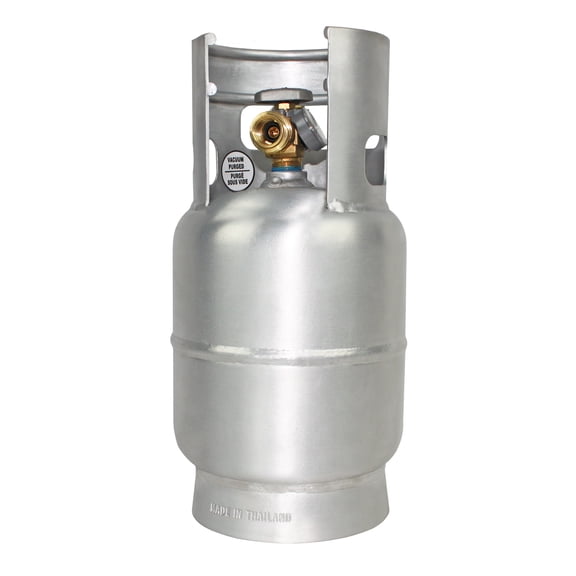
Flame King 5LB Aluminum Propane Tank with Gauge & OPD Valve, Corrosion-Resistant and Rust-Free
KFFKFF Gas Cylinder Insulation Wrap for 100 lbs Tanks, 280W Heating Element, Maintains Max 90 ℉ with Built-in Thermostat, Crafted from Water-Resistant Oxford Material, UL/FCC Certified $111.97 $111.97/ca
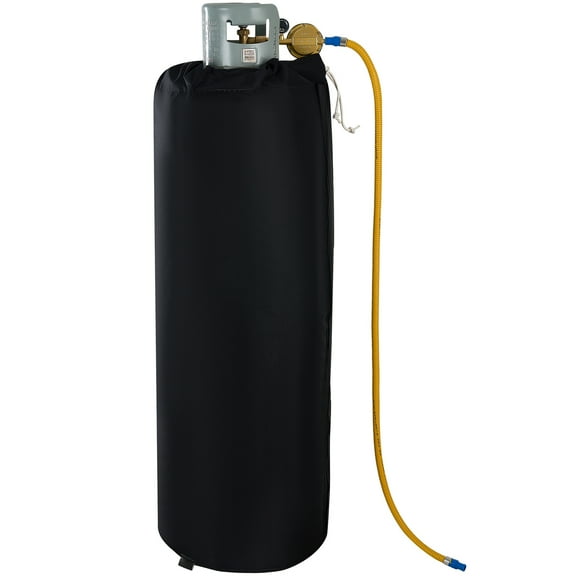
KFFKFF Gas Cylinder Insulation Wrap for 100 lbs Tanks, 280W Heating Element, Maintains Max 90 ℉ with Built-in Thermostat, Crafted from Water-Resistant Oxford Material, UL/FCC Certified
Flame King 20LB Empty Steel Propane Tank LP Cylinder w/ Type1 OPD Valve, for Grills & BBQs, Gifts for Father $78.29
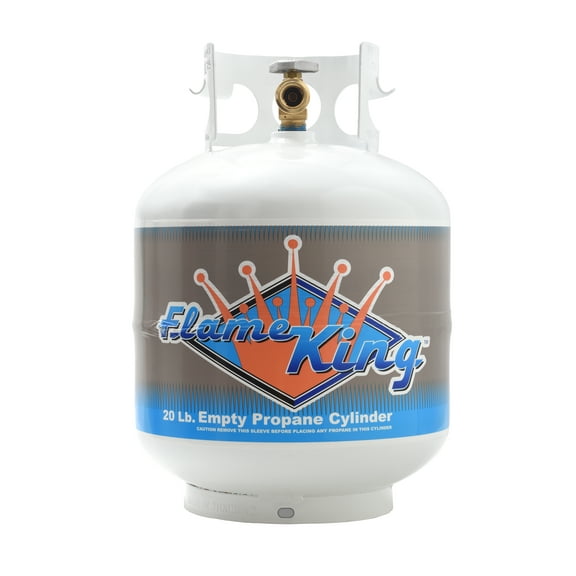
Flame King 20LB Empty Steel Propane Tank LP Cylinder w/ Type1 OPD Valve, for Grills & BBQs, Gifts for Father
In 100+ people's carts Olympia 8 oz Butane Gas Cartridges Dual Safety System: Automatic Blocking Valve + Triple Seam Rim for Portable Stoves and Heaters - 3 pack $7.97 1.2 ¢/g
Olympia 8 oz Butane Gas Cartridges Dual Safety System: Automatic Blocking Valve + Triple Seam Rim for Portable Stoves and Heaters - 3 pack
Flame King Propane Tank Gauge with Leak Detector and Glow in the Dark Dial $15.36

Flame King Propane Tank Gauge with Leak Detector and Glow in the Dark Dial
In 50+ people's carts Ronson Multi-Fill Ultra American Butane Fuel Can - 290mL $4.96 85.2 ¢/oz
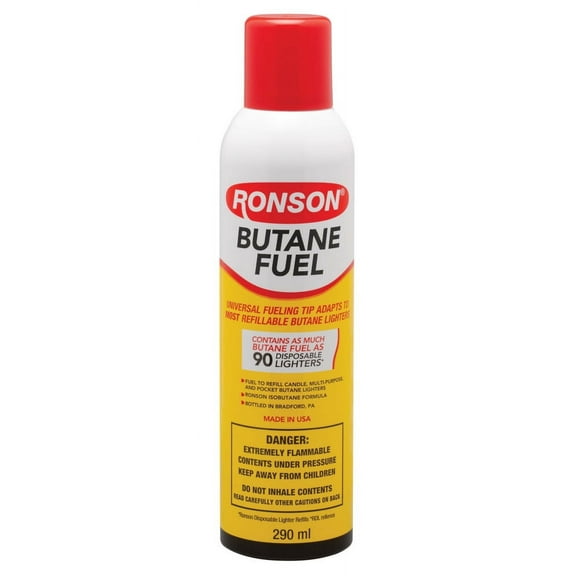
Ronson Multi-Fill Ultra American Butane Fuel Can - 290mL
Coleman Propane Fuel, 16 oz, Propane Camping Cylinde 4-Pack $35.99

Coleman Propane Fuel, 16 oz, Propane Camping Cylinde 4-Pack
Flame King 3LB Empty Steel Propane Tank LP Cylinder with Built-in Gauge and OPD Valves $61.97
Flame King 3LB Empty Steel Propane Tank LP Cylinder with Built-in Gauge and OPD Valves
Flame King 11 lb Squatty Steel Refillable Propane Cylinder with OPD Valve & Built in Gauge $71.97
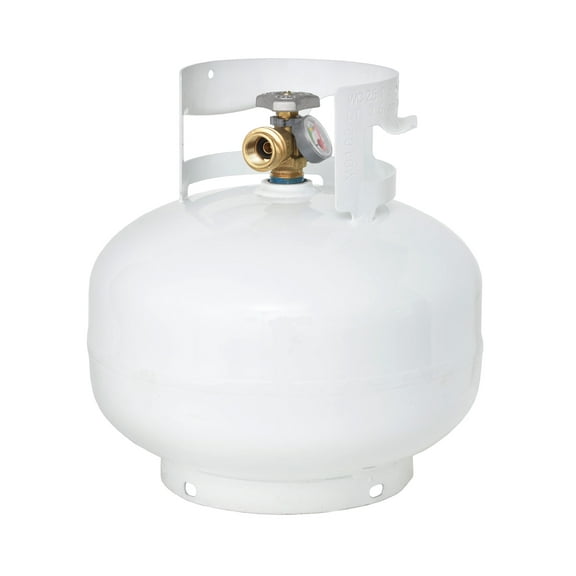
Flame King 11 lb Squatty Steel Refillable Propane Cylinder with OPD Valve & Built in Gauge
Coleman All Purpose Propane Gas Cylinder 16 oz, 4-Pack $27.99 Was $32.99
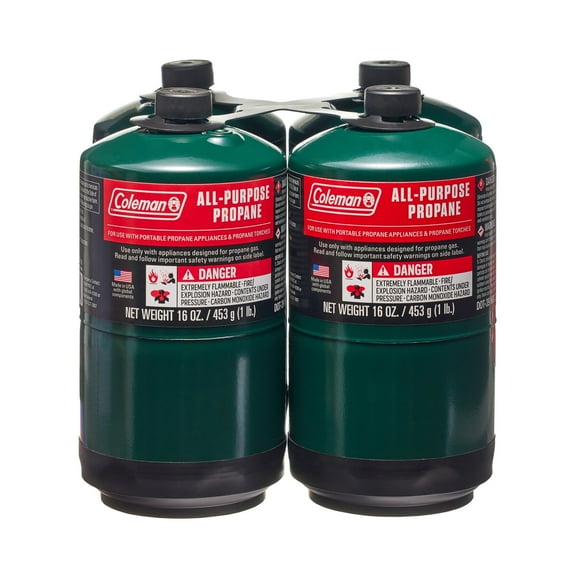
Coleman All Purpose Propane Gas Cylinder 16 oz, 4-Pack
Flame King 40LB Aluminum Propane Tank with Premium OPD Valve, Corrosion-Resistant and Rust-Free $311.60

Flame King 40LB Aluminum Propane Tank with Premium OPD Valve, Corrosion-Resistant and Rust-Free
Flame King Eco-Friendly Refillable 1LB Empty Propane Cylinder Tank with Refill Kit - Blue $47.39

Flame King Eco-Friendly Refillable 1LB Empty Propane Cylinder Tank with Refill Kit - Blue
New 40 lb. Steel Propane LP Cylinder Tank with Type 1 OPD Valve DOT Approved - Ships Empty $118.70 $12.63/gl

New 40 lb. Steel Propane LP Cylinder Tank with Type 1 OPD Valve DOT Approved - Ships Empty
Flame King Empty Steel Horizontal Propane Tank Cylinder with OPD & Built-in Gauge, 30 Lbs $144.31

Flame King Empty Steel Horizontal Propane Tank Cylinder with OPD & Built-in Gauge, 30 Lbs
Flame King Digital Propane Tank Scale for 5lb to 40 lb Tanks, Propane Scale with Display Screen $15.38
Flame King Digital Propane Tank Scale for 5lb to 40 lb Tanks, Propane Scale with Display Screen
New 8 oz. Butane Fuel Canister Cartridge with Safety Release Device (8-Pack) $23.00
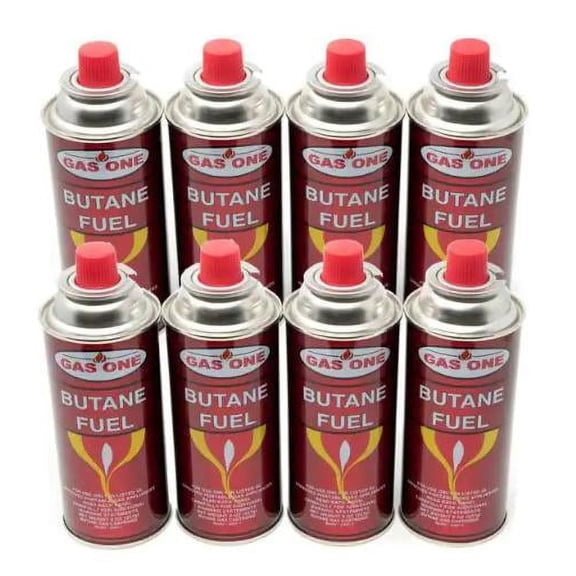
New 8 oz. Butane Fuel Canister Cartridge with Safety Release Device (8-Pack)
Gas Tank Level Indicator Propane Butane LPG Fuel Magnetic Gauge Bottle Measuring $8.04

Gas Tank Level Indicator Propane Butane LPG Fuel Magnetic Gauge Bottle Measuring
New 20 lb Steel Propane LP Cylinder with OPD $81.58
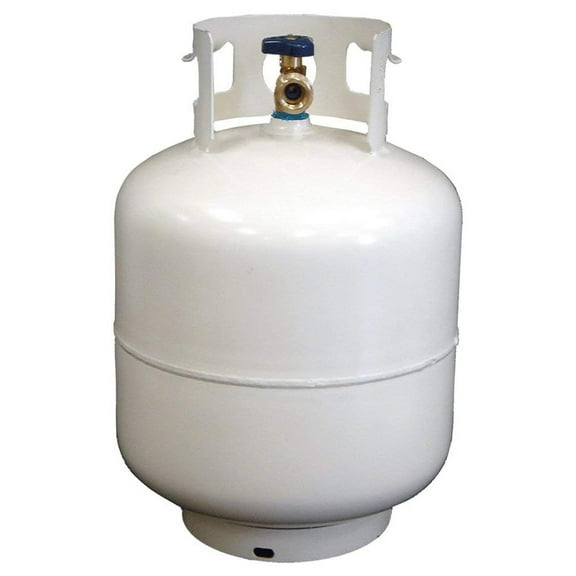
New 20 lb Steel Propane LP Cylinder with OPD
Flame King Propane Tank Backpack Carrier for 5lb or 10lb Cylinder and Weed Torch Ysnbkpk $52.21

Flame King Propane Tank Backpack Carrier for 5lb or 10lb Cylinder and Weed Torch Ysnbkpk
Bernzomatic Fuel Cylinder, MAPP/PRO, 14 oz, CGA 600 RH $29.99

Bernzomatic Fuel Cylinder, MAPP/PRO, 14 oz, CGA 600 RH
Flame King Propane Cylinder Stabilizer Base, Impact-Resistant Propane Tank Holder, Black, 1 Count $9.34 Was $10.99 $9.34/count

Flame King Propane Cylinder Stabilizer Base, Impact-Resistant Propane Tank Holder, Black, 1 Count
Bernzomatic 14 oz Propane Cylinder $17.97
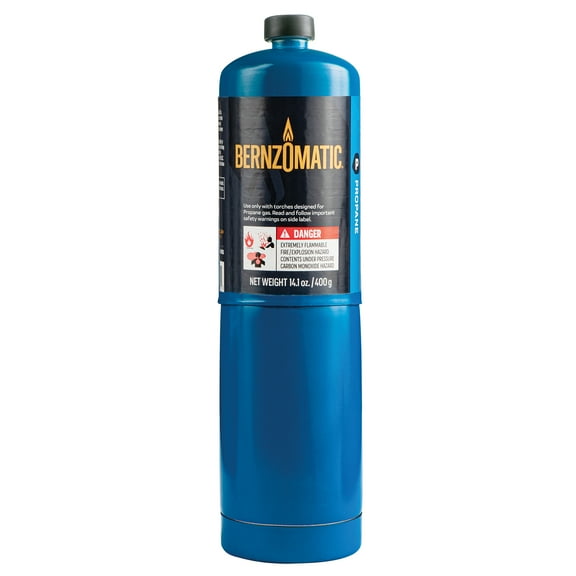
Bernzomatic 14 oz Propane Cylinder
Manchester Tank 20 lb. Capacity Steel Type 1 LP Tank (Empty) $75.88 Was $98.99
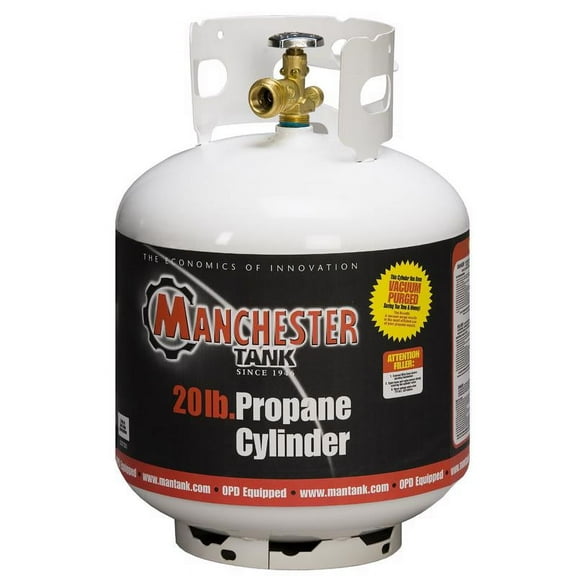
Manchester Tank 20 lb. Capacity Steel Type 1 LP Tank (Empty)
Fuel Cylinder, Oxygen, 1.4 oz, CGA 601 LH $71.10

Fuel Cylinder, Oxygen, 1.4 oz, CGA 601 LH
YSN Imports 5 lbs Steel Gas Propane Tank $95.29
YSN Imports 5 lbs Steel Gas Propane Tank
Viking Cylinders 17lb Vertical Fiberglass Composite LPG Cylinder ... [1420-0017]
![Viking Cylinders 17lb Vertical Fiberglass Composite LPG Cylinder ... [1420-0017]](https://i5.walmartimages.com/seo/Viking-Cylinders-17lb-Vertical-Fiberglass-Composite-LPG-Cylinder-1420-0017_65d1c8aa-6691-4a7a-b807-6715c28b439c.0d07ab6e8e35b9a70545d96a7ef857aa.jpeg?odnHeight=576&odnWidth=576&odnBg=FFFFFF)
Viking Cylinders 17lb Vertical Fiberglass Composite LPG Cylinder ... [1420-0017]
Coleman Propane Cylinders - 16 Oz (12 Pack) $99.99

Coleman Propane Cylinders - 16 Oz (12 Pack)
Clearance Measuring Tools Level Indicator Reusable Propane Fuel Level Indicators Propane Tank Gauge Level Indicator Propane Tank Sensor For Home Kitchen Tool Black $5.58 Was $7.58
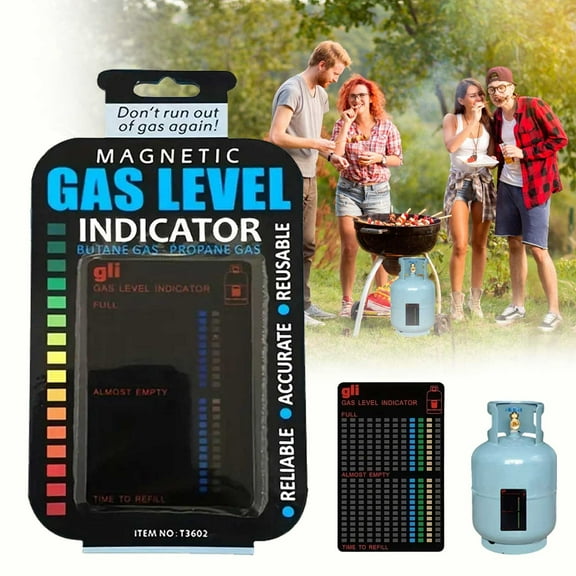
Measuring Tools Level Indicator Reusable Propane Fuel Level Indicators Propane Tank Gauge Level Indicator Propane Tank Sensor For Home Kitchen Tool Black
Lotus 99.99% Pure 150 ml Butane Lighter Fuel Gas Refill 1 - Pack $9.95
Lotus 99.99% Pure 150 ml Butane Lighter Fuel Gas Refill 1 - Pack
Uniweld Empty Fuel Cylinder,Acetylene,10 Cu Ft MC $182.12
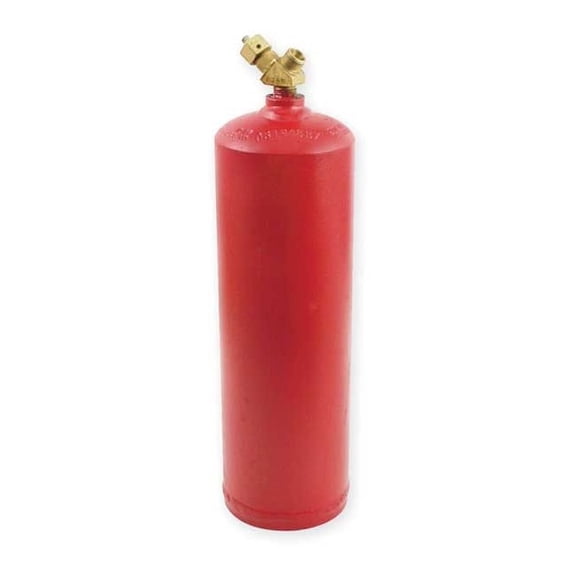
Uniweld Empty Fuel Cylinder,Acetylene,10 Cu Ft MC
Coleman 16 Oz Propane Cylinders (2 Pack) $14.45 Was $24.45
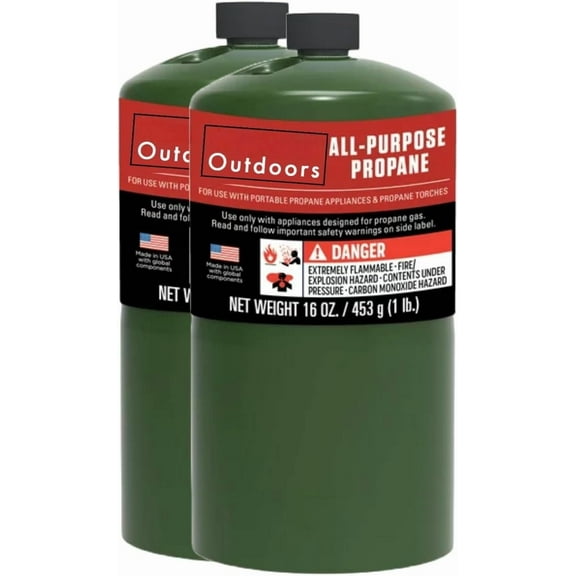
Coleman 16 Oz Propane Cylinders (2 Pack)
MRLESS 10Pcs Hat Support Insert Caps Display Travel Baseball Cap Shaper $16.08 Was $22.68
MRLESS 10Pcs Hat Support Insert Caps Display Travel Baseball Cap Shaper
Flame King 20LB Empty Steel Horizontal Propane Tank Cylinder with Opd & Built-in Gauge $118.99 Was $139.00

Flame King 20LB Empty Steel Horizontal Propane Tank Cylinder with Opd & Built-in Gauge
About Propane & Butane Gas Cylinders, Tanks, and Accessories - Walmart.com
Getting ready for summer celebrations or outdoor adventures? Choosing the right propane or butane fuel tank sets the stage for easy grilling, camping, and patio entertaining. Whether you’re prepping for the Fourth of July or keeping your gear fueled for year-round fun, Walmart offers a range of options designed for convenience and peace of mind.
- Explore Versatile Sizes: From lightweight cylinders ideal for camping stoves to larger tanks fit for backyard barbecues and patio heaters, find the perfect match for any activity.
- Safety-Driven Design: Select tanks featuring secure valve styles and overfill protection device valves to ensure compatibility and dependable operation with your outdoor equipment.
- Flexible Refueling Solutions: Choose between empty tanks for local refills or ready-for-exchange cylinders, making it simple to restock whenever plans change.
- Seamless Shopping Experience: Enjoy effortless selection, with clear product details and options for fast delivery or convenient pickup, so you can plan your events without stress.
- Reliable Usage for Every Season: Tank solutions support grilling, cooking, and keeping warm outdoors—enhancing your gatherings not just in July, but all year long.
Let Walmart help power your patio and outdoor adventures with fuel tanks tailored for safety, efficiency, and easy preparation. Shop now for a worry-free experience and keep your festivities running smoothly.
Popular in Propane & Butane Gas Cylinders, Tanks, and Accessories - Walmart.com
FAQ
How do I know which propane tank size to get?
Picking the right propane tank comes down to how you'll use it.
- Grilling: Most backyard grills work well with 20 lb tanks, which offer several hours of cook time.
- Camping: One lb or small portable cylinders are easy to carry and fit most compact stoves.
- Large gatherings: Bigger tanks like 30 or 40 lbs can keep the party going without frequent refills.
What’s the safest way to store propane tanks?
Safe storage is important for propane tanks.
- Always keep tanks outdoors in a well-ventilated place.
- Store them upright and secured to prevent tipping.
- Avoid placing tanks in garages, sheds, or places exposed to heat and sunlight.
Can I refill or exchange my empty propane tank?
Absolutely! Many customers find it convenient to exchange empty tanks at local retailers.
- Bring your empty tank to an exchange location, and you’ll get a pre-filled one fast.
- If you’d rather keep your own tank, most stores offer refill services for standard sizes.
- Check that your tank has the right safety valve and is in good condition before exchange or refill.
Are small propane tanks good for camping trips?
Small propane cylinders are super handy for camping!
- One lb tanks fit most portable stoves and lanterns, making setup easy.
- They're lightweight, so packing and carrying them isn’t a hassle.
- Look for tanks with the correct valve to match your equipment.
What’s an OPD valve and do I need one?
An OPD (Overfill Protection Device) valve is a key safety feature on most modern propane tanks.
- It helps prevent overfilling, reducing the risk of leaks.
- Many grills and appliances require tanks with OPD valves for proper connection and safety.
- Double-check your grill or heater for compatibility, especially if you’re getting a tank for the Fourth of July or regular use.