



Pool Safety Covers in Pool Covers














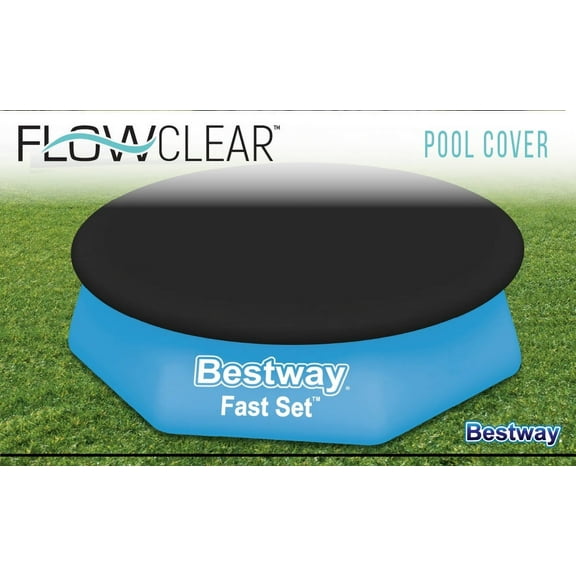
About Pool Safety Covers in Pool Covers - Walmart.com
Pool safety covers help you secure your pool during the off-season and winter prep. You can compare material, shape, anchors, and fit so your cover matches your pool and deck.
Choosing pool safety covers by pool type
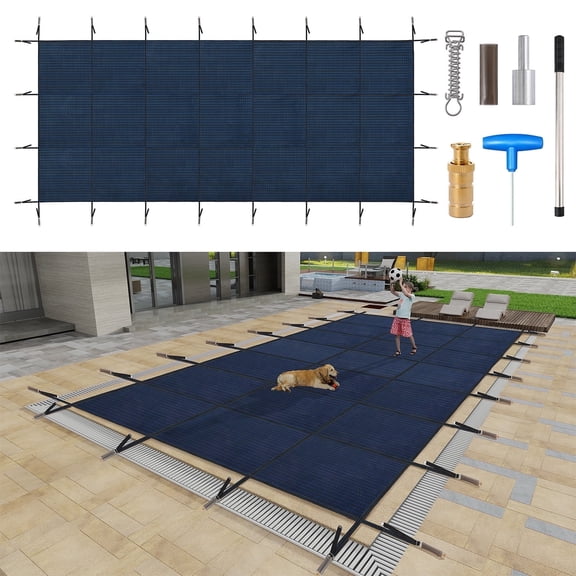
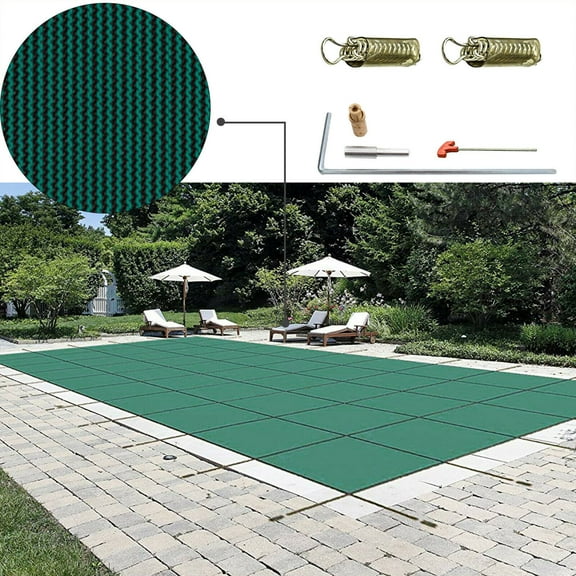
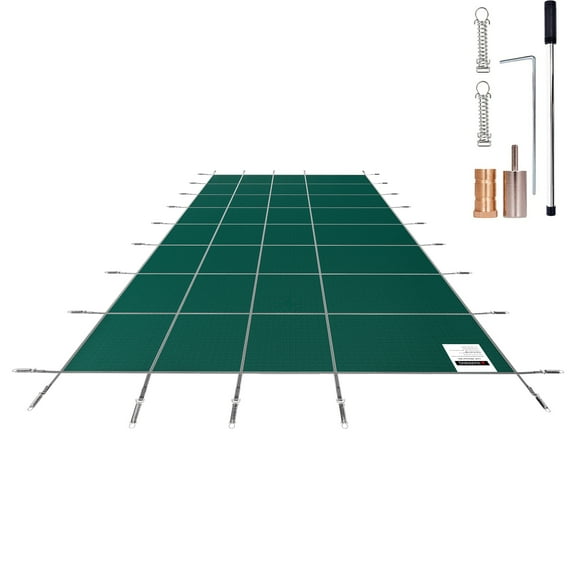
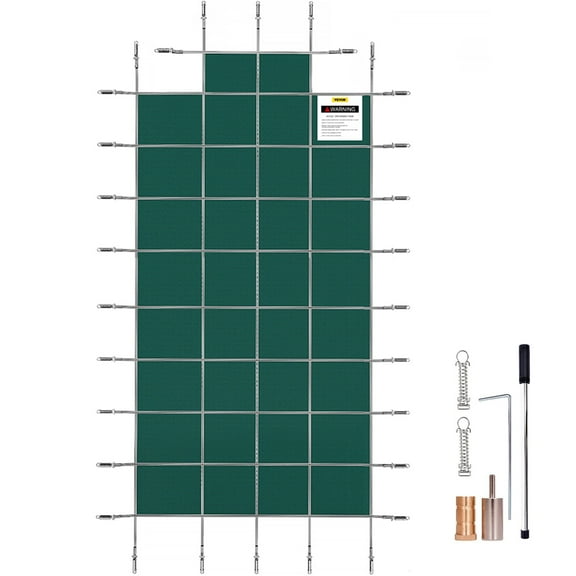
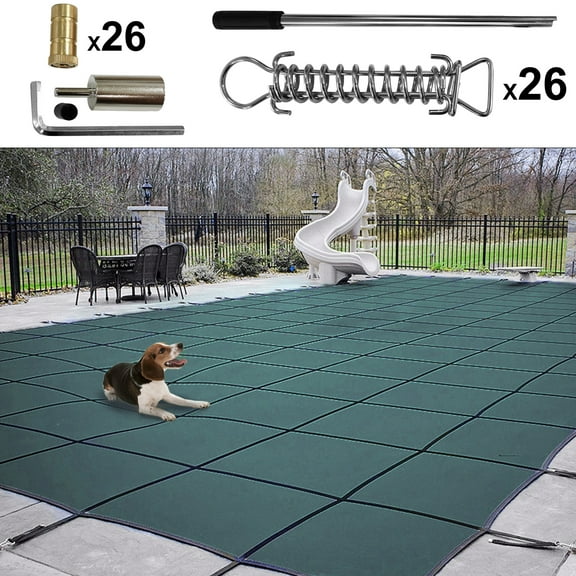
If you have an inground pool, you should start with covers made for anchor-based installation. You’ll usually see safety pool covers for inground pools with springs that fasten into deck hardware.
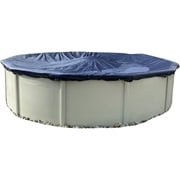
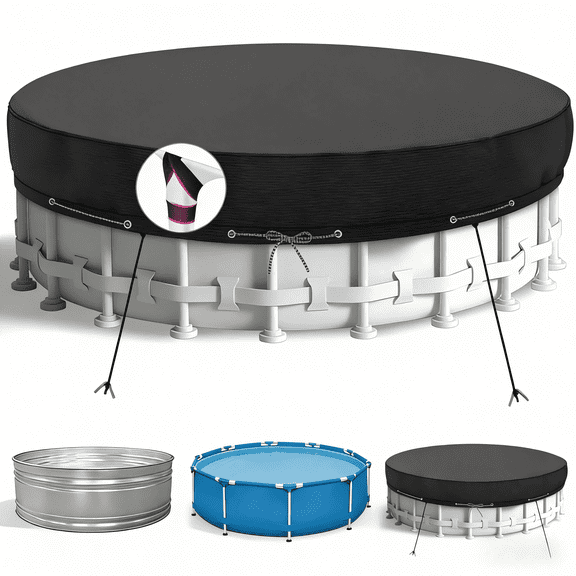
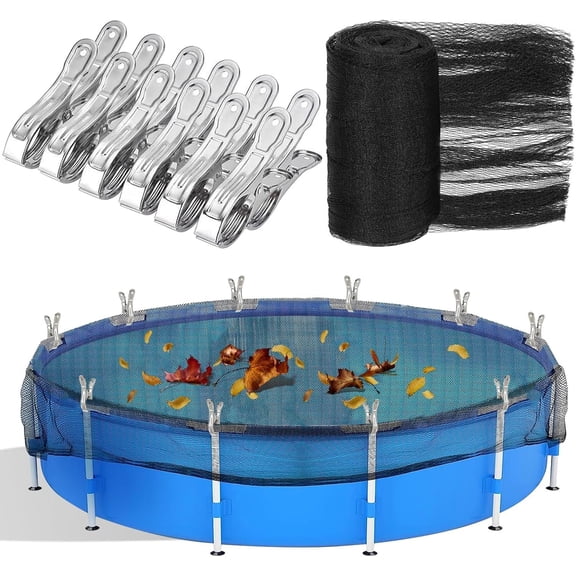
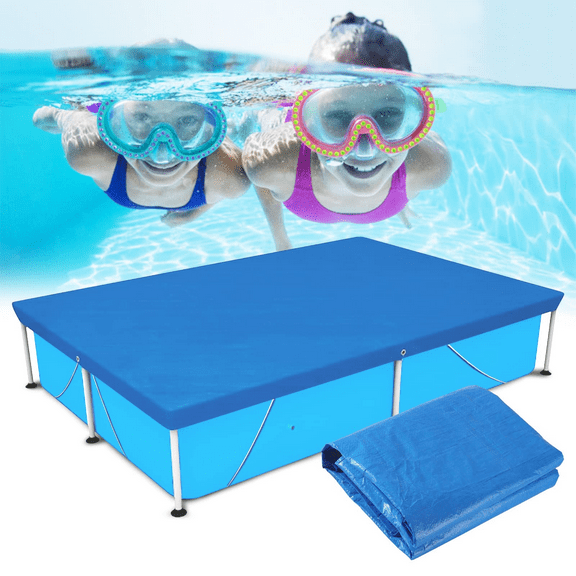
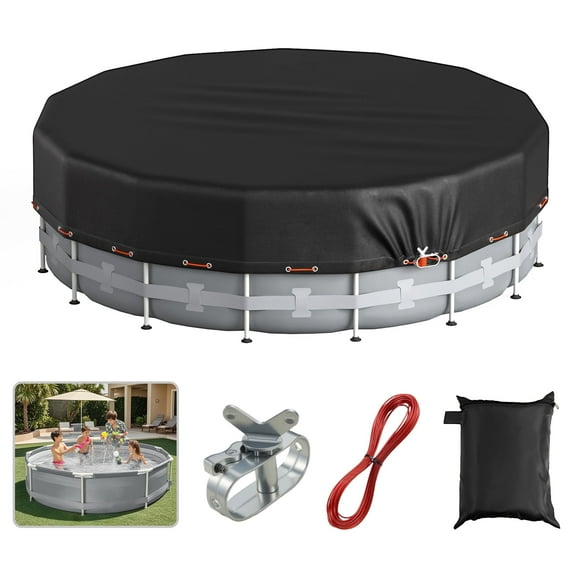
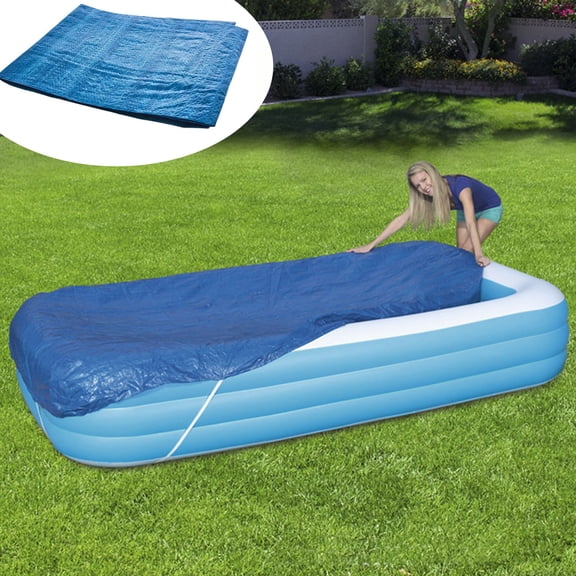
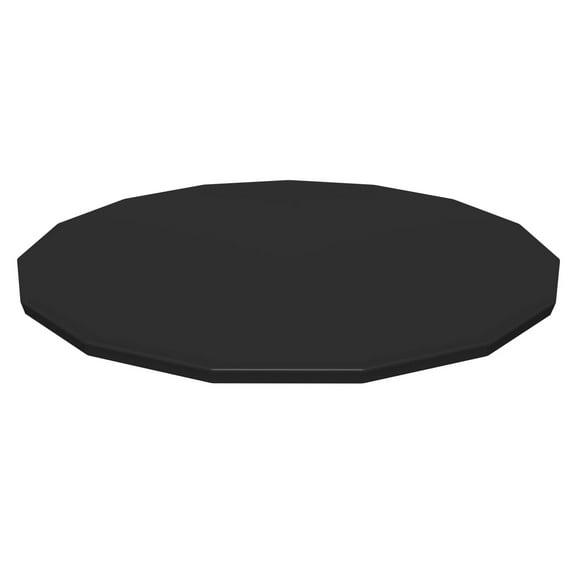
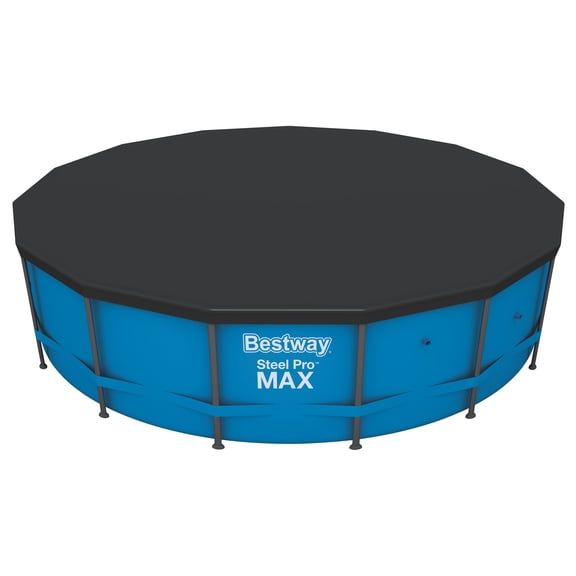
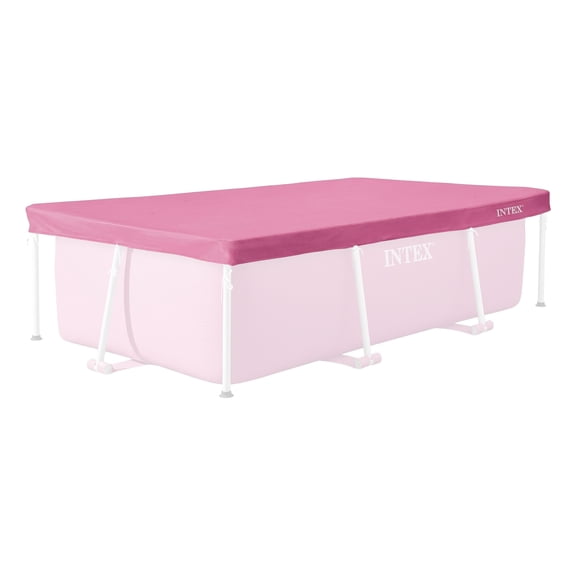
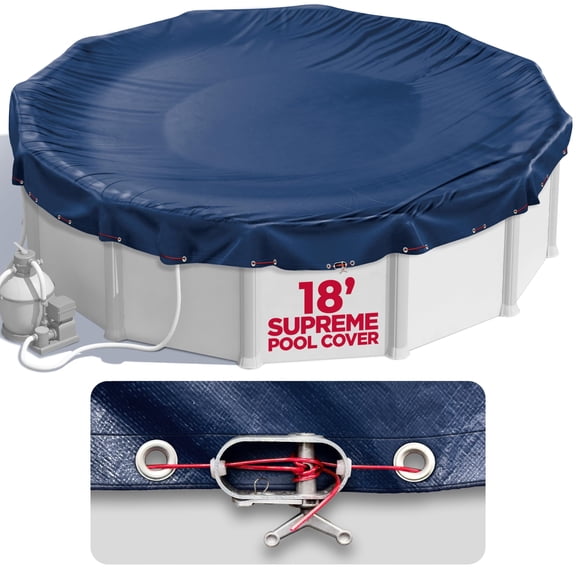
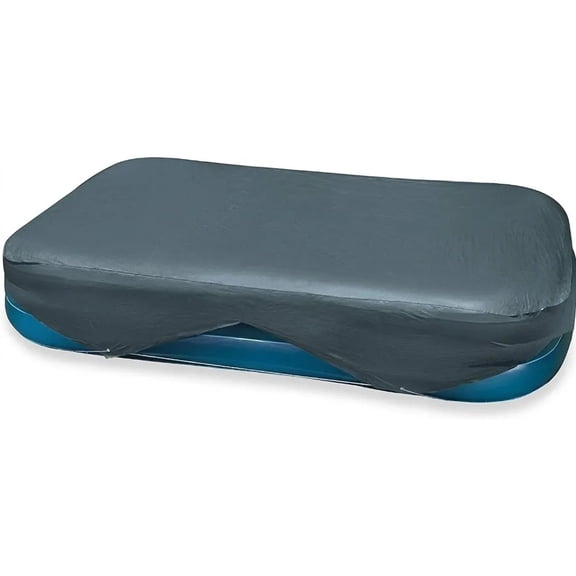
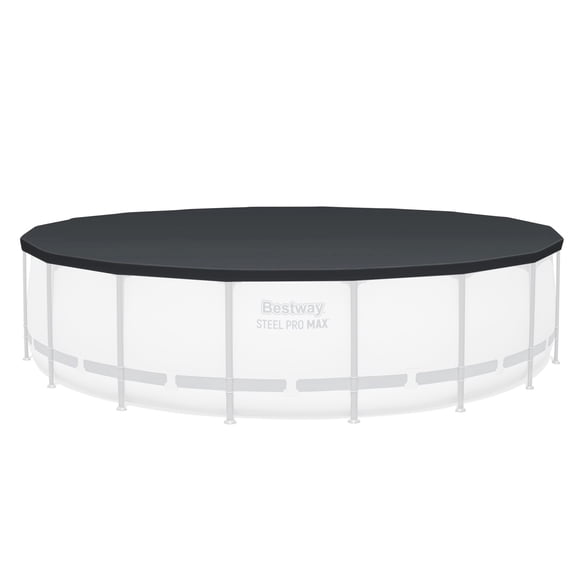
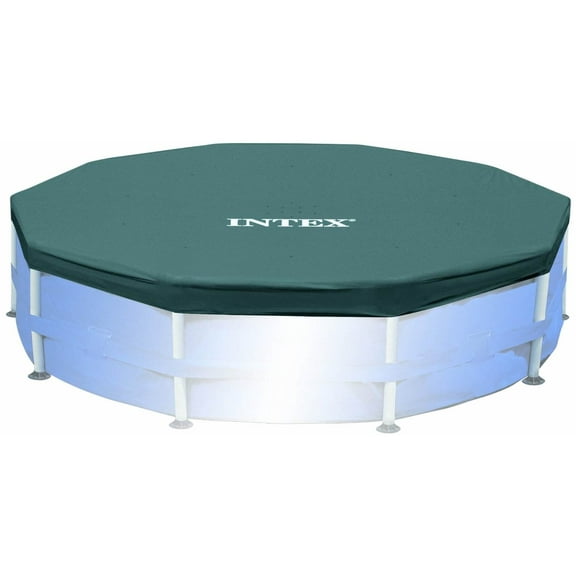
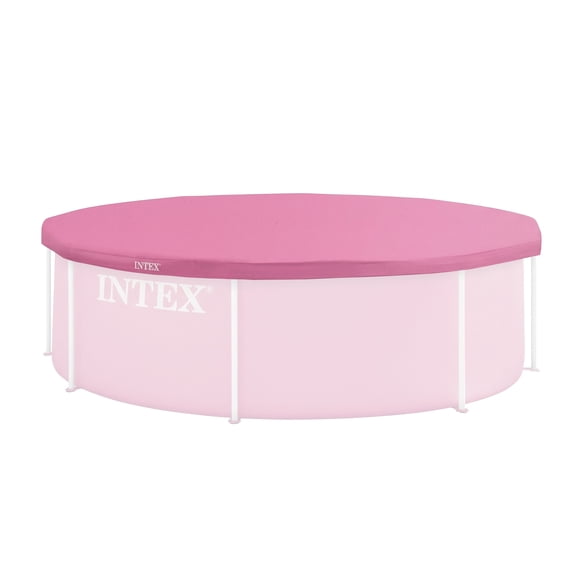
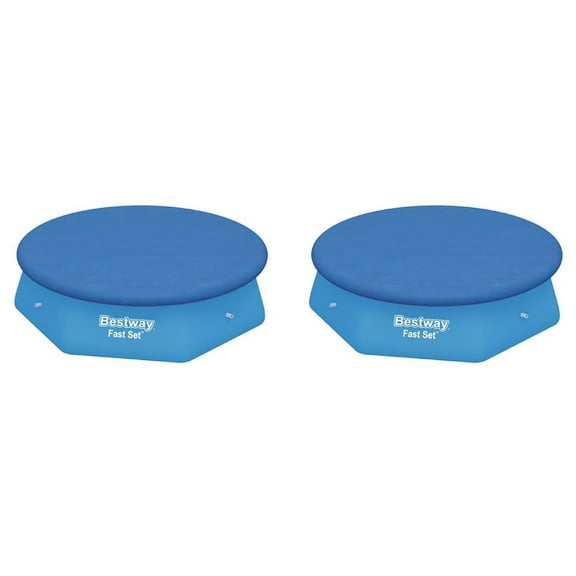
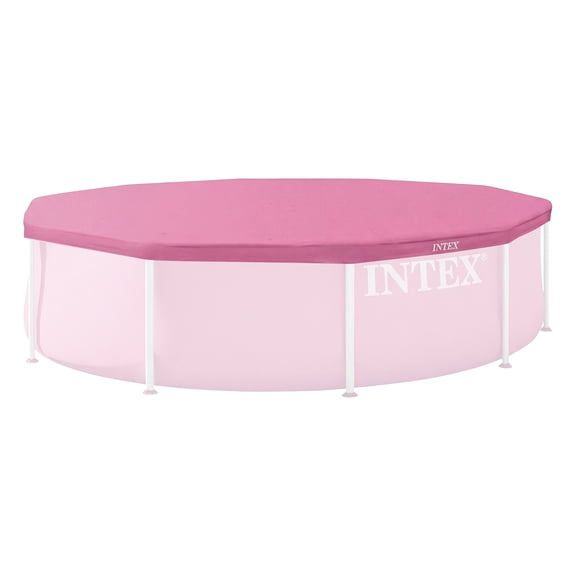
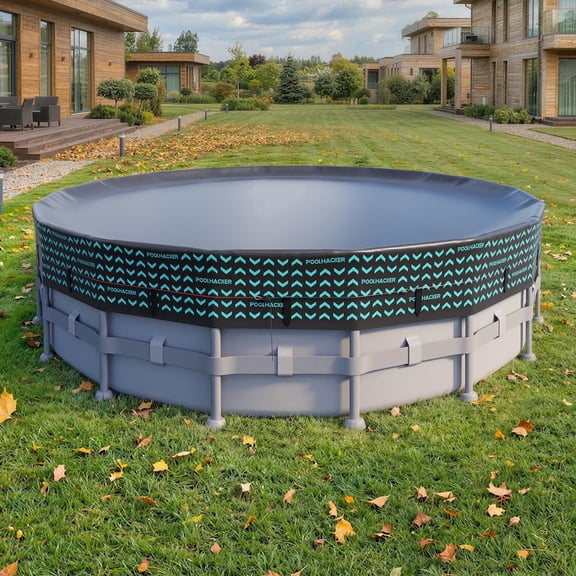
For above ground setups, you should check whether the cover is labeled for that pool wall style. You’ll want a model designed for your frame and edge shape, not a standard inground layout.
Exact sizing matters because you need the cover to extend beyond your pool edge correctly. You should measure length, width, radius, and step areas before you compare options.
How to compare mesh and solid pool safety covers
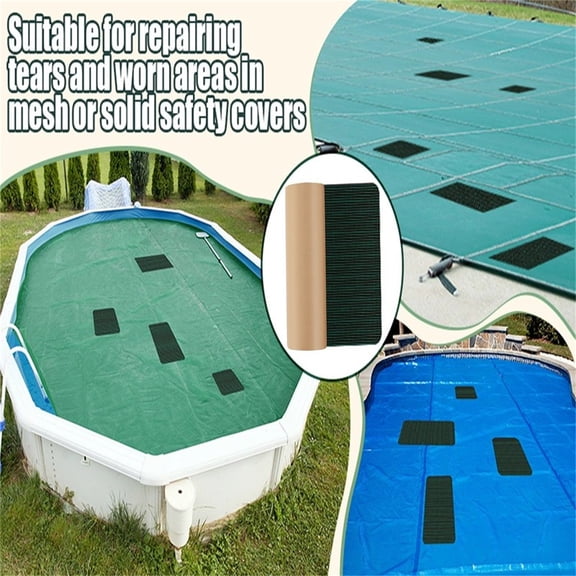
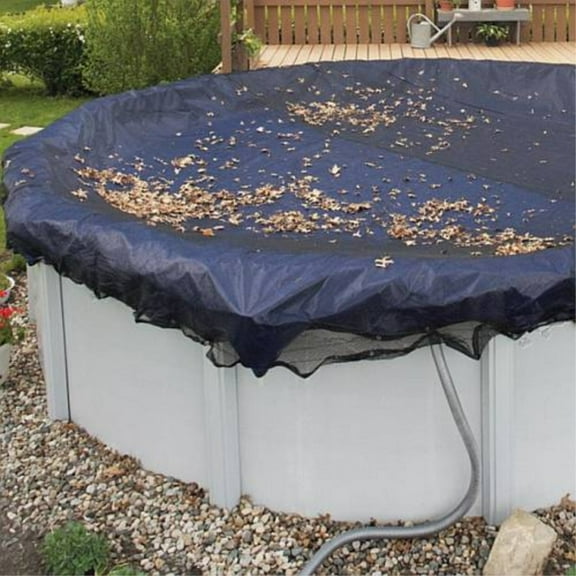
Mesh pool safety covers let water pass through while blocking leaves and larger debris. You’ll often choose mesh when you want less standing water on the surface.
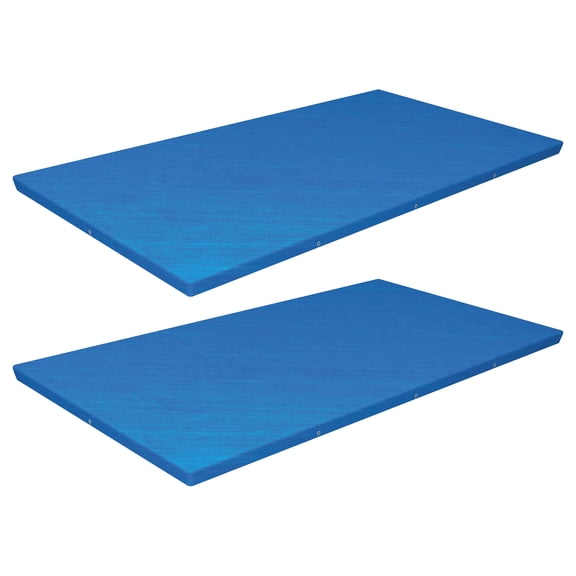
Solid pool safety covers block sunlight and keep more debris from entering your water. You should plan for a cover pump when you choose a solid style.
Material choice also affects your winter routine and spring opening experience. You’ll want to compare water permeability, light blockage, and cover weight before you decide.
- You can choose mesh when you want rain and melting snow to pass through.
- You can choose solid vinyl when you want stronger sunlight blockage over the water.
- You should compare overall cover weight if you want easier seasonal handling.
- You’ll want to review debris control if your yard has heavy leaf drop.
What to look for in inground pool safety covers
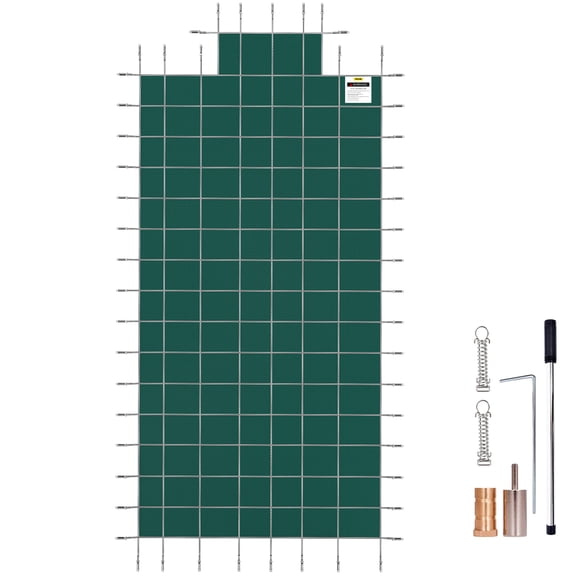
Inground pool safety covers rely on measured fit and secure tension across the water. You should look for strap spacing and spring systems that match your pool outline.
Rectangular pool safety covers are common, but you may also need round or oval options. You should match the listed shape to your pool rather than forcing a close size.
Many shoppers also check step sections, corner style, and overlap dimensions before buying. You’ll get a cleaner fit when your measurements include every curve and extension.
Checking pool safety cover anchors and hardware
Pool safety cover anchors are a major decision point because your deck surface affects installation. You should check whether your setup uses concrete hardware, wood deck hardware, or a specific anchor kit.
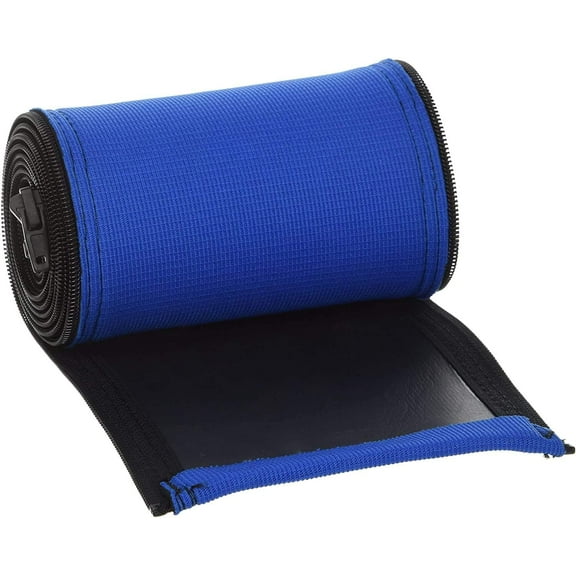
Brass anchors are common for many inground installations because they sit flush when not in use. You’ll also see springs and an installation tool that help create proper cover tension.
Hardware details matter because loose fit can affect everyday use and seasonal setup. You should compare included components so you know whether anchors, springs, or tools come with your cover.
Understanding safety standards and fit details
You should look for ASTM safety certification information when you compare pool safety covers. That rating helps you focus on covers designed to meet recognized pool cover standards.
Fit details also deserve close attention because a safety cover works through measured tension points. You’ll want to check cover dimensions, strap placement, and anchor locations before installation.
If your pool has raised features or unique decking, you should review diagrams and measurement notes. You can avoid sizing mistakes when you compare the listed fit requirements carefully.
Using winter pool safety covers in real situations
If your yard gets frequent leaves, you may prefer a solid cover for stronger debris blocking. You’ll likely appreciate the extra light control during winter closing.
If your area gets steady rain or snowmelt, you may prefer mesh for easier drainage. You can reduce surface water buildup without adding the same pumping routine.
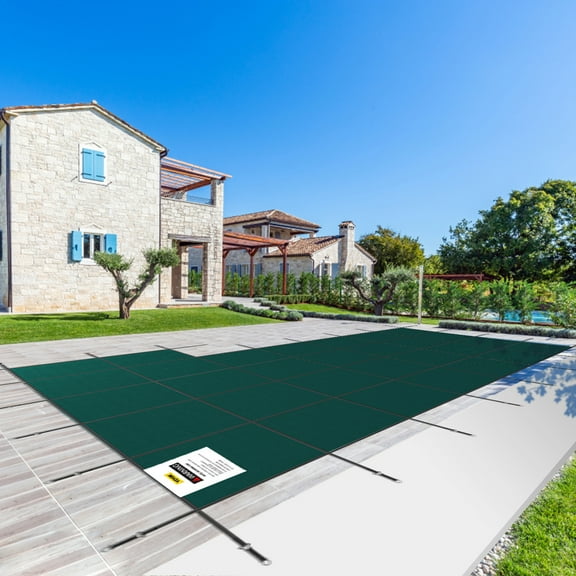
For a rectangular inground pool with concrete decking, you should compare brass anchors and spring layouts first. You’ll want those hardware details aligned with your deck and measured dimensions.
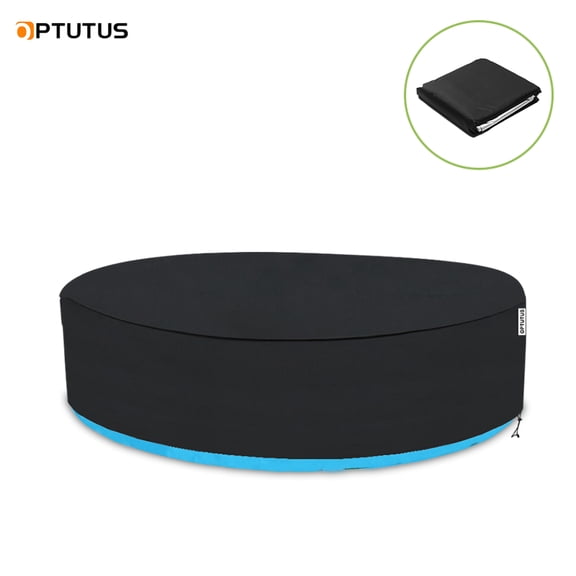
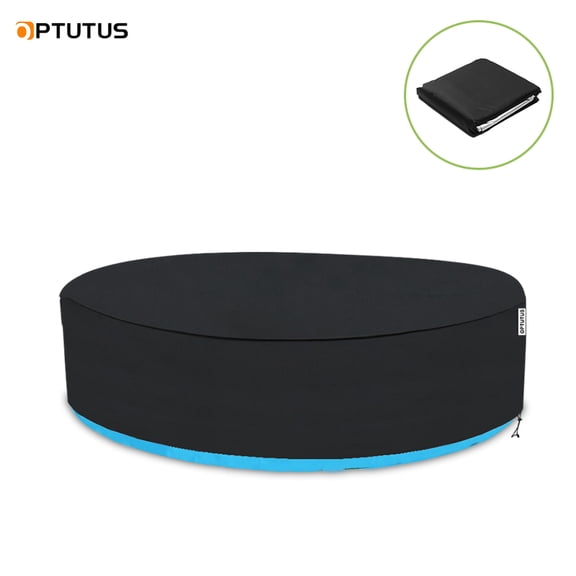
For round or oval pools, you should confirm shape-specific sizing before you order. You can get a more reliable fit when the cover follows your pool outline closely.
If you close your pool every fall, winter pool safety covers can support a more organized seasonal routine. You’ll spend less time guessing when your material, shape, and hardware already match.
When you choose pool safety covers with the right fit, material, and anchors, you make seasonal setup more straightforward. You’ll get a secure cover that matches your pool’s shape and winter needs.