

Plyo Boxes in Functional Training




















About Plyo Boxes in Functional Training
Plyo boxes help you build explosive training variety at home or in the gym. You can compare wood, foam, and steel designs to match your landing style, space, and setup needs.
If you're adding box jumps, step-ups, or elevated push-ups to your routine, you need stable equipment that fits your training goals. You can use this guide to compare materials, height options, assembly needs, and use cases before you choose.
How to choose plyo boxes by material
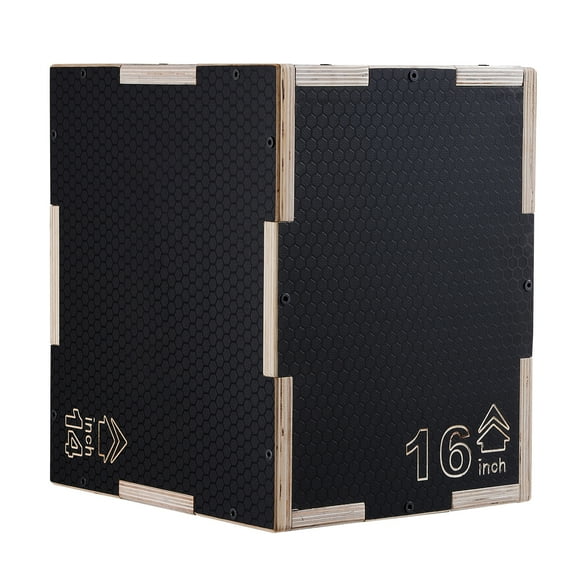
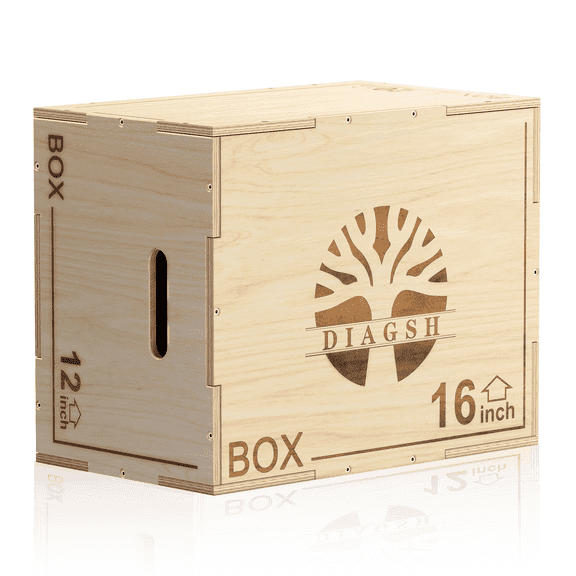
When you compare materials, you should start with how you train and how you land. You may prefer a wooden plyo box when your workouts call for a firm platform and a planted feel.
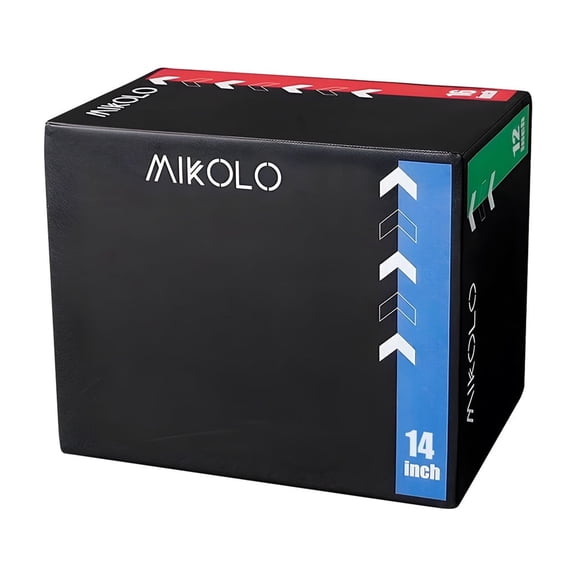
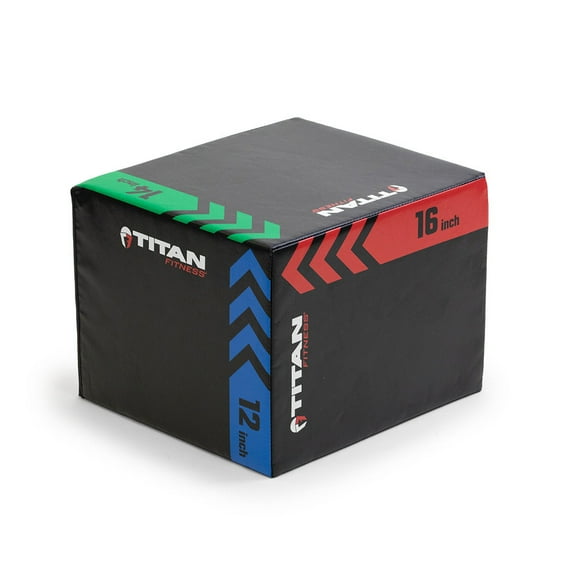
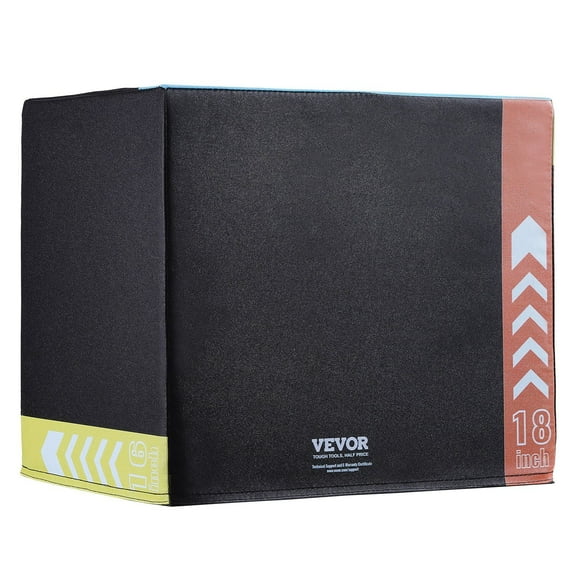
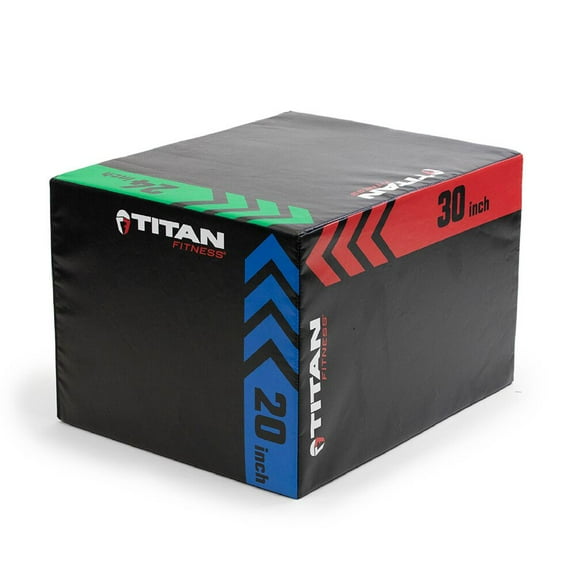
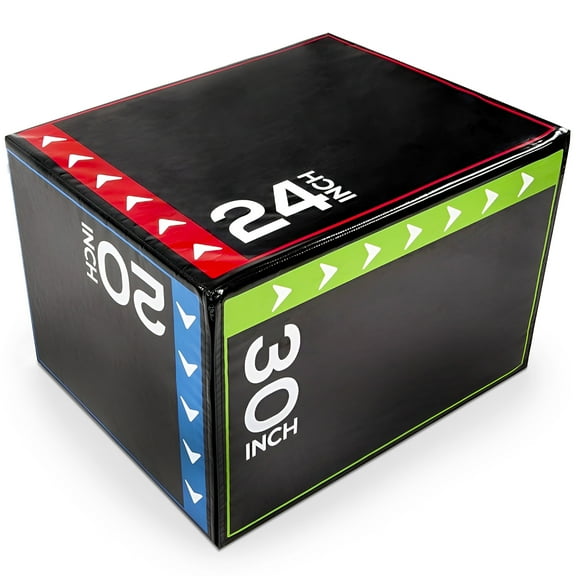
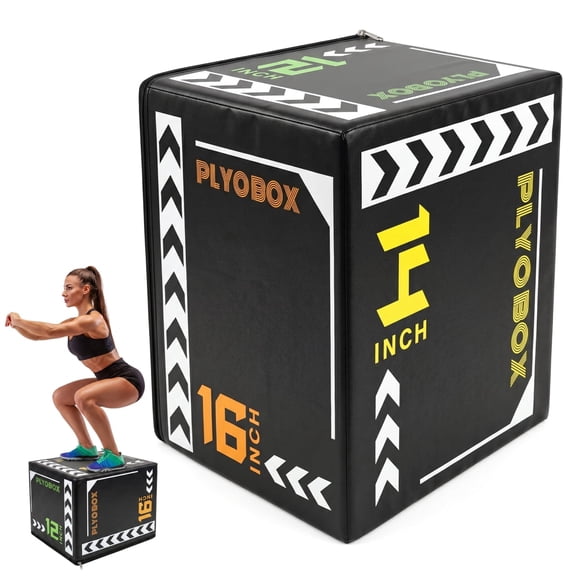
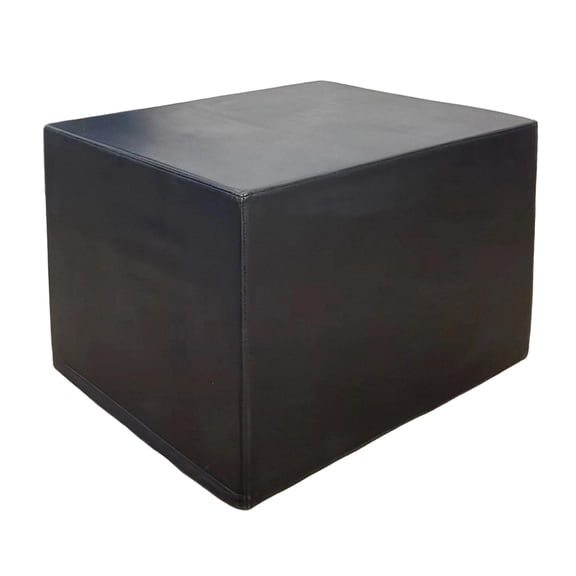
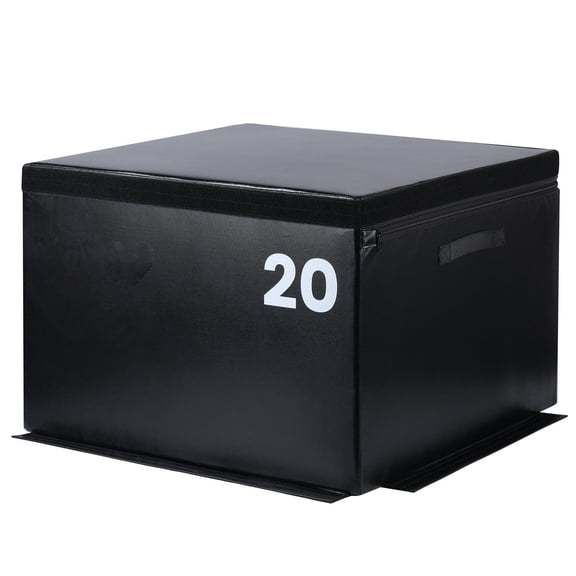
If you want a softer contact surface, you may look for a foam plyo box. You can use foam styles when you want more confidence during repeated jumps, toe taps, and fast interval circuits.
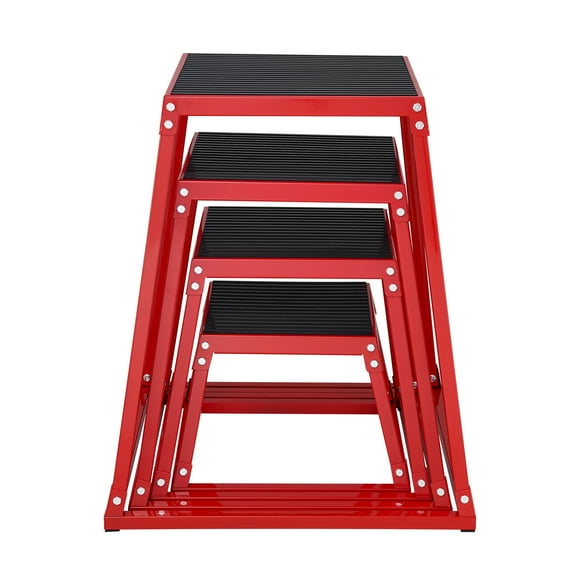
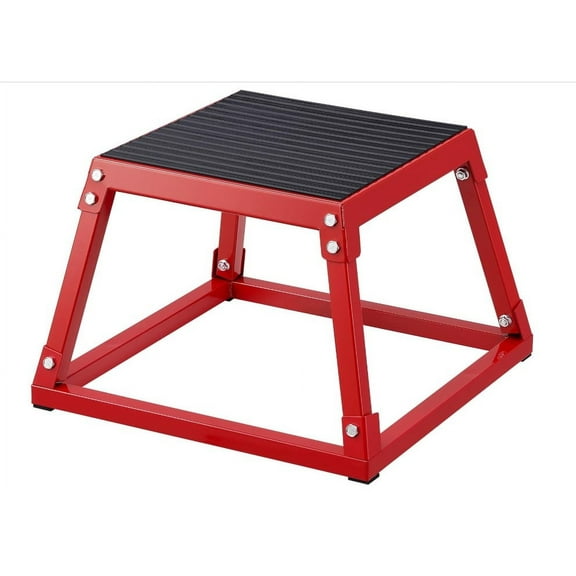
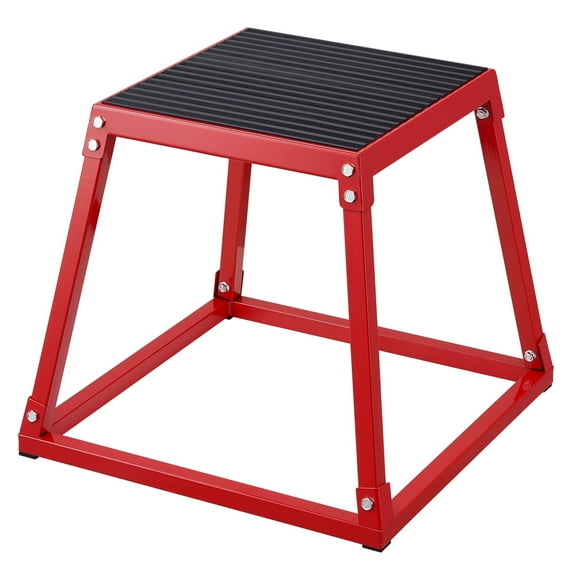
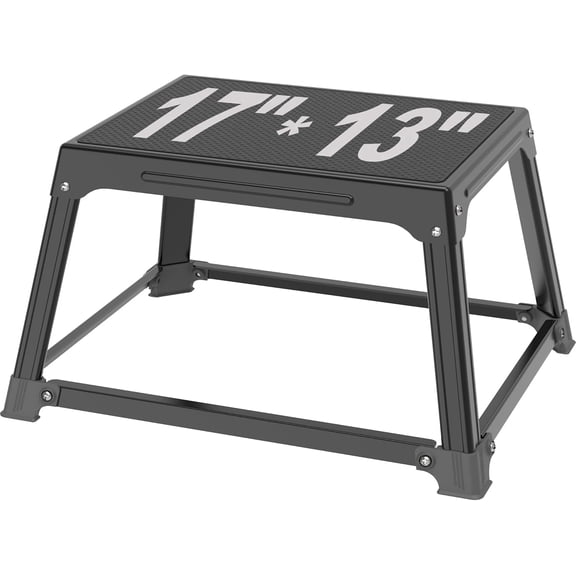
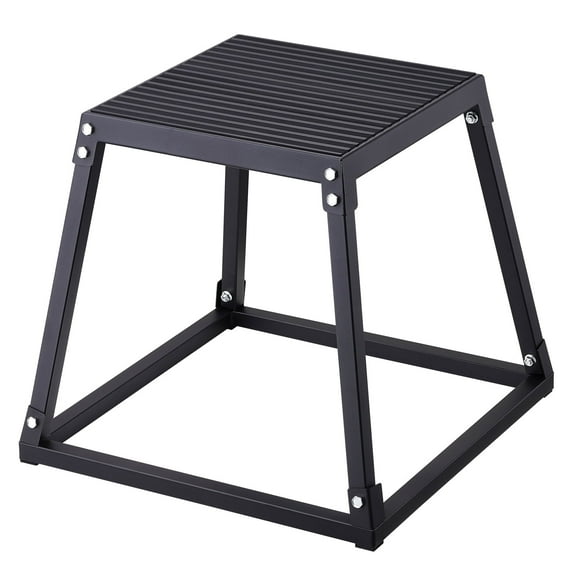
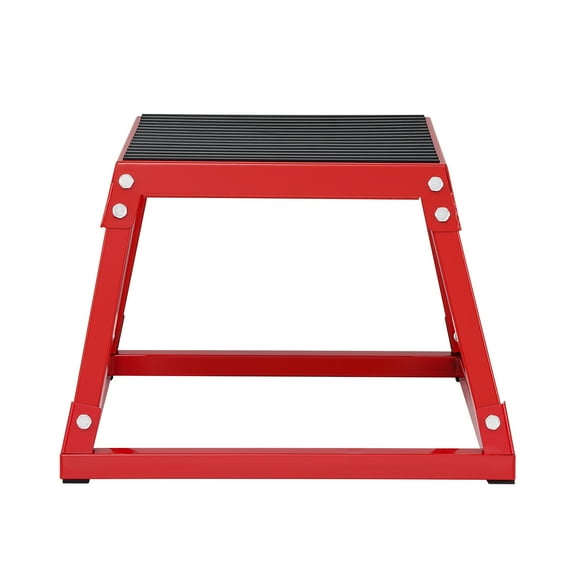
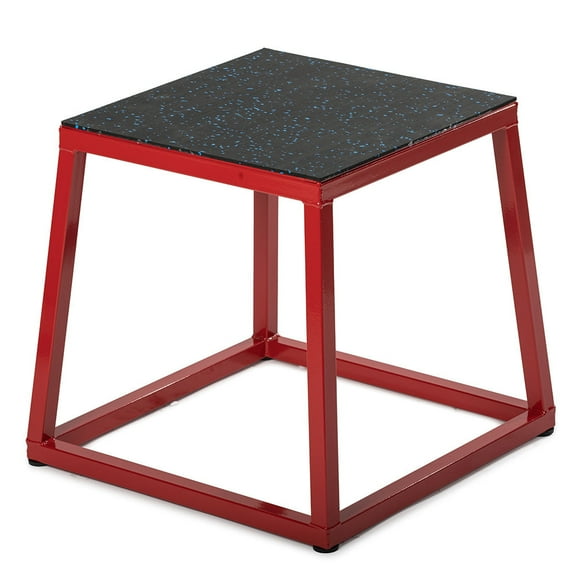
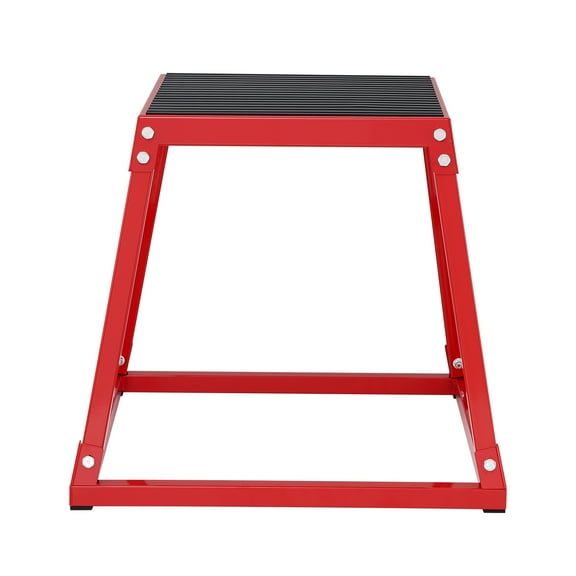
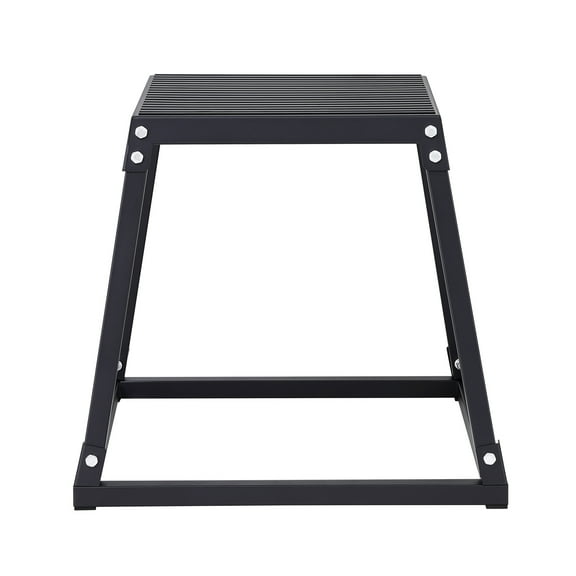
You can also compare steel designs if you want an open-frame look and a sturdy base. You should check the platform surface and foot design, because grip details affect how secure your sessions feel.
- You can use wood for a firm jump surface and a classic box shape.
- You may choose foam when you want softer edges for repeated drills.
- You can pick steel when you want an open frame and visible foot placement.
- You should compare surface grip if your training includes quick direction changes.
Choosing a wooden plyo box, foam plyo box, or steel design
You should compare stability, contact feel, and setup time before you decide. A wooden plyo box often arrives flat-packed, so you may need tools and assembly time before your first workout.
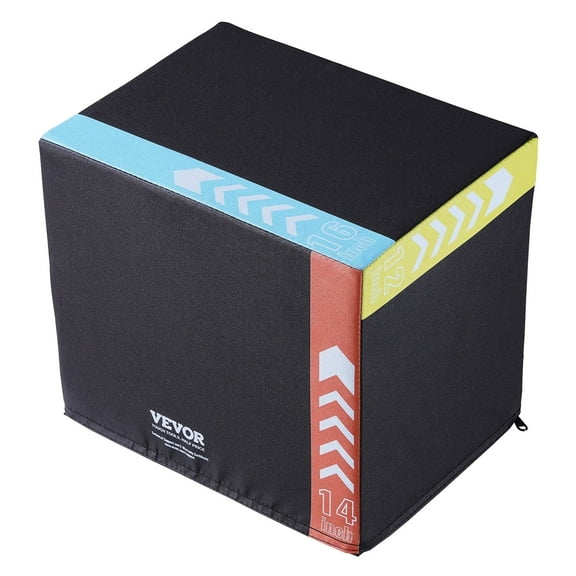
A foam plyo box often comes ready to place and use, which helps if you want a simpler setup. You may also like foam when your workouts include high reps and frequent misses during jump practice.
If you want a rigid platform for step-overs, seated box squats, and loaded movements, you may lean toward wood or steel. You should always check the weight limit rating, because it helps you match the box to your body weight and training load.
How to compare 3 in 1 plyo box and adjustable plyo box options
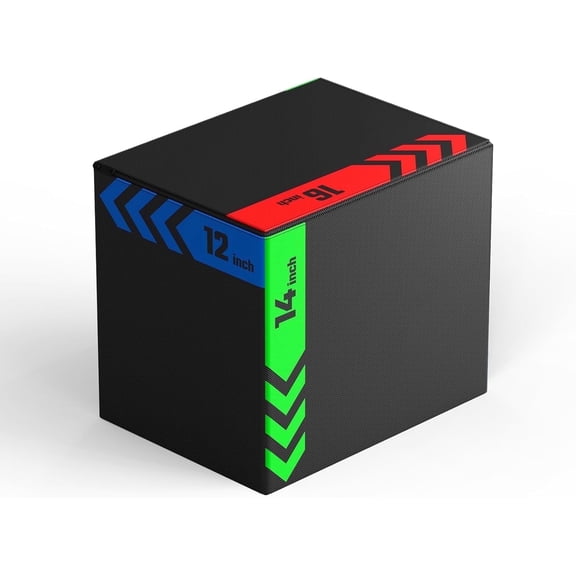
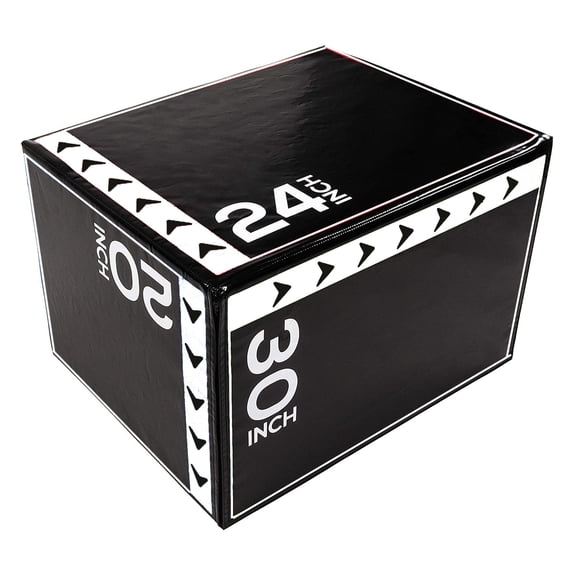
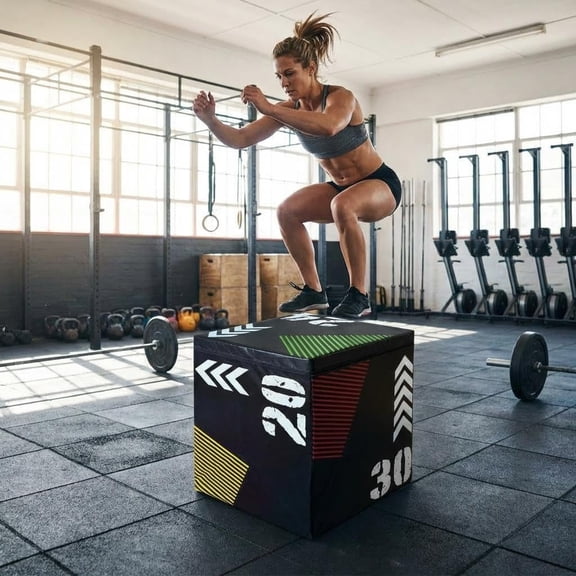
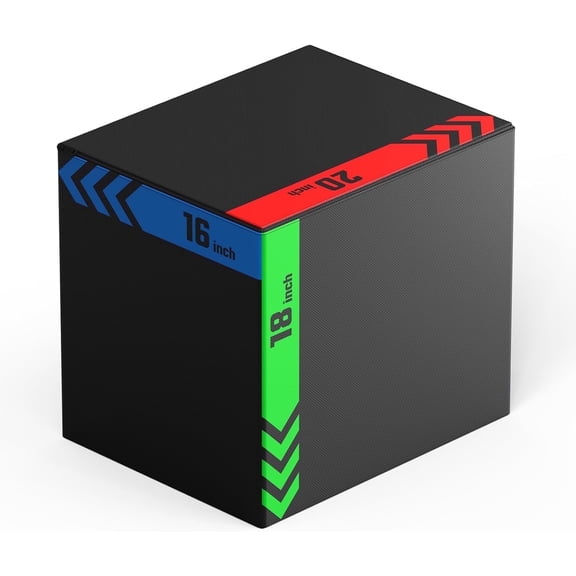
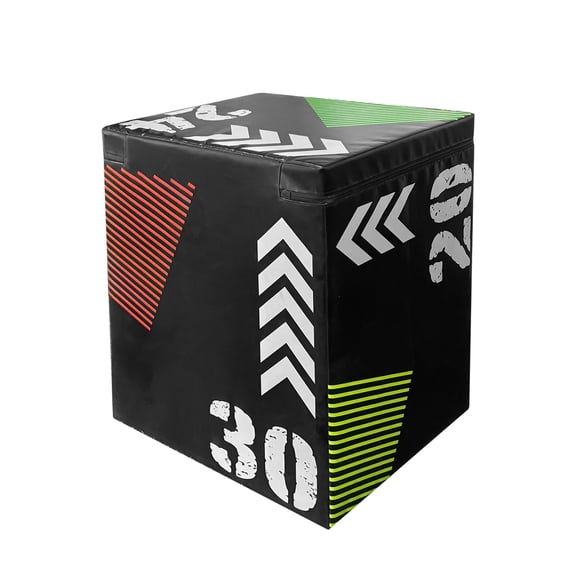
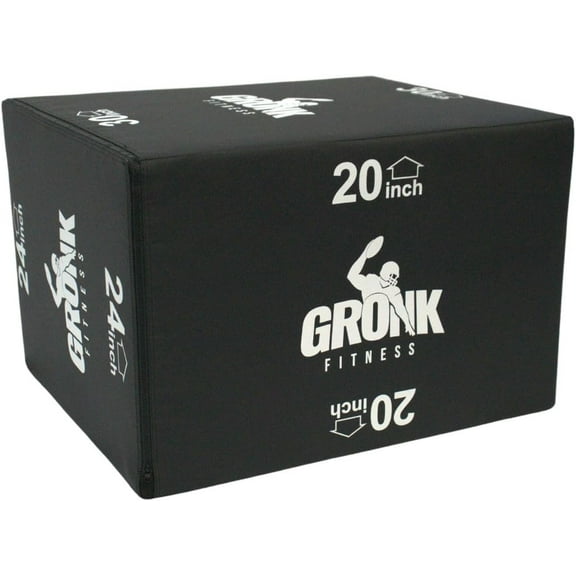
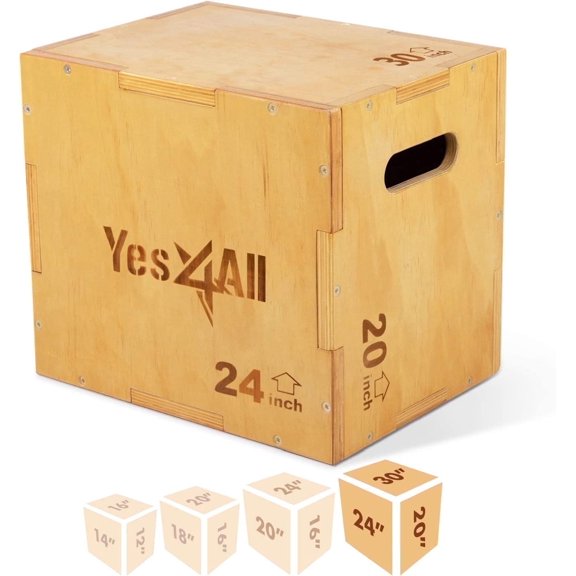
You can get more training variety when one box gives you several heights. A 3 in 1 plyo box lets you rotate the box to change the jump height without adding extra equipment.
You may see common size combinations like 20x24x30 inch, 16x20x24 inch, or 12x14x16 inch. You should measure your space and compare your current jump comfort before choosing a larger box.
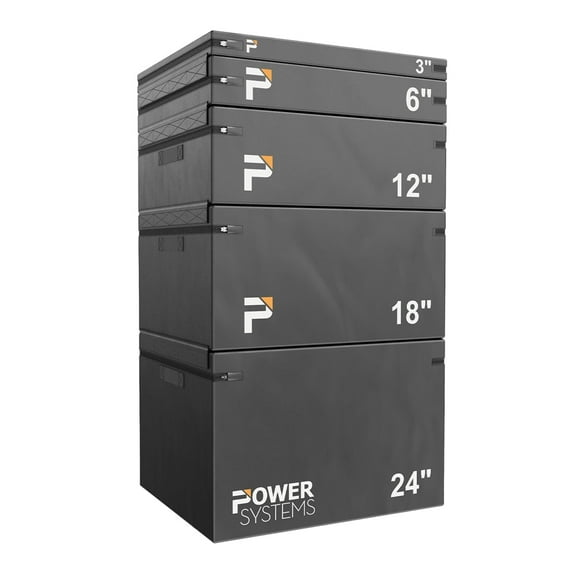
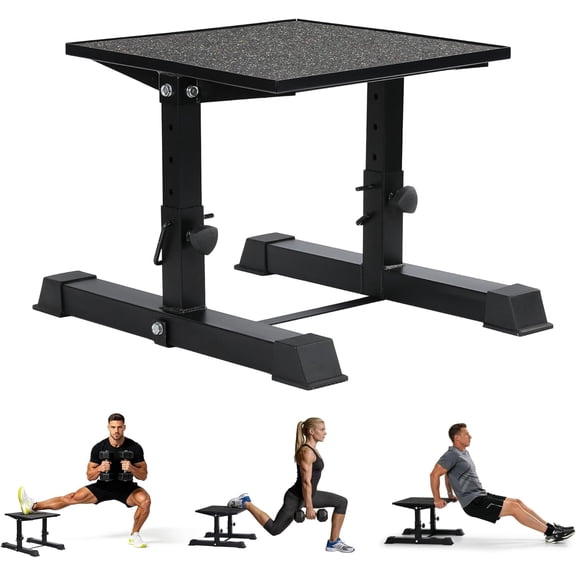
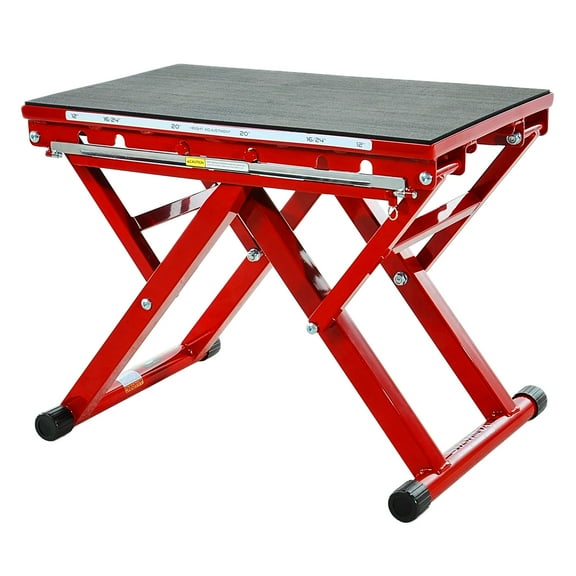
An adjustable plyo box can help you make smaller changes between sessions. You may prefer that style when you want to progress gradually instead of jumping from one fixed height to another.
If your room is tight, you should consider how many boxes you want on the floor at once. You can keep your setup simpler with a rotating design that covers several training stages in one footprint.
What to look for in height, weight limit, and assembly
You should check box height with the same care you use for dumbbell weight or kettlebell size. A lower platform may suit fast step-ups and beginner jumps, while taller options fit more advanced explosive work.
Your weight limit rating matters because you need the box to support both your body weight and any added load. You should compare that number carefully if your routine includes weighted vests, dumbbells, or barbell-assisted movements.
Assembly can shape your experience before the first rep even starts. If you want a fast setup, you may prefer foam styles, while flat-pack wood boxes usually need tools and a few setup steps.
You should also compare handle cutouts, corner design, and surface texture. Those details help you move the box, rotate it, and reset between drills with less interruption.
How you can use plyo boxes for training at home or in CrossFit
You can use a plyometric box for much more than box jumps alone. Your workouts can include step-ups, incline push-ups, split squats, seated squats, lateral hops, and elevated mountain climbers.
If you're building a home gym, you may want one box that supports cardio intervals and strength accessories. A 3 in 1 plyo box works well when you need several heights but don't want multiple platforms taking up floor space.
If your routine includes fast circuits, you may look for a crossfit plyo box with dependable grip and easy resets. You can move from jumps to step-overs to hand-release push-up variations without changing stations.
For vertical jump training, you should compare height progression with your current ability and room clearance. You can start with lower settings for repeat practice, then rotate or adjust the box as your confidence grows.
You may also use these boxes as support tools during mobility and strength sessions. Your box can hold one foot for split-stance work or raise your hands for modified bodyweight moves.
Why the right plyo boxes support smarter training
You can train with more purpose when your box matches your material preference, height needs, and setup style. The right choice helps you keep your workouts varied, organized, and ready for your next session.