


Weight Lifting Straps in Weight Lifting Accessories
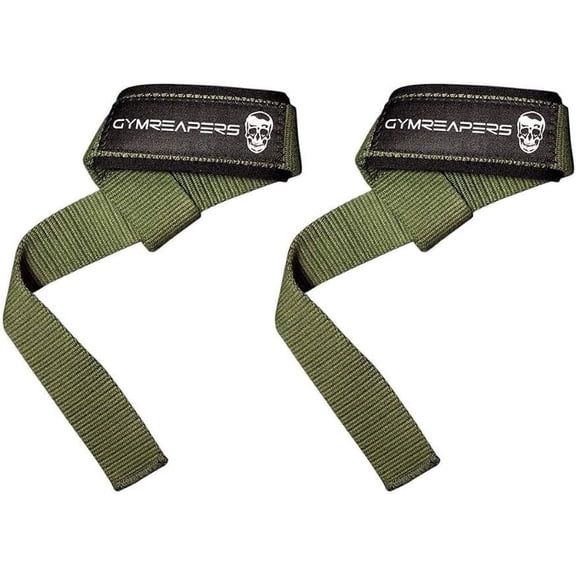
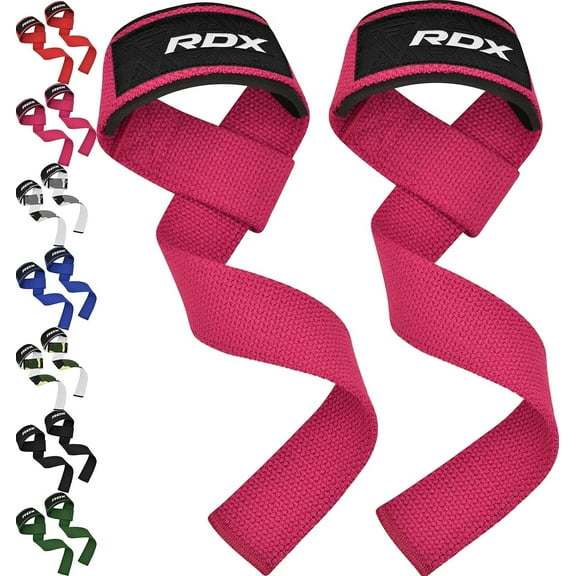


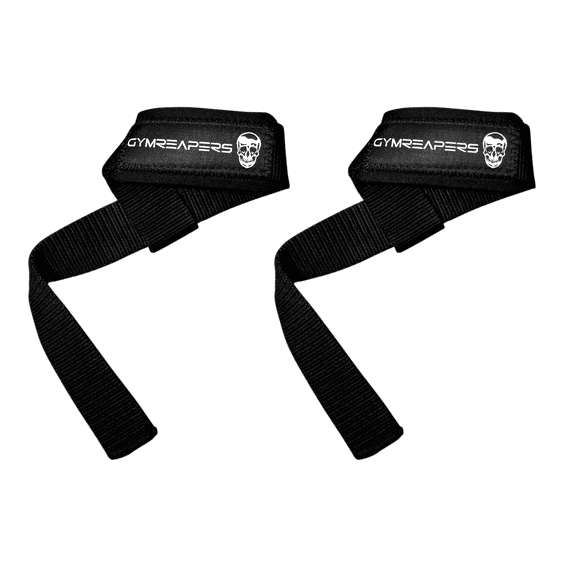





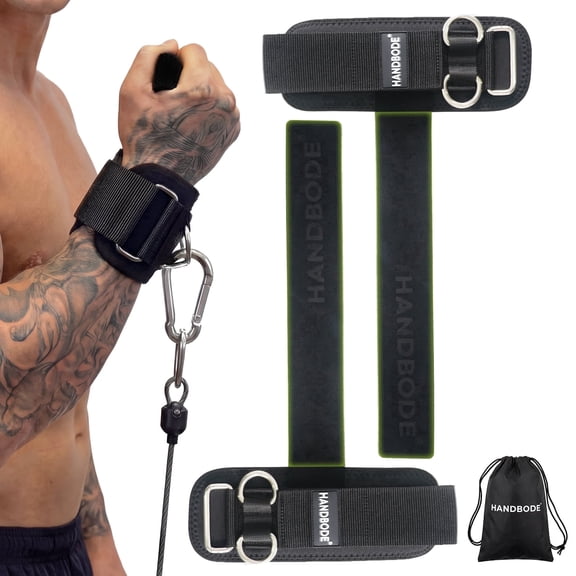
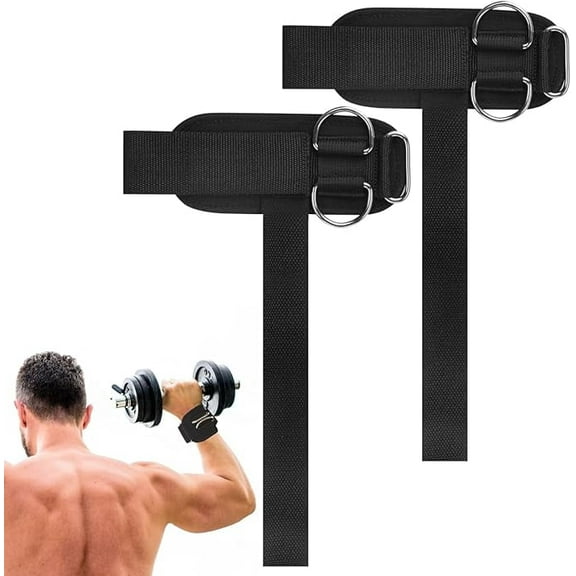




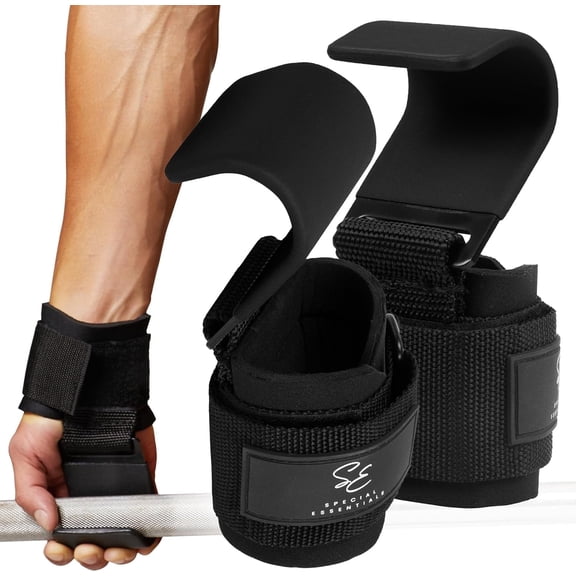








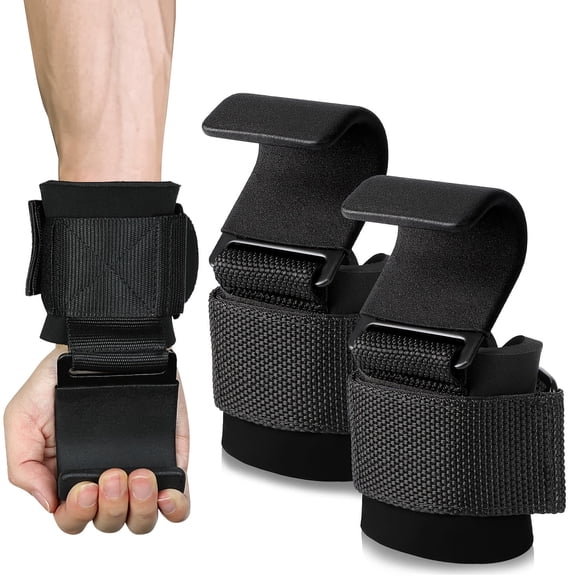
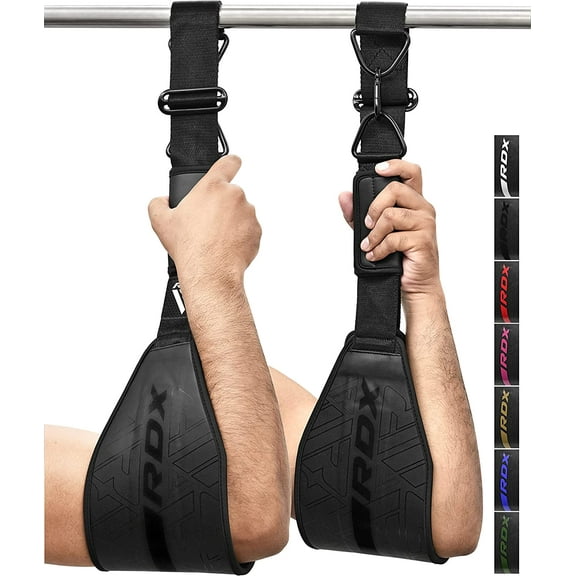


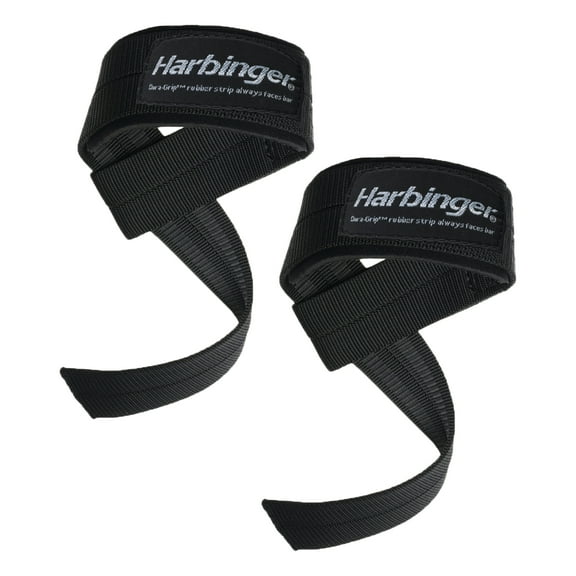


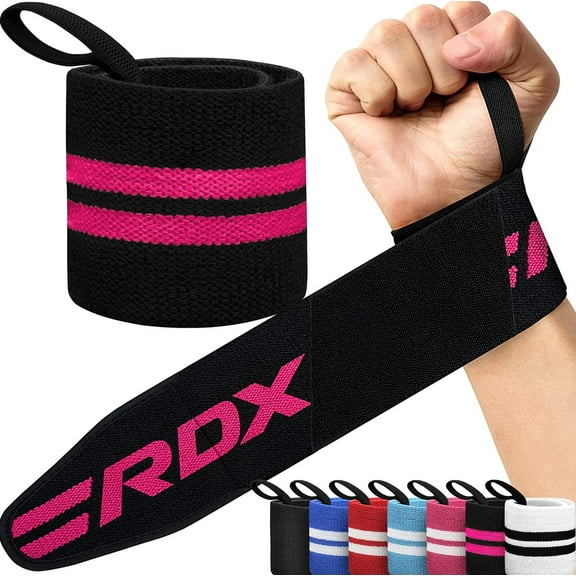







About Weight Lifting Straps in Weight Lifting Accessories - Walmart.com
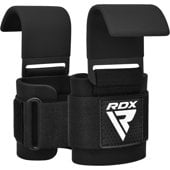
Weight lifting straps help you hold heavier sets when your grip starts fading mid-lift. At Walmart, you’ll find lifting straps in lasso and figure-eight styles for bars, dumbbells, and pull-up rigs.
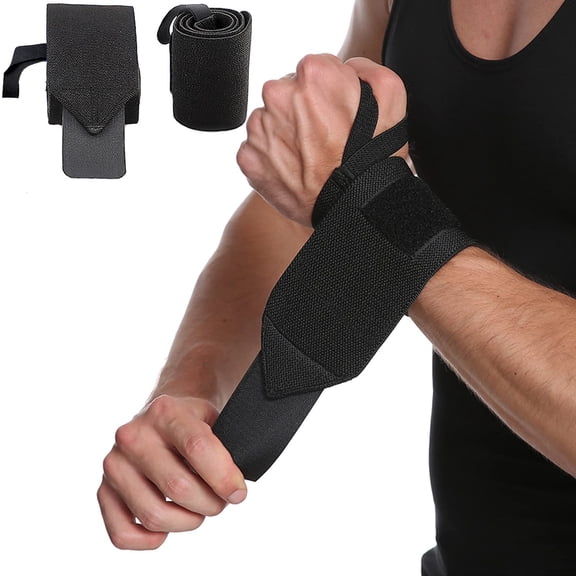
These straps wrap the wrist and bar together, so your hands stay locked in. They’re useful when chalk isn’t enough, or when fatigue hits during high-volume training.
Why weight lifting straps matter for heavy sets
When your grip gives out first, back and leg work can end early. Weightlifting straps shift more demand from your fingers to your larger pulling muscles.
That means you can finish deadlift sets with steadier bar control. You’ll also keep reps consistent on rows, shrugs, and heavy carries.
Wrist straps also reduce the need to over-squeeze the bar for every rep. That can make long workouts feel smoother, especially during higher-rep accessory work.
- Extend pulling sets when grip fatigue hits before your back does.
- Improve bar security on deadlifts, rack pulls, and heavy shrugs.
- Keep your hands fresher for later work like pull-ups and rows.
- Support consistent tempo on high-rep sets and drop sets.
- Help maintain grip on thicker bars and axle-style attachments.
Key benefits you’ll notice in training
Lifting straps can help you focus on technique when the bar gets heavy. You’ll spend less effort re-gripping between reps and more effort bracing correctly.
On pull days, gym straps help you prioritize lats and upper back work. They’re also useful for lifters rebuilding grip after calluses or skin tears.
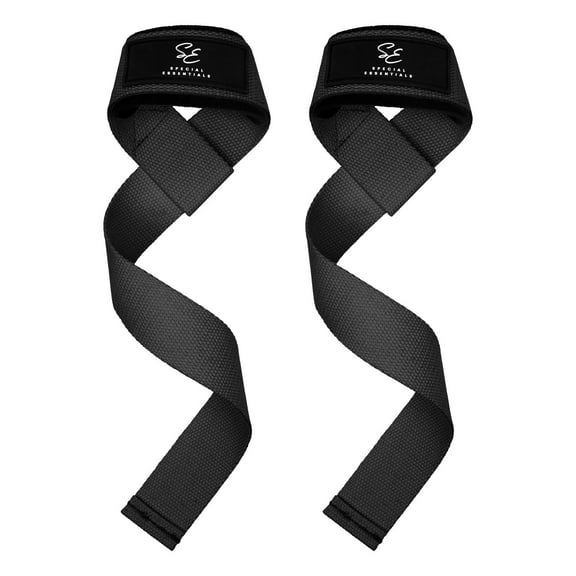
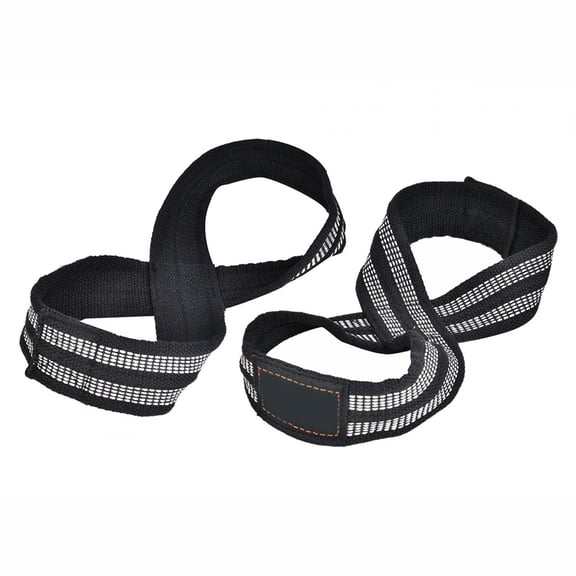
Figure-eight straps can feel especially locked-in for heavy deadlifts. Lasso straps offer quicker adjustments for mixed movements and varied handle sizes.
Features to compare before you choose
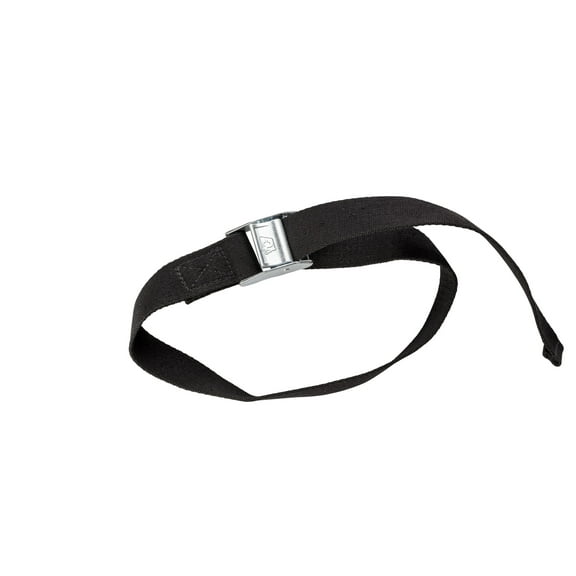
Start with strap style, since it changes feel and setup speed. Lasso straps wrap and cinch, while figure-eight loops create a tight bar connection.
Material matters for comfort and durability over time. Cotton straps feel soft and flexible, while nylon straps feel firmer and resist stretching.
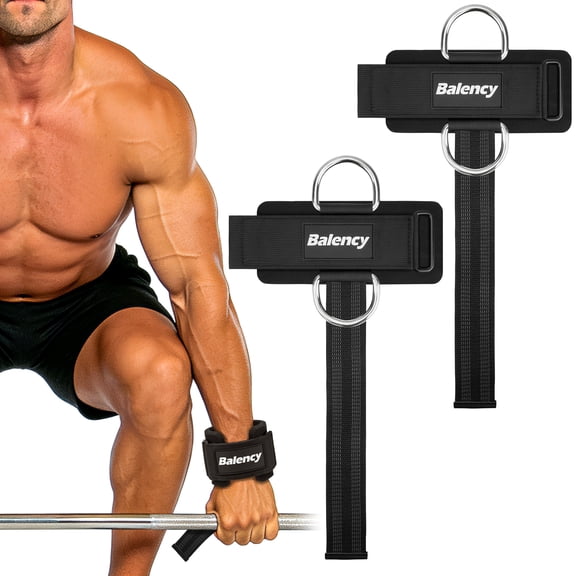
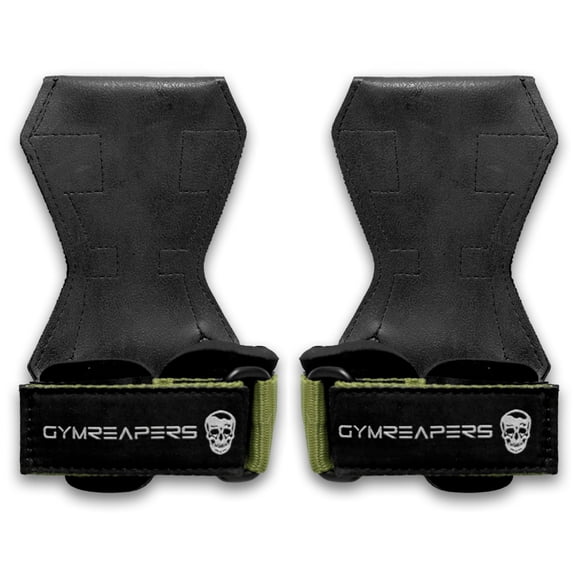
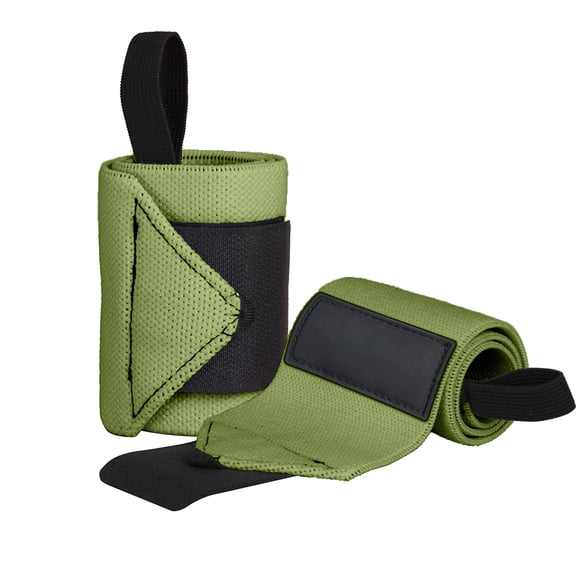
Leather straps offer a structured feel and a broken-in grip over time. Some workout straps add a wrist pad to reduce pressure during heavy holds.
Check length and width, since they affect wrap security and leverage. Longer straps give more wraps on the bar, while wider straps spread pressure on your wrist.
Stitching and edge finish also affect how straps hold up. Reinforced seams and clean edges can reduce fraying from knurling and repeated wraps.
How to pick the right straps for your lifting style
For powerlifting-style deadlifts, many lifters prefer figure-eight straps for a secure loop. They can feel stable when you’re pulling singles or heavy triples.
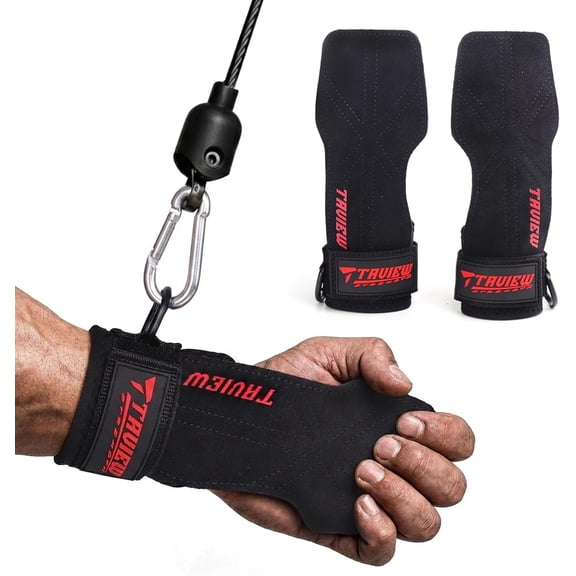
For bodybuilding sessions, lasso wrist straps work well across many exercises. They’re quick for rows, pulldowns, and machine pulls with different handle sizes.
If you train Olympic lifts, straps are often used for pulls and complexes. Look for a quicker wrap and a material that won’t feel bulky in your hook grip.
For CrossFit-style workouts, fast transitions can matter. Choose gym straps that release quickly and don’t require extra wraps to feel secure.
Common use cases for gym straps
Deadlifts are the classic use case, especially for volume blocks and accessory pulls. Straps can help you keep the bar path tight when fatigue builds.
They’re also popular for dumbbell rows, heavy shrugs, and barbell rows. Workout straps can reduce grip distraction when you’re driving elbows back and staying braced.
Pull-ups and lat pulldowns can benefit when your forearms burn early. Wrist straps can help you finish sets without turning every rep into a grip test.
Farmers carries and timed holds are another fit, especially with thicker handles. Weight straps can help you keep posture and breathing steady through the full distance.
Get a secure grip without changing your program
Weight lifting straps are a simple add-on that supports heavy pulling, higher volume, and steadier bar control. Choose the style and material that matches your training, and finish hard sets with fewer re-grips.