



Foot Scrubs in Foot Care























About Foot Scrubs in Foot Care - Walmart.com
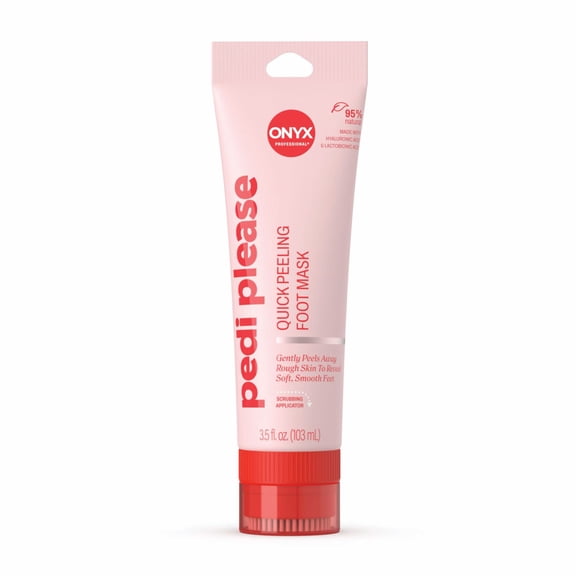
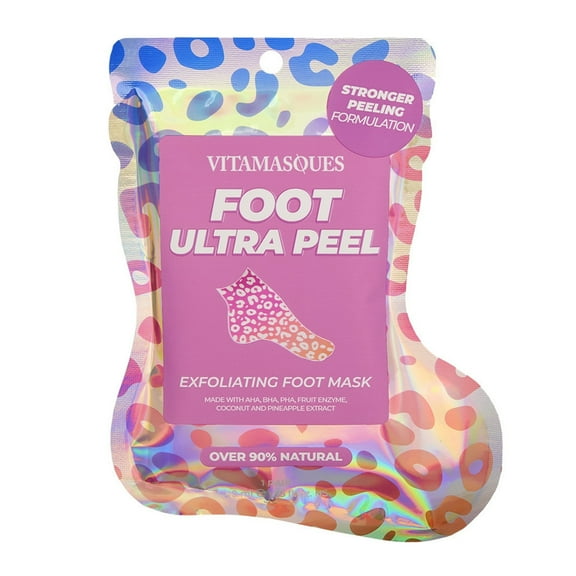
Foot scrubs help you smooth rough heels and refresh tired feet with targeted exfoliation choices for texture, ingredients, and skin concerns. You can compare salt, sugar, cream, and gel formulas to match your routine and comfort level.
If you want a practical foot care upgrade, you can use this guide to narrow the right scrub type fast. You'll also learn how ingredient choices and exfoliation strength shape the feel and finish you get.
How to choose foot scrubs for your routine
When you compare foot scrubs, you should start with exfoliation strength and your skin sensitivity. You may prefer gentler sugar textures for frequent use, while coarser pumice or salt blends suit thicker buildup.
Your ideal texture also depends on where you feel roughness. If your heels feel thick and uneven, you may want a foot scrub exfoliator with additional grit.
You should also check how the formula rinses away after use. If you want less mess in the shower or tub, you may prefer a cream or gel base.
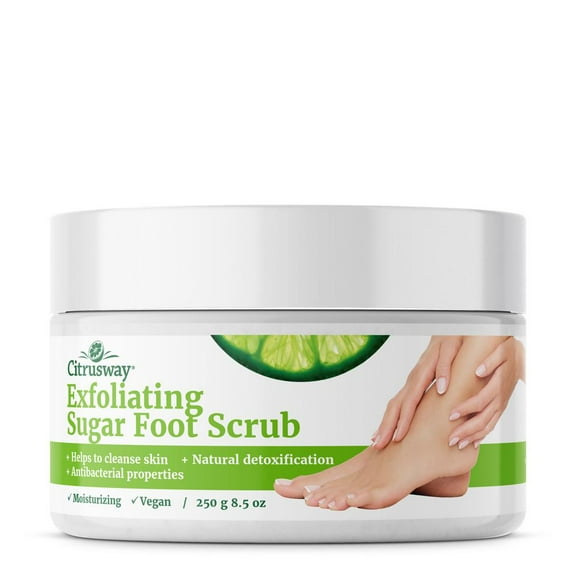
- You can use sugar scrubs when you want gentler polishing on sensitive areas.
- You can choose salt or pumice textures when your heels need stronger exfoliation.
- You can pick cream or gel formulas when you want easier spreading and quicker rinsing.
- You can look for tea tree or peppermint options when scent and feel matter in your routine.
Choosing the right foot scrub exfoliator by ingredient
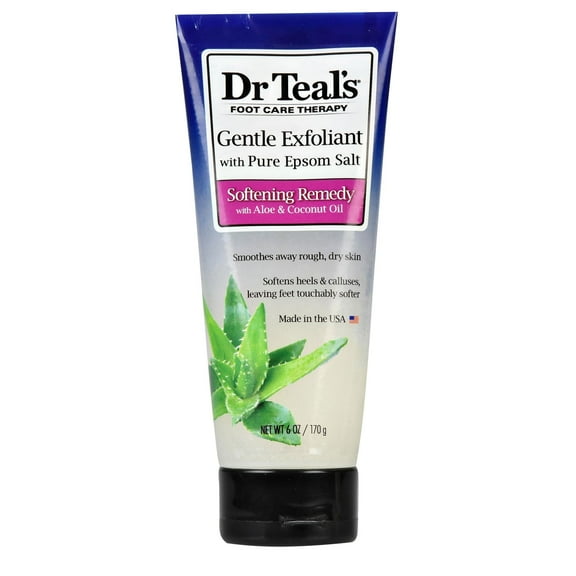
Your ingredient choice can change how a scrub feels during use. You should compare tea tree oil, peppermint, pumice, and epsom salt based on texture and finish.
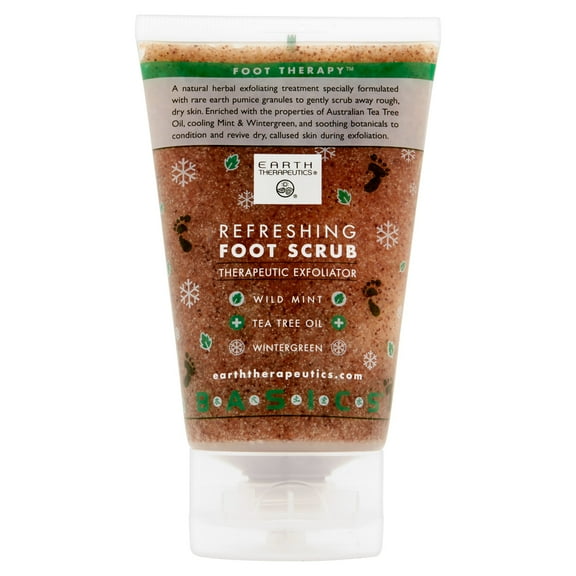
If you want a fresher feel, you may like a peppermint foot scrub. You'll often notice a cooling sensation that fits well after long days in closed shoes.
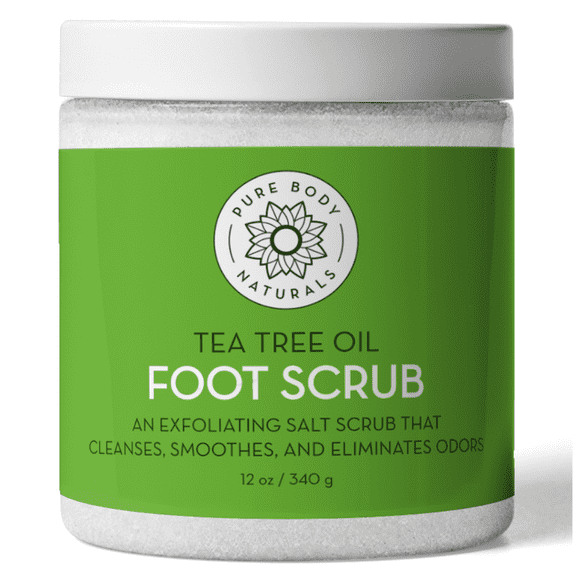
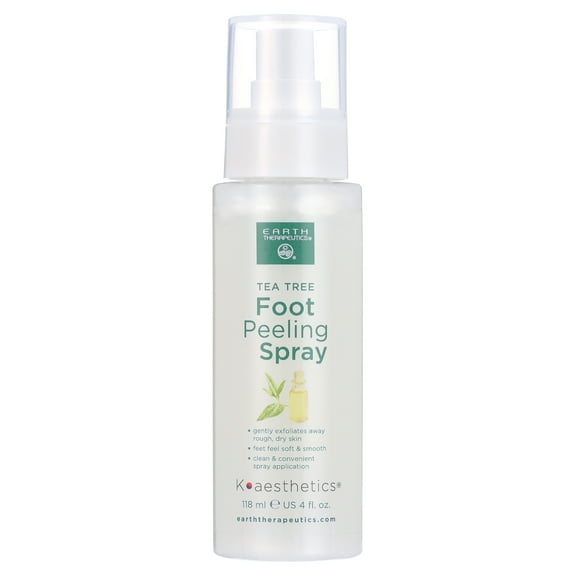
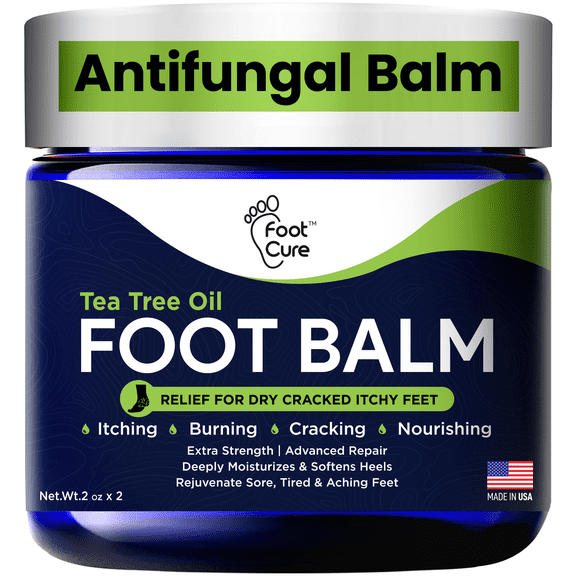
If you want a cleaner-feeling finish, you may consider a tea tree foot scrub. You'll often see that option in formulas made for regular foot care routines.
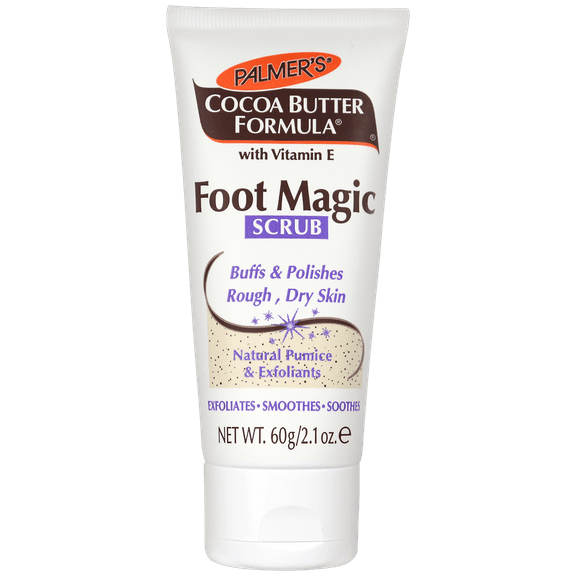
You can also compare mineral and physical exfoliants. If you need stronger buffing, pumice and foot salt scrub textures usually feel highly abrasive compared to softer sugar blends.
Your comfort level matters as much as the ingredient list. If your skin feels delicate, you should start with finer grains and shorter scrub sessions.
What to look for in an exfoliating foot scrub
An exfoliating foot scrub should match both your skin concern and your preferred feel. You can compare moisturizing bases, grain size, and rinseability before you choose.
If your heels look flaky, you may want richer cream formulas that leave your skin feeling softer after rinsing. If you dislike residue, you should check for lighter gel textures.
You can also compare grain size for control. Finer particles usually feel smoother across the foot, while larger particles can give you stronger polishing on callused spots.
Your routine may fit well with a formula that spreads easily on damp skin. You'll likely appreciate a scrub that rinses clean without leaving the tub feeling slick.
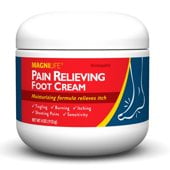
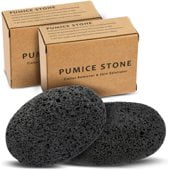
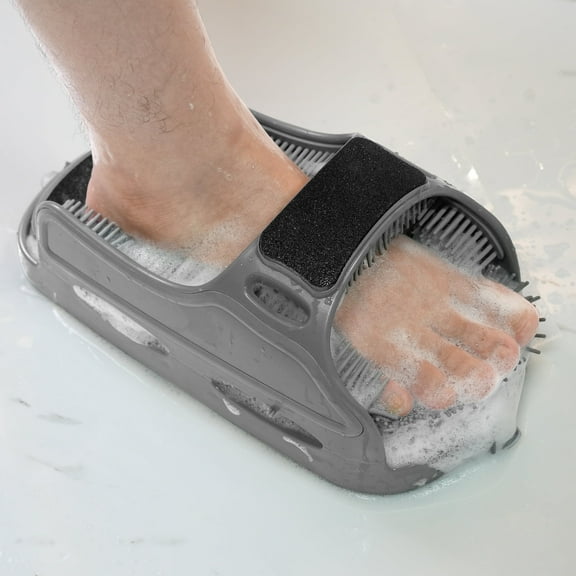
If you want to pair steps in one session, you can follow scrubbing with foot creams and lotions. You can also add pumice stones and nail care tools for a complete finish.
Picking a foot scrub for dry cracked feet
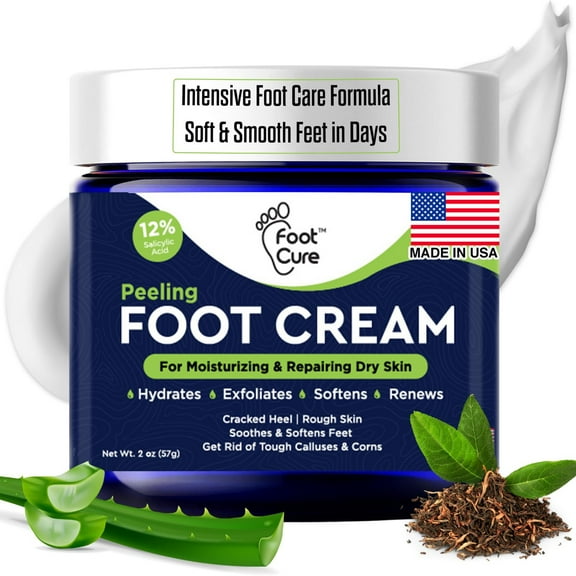
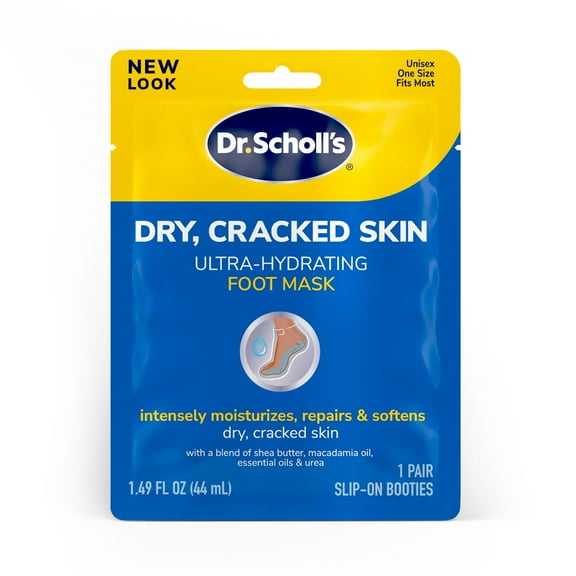
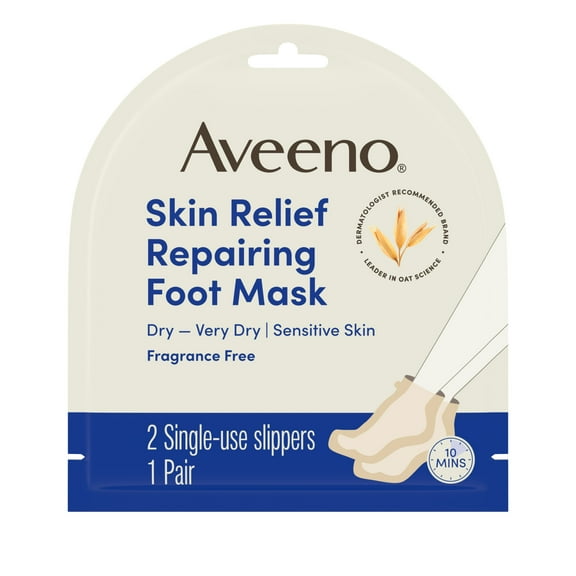
If you're choosing a foot scrub for dry cracked feet, you should focus on texture, moisture level, and how often you'll use it. You may want gentler exfoliation if rough areas also feel sensitive.
Cream-based scrubs can make sense when you want buffing and softness in one step. You'll often find they feel less scratchy than coarse salt or pumice blends.
If your heels have heavier buildup, you may prefer a stronger foot scrub exfoliator once or twice weekly. You should balance that choice with a smoother formula for maintenance days.
Your use pattern matters here. If you scrub often, you may want a mild exfoliating foot scrub that keeps your routine consistent and comfortable.
You can also think about where you use it. If you want a tidy shower step, you should look for formulas that spread quickly and rinse off without a greasy film.
Matching form and texture to real use cases
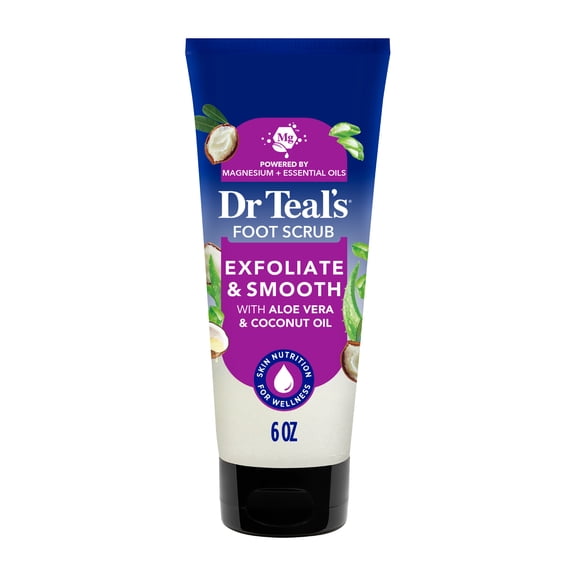
You may want different foot scrubs for different moments in your week. A sugar scrub can fit lighter upkeep, while a foot salt scrub can target rough heel texture.
If you stand for long hours, you may enjoy peppermint options after work. If you want a focused heel treatment, you may lean toward pumice textures on thicker areas.
You can choose tea tree blends when you want a fresh-feeling finish in warm weather or after workouts. You can choose cream scrubs when your feet need a softer after-feel during colder months.
If you're building a simple self-care routine, you should compare spreadability and rinseability first. You'll get a highly convenient experience when the scrub fits your space and timing.
Your final choice should reflect your skin concern, preferred texture, and ingredient preference. With the right match, you can keep rough patches smoother and your feet feeling freshly polished.