






8x10 Floating Frames & Floating Glass Picture Frames







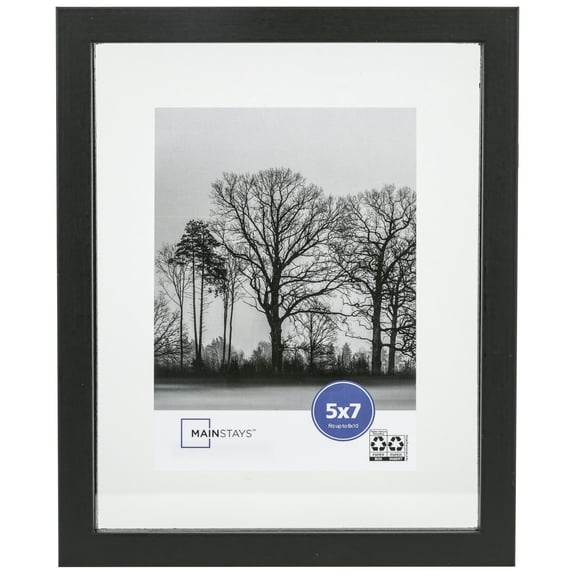


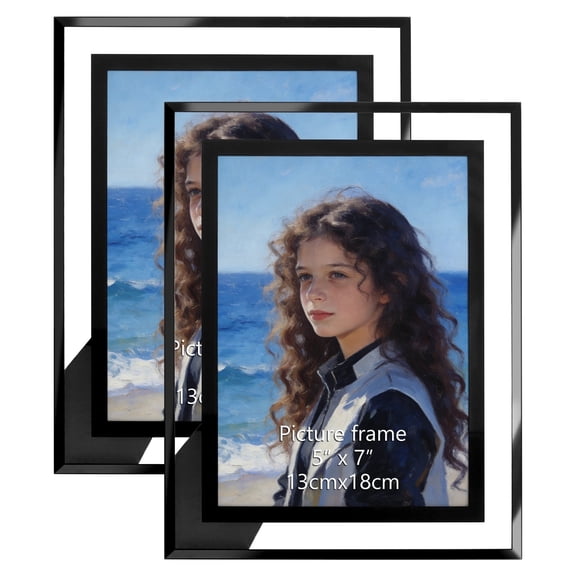
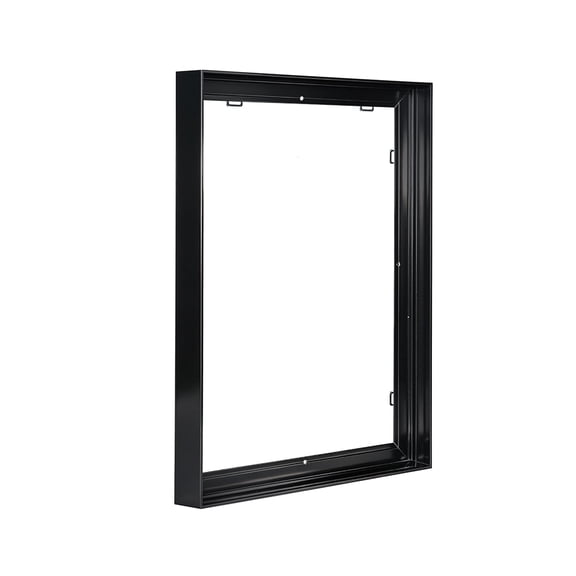
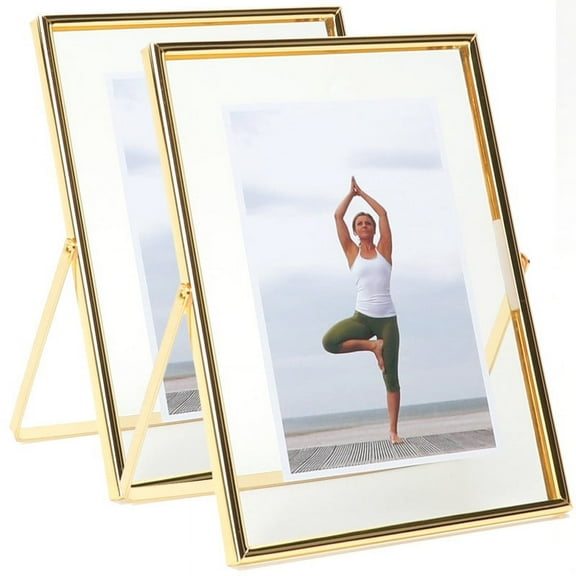




















![2-Pack Wooden Pressed Flower Frame, 4 x 6 Inch Double Acrylic Floating Picture Frame for Dried Flowers/Tabletop/DIY/Handicrafts [Walnut Color]](https://i5.walmartimages.com/seo/2-Pack-Wooden-Pressed-Flower-Frame-4-x-6-Inch-Double-Acrylic-Floating-Picture-Frame-for-Dried-Flowers-Tabletop-DIY-Handicrafts-Walnut-Color_e4fe0cc1-af31-493f-bbb6-38d3fecd14a8.82aa2c8f0dd1fa13e601610189504850.jpeg?odnHeight=576&odnWidth=576&odnBg=FFFFFF)

About 8x10 Floating Frames & Floating Glass Picture Frames - Walmart.com
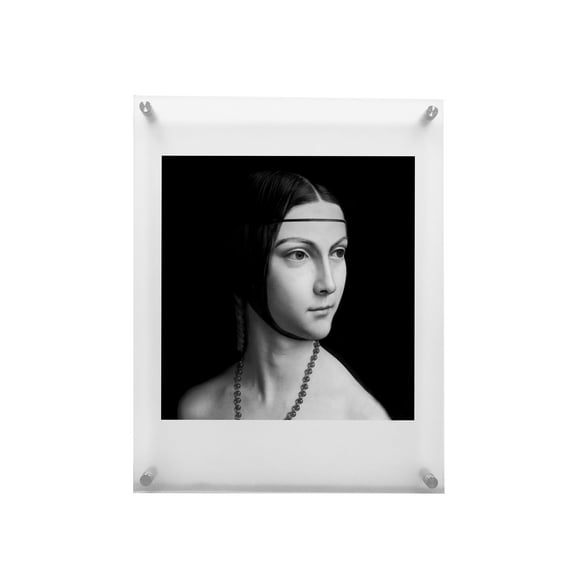
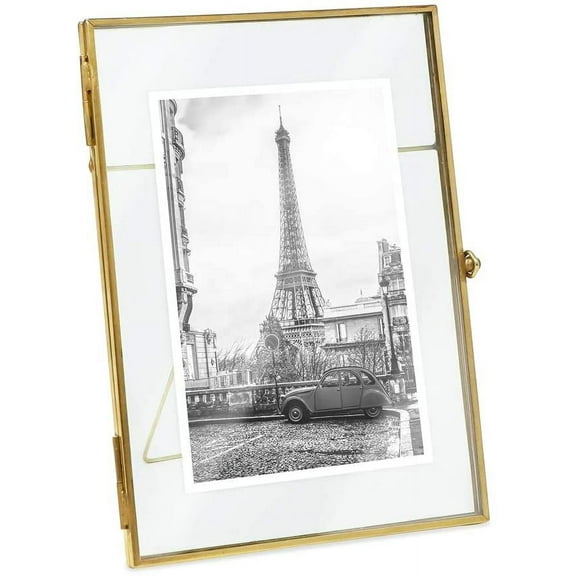
You can use floating frames to give photos, art, and documents a clean border that highlights every edge. You’ll notice this style creates space around your piece, which makes gallery walls and tabletops look more intentional.
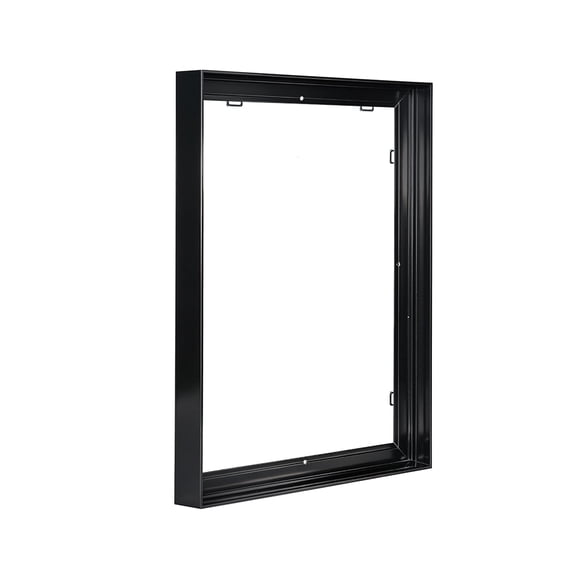
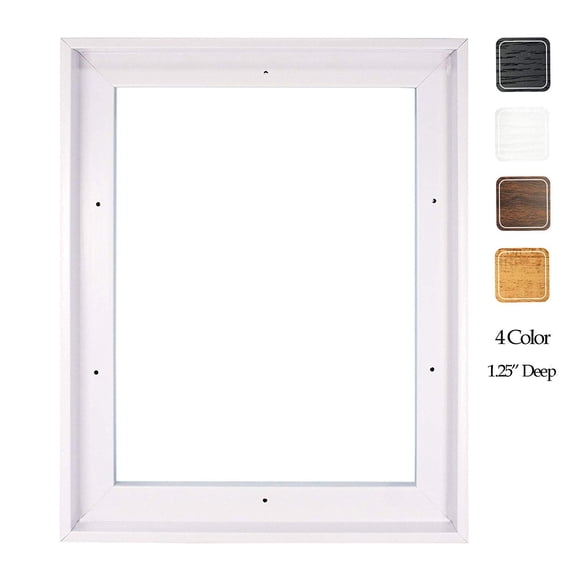
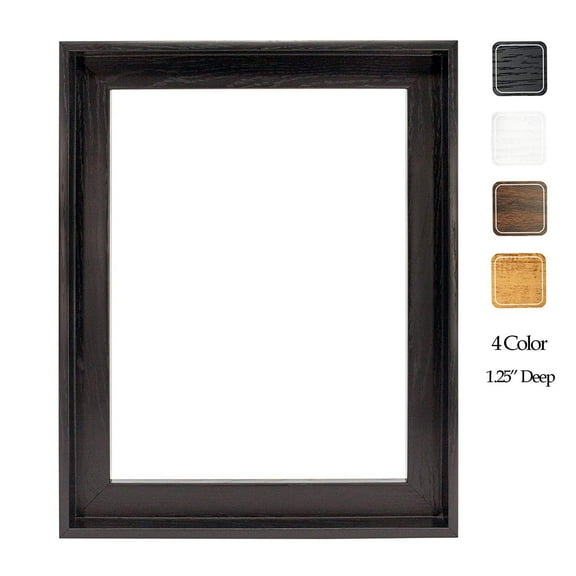
When you compare floating frames, you’re choosing more than a border for your image. You’re also choosing material, frame style, mount type, and sizing that affect the final floating effect.
How to choose floating frames
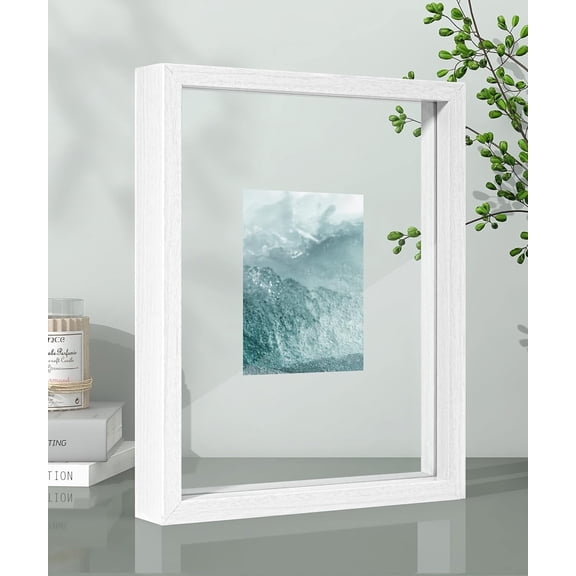
You should start with the relationship between your artwork size and your frame size. You’ll get the floating look when your piece sits inside the frame with visible space around it.
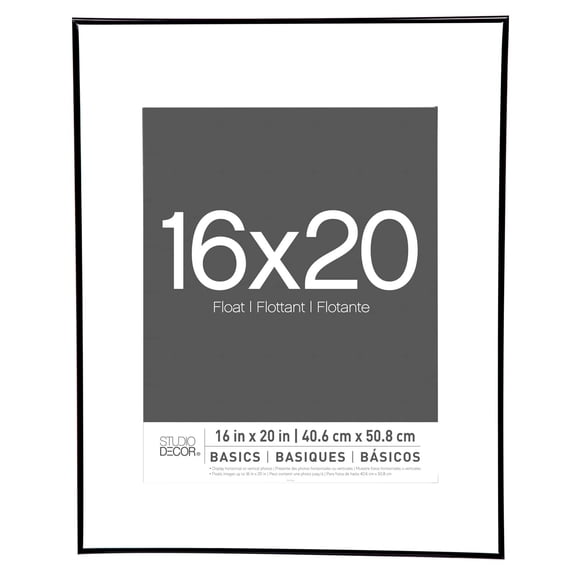
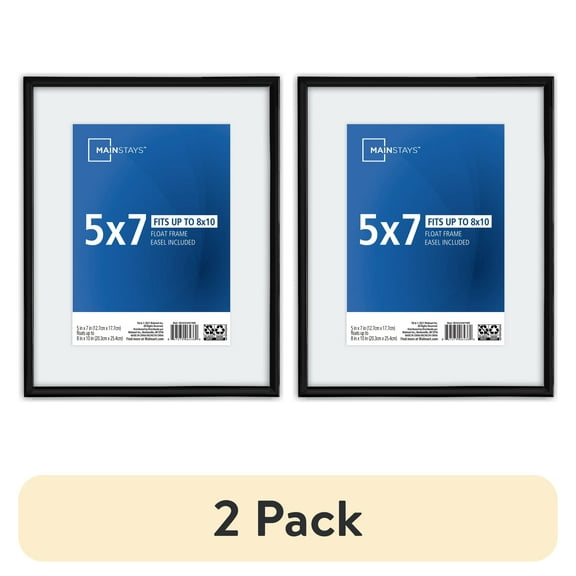
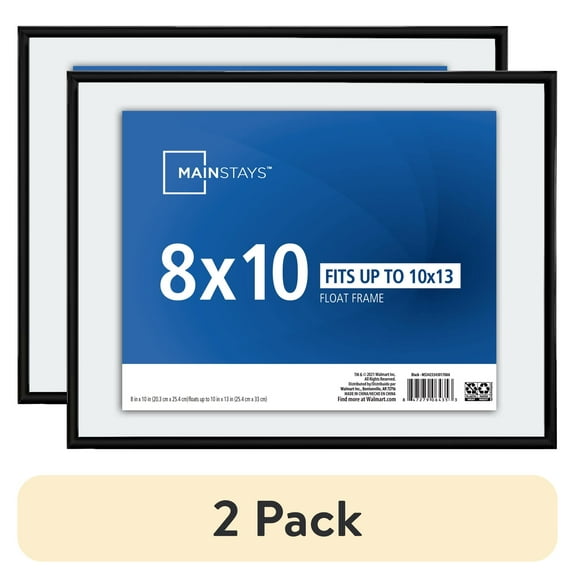
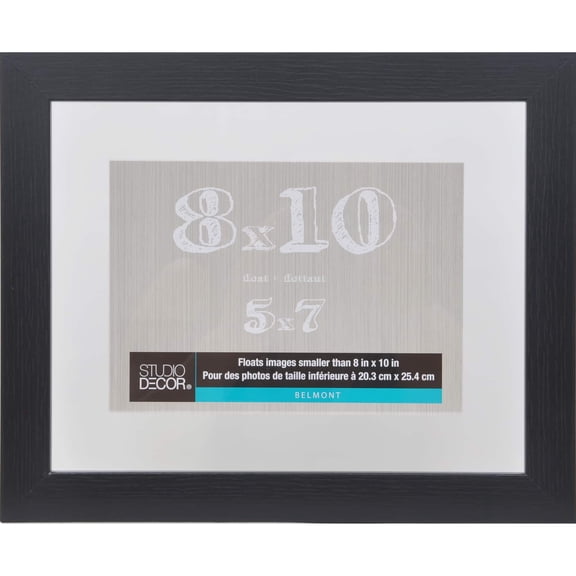
If you’re framing an 8x10 print, you may prefer a larger frame for a stronger visual border. If you’re framing an 11x14 or 16x20 piece, you should measure carefully before choosing.
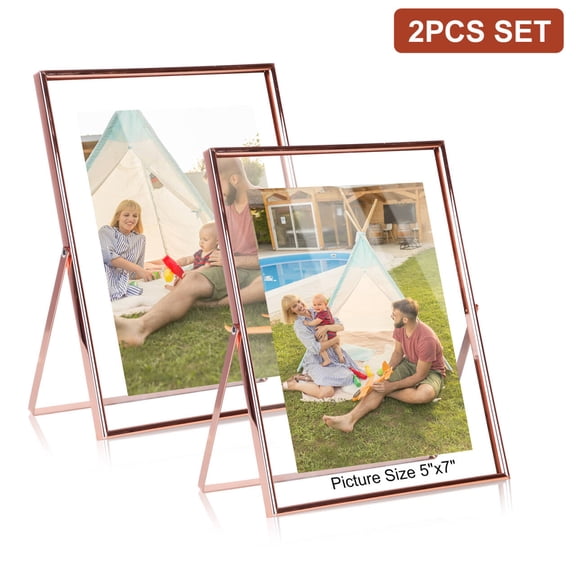
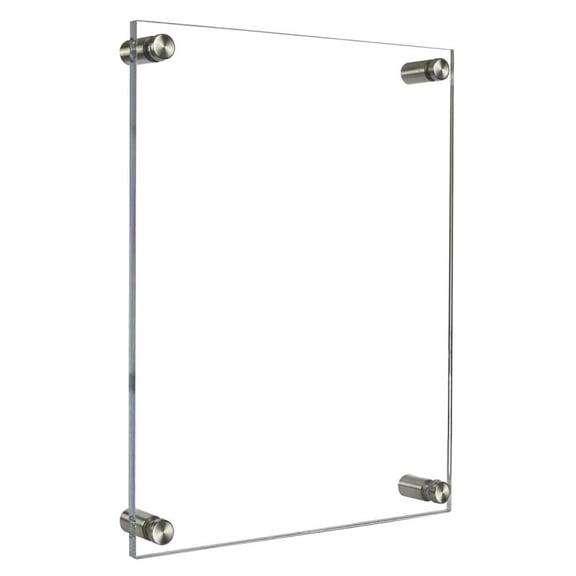
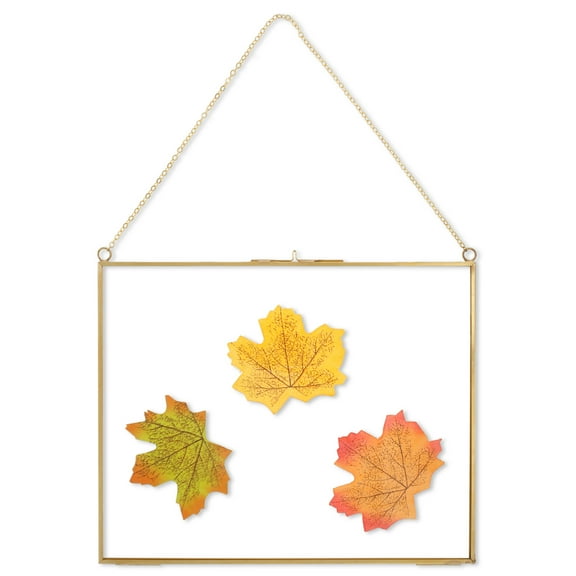
You’ll also want to compare orientation and placement before you decide. You may need floating wall frames for a hallway display, or a tabletop option for a desk.
- You can create a modern gallery look with visible space around your artwork.
- You can display photos, prints, pressed pieces, and documents with a clean presentation.
- You can match your room with glass, acrylic, wood, or metal frame options.
- You can choose wall mount or tabletop styles based on where you plan to display them.
Choosing the right floating picture frames
You should check both the visible opening and the outer frame dimensions before you buy. You’ll get a cleaner result when your document size and frame size work together.
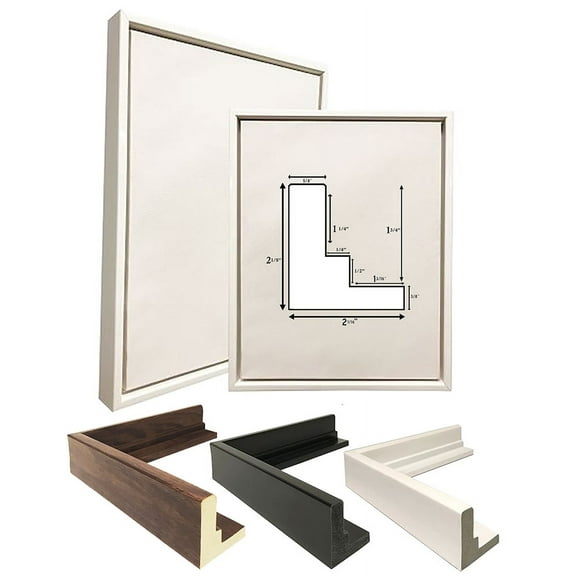
For document styles, you may want enough room around certificates, art prints, or invitations to show the floating edge. For canvas float styles, you should confirm depth and interior clearance first.
You can use floating picture frames when you want your art to stand out without a heavy mat. You’ll often find this style works well with line art, wedding photos, and minimalist prints.
Comparing materials and frame styles
You should compare glass, acrylic, wood, and metal based on look, weight, and placement. You’ll often prefer glass floating frames when you want a crisp, clear display.
If you plan to move your frame often, you may prefer acrylic because it feels lighter in many setups. If you want a classic finish, you may prefer wood for warmth.
You can choose metal when you want a sleek edge that suits modern rooms and offices. You should compare frame color and profile width with your artwork before deciding.
For frame style, you may see canvas floating frames, double glass floating frames, and document frames. You’ll want canvas float designs when your art has depth and needs open space around it.
You may choose double glass floating frames when you want to show more light through transparent or delicate pieces. You should consider document styles when you’re framing flat prints, awards, or keepsakes.
Choosing mount type and orientation
You should decide where your frame will live before you narrow the options. You’ll usually want wall mount styles for gallery groupings, entryways, and above-furniture displays.
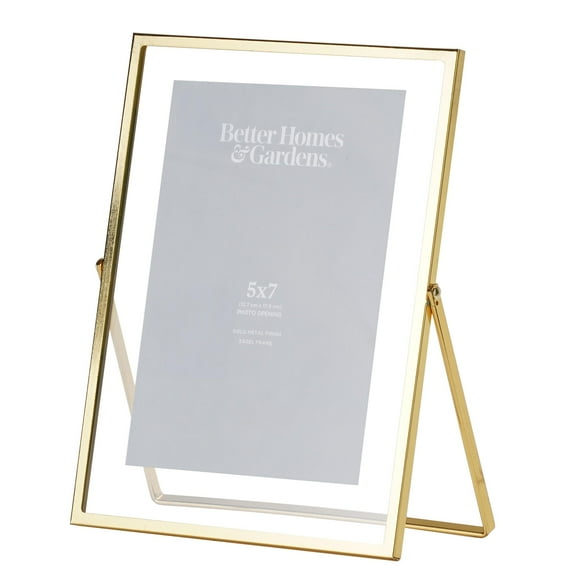
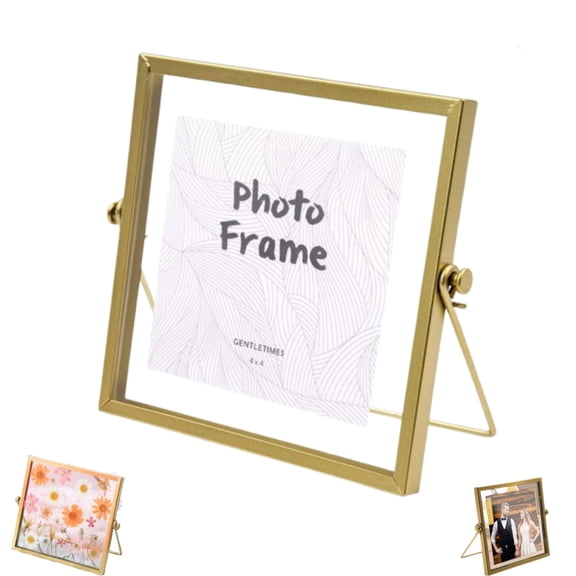
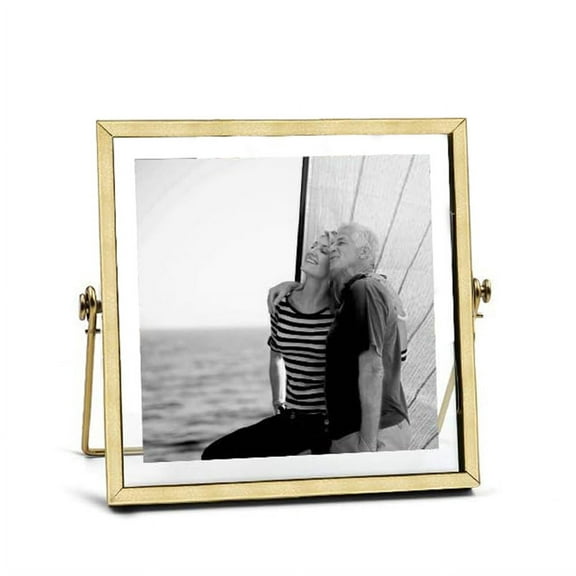
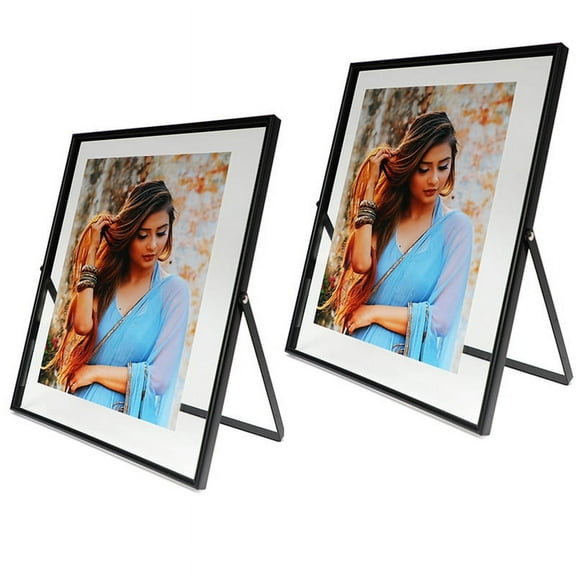
If your space includes shelves, desks, or side tables, you may prefer tabletop frames with built-in stands. You should also check whether your frame supports portrait, landscape, or both orientations.
You can use floating wall frames to build a clean, layered arrangement without thick mats or bulky borders. You’ll get a more polished setup when your mounting style matches your room layout.
Using floating frames in different rooms
You can use floating frames in living rooms when you want artwork to feel open and architectural. You’ll often see the floating effect complement modern, transitional, and minimalist decor.
In bedrooms, you may frame soft artwork, travel photos, or meaningful notes with a lighter visual touch. You can keep the room calm by choosing simple profiles and balanced spacing.
You can place document styles in home offices when you want certificates or diplomas to look organized. You should measure wall space first if you’re combining several frames together.
For entryways, you may use one larger frame as a focal point or several smaller sizes as a set. You’ll create more visual rhythm when you repeat similar finishes across the display.
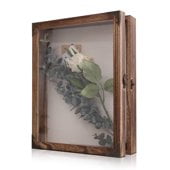
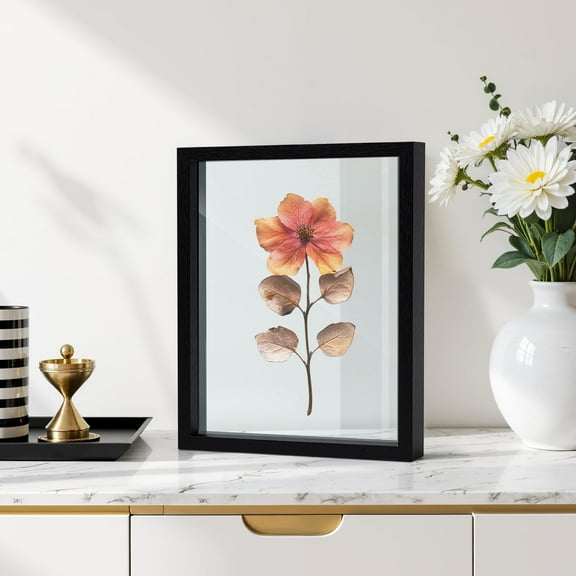
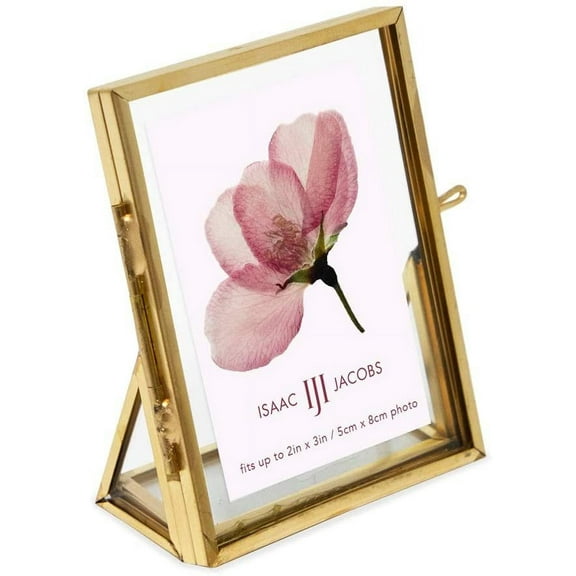
You can also frame pressed flowers, hand-torn art, or layered paper pieces when the design allows visible edges. You should compare double glass and acrylic options if lightness matters in your setup.
What to check before you decide
You should measure your artwork, review frame dimensions, and confirm the intended mount type before ordering. You’ll avoid fit issues when you compare size range details closely.
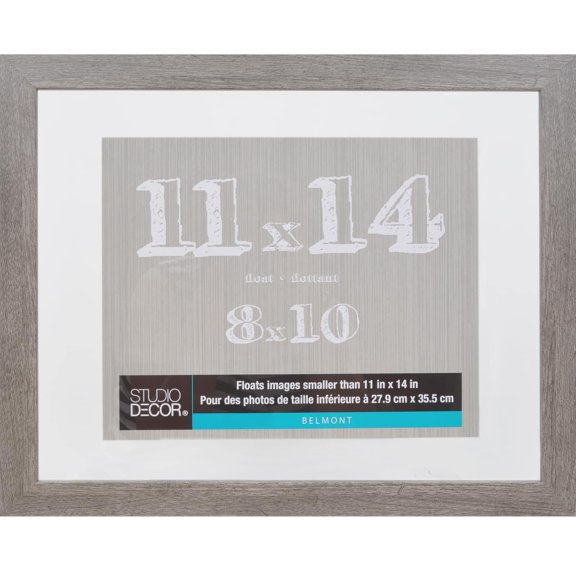
If you want a clean border around an 8x10, 11x14, or 16x20 piece, you should check how much space remains visible. You’ll feel more confident when the proportions match your display goal.
You can narrow your choice faster when you compare material, frame style, orientation, and display location together. You’ll get a finished look that keeps attention on your art, not just the frame.