

Adult Scissors in Scissors





















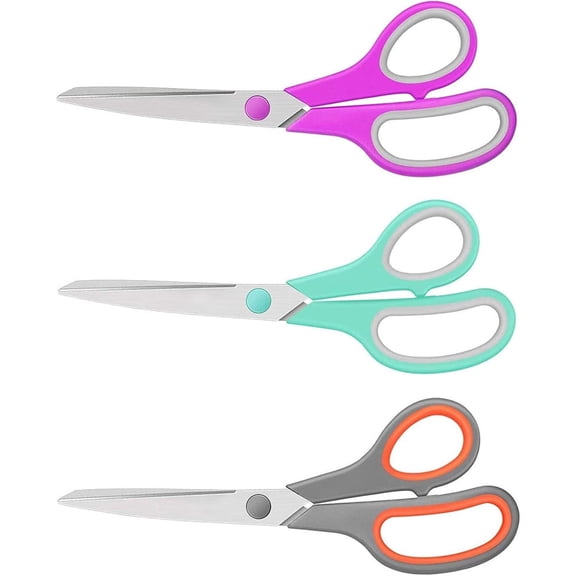


About Adult Scissors in Scissors - Walmart.com
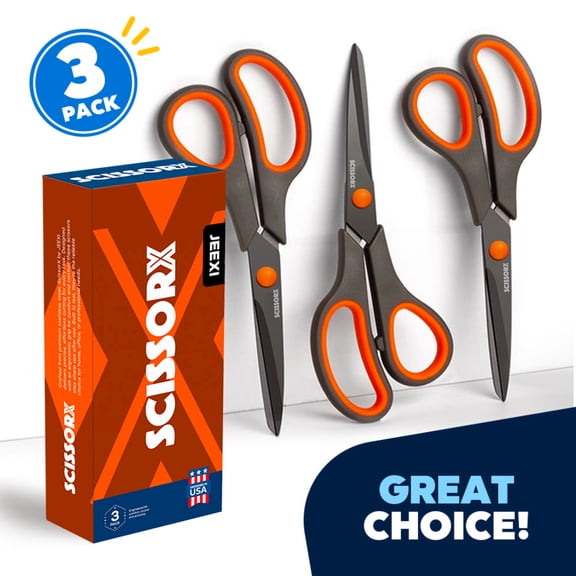
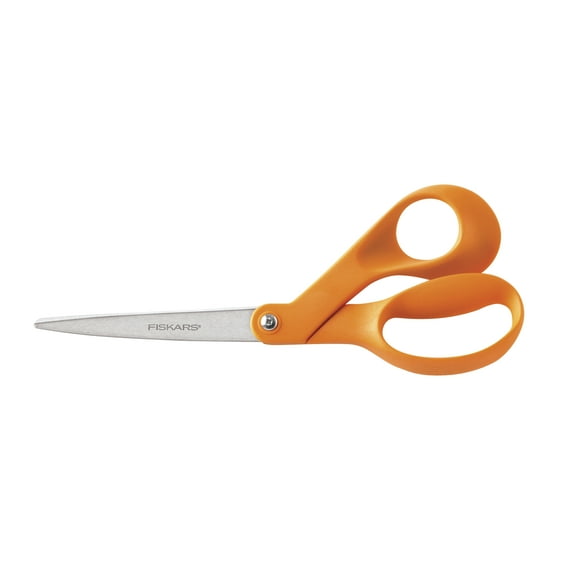
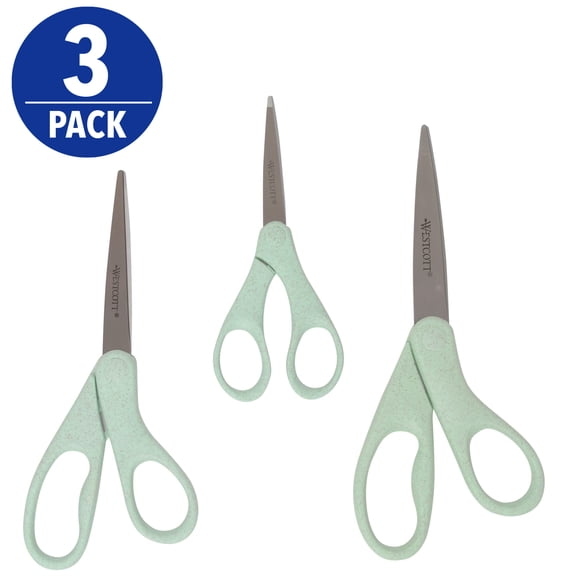
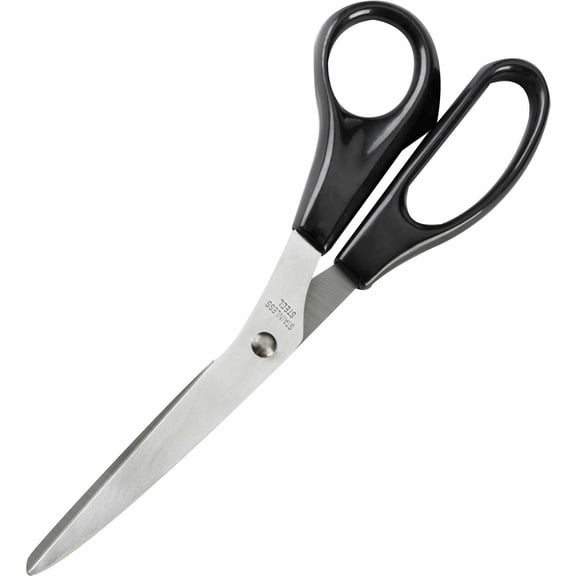
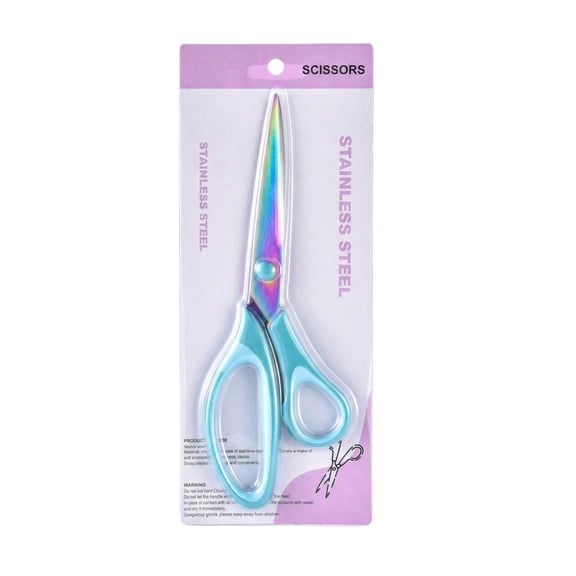
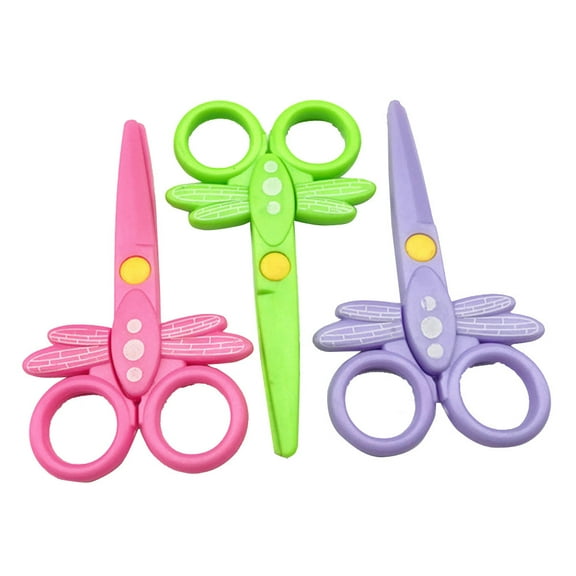
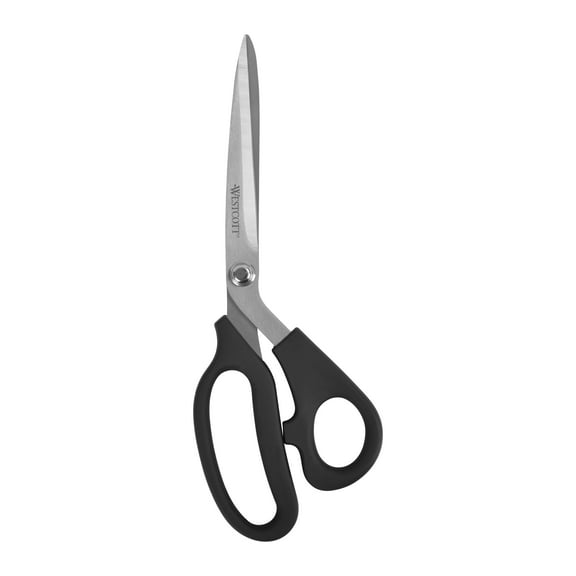
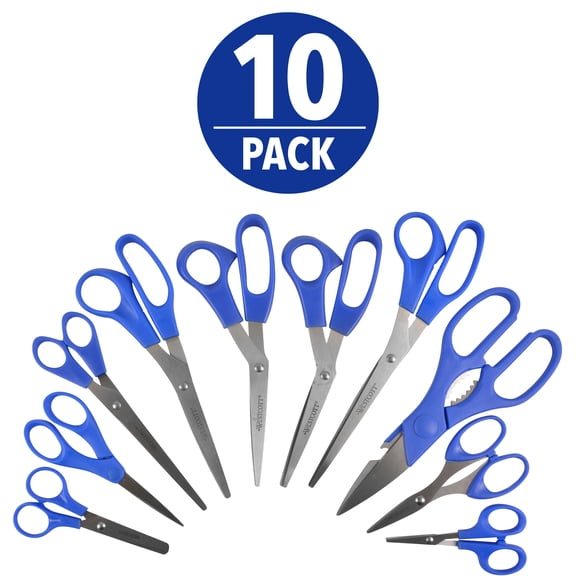
Adult scissors help you make clean, controlled cuts for office work, home tasks, and craft projects. You can compare blade material, grip shape, handedness, and size to match the way you cut.
You may reach for scissors many times during your day, so the right pair matters. You’ll notice smoother cutting, steadier control, and less drag when your scissors fit your task.
How to choose adult scissors for your routine
You should start with the tasks you handle frequently, because paper, cardstock, and packaging need different cutting feel. You can narrow your options faster when you compare blade length, tip style, and handle design together.
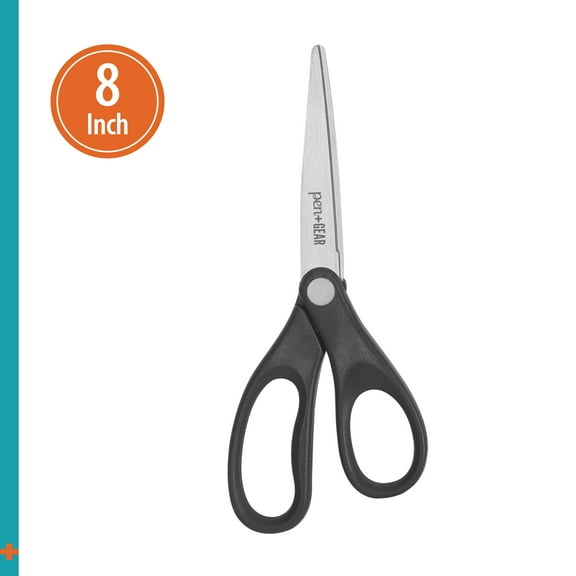
If you use adult scissors at a desk, you may want an 8-inch size for everyday documents and shipping labels. If you trim detailed shapes, you may prefer precision tips that let your hand stay close to the cutting line.
You can also think about who uses the scissors frequently in your space. You’ll get a more natural grip when the handle shape matches your handedness and your usual cutting motion.
Choosing benefits that support your cutting tasks
You can cut straighter lines when your scissors stay balanced through the full blade stroke. You’ll also spend less time repositioning paper when the blades close smoothly from handle to tip.
Comfort matters during repeated use, especially if you open mail, prep classroom materials, or trim craft pieces frequently. You may feel more control with ergonomic scissors that support your fingers during longer cutting sessions.
The right design can also help you switch between daily tasks without changing tools constantly. You’ll appreciate that flexibility when you move from office papers to gift wrap or thin craft foam.
- You can get cleaner cuts on printer paper, envelopes, and laminated sheets.
- You may feel steadier control with ergonomic scissors and soft-grip handles.
- You can choose left handed scissors or ambidextrous designs for a more natural fit.
- You’ll find 8 inch scissors useful for general office and home use.
You can make a smarter choice when you match benefits to your routine instead of guessing by appearance alone. You’ll often notice that material, grip, and size work together more than any single feature.
Choosing blade material, grip, and size
You should compare blade material first because it affects feel, edge retention, and long-term use. You’ll usually see stainless steel scissors, titanium scissors, and carbon steel options across this category.
You can rely on stainless steel scissors for everyday paper tasks and regular office use. You’ll often like stainless steel when you want a familiar cutting feel and simple upkeep.
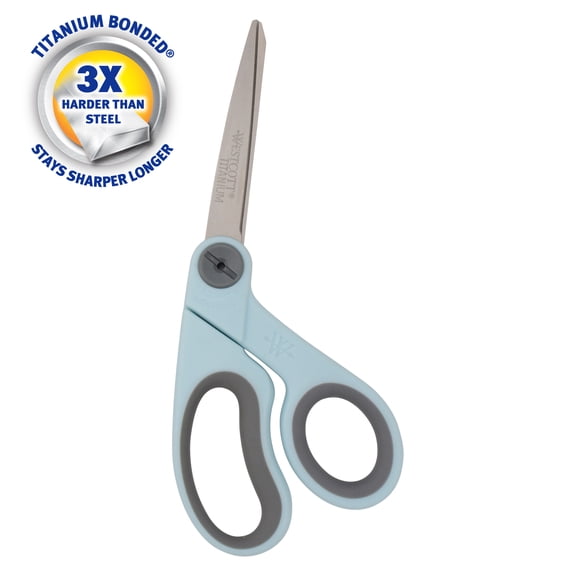
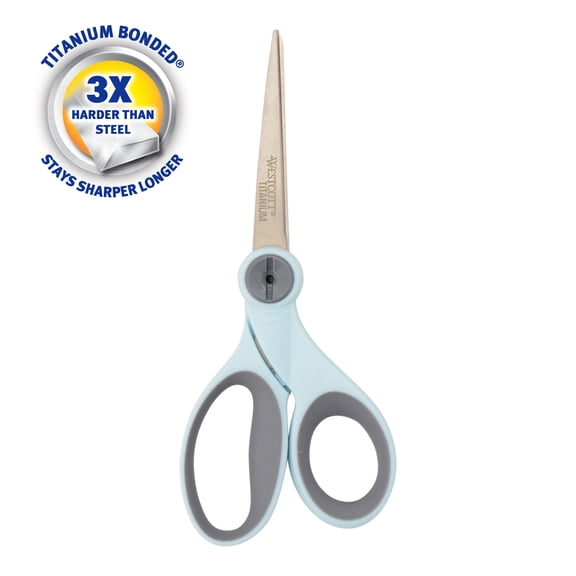
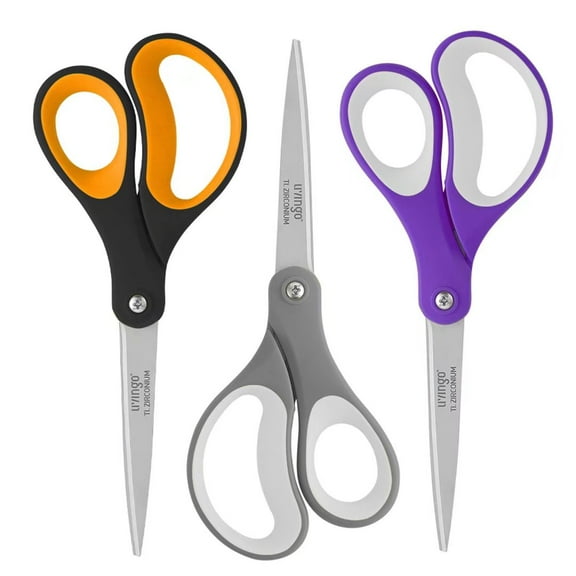
You may compare titanium scissors when you want a harder blade surface and a slicker glide through repeated cuts. You can choose them for frequent use on thicker paper, mailers, or layered materials.
You can also consider carbon steel if you want a strong edge for controlled cutting. You should check product details closely, because blade finish and intended use can vary by item.
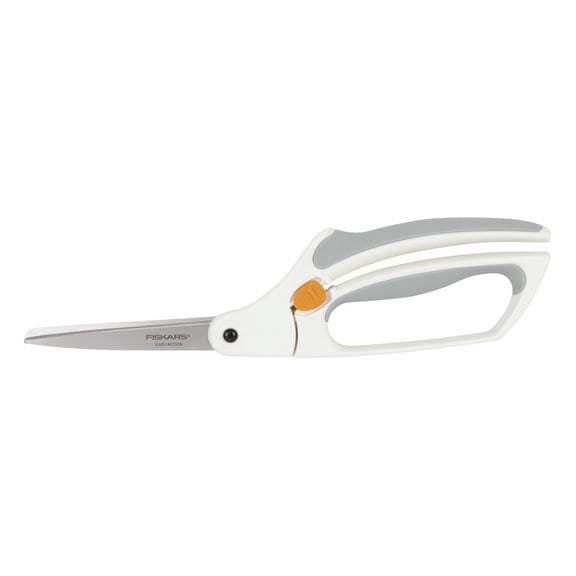
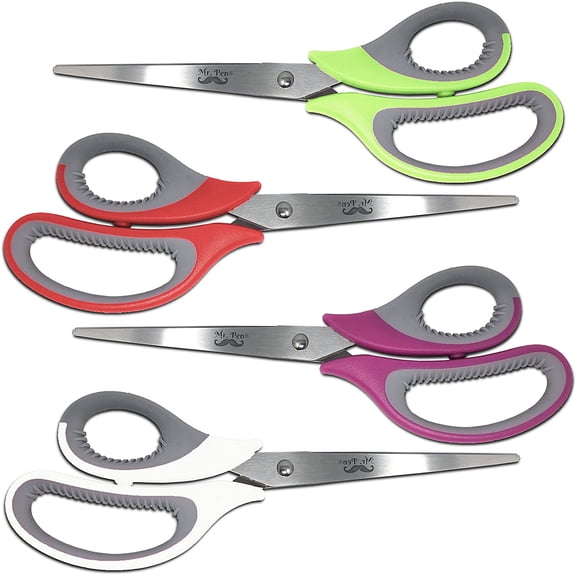
Grip style changes how your hand feels after repeated use. You may prefer soft-grip or ergonomic handles when you cut for longer stretches at a desk or worktable.
Symmetrical handles can suit shared spaces where different users grab the same pair throughout the day. Offset handles can help you keep material flatter on the table while your hand stays lifted.
Handedness is a real decision point, not a minor detail. You’ll usually get a smoother view of the cutting line with left-handed or ambidextrous designs that match your hand position.
Size also shapes control and reach during each cut. You can use 8-inch scissors for common office tasks, 9-inch styles for longer cuts, and precision lengths for detailed trimming.
Choosing ergonomic scissors and left-handed options
You should compare handle asymmetry because it changes how naturally your thumb and fingers move. You’ll usually notice easier control when the handle layout matches your dominant hand.
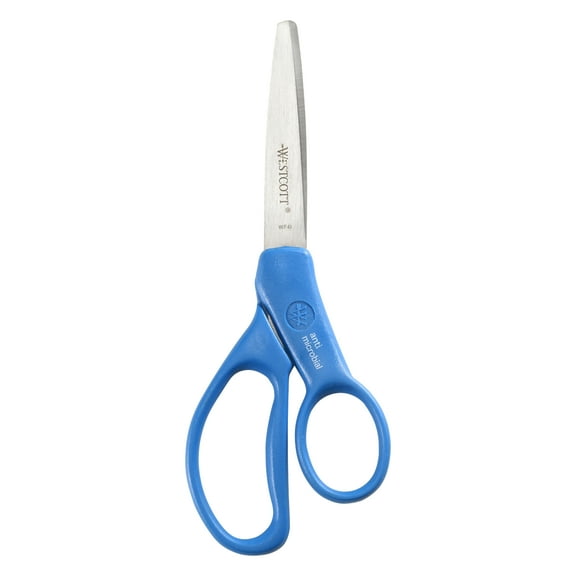
If you share scissors across a home office or classroom table, you may prefer ambidextrous or symmetrical handles. You can keep cutting comfortable for different users without constant adjustment.
When you want longer cutting sessions, you should look for ergonomic scissors with soft-grip contact points. You’ll often feel steadier during repeated envelope opening, worksheet prep, or craft trimming.
If you’re left-handed, you may want left handed scissors for a clearer view of the cutting path. You can follow lines more accurately when the blade orientation suits your hand position.
Matching adult scissors to real tasks
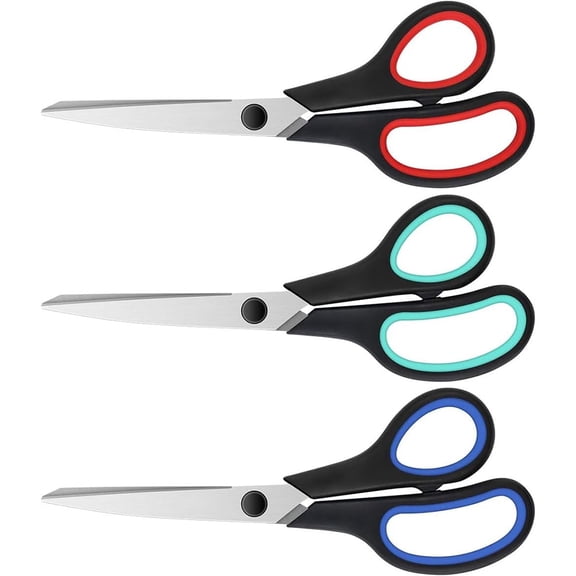
You can use office scissors for invoices, forms, labels, and presentation materials without overthinking your setup. You’ll likely want an 8-inch design when you need an easy everyday tool for desks and supply drawers.
If you wrap gifts or prep event materials, you may want longer blades for cleaner passes across tissue paper and ribbon packaging. You can keep your cuts neater when the blade length matches the width of the material.
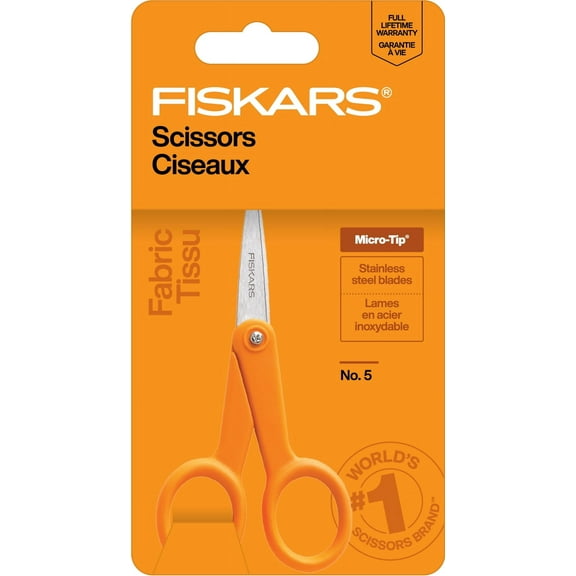
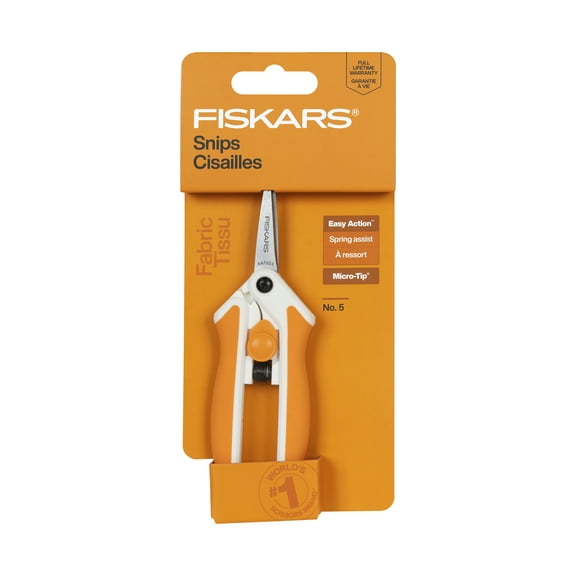
For craft tables, you may prefer precision tips that help you follow curves, corners, and small outlines. You’ll have an easier time trimming photos, scrapbook pieces, and template shapes with a shorter, more exact tip.
If multiple people share one workspace, you should look for ambidextrous handles or neutral grip shapes. You can avoid awkward hand placement when different users switch between the same scissors.
You can also pair your scissors choice with nearby office essentials to keep tasks moving smoothly. You may want paper cutters, desk organizers, construction paper, or craft supplies within easy reach.
When you compare these details carefully, you can choose adult scissors that fit your hand and your daily tasks. You’ll end up with cleaner cuts, steadier control, and a more useful tool for everyday work.