


Dip Stations & Dip Bars for Home































About Dip Stations & Dip Bars for Home - Walmart.com
With a dip station for home, you can build an upper-body training setup that fits your room and routine. You can compare tower designs, parallel bars, and compact stands to match your space and exercise plans.
If you're building a garage gym, spare-room setup, or patio workout area, you need equipment that feels steady during repeated reps. You can use this guide to compare station type, weight capacity, grip feel, and adjustment options.
Choosing the right dip station for home
When you compare station type first, you can narrow your options quickly and avoid a setup that wastes floor space. You should match the frame style to your exercises, ceiling clearance, and storage needs.
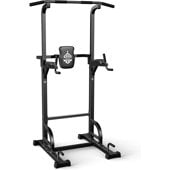
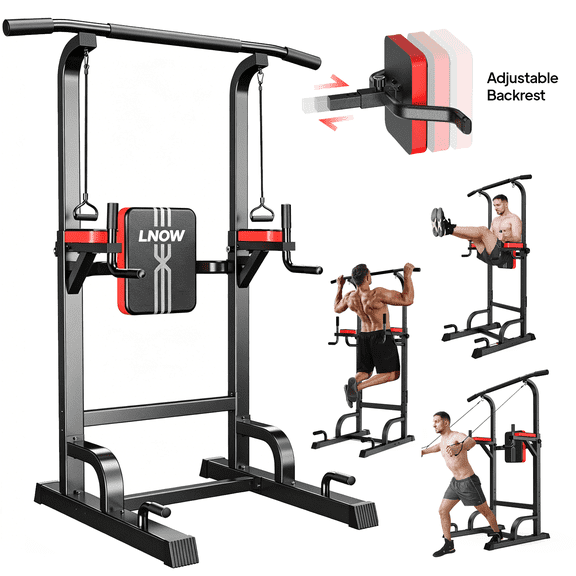
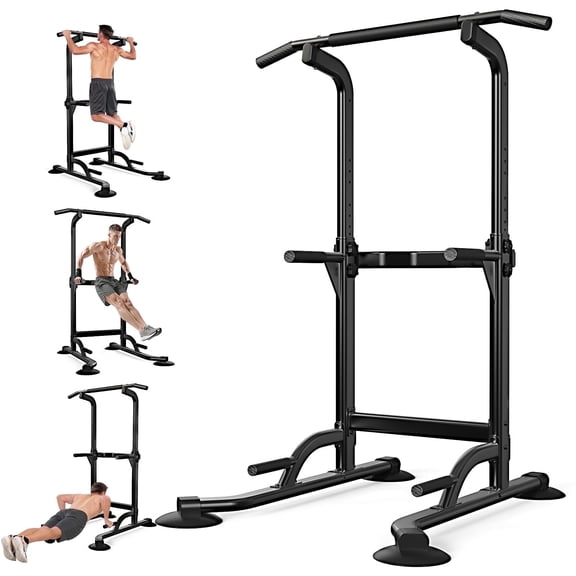
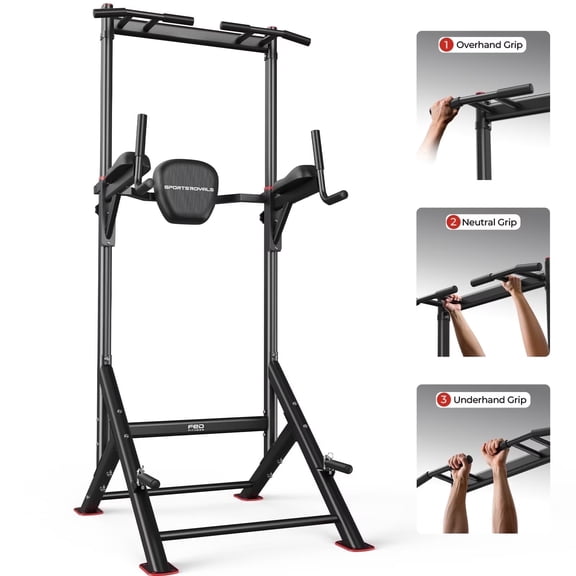
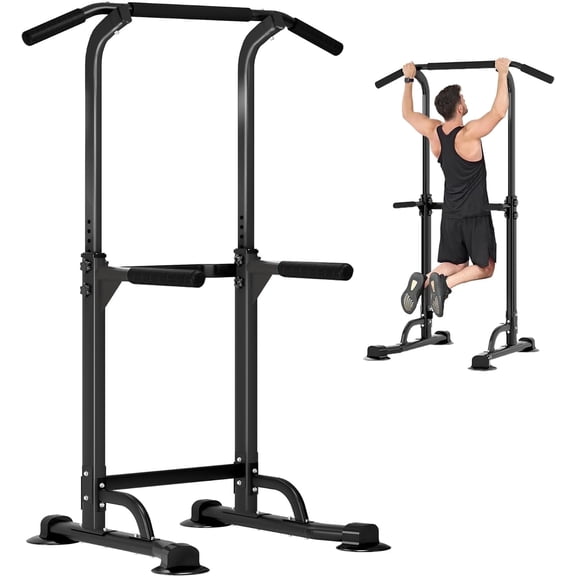
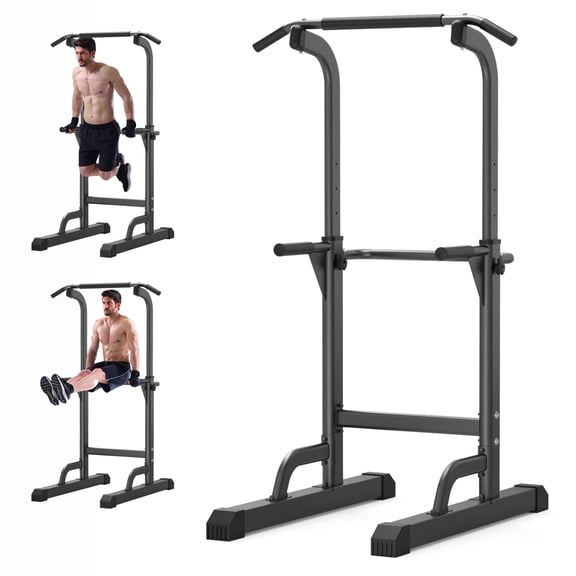
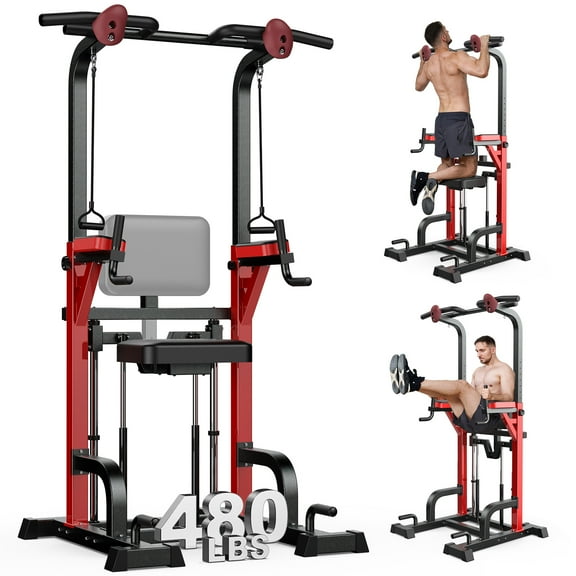
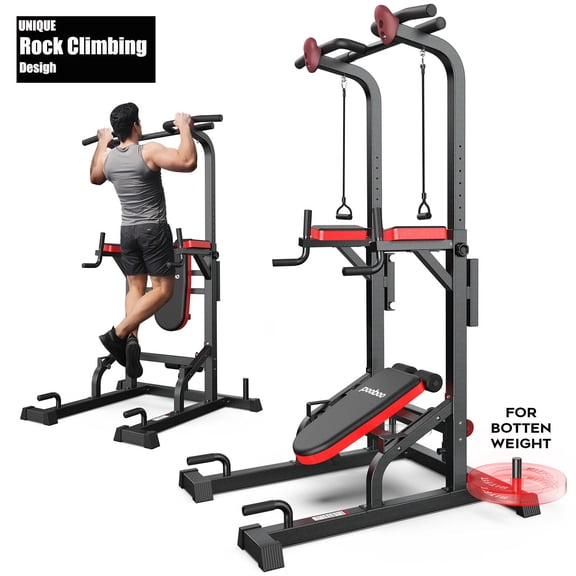
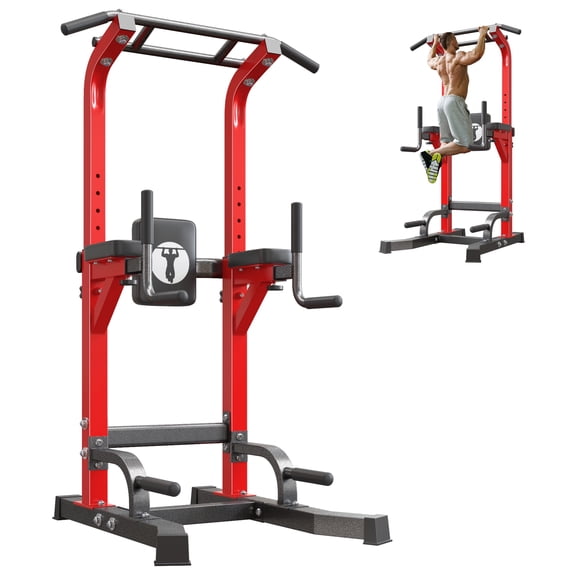
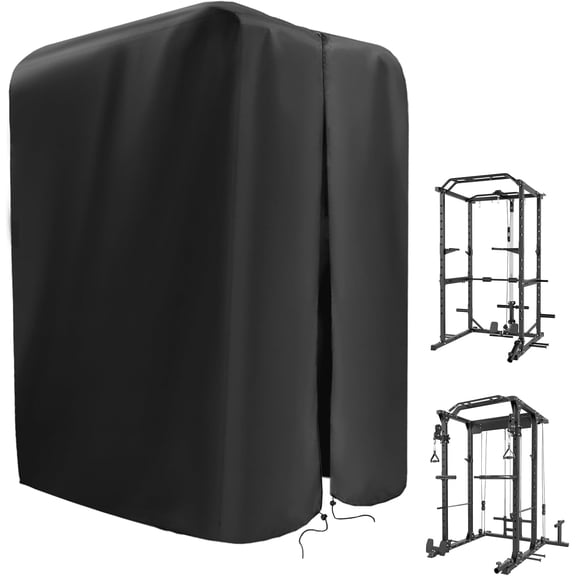
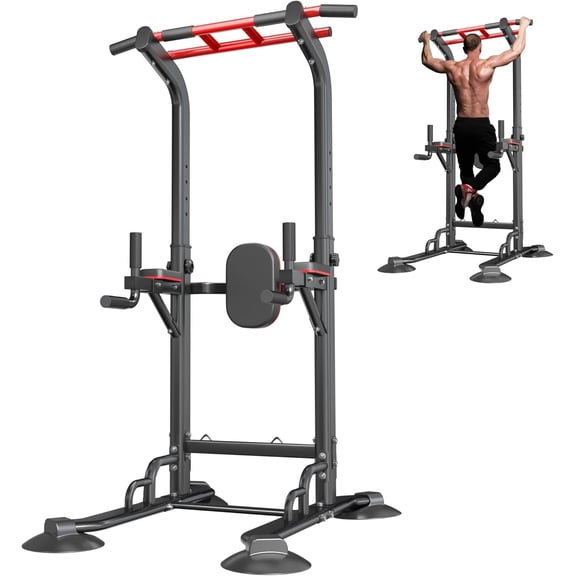
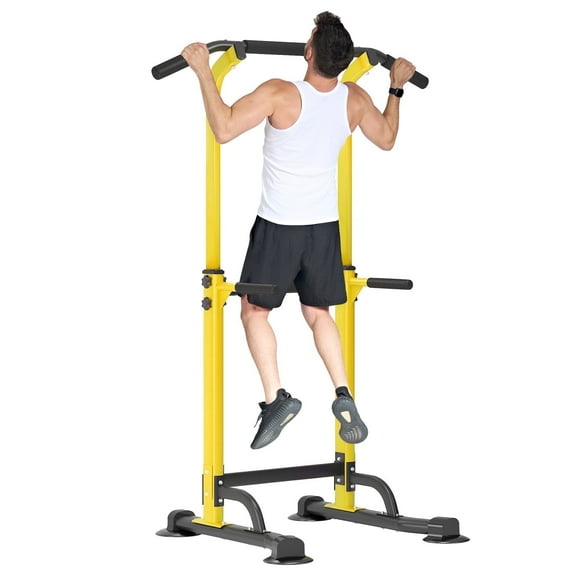
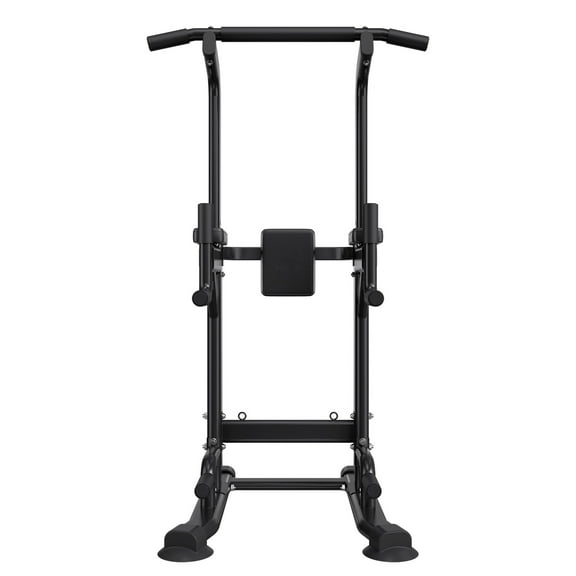
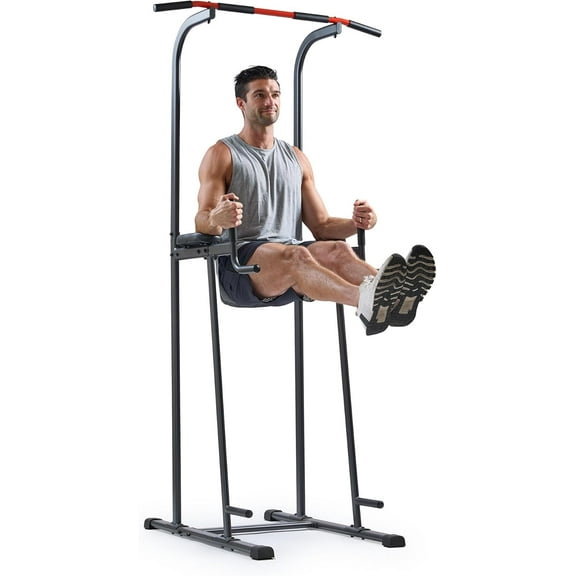
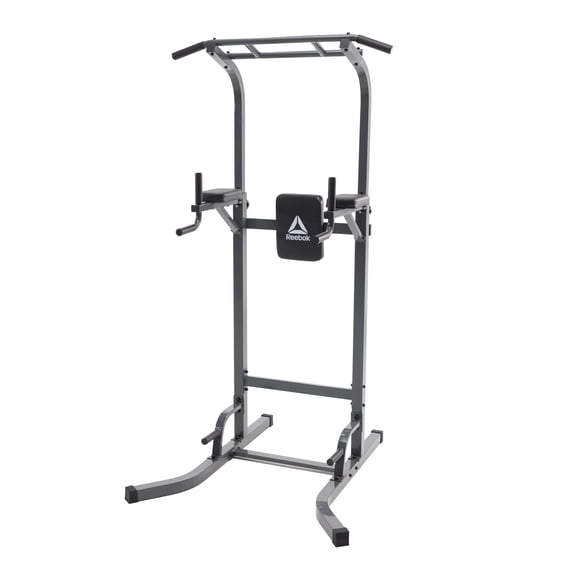
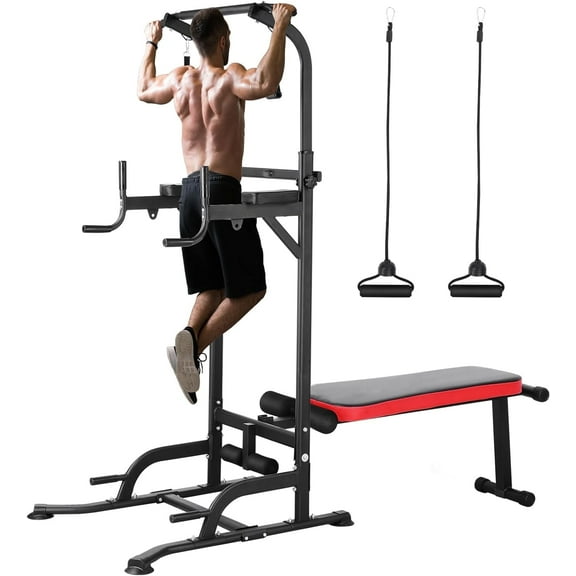
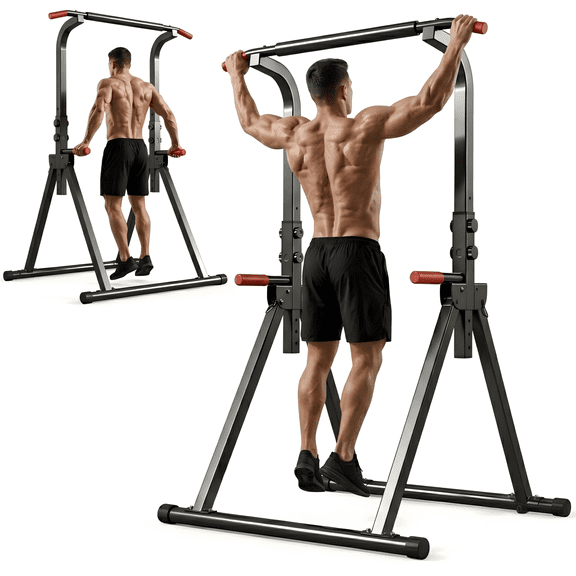
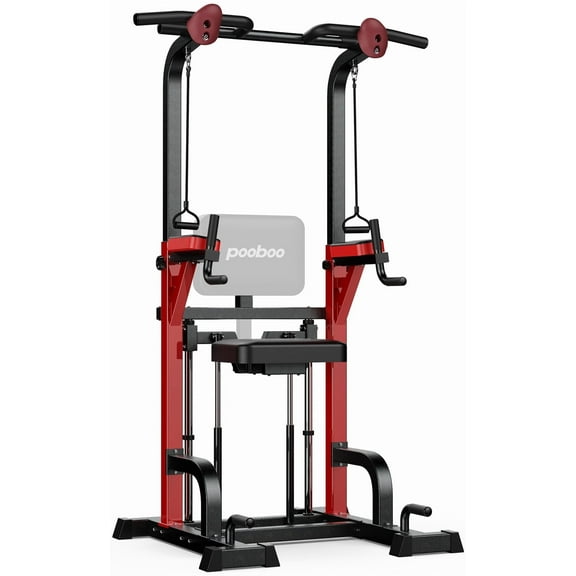
If you want a multi-use setup, you may prefer a power tower that supports dips, pull-ups, and knee raises. If you want a simpler footprint, you may choose parallel bars or standalone stands.
For a more permanent layout, you can consider wall-mounted options when your room supports fixed installation. If you move equipment often, you may prefer foldable or wheeled designs that allow convenient repositioning.
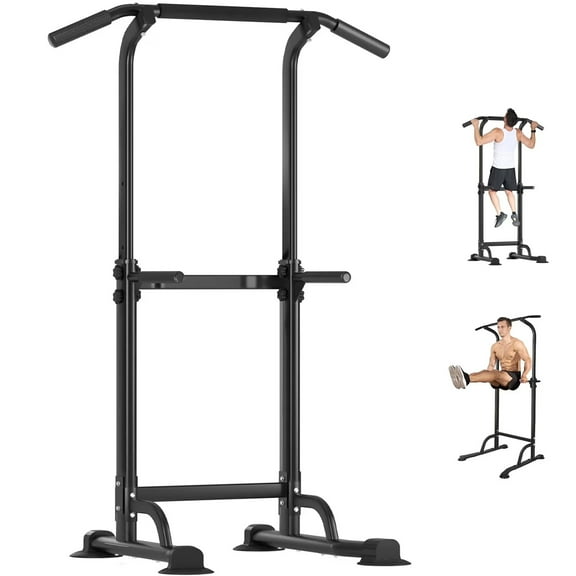
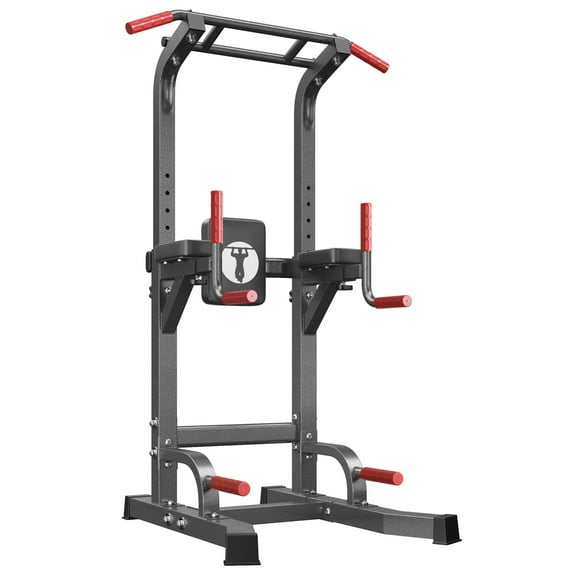
- You can use power towers when you want dips plus pull-up and core stations in one frame.
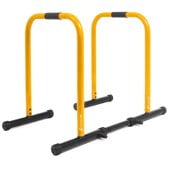
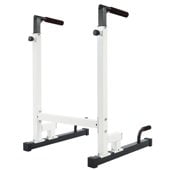
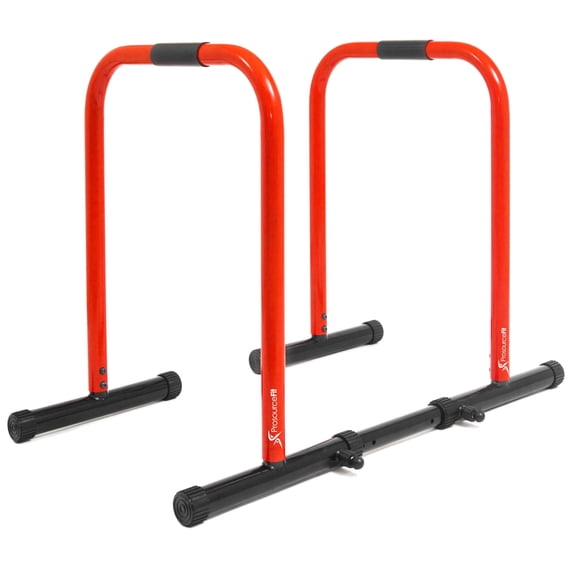
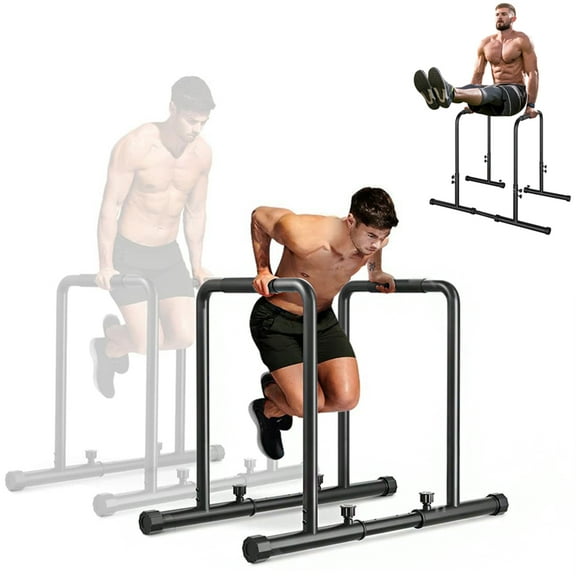
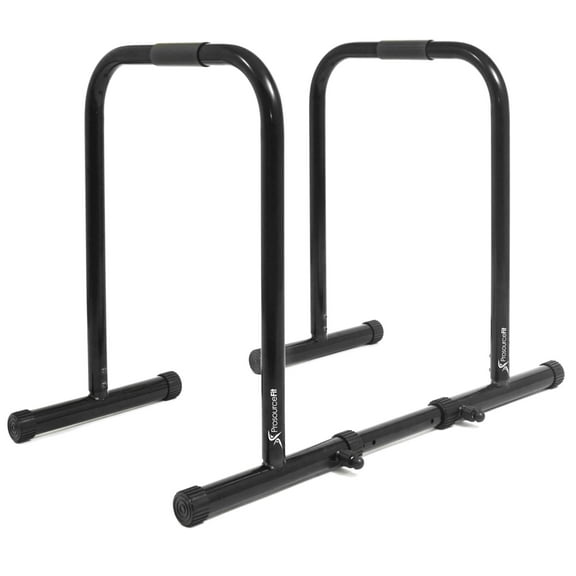
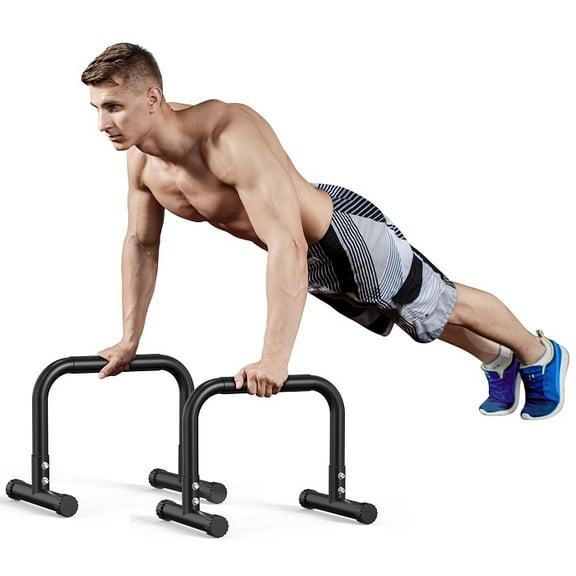
- You can choose parallel bars when you want open access for bodyweight work and clear movement around the bars.
- You can consider wall-mounted styles when you want a fixed training spot and clear floor space.
- You can look at standalone stands when you want dip-focused equipment with flexible placement.
What to look for in dips equipment for home
Frame stability matters because you want each rep to feel controlled, not shaky. You should compare steel gauge and base width, since heavy-gauge steel and wide bases provide stability.
Weight capacity helps you judge whether a station matches your body weight and training style. You should check whether a light duty, heavy duty, or commercial grade frame fits your routine.
Light duty options can suit individual users or occasional sessions in compact spaces. Heavy duty frames often fit regular home gym use, while commercial grade builds can suit repeated training.
Grip type changes how your hands feel during longer sets. You can compare foam padded, knurled steel, and rubberized grips based on comfort, texture, and the amount of hold you want.
Foam padded grips can feel softer in your hands during higher-rep workouts. Knurled steel can give you a firmer feel, while rubberized surfaces can add comfort with a secure hold.
How to compare dip bars for home by space and setup
Your available floor space should guide your choice before you compare other details. You should measure width, depth, and overhead room so your station fits your training area cleanly.
If you train in a compact room, you may prefer dip bars for home with a narrow footprint. If you keep a dedicated gym area, you may have room for a larger fixed frame.
Portability changes how easily you can shift your setup between workouts. You can choose foldable designs for storage, fixed frames for a planted feel, or wheeled units for convenient repositioning.
Adjustability also affects comfort and exercise variety. You can look for adjustable height, adjustable width, or multi-position settings when you want a tailored fit.
Adjustable height can help you match the bars to your arm length and movement pattern. Adjustable width can help you find a hand position that feels natural across different exercises.
If you're considering a dip machine home setup, you should check whether the frame changes positions quickly. You may want multi-position options if your household shares one station.
Matching an at home dip station to your routine
If your workouts focus on bodyweight strength, you may want an at home dip station with a steady base and firm hand placement. You can use that setup for dips, holds, leg raises, and support work.
If you train in circuits, you may prefer standalone bars that let you move quickly between stations. You can pair them with benches, pull-up bars, or power cages in a broader strength setup.
If you want outdoor dip bars for a patio or covered area, you should check placement and frame style carefully. You can choose designs that fit your surface and leave enough room around each side.
For taller users, you may want extra attention on handle height and overall frame dimensions. You can compare measurements closely so your shoulders and knees have room to move freely.
If more than one person uses the station, adjustability becomes highly important. You can compare width and height settings to help each user find a comfortable training position.
When you evaluate dips exercise equipment, you should think about how often you train each week. You can use that routine to choose between portable bars and fixed frames.
Why the right details matter
The right dip station for home gives you a stable place to train without turning your room into a crowded gym. When you match frame type, capacity, grip, and footprint to your routine, you get controlled reps and a setup that fits your space.