

Camera Battery Chargers & Charging Accessories | Walmart


















About Camera Battery Chargers & Charging Accessories | Walmart - Walmart.com
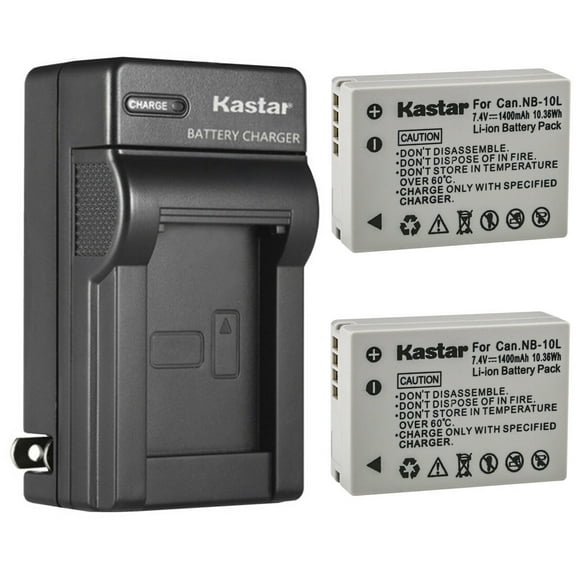
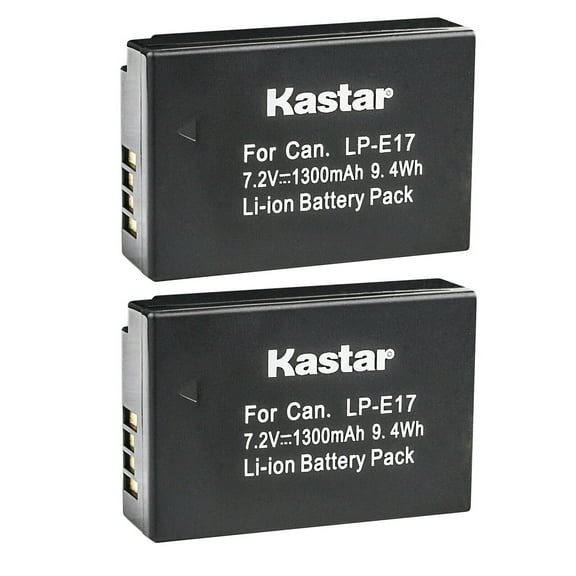
You can compare camera batteries chargers by model fit, charger type, and battery chemistry before your next shoot. You’ll get more dependable power when you match battery codes like LP-E6 or NP-FW50 correctly.
How to choose camera batteries chargers
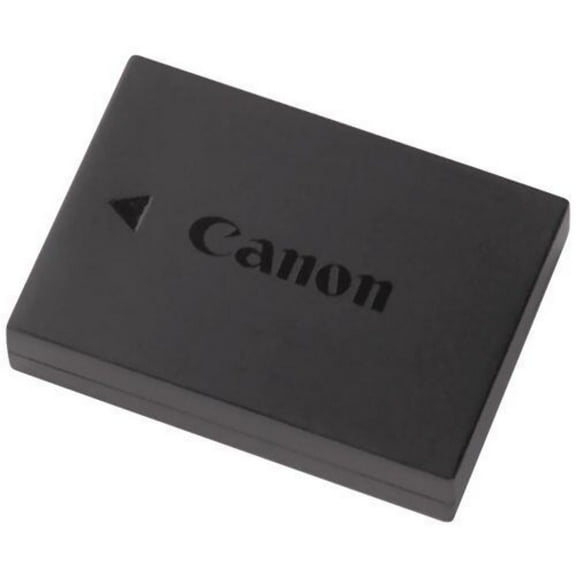
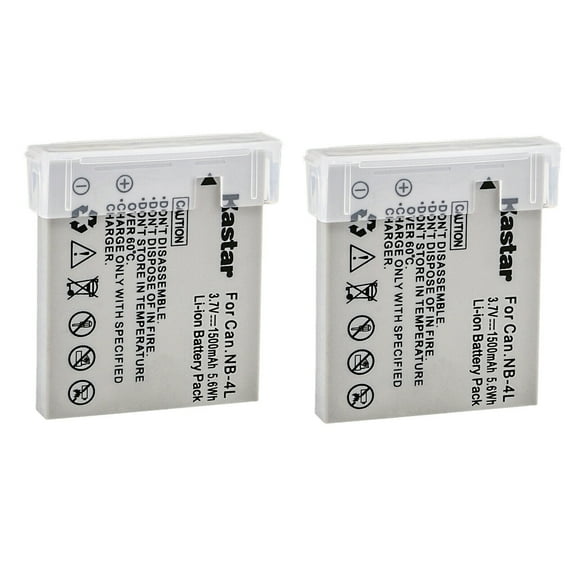
Start with your exact camera model and battery code, because you need a precise fit for charging and runtime. You should check whether your camera uses packs for a DSLR, mirrorless body, camcorder, or action camera.
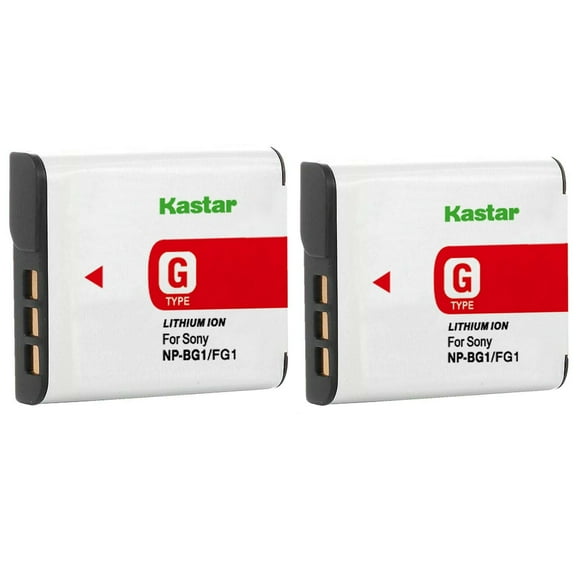
Next, compare brand compatibility, since you may need camera battery chargers that match Canon, Nikon, Sony, GoPro, or Fujifilm systems. You can also consider a universal camera charger when you want flexible charging across select battery formats.
You’ll notice that the right setup keeps your spare power ready between events, trips, and long recording sessions. Your backup battery can keep pace with burst shooting, video clips, and travel days when outlets are limited.
Key benefits for your shooting routine
When you keep extra power on hand, you can shoot longer without stopping for a recharge. You’ll also reduce interruptions when your main battery runs low during important moments.
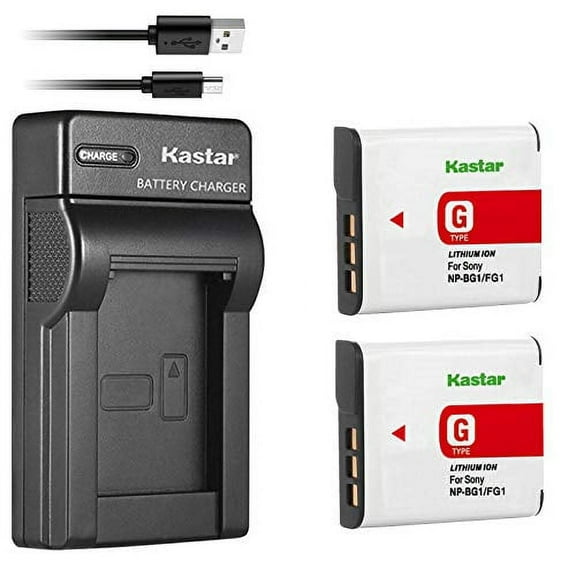
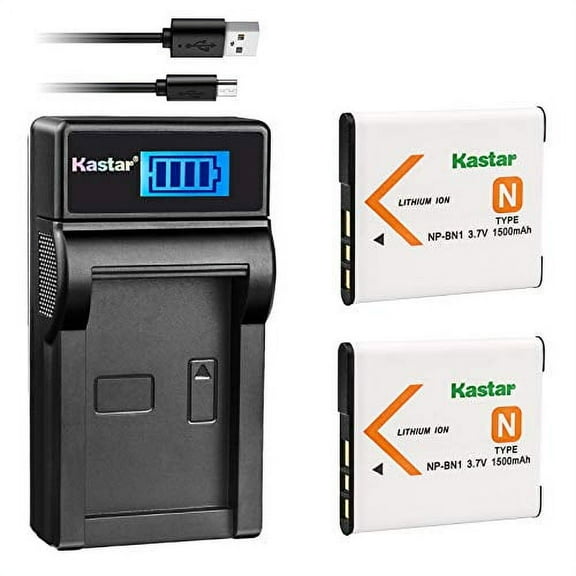
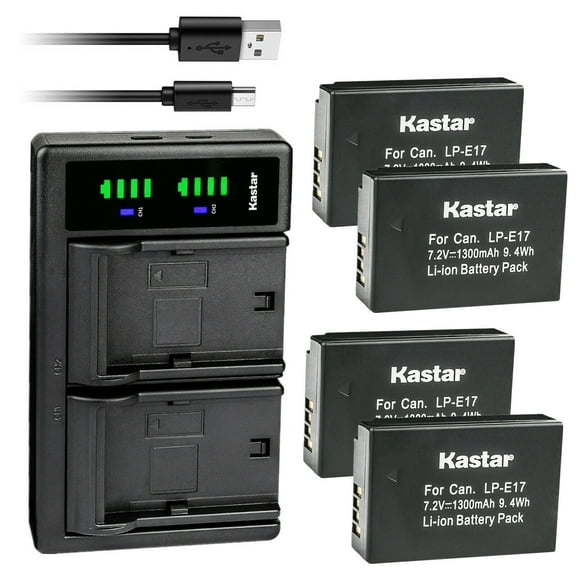
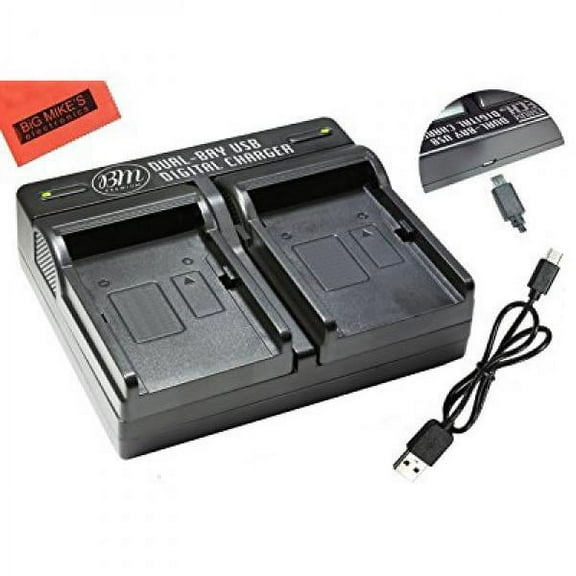
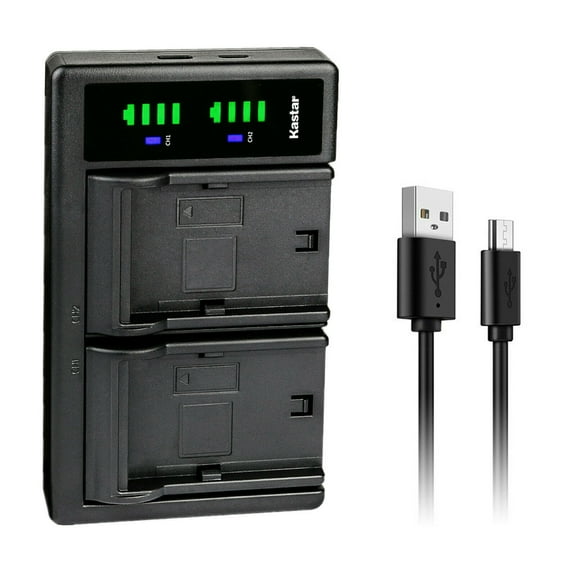
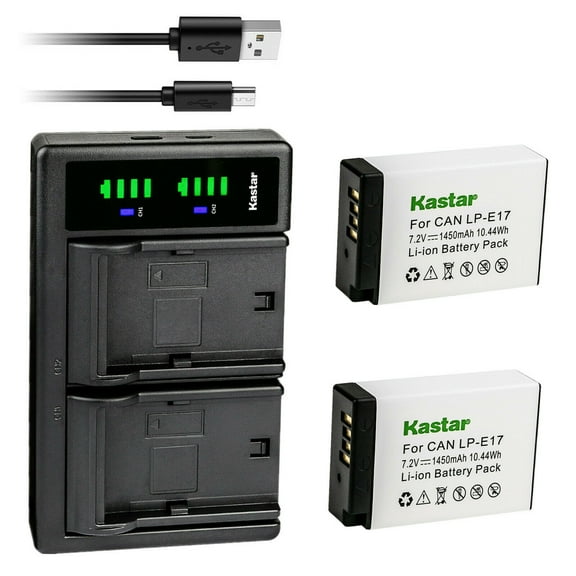
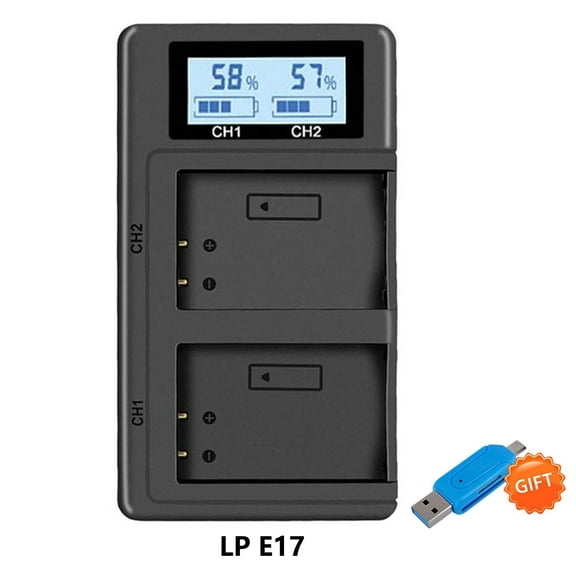
Dual-slot chargers help you prepare two batteries at once, which can simplify weekend travel or event coverage. USB input options can also give you more ways to charge from a wall adapter, power bank, or car port.
- You can keep a second battery ready for long photo sessions.
- You can compare single-slot and dual-slot chargers for your schedule.
- You can pick travel-friendly charging options with USB or USB-C input.
- You can match battery chemistry to your camera’s supported power format.
- You can choose spare packs for still photos, video, or action capture.
Rechargeable camera batteries also support repeat use, so you can rotate charged packs throughout the day. You’ll find that organized charging makes early calls, vacations, and content shoots easier to manage.
Choosing digital camera batteries by chemistry and capacity
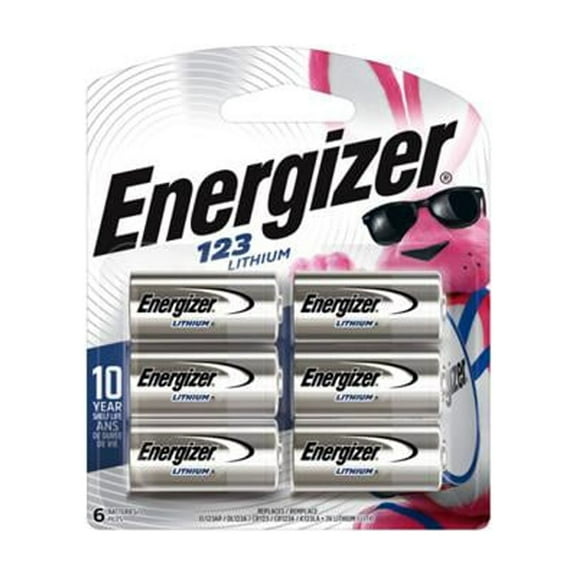
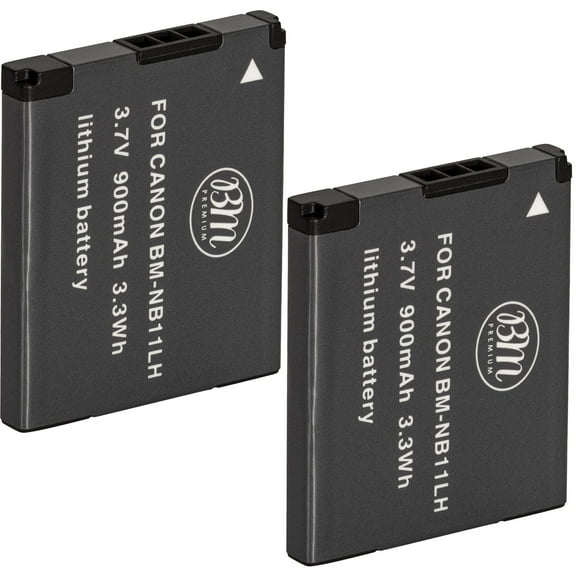
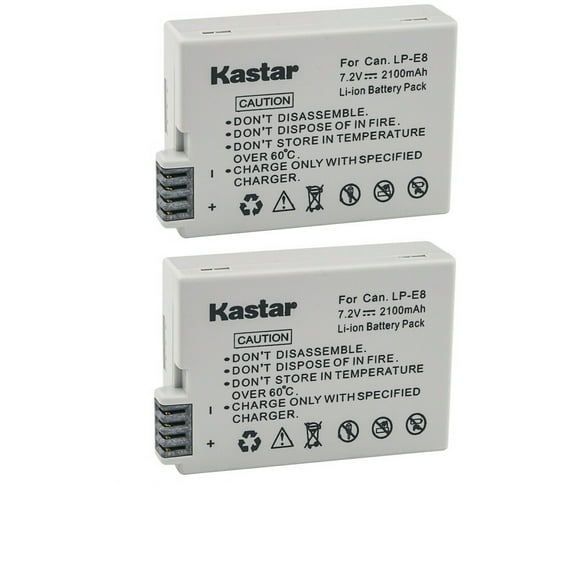
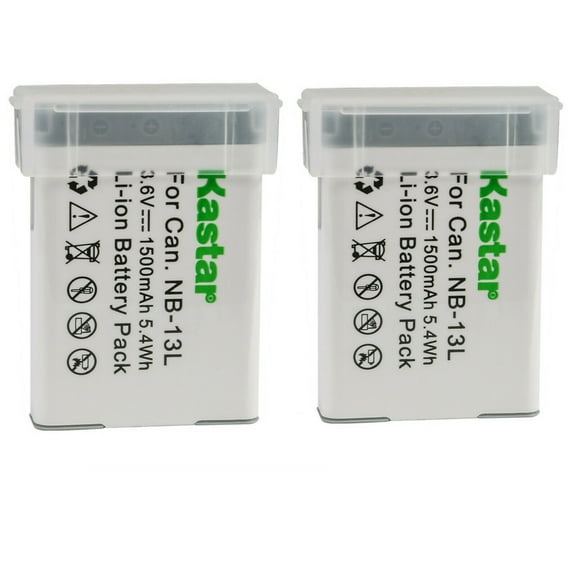
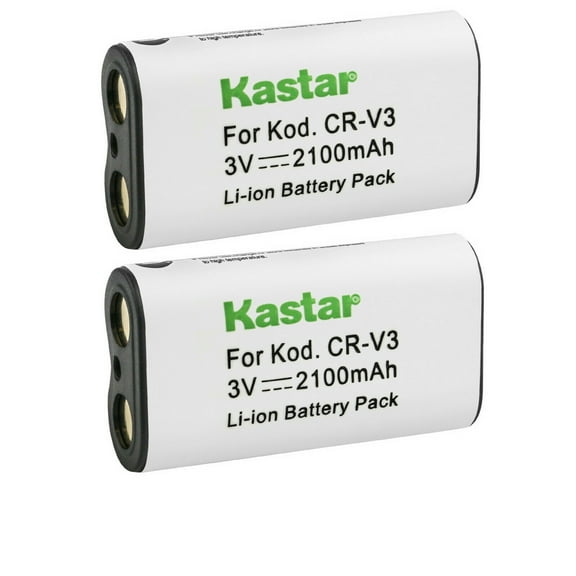
You should check battery chemistry first, because your camera system is designed for a specific power format. Lithium-ion packs are common for many cameras, while NiMH options appear in select setups.
You may also see lead acid in larger power applications, though you’ll usually focus on compact camera-specific packs here. Your choice should always match the device requirements listed for your exact model.
Capacity matters too, so you should compare mAh ratings when you want longer runtime between charges. Higher capacity can mean fewer battery swaps, especially when you record video or review images often.
Cell quality and stable output also matter, because you want steady performance during bursts, autofocus use, and playback. You should compare listed protections like overcharge protection and short-circuit prevention for everyday charging confidence.
What to look for in camera battery chargers
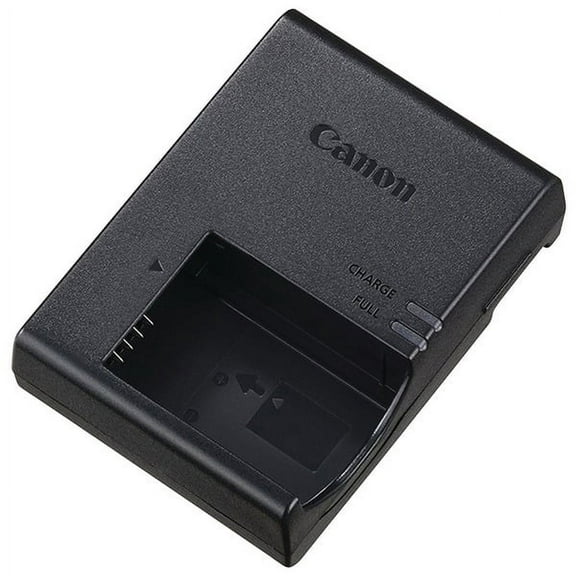
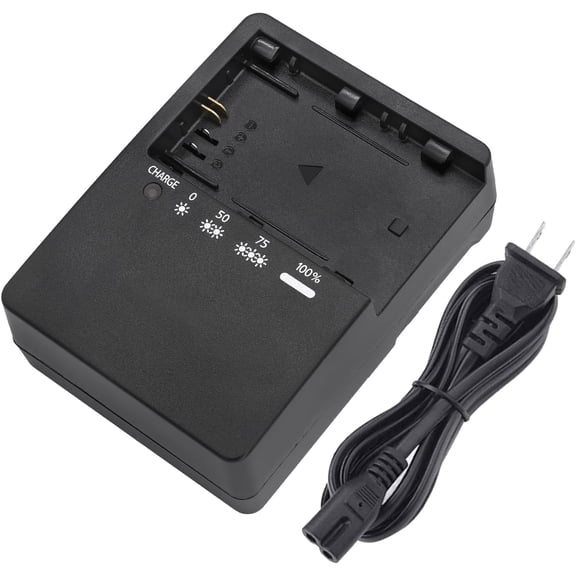
You should compare charger speed, slot count, and input type before you choose a charging setup. Rapid charger options can shorten downtime, while dual bays can prepare two packs in one session.
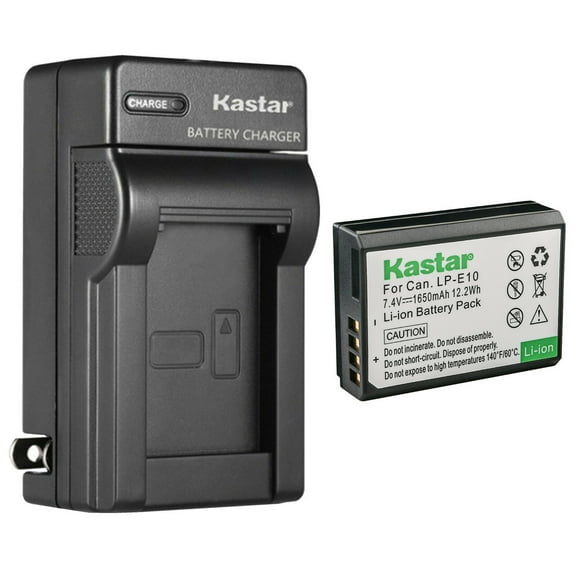
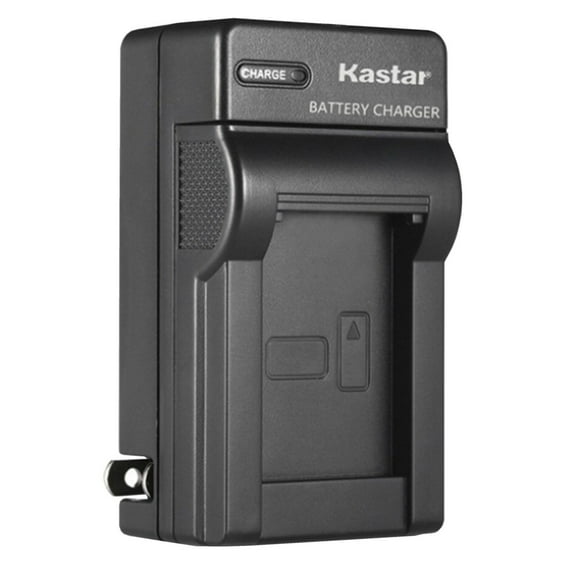
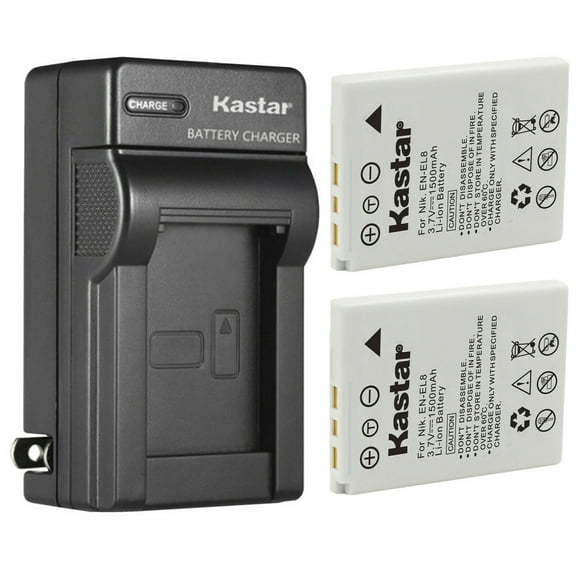
Wall charger designs work well when you want a simple home setup with a dedicated plug. Travel charger styles can fit neatly in your bag when you need compact gear for flights, road trips, or outdoor shoots.
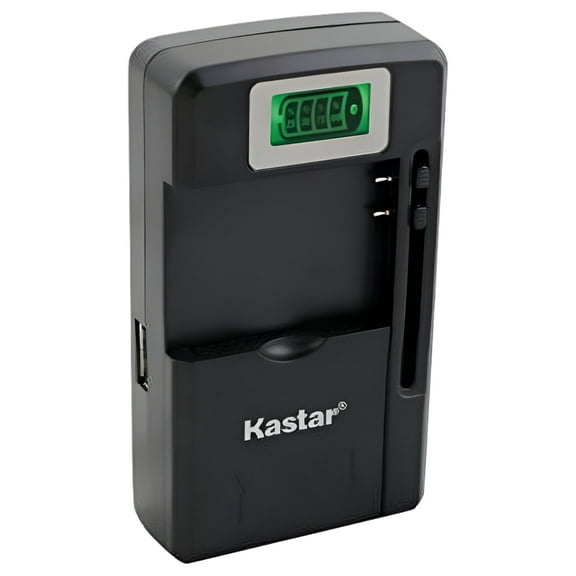
USB-C input is useful when you want one cable type across newer devices and accessories. You can also look for status lights or displays, because they help you check charging progress quickly.
If you use several batteries during one assignment, you may prefer dual USB charger formats for easier rotation. You’ll want to confirm supported battery codes, since charger fit matters just as much as camera fit.
Matching brand compatibility and use cases
You should compare brand compatibility carefully when you shop for replacements or backup power. Canon, Nikon, Sony, GoPro, and Fujifilm cameras often use distinct battery shapes, contacts, and codes.
For DSLR use, you may prioritize higher-capacity packs and a home charger for regular weekend shooting. For mirrorless kits, you might prefer compact spare batteries and USB-C charging for lighter travel gear.
If you record with a camcorder, you may want extended runtime and a charger that keeps backup packs ready. If you shoot action footage, you may prefer small digital camera batteries that recharge easily between rides or trips.
You can also build a more efficient setup by pairing battery quantity with your shooting habits. One spare may suit casual outings, while two or more charged packs can support events, vlogging, and day-long excursions.
Camera battery chargers for organized power management
You’ll get smoother shooting days when your charger style, battery code, and camera type all line up correctly. Your organized power kit can help you stay ready for photos, video, and travel without unnecessary downtime.