

How Much Is a Bike Tube? Bike Tire Tubes
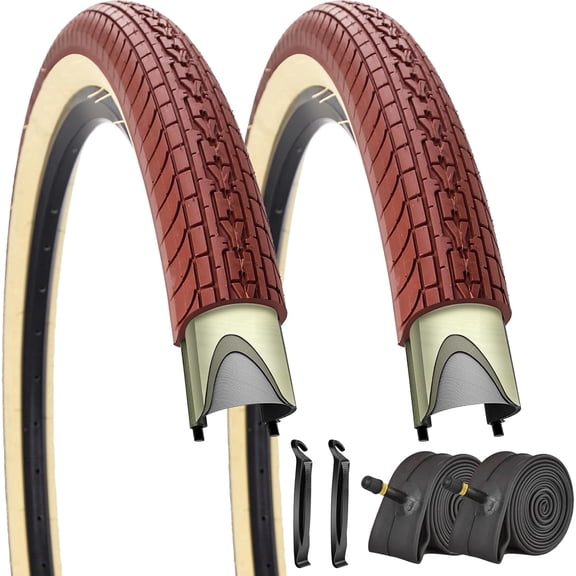

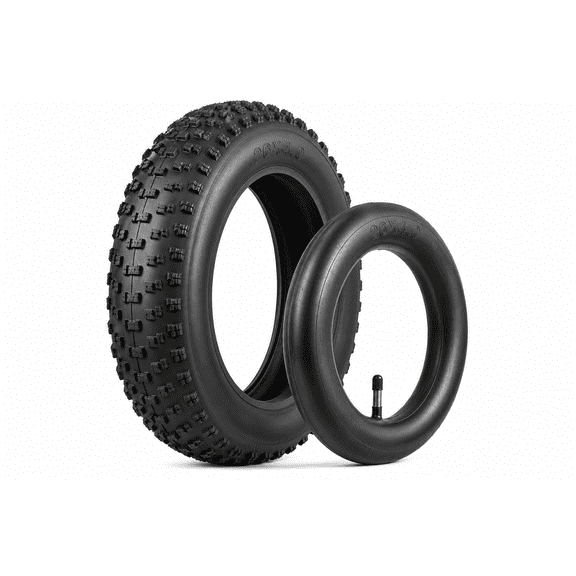
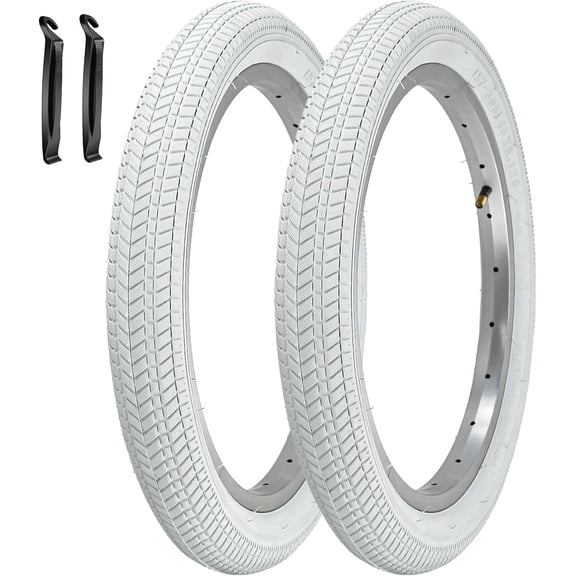

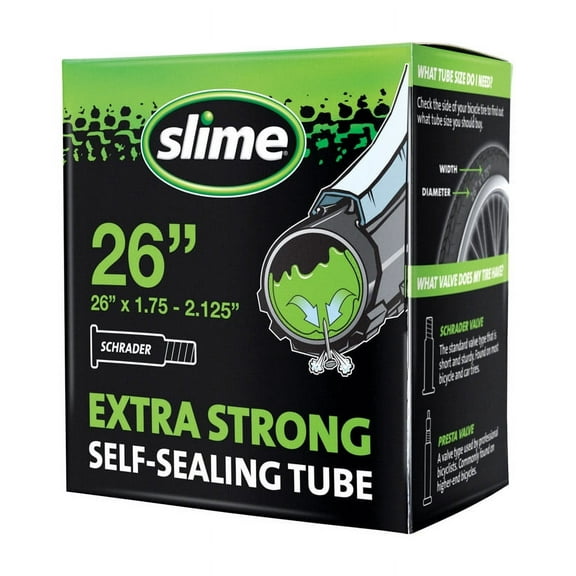



















About How Much Is a Bike Tube? Bike Tire Tubes - Walmart.com
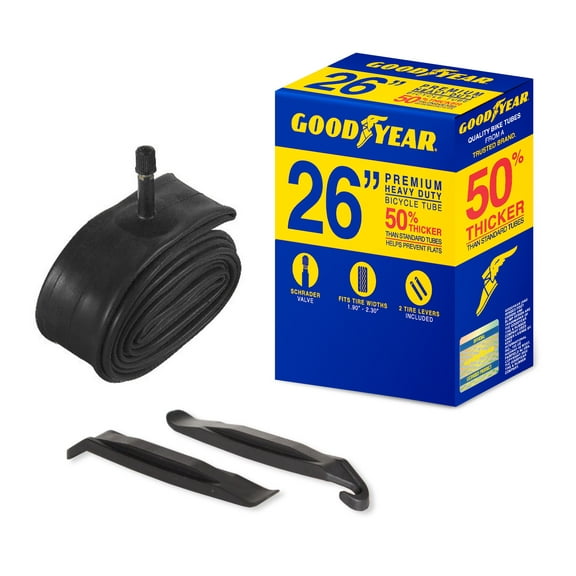
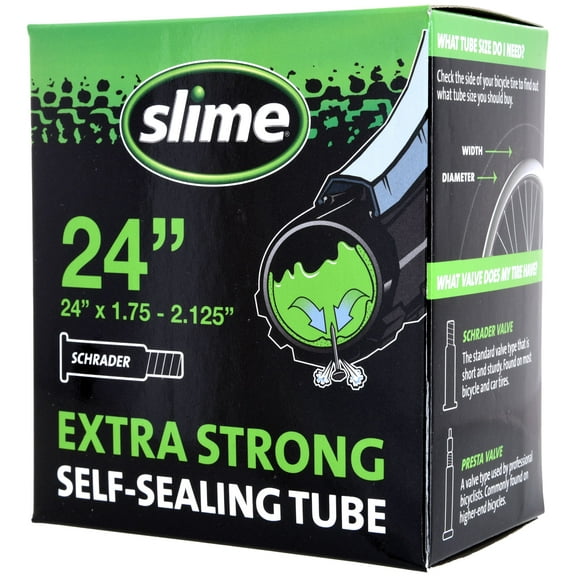
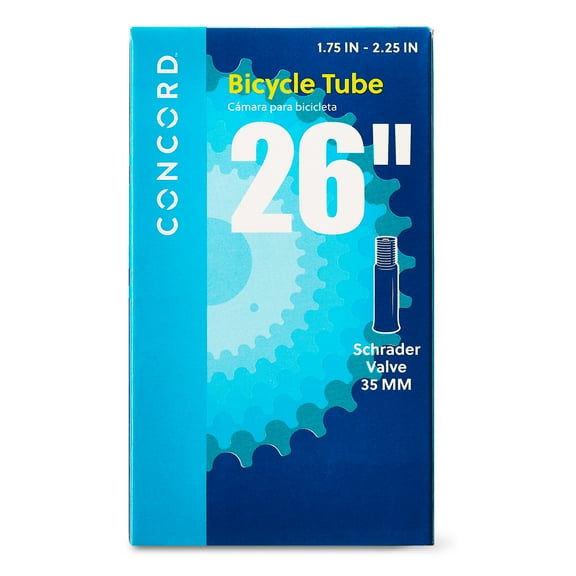
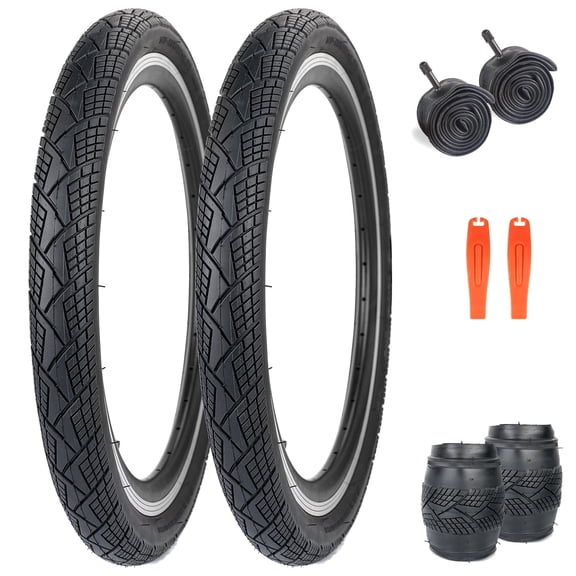
Bike tire tubes help you match your wheel size, valve type, and protection needs before you replace a flat. You can compare key fit details here, so your next tube works with your bike and pump.
Choosing the right bike tire tubes
When you compare bicycle inner tubes, you should start with valve compatibility and tire size. You can make replacement easier when your tube matches both details exactly.
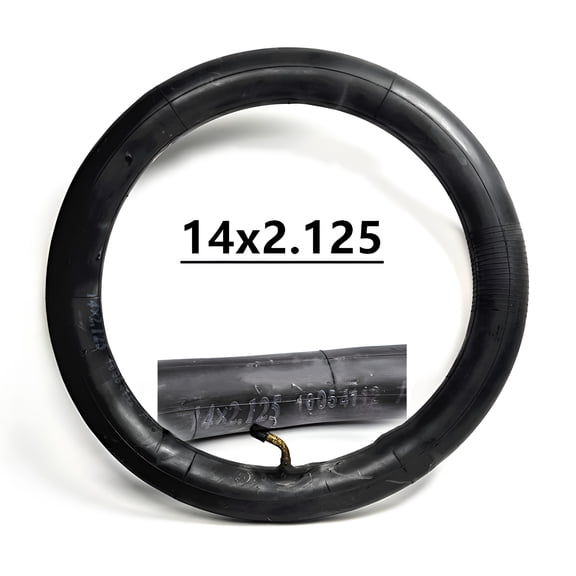
Look at your tire sidewall for diameter and width numbers before you compare options. You can then match that range to bike tire tubes made for your wheel size.
- You can choose Presta or Schrader valves based on your rim and pump connection.
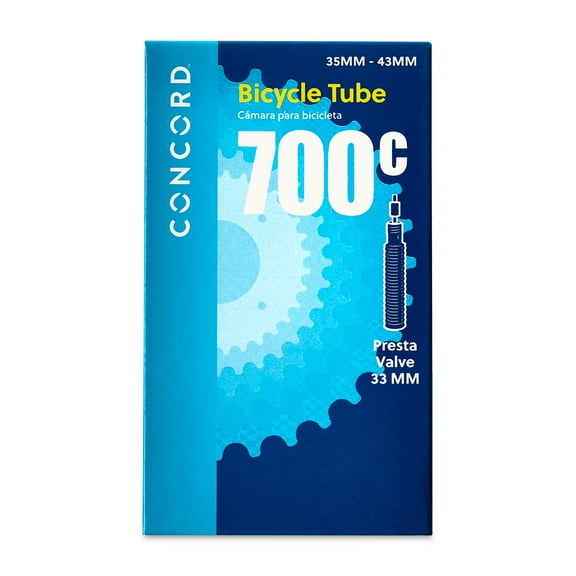
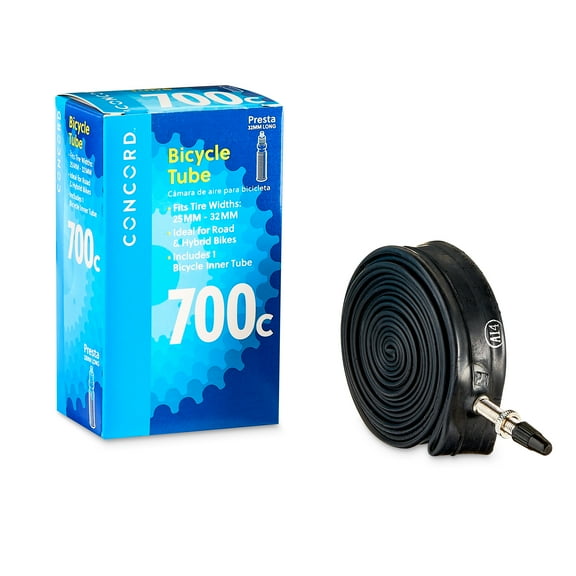
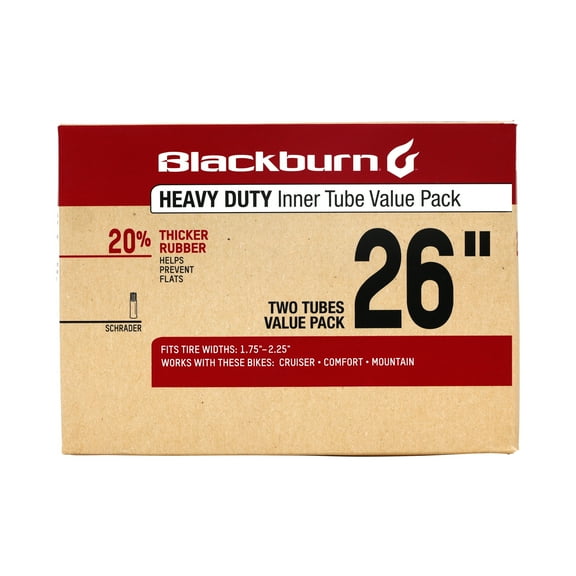
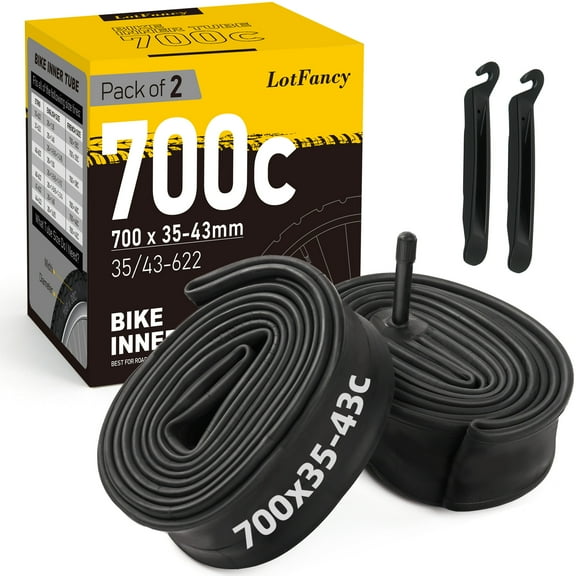
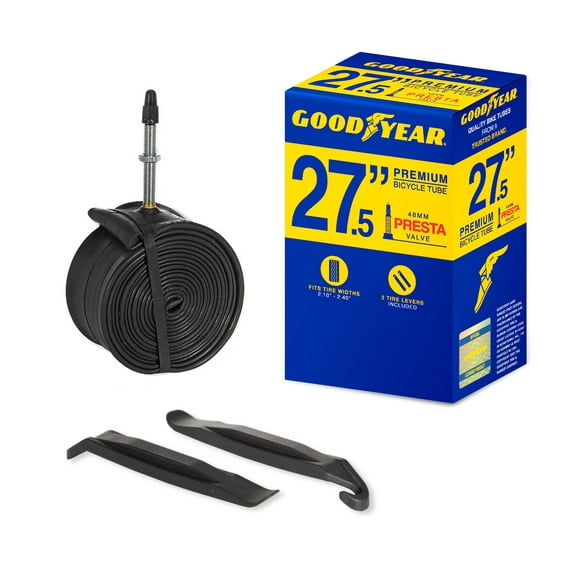
- You can match 26 inch, 27.5 inch, 29 inch, or 700c sizing to your tire.
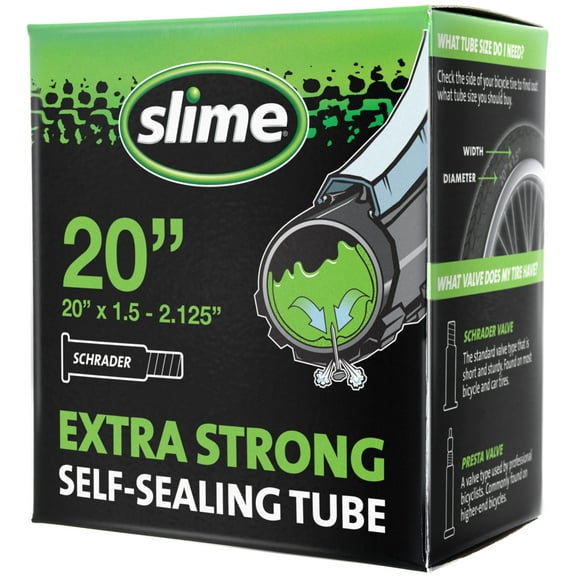
- You can select standard, puncture resistant, thorn-resistant, or self-sealing protection.
- You can narrow options by mountain, road, cruiser, or BMX riding needs.
If you ride often, you may want backup tubes ready for quick swaps at home or on the trail. You can also compare options faster when you know your bike type first.
Choosing bicycle inner tubes by valve type and size
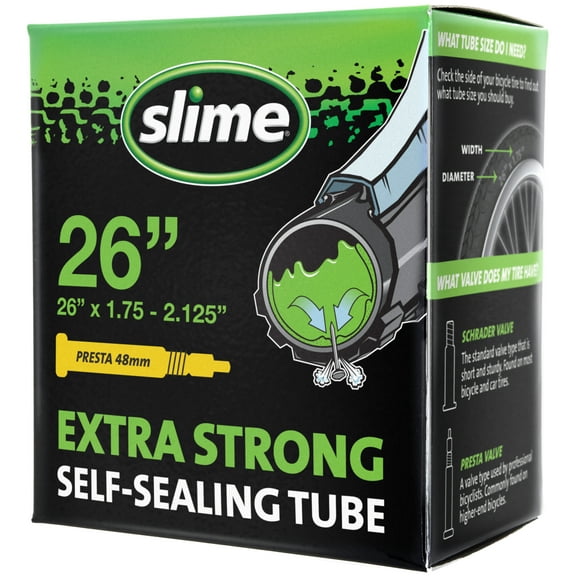
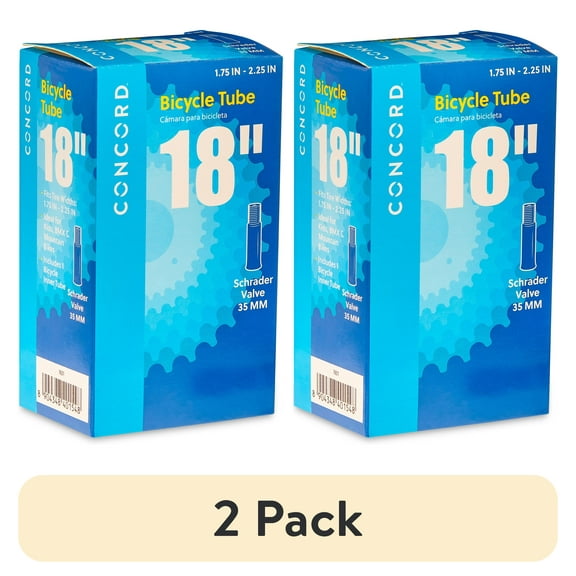
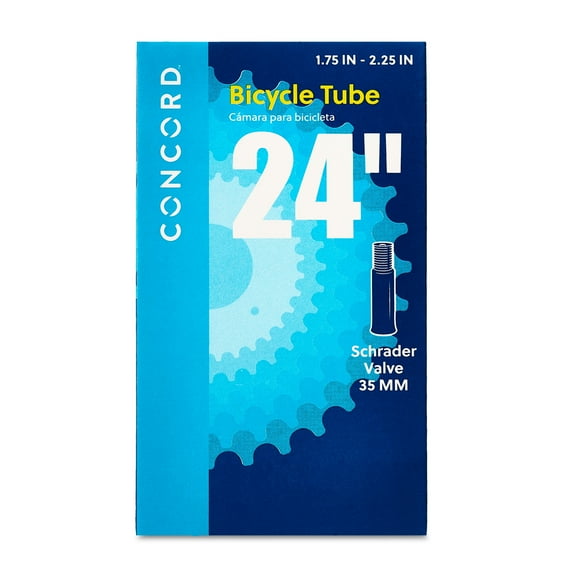
You should check whether your wheel uses Presta or Schrader before you buy. You can notice Presta valve bike tubes use a narrower stem, while Schrader valve bike tubes use a wider stem.
If your rim has a smaller valve hole, you may need Presta for a clean fit. If your bike uses a car-style valve, you may need Schrader for everyday inflation.
You should also compare stem length when you use deeper road rims. You can avoid fit issues by checking whether your valve reaches through the rim clearly.
For sizing, you should match the tube diameter to your tire exactly. You should also check that the tube width range covers your tire width, such as 29 x 2.0 to 2.4.
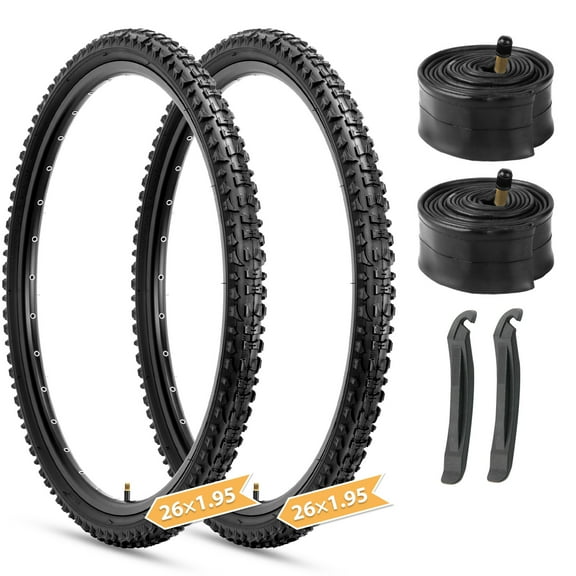
Mountain bike tubes usually fit wider tires and varied trail pressures. You can use that wider range to support trail setups with larger tire volume.
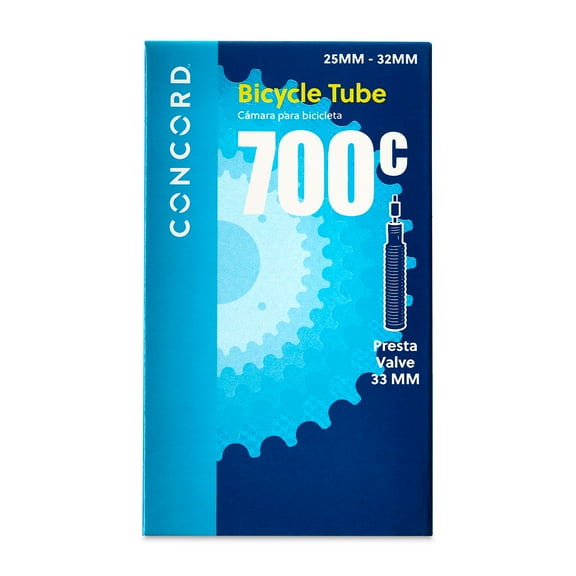
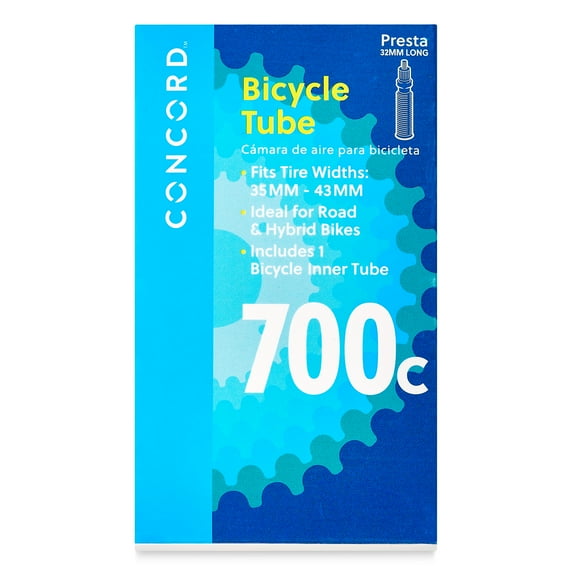
Road bike tubes feature designs tailored for narrow tire sizing and higher pressure setups. You should pay close attention to 700c sizing, valve length, and the listed width range.
Choosing protection levels for your ride
You can choose standard tubes when you want a straightforward replacement for everyday riding. You may like this option for paved paths, neighborhood rides, and routine upkeep.
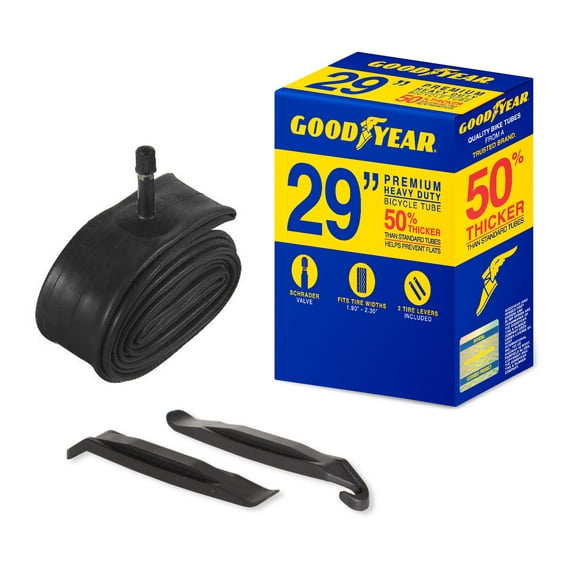
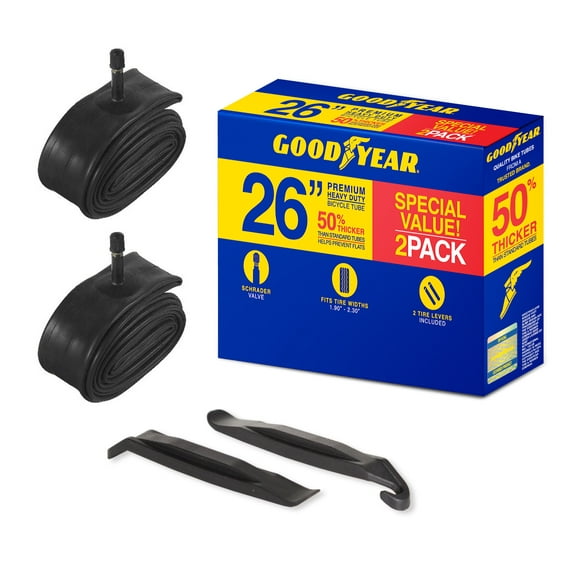
Puncture resistant bike tubes use thicker construction for rough surfaces and mixed terrain. You can consider them when your route includes debris, cracked pavement, or gravel edges.
Thorn-resistant options usually add extra material where sharp trail hazards are common. You can compare them for paths with goat heads, gravel shoulders, or dry roadside weeds.
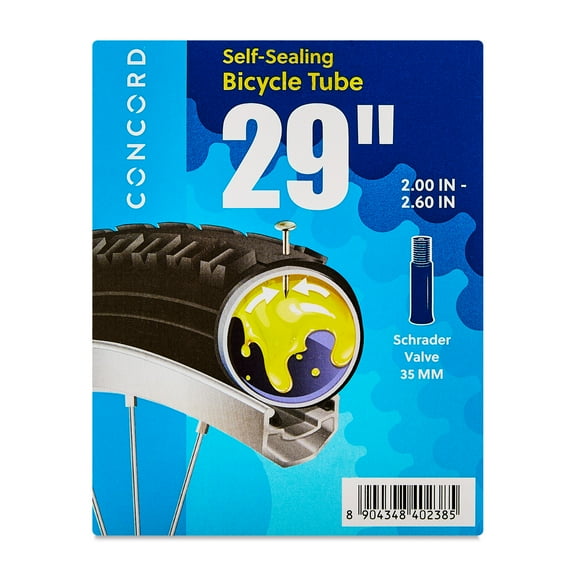
Self-sealing designs include sealing liquid inside the tube for small punctures. You may choose them when you want added convenience during commutes or longer recreational rides.
Heavy duty bike tubes can also make sense for seasonal tune-ups and regular outdoor riding. You should compare added thickness with your preferred ride feel and tire pressure range.
Matching bike tubes to your riding style
You should match your tube choice to how and where you ride most often. You can notice different setups suit mountain, road, cruiser, and BMX bikes.
Mountain bike tubes work with wider tires for dirt, rocks, and trail riding. You can focus on width range, valve fit, and added protection for uneven surfaces.
Road bike tubes suit narrow tires and fast pavement riding. You can check 700c sizing, longer valve options, and tube width ranges for deeper rims.
For cruiser bikes, you may want simple replacements for relaxed neighborhood riding. You can look for the right diameter and a valve style that fits your pump.
BMX riders often need compact sizing and dependable fit for frequent stops and starts. You should confirm the exact tire markings, since smaller wheel sizes can vary by setup.
What to check before you replace a tube
You should keep a few details in mind before you choose a replacement. You can reduce guesswork when you compare the tube with your tire markings, valve hole, and riding conditions.
Check whether your pump head fits Presta, Schrader, or both valve types. You can also keep tire levers and a patch kit nearby for easier maintenance.
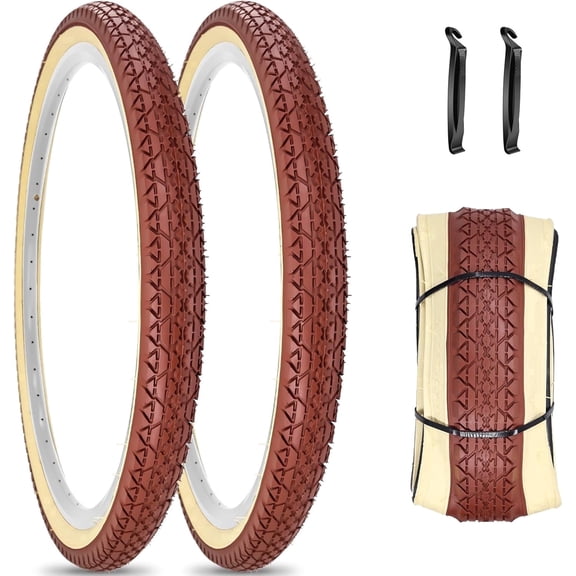
If you’re replacing a worn setup, you may also want to inspect the tire and rim strip. You can get a cleaner install when the whole wheel system works together.
With the right bike tire tubes, you can match your wheel size, valve type, and protection level with confidence. You can spend more time riding with a tube that fits your setup correctly.