

Thai Kitchen in Food & Grocery














About Thai Kitchen in Food & Grocery - Walmart.com
With Thai Kitchen ingredients, you can build curries, noodle bowls, and dipping sauces with pantry-friendly formats and clear dietary options. You can find canned coconut milk, glass-jar curry paste, and rice noodles that fit weeknight cooking and recipe prep.
How to choose Thai Kitchen products by type
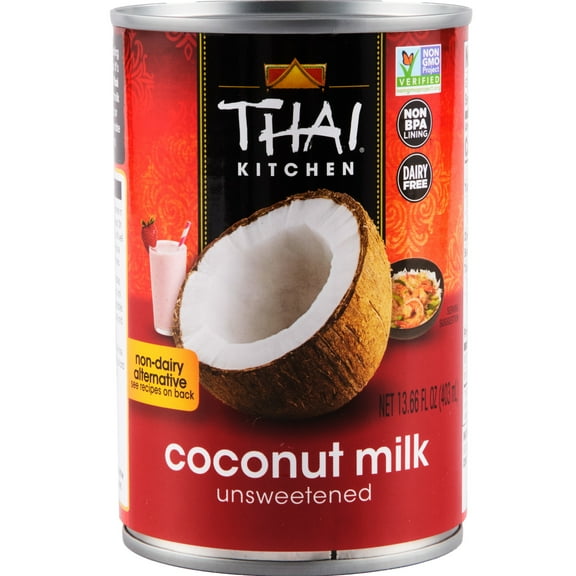
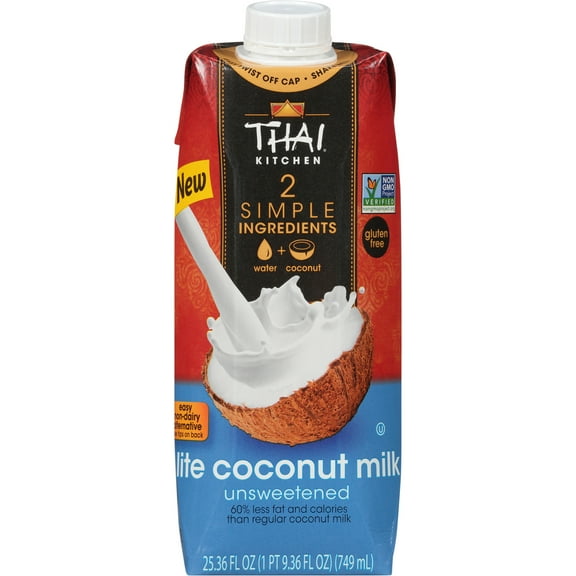
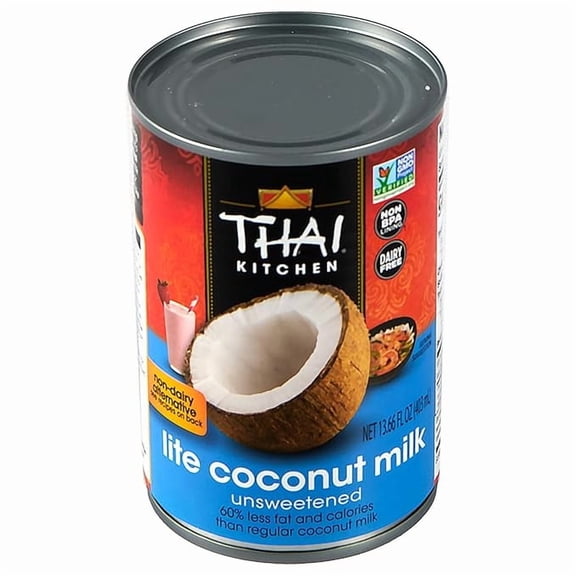
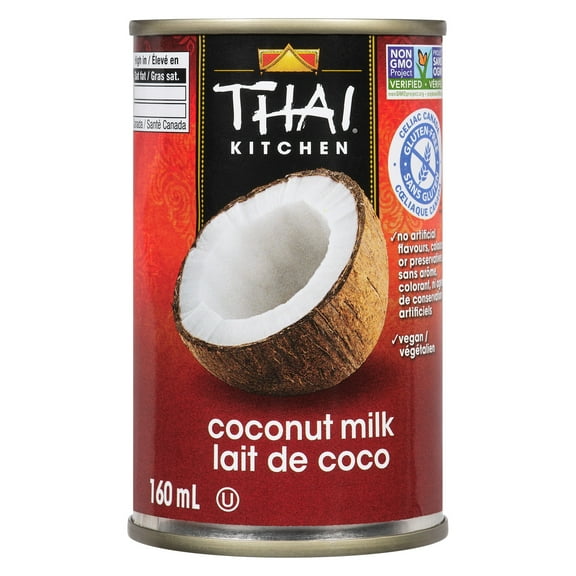
When you compare product types, you can match each item to the dish you want to make. You may start with Thai Kitchen coconut milk for creamy soups, curries, and sauces that need smooth texture.
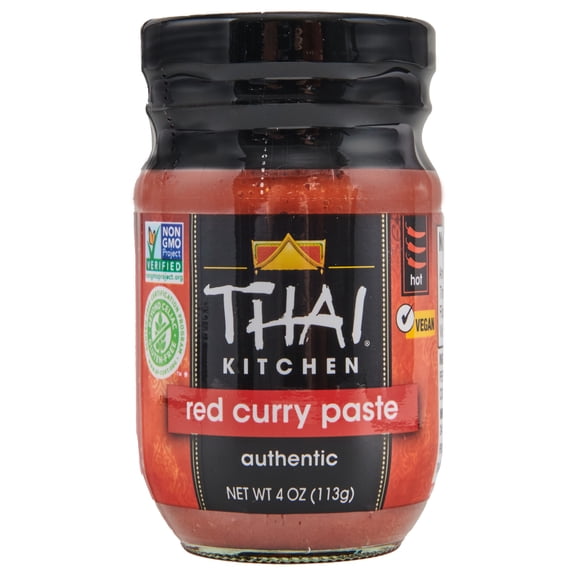
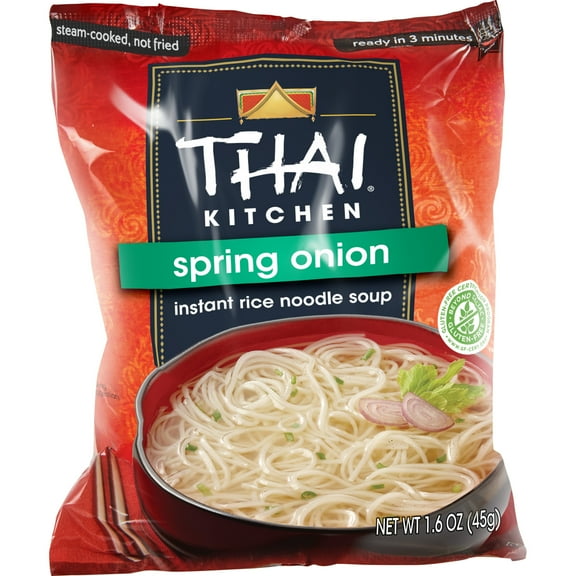
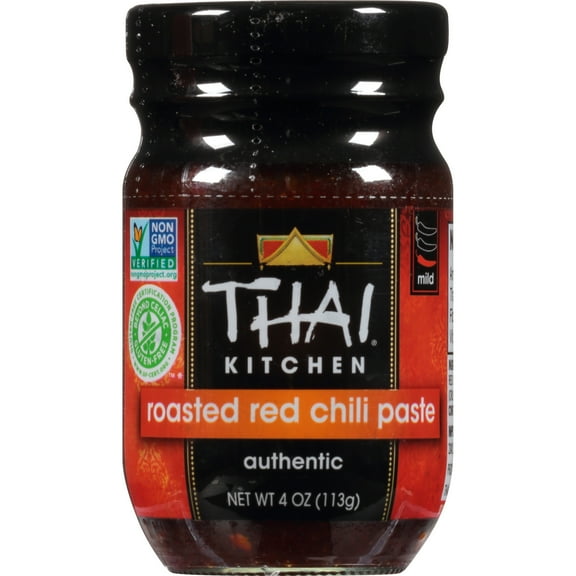
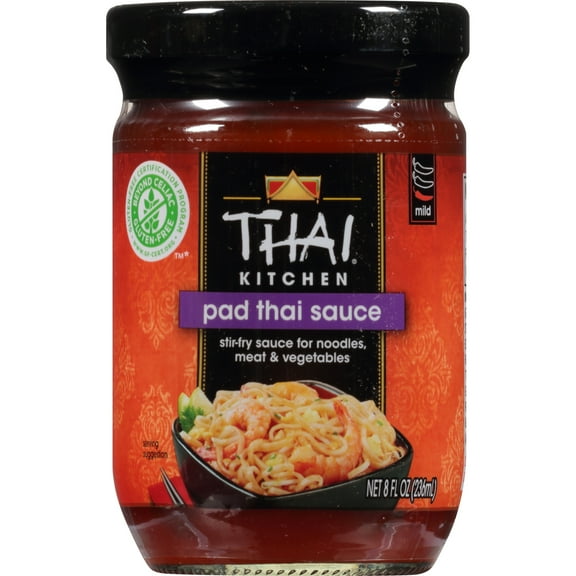
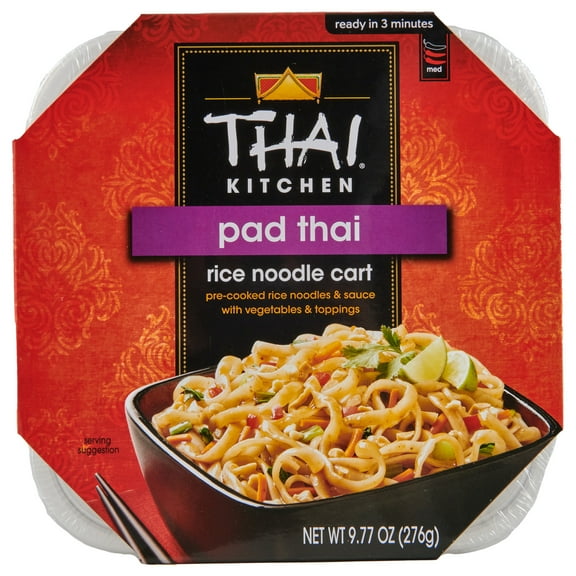
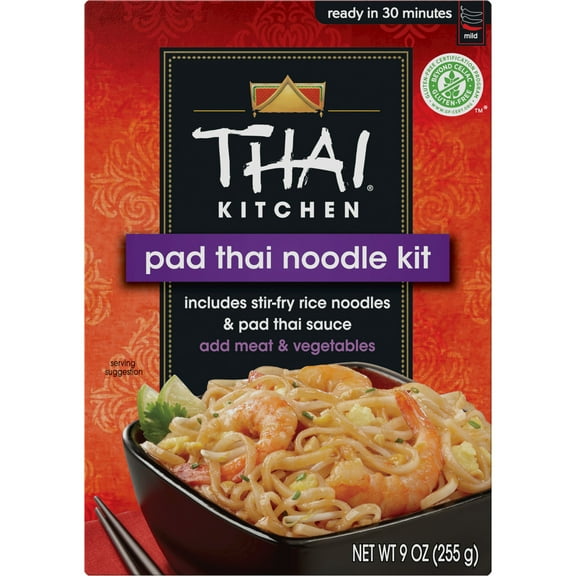
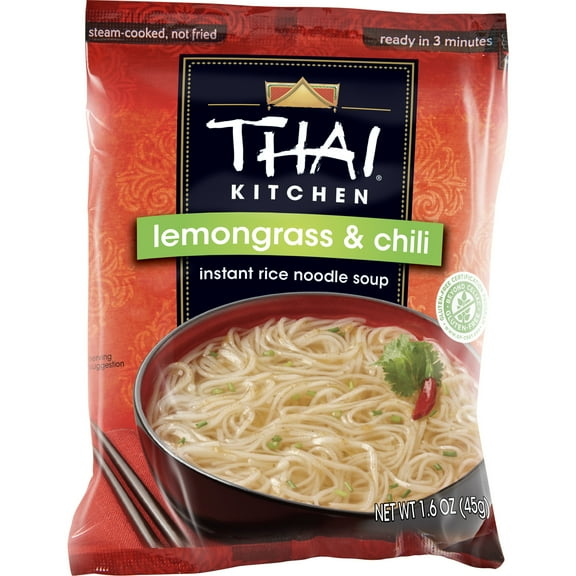
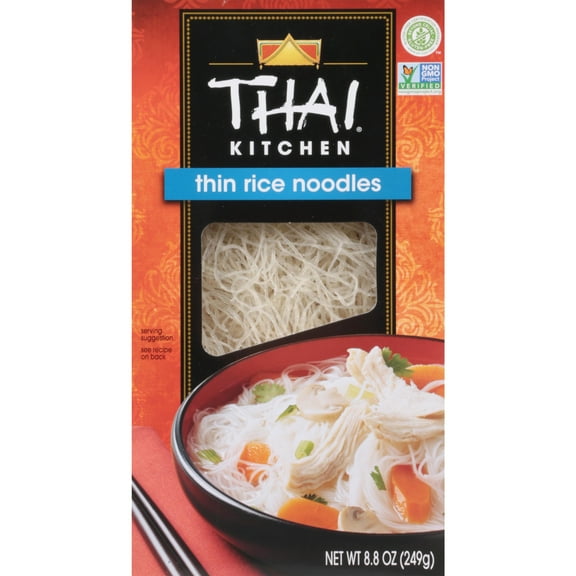
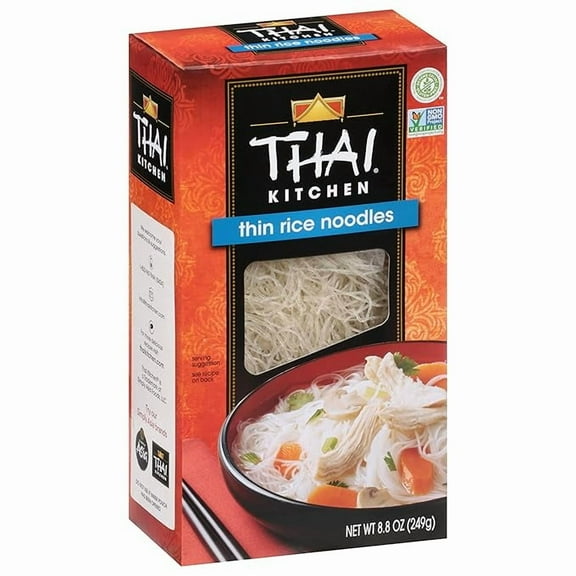
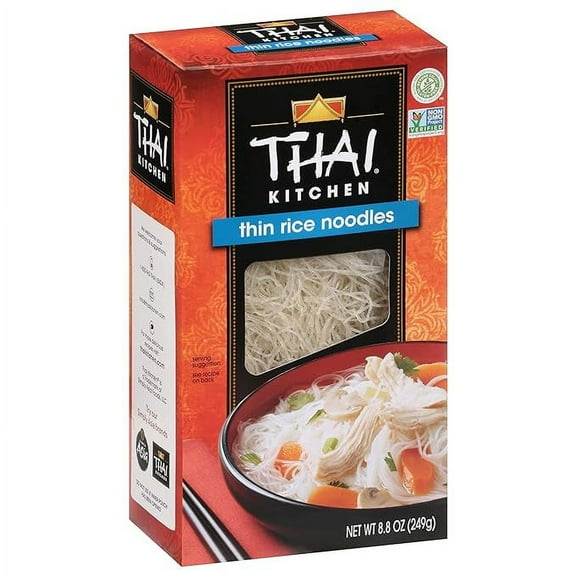
If you’re planning bold flavor, you can compare Thai Kitchen curry paste options for green curry, red curry, or pad thai recipes. You can also reach for Thai Kitchen rice noodles when you want quick-cooking noodles for stir-fry bowls and noodle salads.
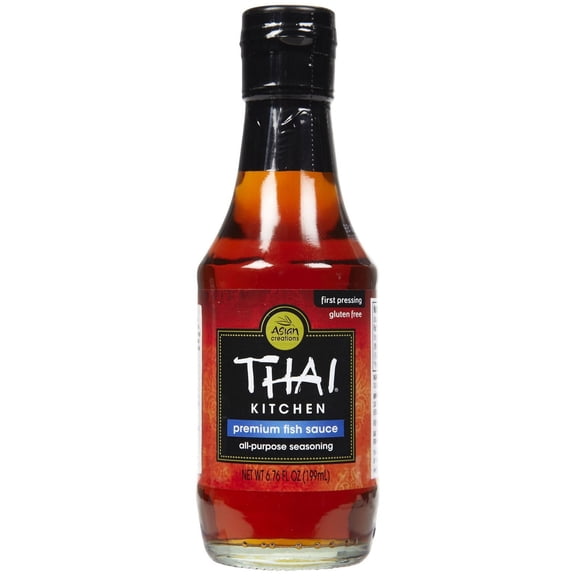
For finishing flavor, you can use sauces to add sweetness, tang, or heat without extra prep. You may notice Thai Kitchen sweet chili sauce works well for dipping, glazing, and drizzling over appetizers.
- You can use coconut milk for creamy bases, soups, and simmered sauces.
- You can use curry paste to build layered flavor with a small spoonful.
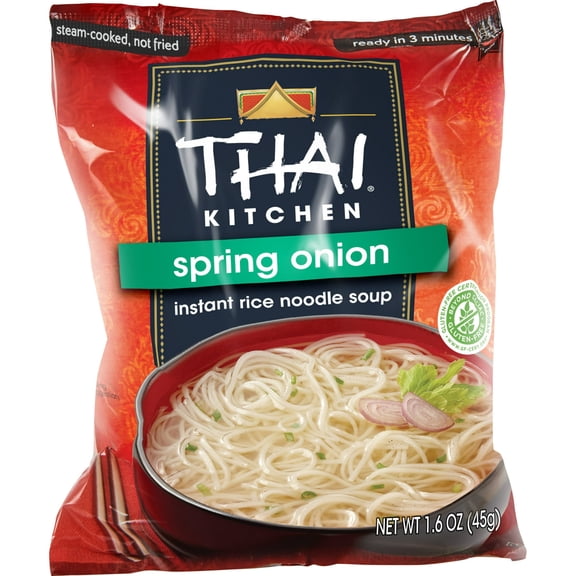
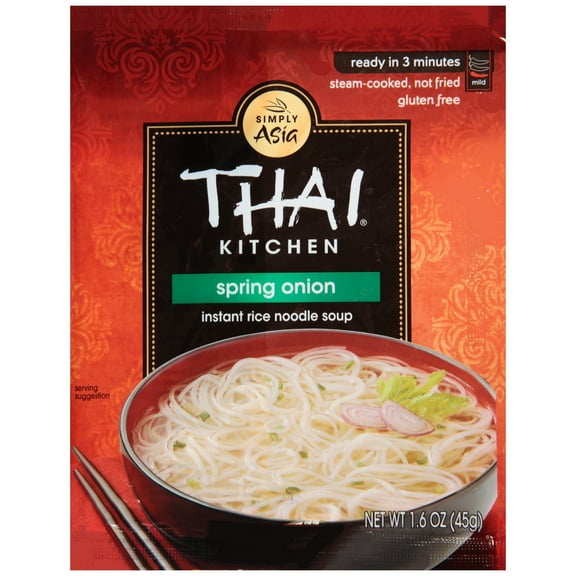
- You can use rice noodles for stir-fry dishes, soups, and cold noodle meals.
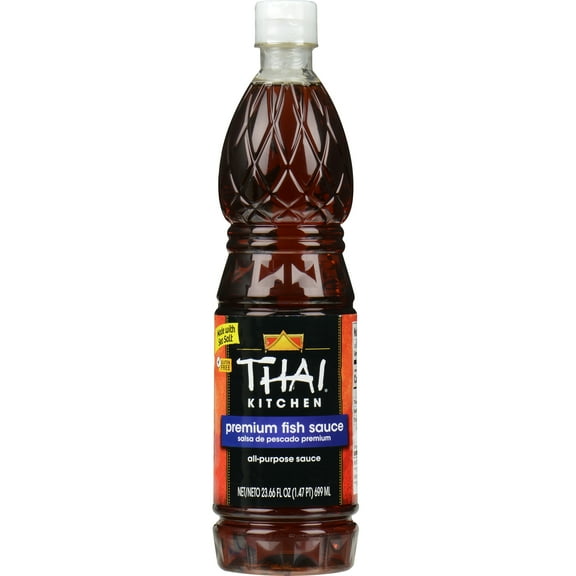
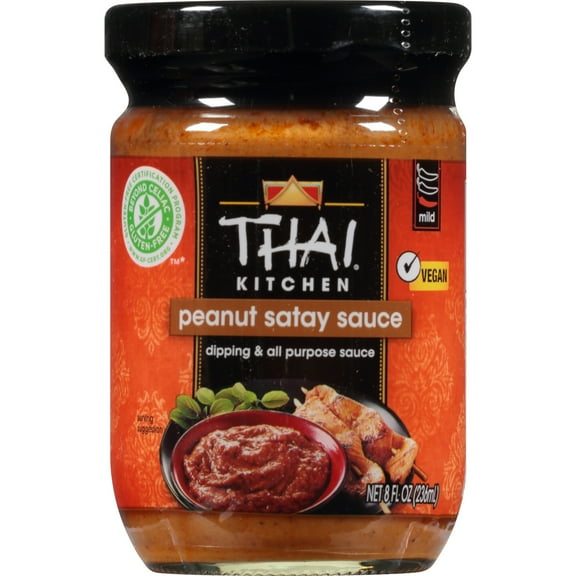
- You can use sauces for dipping, marinating, glazing, or table-side finishing.
Choosing dietary options in Thai Kitchen foods
If dietary details guide your cart, you can compare gluten-free, vegan, and dairy-free options across this assortment. You should check each label so your recipe plan matches your household preferences and ingredient needs.
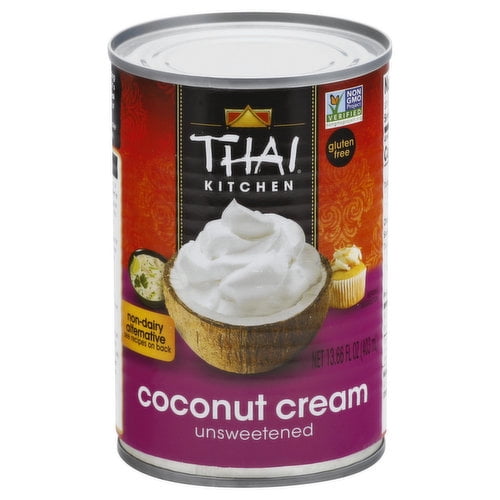
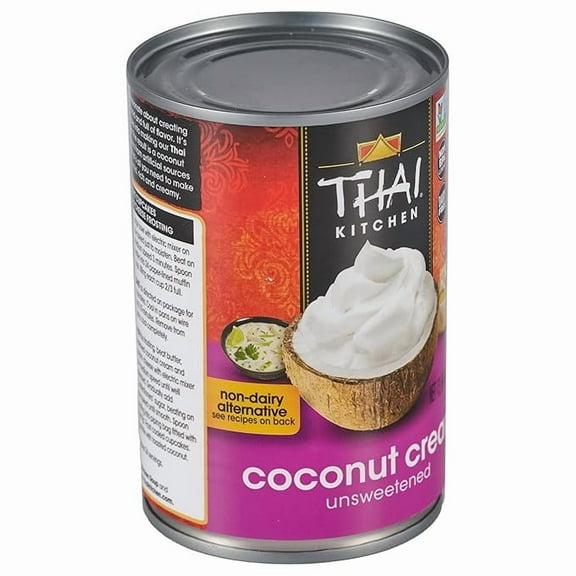
Rice noodles often appeal when you want a wheat-free noodle option for pad thai or soup night. Coconut milk and Thai Kitchen coconut cream can also help when you want richness without dairy ingredients.
You may prefer vegan pantry staples for vegetable curry, tofu bowls, or meat-free noodle dishes. When you review labels carefully, you can build meals with fewer substitutions and steadier flavor results.
What to look for in flavor profile and heat
Flavor profile shapes your meal, so you should compare green curry, red curry, sweet chili, and pad thai options before choosing. You can think about both spice level and the ingredients already going into your pan.
If you want a brighter, herb-forward dish, you may choose green curry paste for chicken, shrimp, tofu, or vegetables. If you want deeper chile flavor, you can choose red curry paste for richer sauces and heartier bowls.
Sweet chili options can suit dipping and glazing when you want sweet heat with less prep. Pad thai sauces can help you balance noodles, vegetables, and protein with a familiar sweet-savory finish.
You should also check whether the curry paste reads mild, medium, or hot for your table. When you match heat to your meal, you can keep the flavor balanced from the first bite.
Comparing packaging and recipe yield
Packaging format can change how you cook, store, and portion each ingredient. You can compare canned, glass jar, and squeeze bottle options based on how often you make Thai-inspired meals.
Canned coconut milk usually works well when your recipe needs a larger volume for soup or curry. You can measure the can size against your recipe so you’re not guessing on serving yield.
Glass-jar curry pastes can make portion control easier because you can spoon out only what you need. Squeeze-bottle sauces can also help when you want quick finishing flavor for wraps, bowls, or snacks.
If you batch cook, you may want formats that fit several meals across the week. When you compare volume and intended use, you can stock your pantry with less guesswork.
Using Thai Kitchen ingredients for everyday meals
You can build a fast dinner by pairing rice noodles with vegetables, protein, and a pad thai sauce. You can also simmer coconut milk with curry paste for a one-pan meal over rice.
For soup night, you may combine canned coconut milk with aromatics, broth, and noodles for a smooth, rich base. If you want dipping sauce for appetizers, you can keep sweet chili sauce ready for spring rolls or chicken skewers.
You can also match flavor to ingredients already in your kitchen. Green curry often pairs well with lighter vegetables, while red curry can suit richer proteins and roasted vegetables.
When you want meal variety, you can rotate noodles, curries, and sauces without changing your pantry strategy. That flexibility helps you cook Thai-inspired dishes with familiar ingredients and simple planning.
How Thai Kitchen supports confident meal planning
When you compare product type, dietary claim, flavor profile, and package format, you can choose ingredients with a clearer plan. You can cook with more confidence when each item matches your recipe, heat preference, and serving needs.