


SureFire Flashlights in Flashlights by Brand



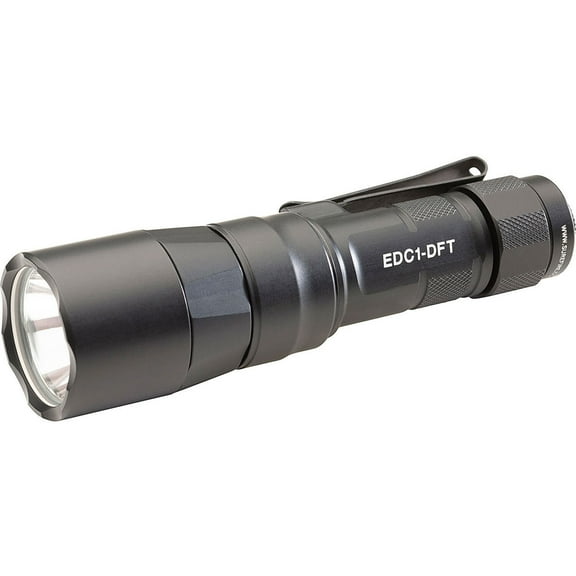


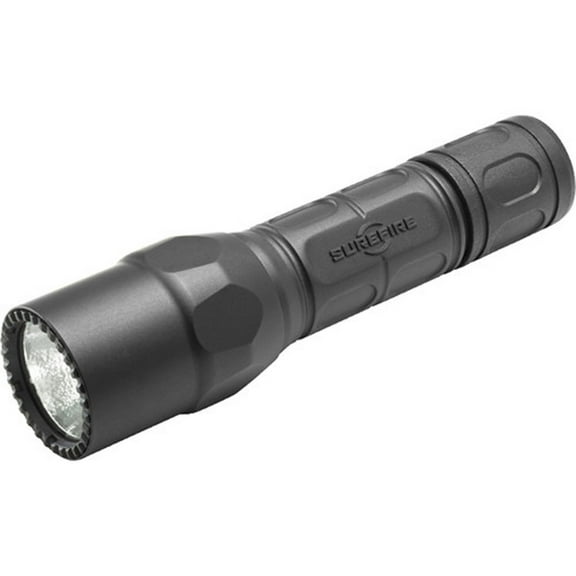

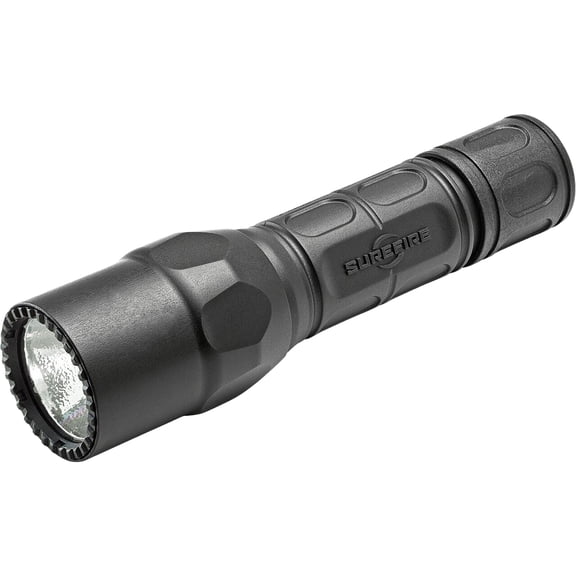
About SureFire Flashlights in Flashlights by Brand - Walmart.com
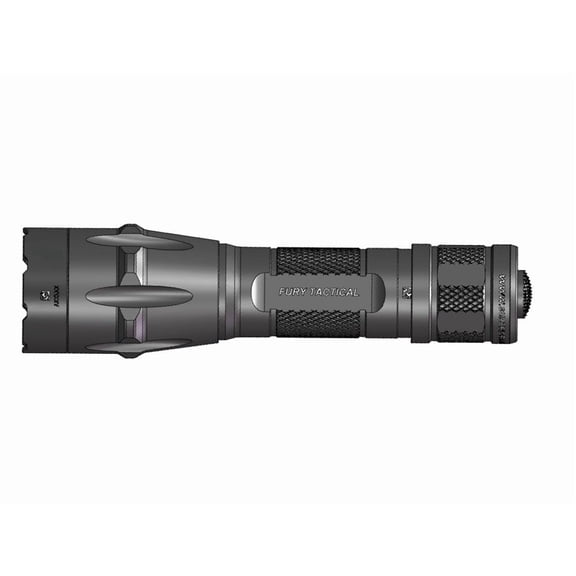
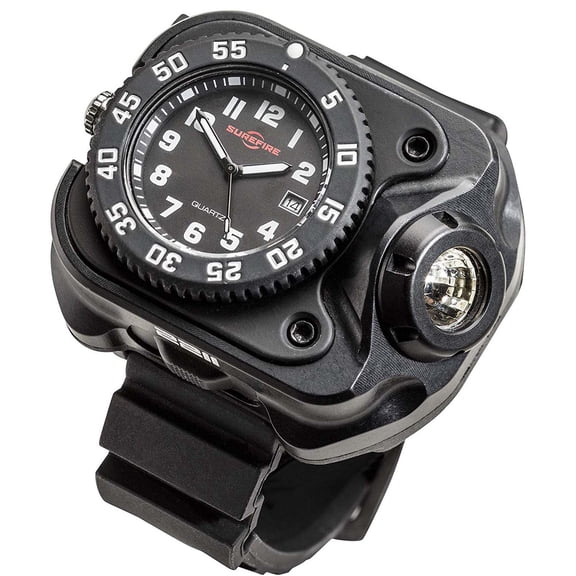
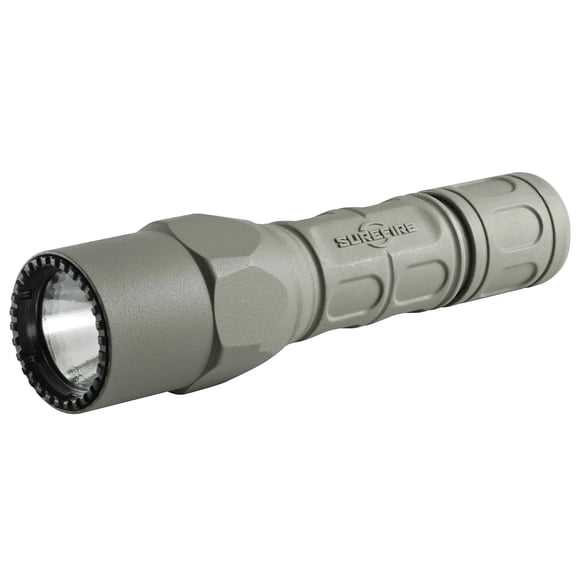
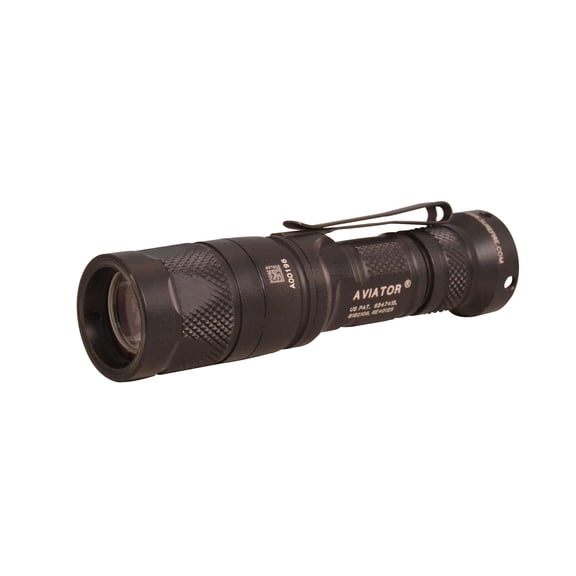
You can compare a surefire flashlight range by beam intensity, power source, and body material, so your light fits tactical, outdoor, and everyday carry needs. You’ll notice this category centers on professional lighting details, including candela, turbo output, dual-fuel flexibility, and durable housings.
If you’re narrowing options for duty use, campsite tasks, or glove-box storage, you’ll want decision support before you choose. You can use this guide to compare beam reach, battery formats, switch styles, and waterproof construction with less guesswork.
How to choose a surefire flashlight
You should start with the job your light needs to handle, because beam shape changes how you see your surroundings. You’ll usually want a focused hotspot for distance work, while your close-range tasks often benefit from broader spill.
When you compare this category, you’ll also see body materials that affect feel and durability in your hand. You can expect aerospace aluminum, nitrolon polymer, and hard-anodized finishes to represent different priorities for weight, grip, and field use.
You may find these category benefits especially useful when you compare models side by side. You’ll get clearer decision points when you match output, runtime, and switch style to your routine.
- You can choose high candela beams when your distance identification matters more than room-filling spill.
- You can pick dual-fuel formats when your charging access changes between home, work, travel, or outdoor use.
- You can select compact bodies for everyday carry or larger housings for gloves, longer runtime, and stronger beam control.
- You can compare tailcap activation styles when your one-handed use and rapid access matter.
You’ll also benefit from materials built for hard handling and repeated carry. You can look for textured bodies, hard-anodized finishes, and compact profiles that support holsters, packs, or pocket carry.
Choosing beam intensity: candela flashlight and flashlight turbo options
You should compare candela and lumens together, because they describe different parts of beam performance. You’ll use lumens to understand total light output, while you’ll use candela to judge beam intensity and distance.
If you want longer reach, you should consider a candela flashlight profile with a tighter hotspot. You’ll notice this style helps direct light farther down trails, across property lines, or toward distant objects.
For broader nearby visibility, you may prefer higher lumen output with more spill around the center beam. You can use that pattern for camp setup, gear sorting, vehicle checks, or general movement.
You may also see flashlight turbo settings when you compare performance-oriented lights. You’ll use turbo for short bursts of higher output when you need immediate brightness, stronger throw, or a wider scene check.
Before you choose, you should check whether your tasks call for long-range spotting or wide-area illumination. You’ll make a smarter pick when your beam profile matches hallways, trails, workspaces, or open outdoor areas.
Comparing power source and rechargeable options
You should treat power source as a major buying decision, especially if your routine changes often. You’ll commonly compare rechargeable, dual-fuel, CR123A lithium, and 18650 lithium-ion formats across this category.
If you want frequent reuse, a rechargeable surefire flashlight can simplify your routine between shifts or trips. You’ll often appreciate USB charging support through compatible 18650 lithium-ion setups that reduce battery swaps.
When you want flexibility, you should consider dual-fuel compatibility. You can run certain lights with rechargeable cells or CR123A lithium batteries, depending on what your schedule and gear setup allow.
You should also compare runtime expectations with output modes before you commit. You’ll often find that higher output and turbo use affect how long your light runs between charges or battery changes.
If you pack spares for travel, field kits, or emergency bins, CR123A lithium options can fit your routine well. You can keep sealed cells ready, while your rechargeable setup supports regular home or vehicle charging.
What to look for in switches and durability
You should compare activation styles carefully, because switch placement changes how your light feels in motion. You’ll usually see tactical tailcap click designs and shrouded switch layouts that support different grip preferences.
If you need quick one-handed activation, a tailcap setup may feel more direct in your hand. You can also compare shrouded designs when you want added control around accidental presses during transport.
Durability matters when your light rides in a pack, duty belt, glove box, or tool kit. You should look for aerospace aluminum or nitrolon polymer bodies, plus hard-anodized finishes that support repeated carry.
You’ll also want to check whether waterproof ratings like IPX7 or IPX8 appear in the specs. You can use those ratings as a simple guide when you compare wet-weather use, stream crossings, or storm-ready gear.
Impact resistance is another decision point worth checking before you buy. You’ll get more confidence from construction details that fit active outdoor use, repeated handling, and demanding work environments.
Matching your surefire torch to real use cases
You can narrow your choice faster when you match size, beam, and battery type to a real scenario. You’ll avoid overbuying output for simple tasks or underestimating distance needs for tactical and outdoor use.
For everyday carry, you may want a compact surefire torch with easy pocket carry and simple tailcap use. You’ll likely prefer balanced output, manageable weight, and a beam that handles sidewalks, vehicles, and dark corners.
If your focus is tactical use, you should compare high candela beams and fast activation controls first. You’ll often want stronger throw, firm grip texture, and durable body materials that support gear-heavy setups.
For search and rescue tasks, you may need beam distance and dependable power flexibility. You can compare dual-fuel lights when your access to charging changes and your runtime planning matters.
When your use leans outdoor, you should look at waterproof ratings, impact resistance, and broader beam utility. You’ll appreciate spill for campsite chores, trail checks, and equipment setup after sunset.
If you’re deciding between larger and smaller bodies, you should measure carry comfort against runtime and beam control. You’ll often find bigger housings suit gloves and longer sessions, while compact lights favor daily portability.
You can choose this category with more confidence when you compare candela, turbo, battery format, and housing material together. You’ll end up with a light that fits your carry style, reaches the right distance, and stays ready when conditions change.