


Nitecore Flashlights & Rechargeable Tactical Lights









About Nitecore Flashlights & Rechargeable Tactical Lights - Walmart.com
You can compare Nitecore flashlights by output, charging style, and carry format, so your light fits daily tasks, duty use, and outdoor trips. You may notice this brand focuses on compact bodies, high lumen options, and USB-C charging for practical, repeatable use.
How to choose Nitecore flashlights by type
You should start with flashlight type, because your carry style changes how a light feels and performs. You can compare tactical models, everyday carry lights, headlamps, and searchlights before narrowing your options.
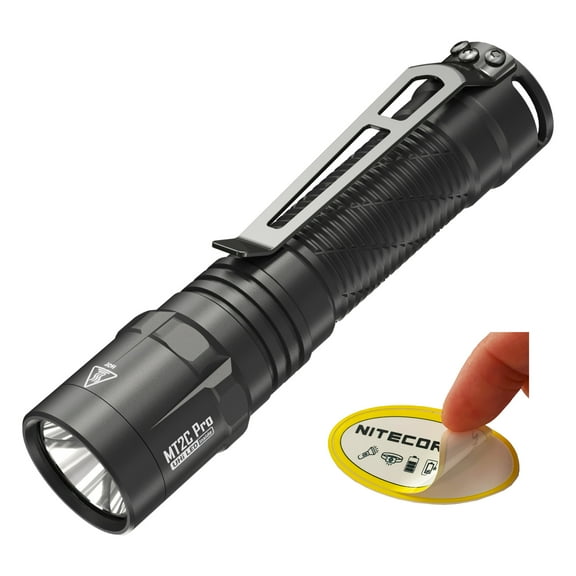
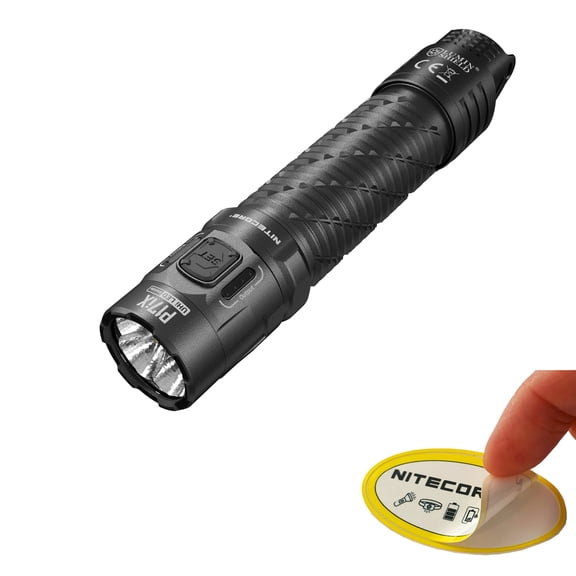
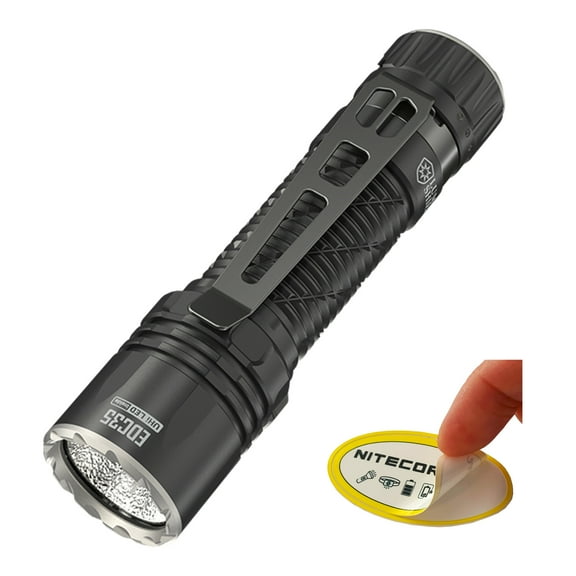
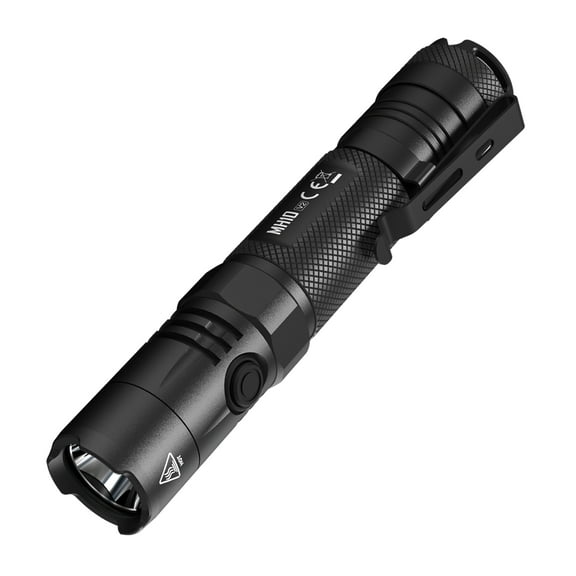
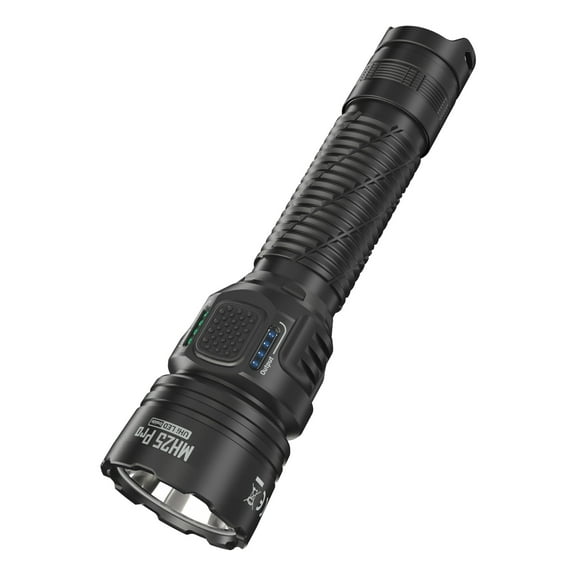
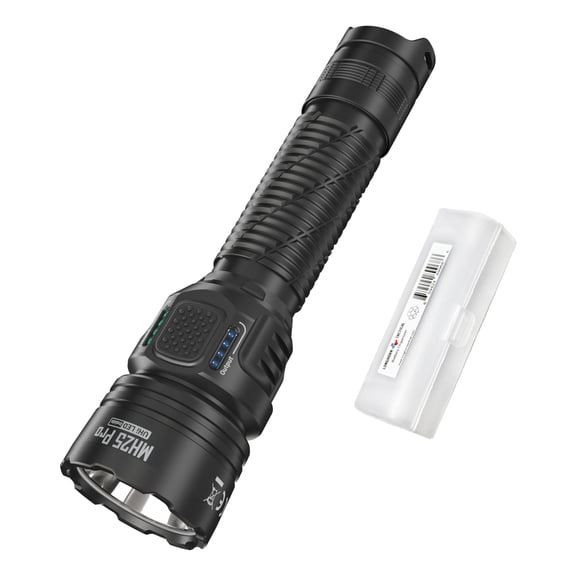
For quick access and glove-friendly controls, you may prefer Nitecore tactical flashlights with tail switches and focused beams. For daily pocket carry, you may want EDC flashlights that fit pouches, organizers, or smaller compartments.
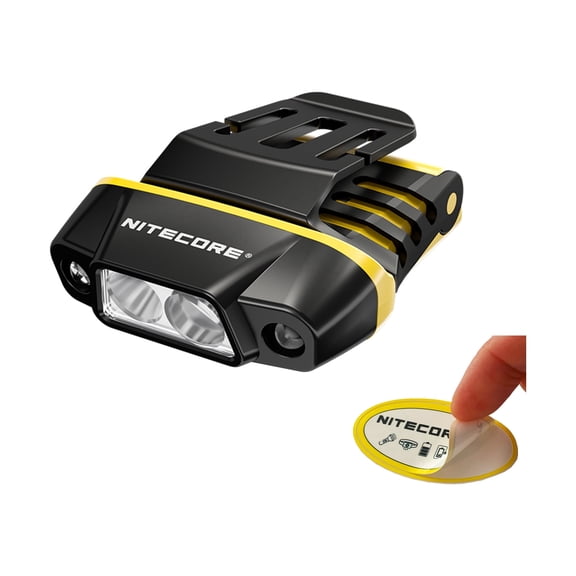
When your hands need to stay free, you should compare headlamps for camp setup, trail walks, and gear checks. When your priority is distance, you may look at searchlights with larger bodies and stronger throw.
Rather than chasing output alone, you can narrow options faster by matching the light to your routine. You may get a more useful fit when your size, switch style, and beam pattern match your task.
- You can choose tactical lights for duty belts, gear bags, and controlled one-hand use.
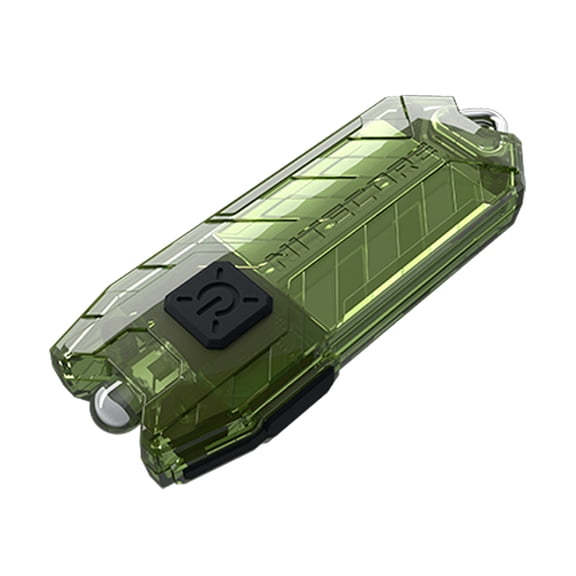
- You can choose EDC models when your pocket space and lighter weight matter every day.
- You can choose headlamps when your hands need to stay free for setup or repairs.
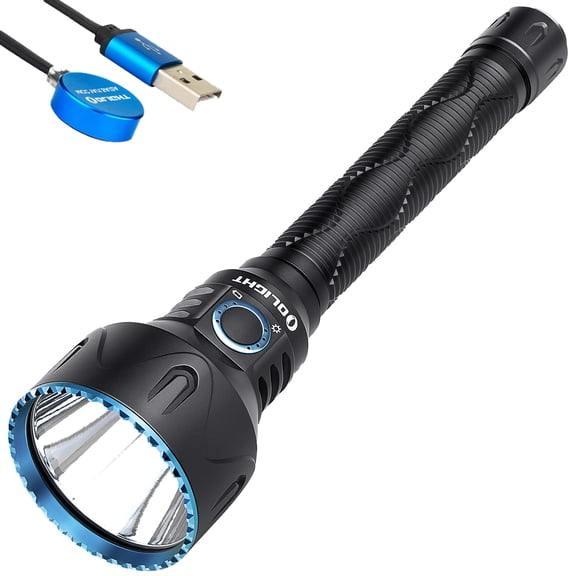
- You can choose searchlights when your priority is long throw and broader outdoor coverage.
Choosing Nitecore rechargeable flashlights and battery options
You should compare power source next, because your charging routine affects convenience, backup planning, and runtime expectations. You’ll commonly see rechargeable, USB-C, 18650 battery, and CR123A options across this category.
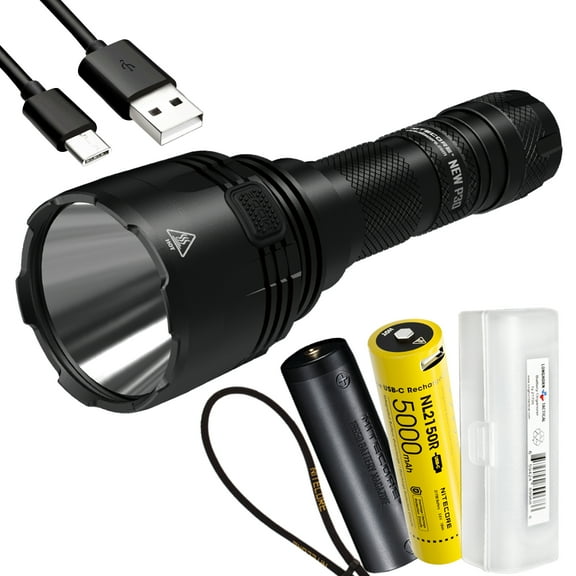
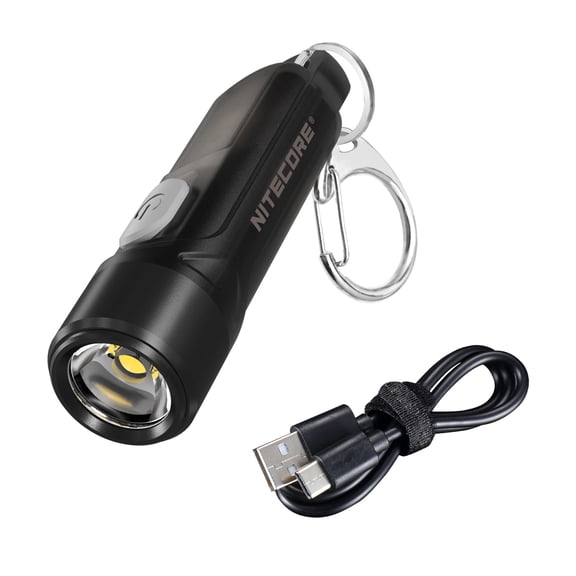
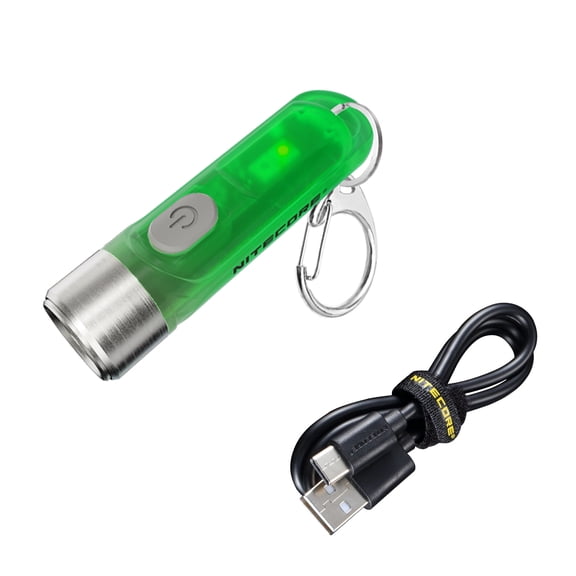
If simple charging matters, you may prefer Nitecore rechargeable flashlights with USB-C ports built into the light. You can keep your setup simpler for many travel, vehicle, and everyday carry situations.
When you compare 18650 battery compatibility, you should think about runtime, swap-ready setups, and charger preferences. You may like this format when you keep spare cells ready for longer shifts or outdoor use.
If CR123A compatibility fits your routine, you can keep compact backup cells in your pack or vehicle kit. You should check whether your light supports one battery type or multiple options.
You may also see a Nitecore battery charger in related gear when you build a complete power setup. You should compare charging ports, indicator lights, and included battery details before choosing.
Comparing Nitecore led flashlights by lumen output
You should compare lumen range and beam distance together, because bright output alone doesn’t show how a light reaches. You can make a clearer decision when you check high lumen ratings beside throw distance.
For close-range utility, you may only need micro-lumen and low modes for maps, tents, or nightstand use. You can favor longer runtime and less glare during indoor tasks.
For broader versatility, you may look at 1000 lumens as a strong range for many outdoor and gear uses. You can use that level for trails, campsites, garages, and general inspections.
If you need stronger reach, you may compare high lumen flashlights that climb toward 4000 lumens and beyond. You should pair that output with beam intensity and reflector design for meaningful distance.
You should also check whether Nitecore led flashlights use dual-beam or quad-LED designs for your preferred coverage. You may notice some setups favor wide flood, while others support clearer distance viewing.
When beam intensity and throw distance matter, you should read those specs in plain terms. You’ll want higher candela and longer throw when your use involves open fields, property checks, or search tasks.
What to look for in durability and everyday handling
You should check water and impact ratings if your light will ride in a pack, pocket, or duty setup. You’ll often see IPX8 and drop-test information that helps you compare daily durability.
If a model lists IPX8, you can expect a design intended for wet weather and repeated outdoor use. You should still compare seals, port covers, and body construction for your routine.
When you review drop-test claims, you should look for the stated height and the light’s materials. You may see aluminum bodies, textured grips, and pocket clips that support regular handling.
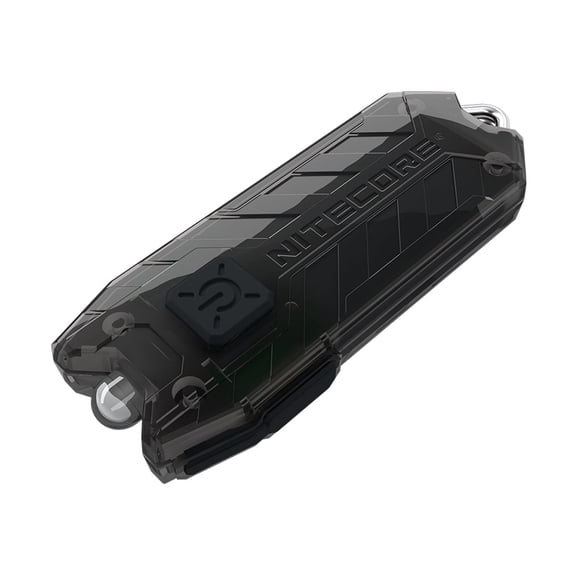
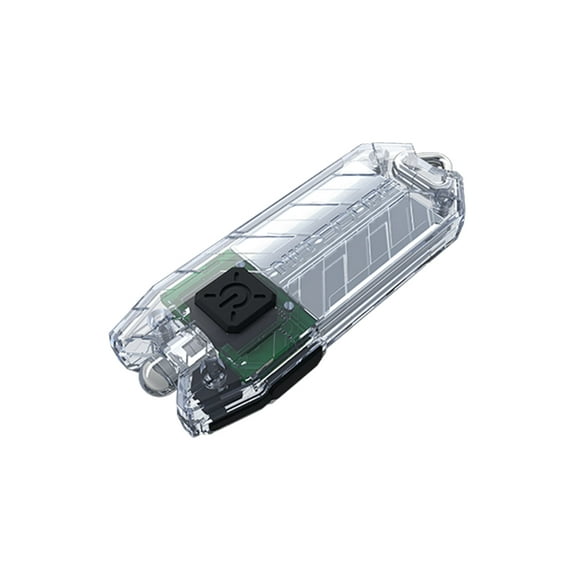
You can also compare length, weight, and switch placement before you commit to a carry style. You may notice that a compact body feels easier in a pocket, while a larger tube supports firmer control.
Matching your light to real-world use
You can make your choice easier when you match attributes instead of shopping by one spec alone. You may get a clearer fit when your flashlight type, battery setup, and beam pattern work together.
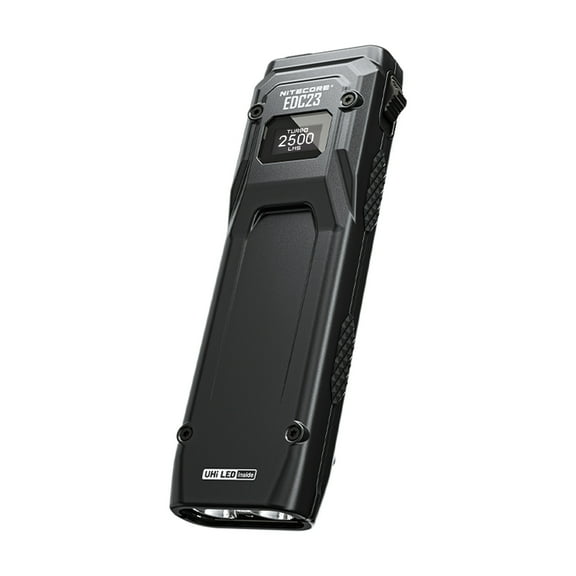
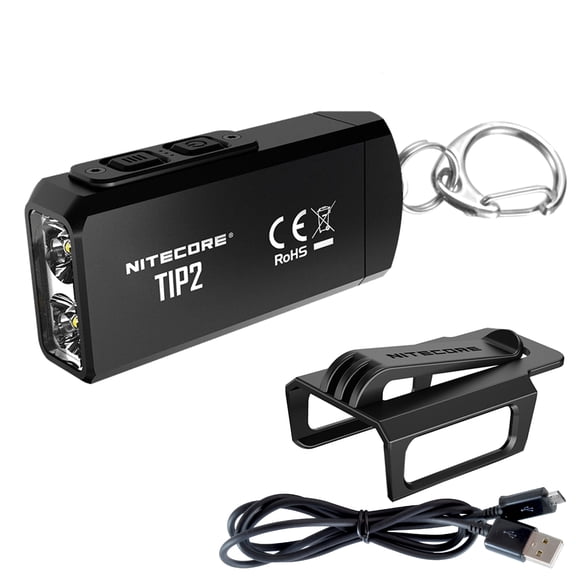
For everyday carry, you may prefer an EDC model with USB-C charging and moderate output. You can keep a pocket-friendly tool ready for quick checks, walks, and household tasks.
For training, duty gear, or vehicle kits, you may want tactical flashlights with higher beam intensity. You may prefer tail-switch access, firmer grip texture, and rechargeable or spare-cell flexibility.
If you camp or hunt, you can compare outdoor camping flashlights and hunting flashlights with longer throw and stronger runtime planning. You should look for beam distance, weather-ready construction, and charging options that fit your trip.
For workbenches, garages, and backup kits, you may choose a rechargeable LED light with several output modes. You can adapt brightness for close tasks or wider spaces without carrying multiple tools.
You can shop with more confidence when your flashlight specs match how you actually carry and use it. You may end up with a light that fits your routine, your charging habits, and your preferred beam performance.