

Inflatable(3)
Home Accents Holiday 6 Ft. Inflatable Reindeer $49.99

Home Accents Holiday 6 Ft. Inflatable Reindeer
8 ft Inflatable Dinosaur Sprinkler Outdoor Water Play Toy $299.98

8 ft Inflatable Dinosaur Sprinkler Outdoor Water Play Toy
Inflatable Floating Cooler Bundled with 1 Person Lounger Floating Tube 4 Pack $114.09

Inflatable Floating Cooler Bundled with 1 Person Lounger Floating Tube 4 Pack
FAQ
What does inflatable mean?
“Inflatable” refers to items designed to fill with air so they hold shape and function. On this page, that can include yard decorations, pool floats, floating coolers, bounce houses, and airbeds.
- Typically made of vinyl, PVC, or nylon with sealed or stitched seams.
- Inflated by an electric or hand pump, or a built-in blower (some run continuously).
- Lightweight and portable, and they deflate for compact storage.
- Product specs often note size, material thickness, and valve type.
Because features vary by item, it’s a good idea to review the product description and safety guidelines to understand setup, capacity, and recommended use. Choosing the right style can help you get the durability and convenience you’re after.
What age is a bounce house for?
Age guidance depends on the specific model, so checking the product’s listed recommendations is the best starting point. Many smaller home units suggest use by younger children, while larger styles may accommodate older kids within set limits.
- Follow the label: Look for manufacturer-stated age, weight, and occupancy limits.
- Supervise: Adult supervision is recommended, and mixing big and small kids is usually discouraged.
- Set up safely: Anchor with stakes or sandbags as directed; avoid high winds and wet surfaces.
- Blower use: Some models need continuous airflow from the included blower.
These practices can support safer play, but conditions vary. Always use the guidance on the specific product page for the most accurate fit.
Does inflatable mean blow-up or air-filled?
In everyday shopping, “inflatable,” “blow‑up,” and “air‑filled” are often used interchangeably. The main difference is how the item holds air:
- Sealed inflatables: Pool floats, airbeds, and many toys are filled once and capped. They may need occasional topping off.
- Continuous-blower inflatables: Yard decorations and many bounce houses stay upright with constant airflow from a blower.
- Self-inflating: Some items have a built-in fan or pump for quick setup.
When browsing, terms like “airbed,” “pool float,” or “yard inflatable” can help you land on the right category. Checking the product description for valve type and whether a blower is required can clarify setup and what accessories you’ll need.
Which pump do I need for inflatables?
The best pump depends on the item’s valve and how much air it needs. A quick check of the product page can point you to the right style.
- Pool floats and toys: High‑volume, low‑pressure pumps (electric or hand) with multi‑nozzle adapters work well.
- Airbeds: Use a pump compatible with the bed’s valve; some airbeds have built‑in pumps.
- Yard inflatables/bounce houses: Many include a dedicated blower sized to the unit; match the blower’s outlet and airflow if replacing.
Avoid overinflation, monitor during filling, and follow the manufacturer’s setup steps. Results can vary based on conditions like temperature and altitude, so small pressure adjustments may be helpful after setup.
How should I store inflatables between seasons?
Good storage can help extend the life of your inflatable. A few simple steps can make the next setup smoother.
- Clean and dry: Wipe off dirt and let it fully dry to help prevent mildew.
- Deflate gently: Open valves or turn off the blower, then press air out without overstressing seams.
- Fold loosely: Avoid sharp creases; fold around seams instead of against them.
- Protect parts: Keep stakes, tethers, and repair patches together in a labeled bag.
- Store smart: Place in a cool, dry spot away from direct sunlight and pests.
Before the next use, do a quick inspection and top off air as needed. Individual care needs can vary by material and design.
Popular in Inflatable Products from Top Brands
Related Products
LookOurWay Air Dancers Inflatable Tube Man complete Set with 1/4 HP Blower, 6-Feet, Red
LookOurWay Air Dancers Inflatable Tube Man complete Set with 1/4 HP Blower, 6-Feet, Red
Gemmy Christmas Airblown Inflatable T Rex w/Gift, 7.5 ft Tall, Green
 Gemmy Christmas Airblown Inflatable T Rex w/Gift, 7.5 ft Tall, Green$59.99current price $59.99
BigMouth Inc Inflatable Water Resistant Giant Cupcake Yard Sprinkler
 BigMouth Inc Inflatable Water Resistant Giant Cupcake Yard Sprinkler$34.95current price $34.95
Light Blue Cyan 8 Foot Tall Inflatable Tube Man Air Powered Waving Puppet, Air Blower Motor Included with 6ft Solid Colored Dancer by Feather Flag Nation
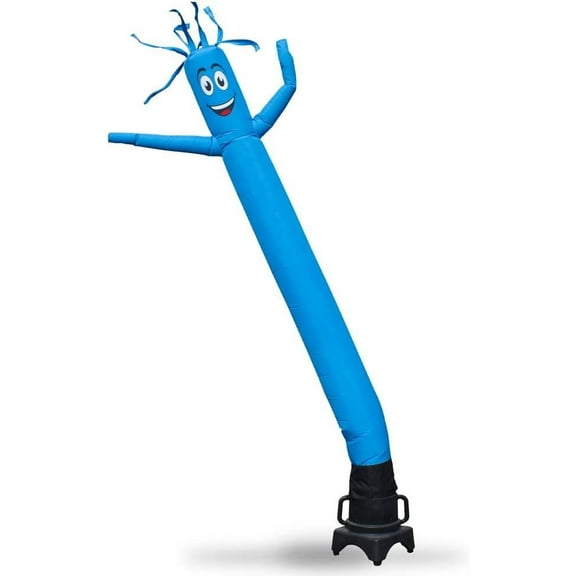 Light Blue Cyan 8 Foot Tall Inflatable Tube Man Air Powered Waving Puppet, Air Blower Motor Included with 6ft Solid Colored Dancer by Feather Flag Nation$139.99current price $139.99
Gemmy Hanging Halloween Inflatable Zero with Blinking Lights, 3 ft Tall, Multi
 Gemmy Hanging Halloween Inflatable Zero with Blinking Lights, 3 ft Tall, Multi$34.39current price $34.39
2 PACK Cool Yellow Inflatable Banana (46") Vinyl. Safe Inflate Fruit. Pool Toy. Party Decoration.
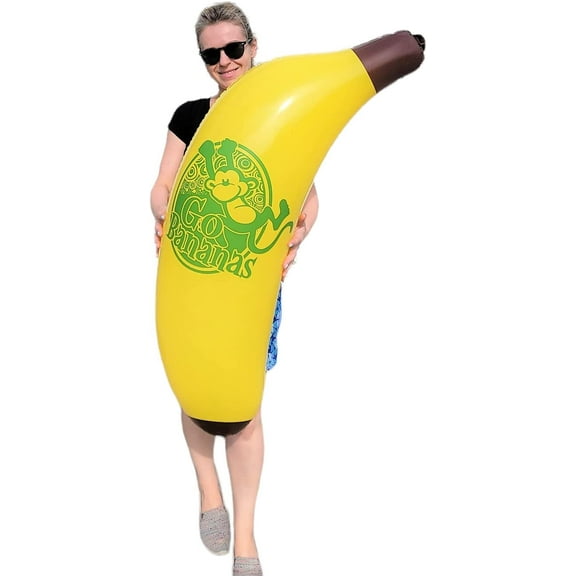 2 PACK Cool Yellow Inflatable Banana (46") Vinyl. Safe Inflate Fruit. Pool Toy. Party Decoration.$9.99current price $9.99
Deer Inflatable Animal 36 inch Tall Great for pool, Holiday decoration, birthday,home décor,room décor, for kids and adults by Jet Creations AN-DEER3
Deer Inflatable Animal 36 inch Tall Great for pool, Holiday decoration, birthday,home décor,room décor, for kids and adults by Jet Creations AN-DEER3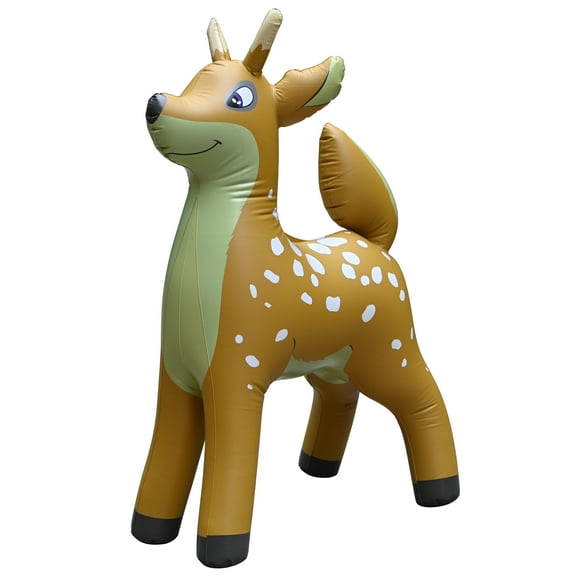
Gemmy Christmas Airblown Inflatable Chase in Santa Hat w/Wreath Nick, 3 ft Tall,
 Gemmy Christmas Airblown Inflatable Chase in Santa Hat w/Wreath Nick, 3 ft Tall,$44.99current price $44.99
GOOSH Christmas Inflatable 7.5 FT Christmas Inflatables Dinosaur, Christmas Dinosaur Inflatable Blow Up Christmas Dinosaur with Built-in LEDs, Christmas Outdoor Decorations Clearance for Xmas/Holiday
 GOOSH Christmas Inflatable 7.5 FT Christmas Inflatables Dinosaur, Christmas Dinosaur Inflatable Blow Up Christmas Dinosaur with Built-in LEDs, Christmas Outdoor Decorations Clearance for Xmas/Holiday$49.99current price $49.99
Feather Flag Nation BBQ Barbecue Tall Inflatable Tube Man Air Powered Waving Puppet Yard Inflatable, 20'
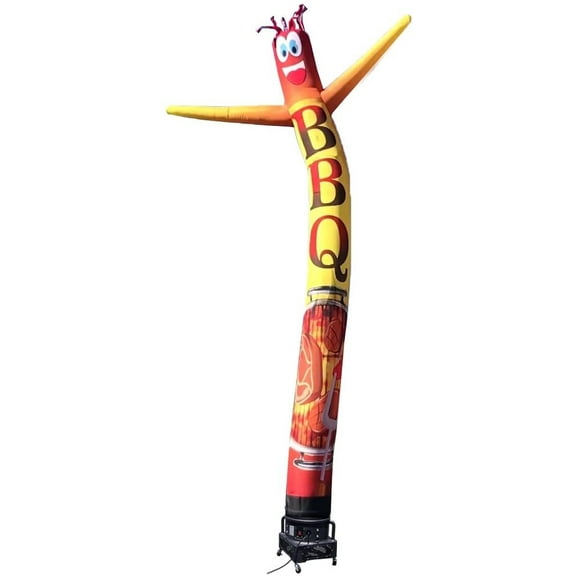 Feather Flag Nation BBQ Barbecue Tall Inflatable Tube Man Air Powered Waving Puppet Yard Inflatable, 20'$79.99current price $79.99
American Flag USA 20 Foot Tall Inflatable Tube Man Air Powered Waving Puppet for Outdoors, Replacement Dancer Only
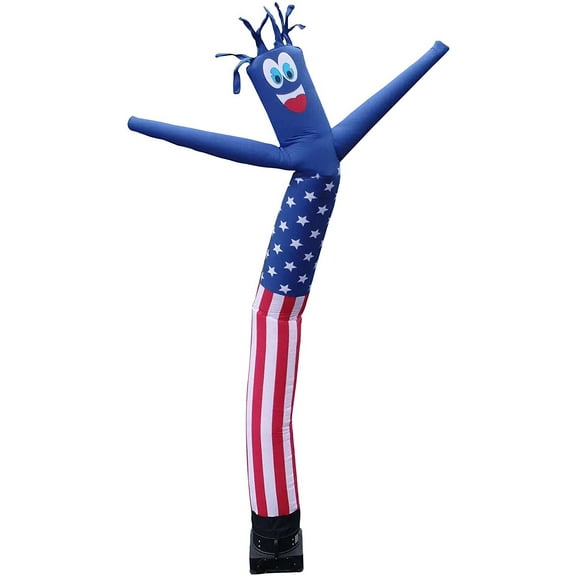 American Flag USA 20 Foot Tall Inflatable Tube Man Air Powered Waving Puppet for Outdoors, Replacement Dancer Only$64.97current price $64.97
