


Find tires that fit
Let’s search for tires that fit your vehicle.Hoosier Tires: Racing, Lawn Mower & Specialty Tires
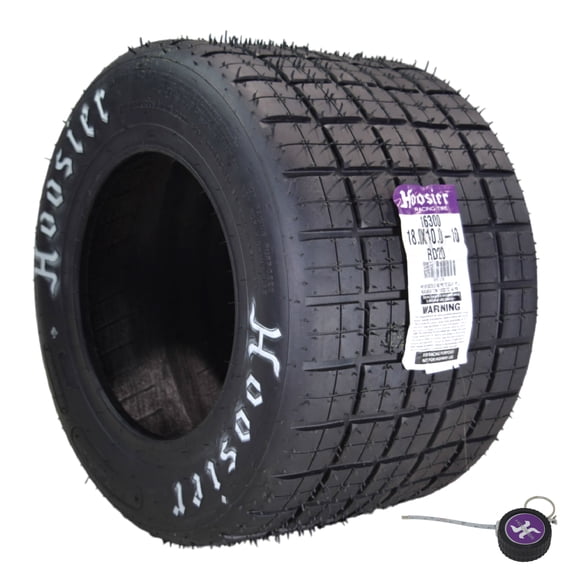
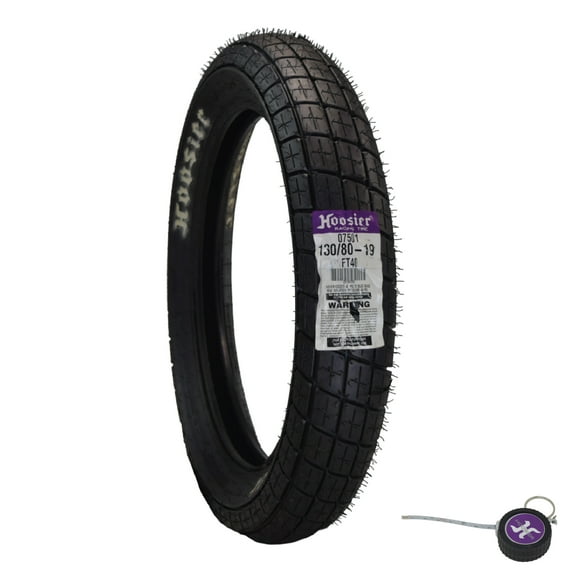
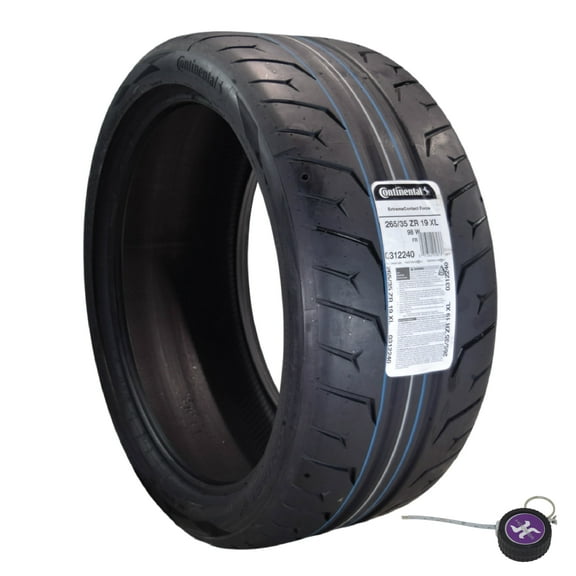
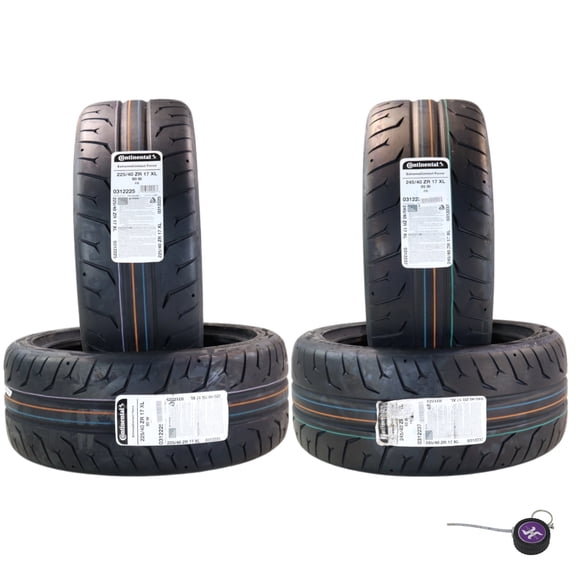
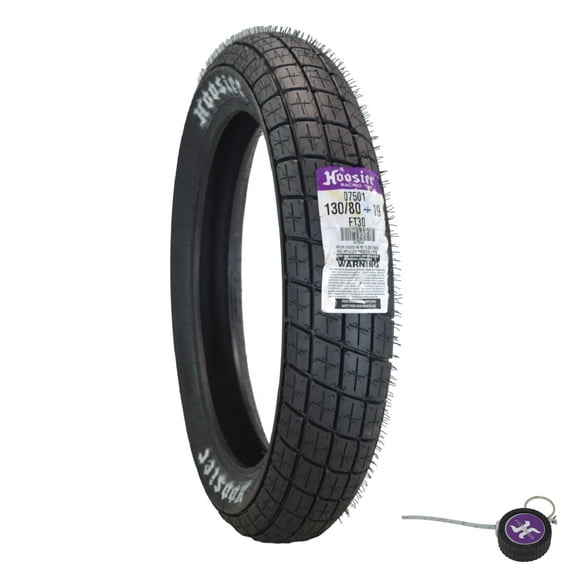
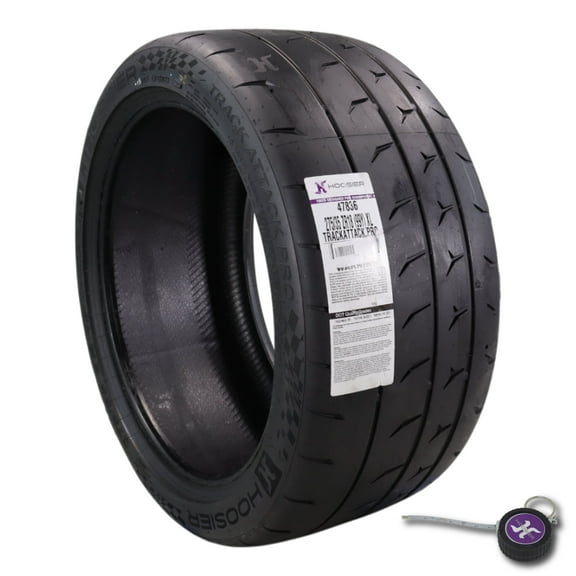
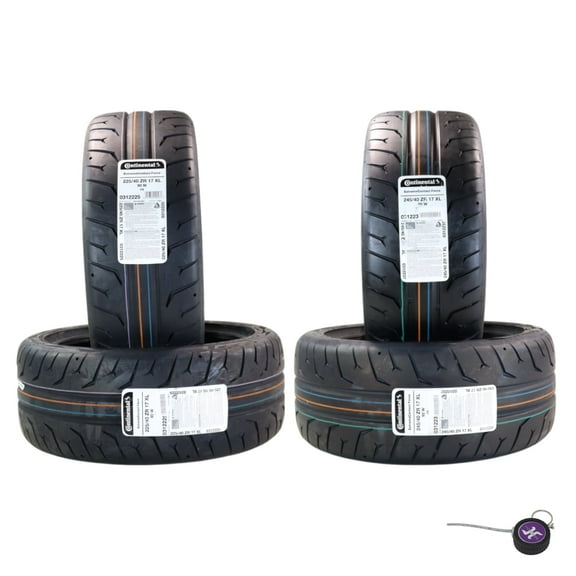
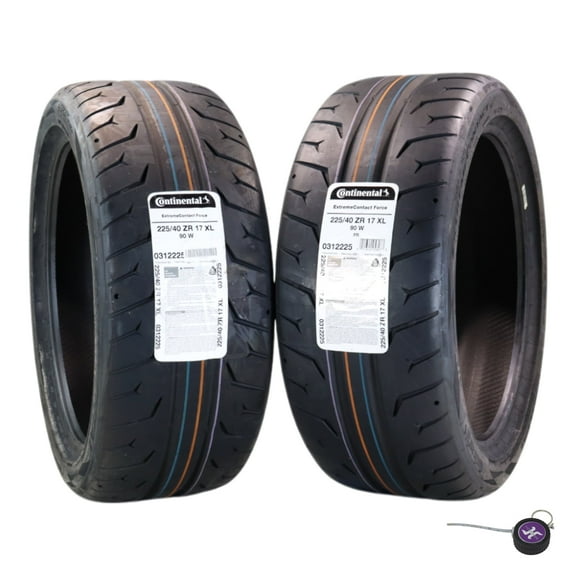


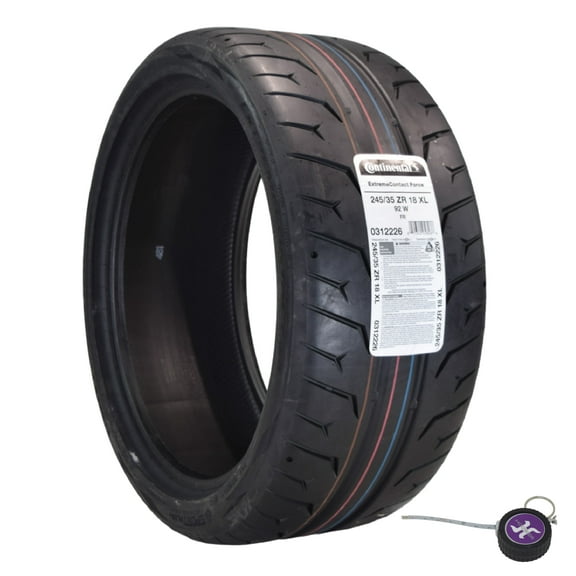
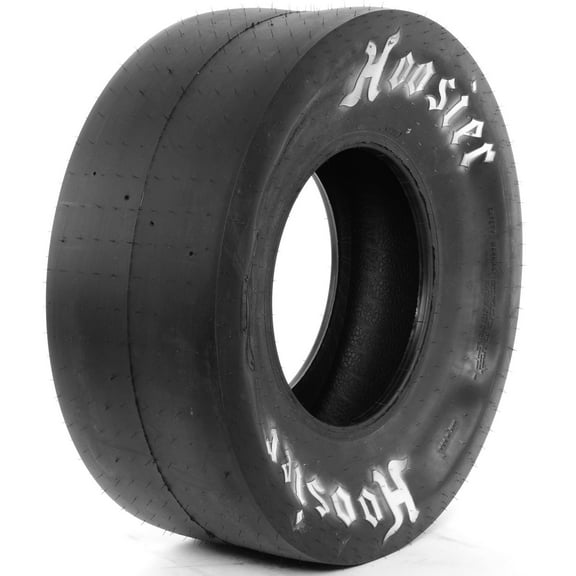
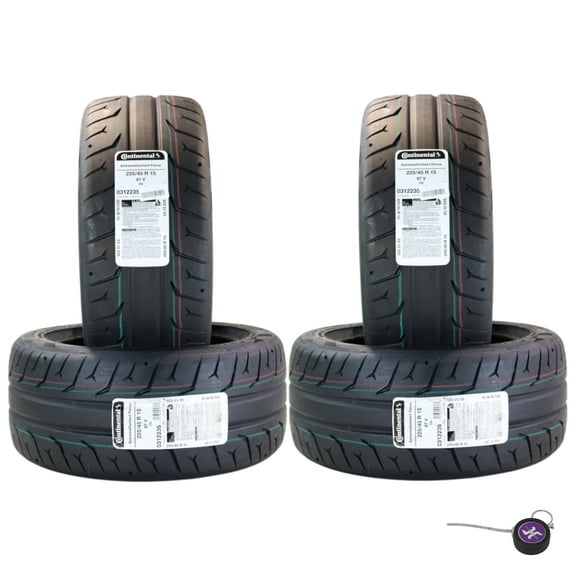
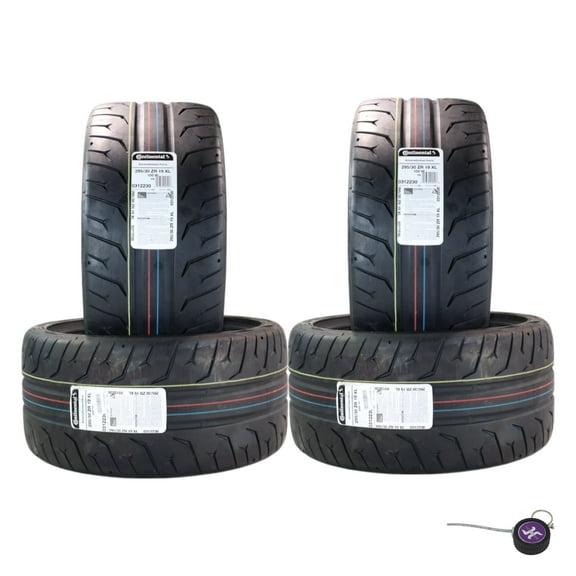

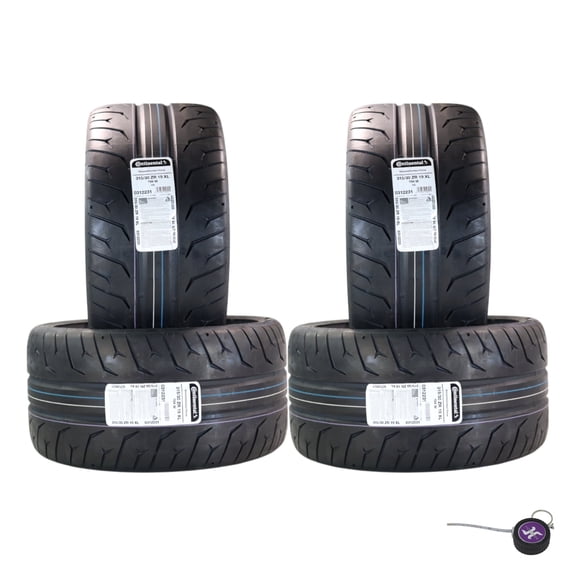
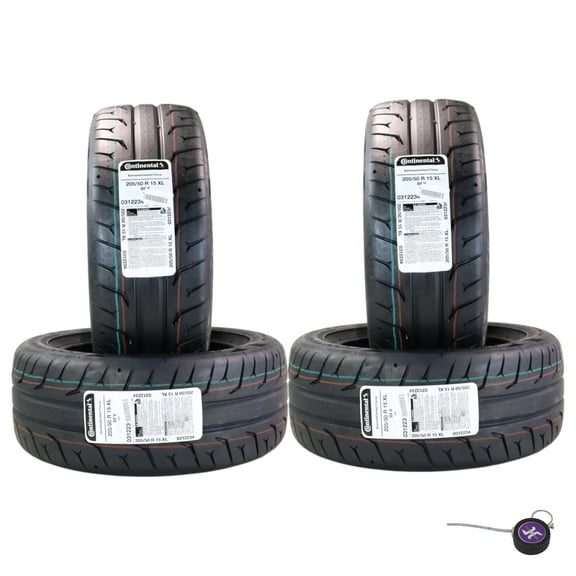
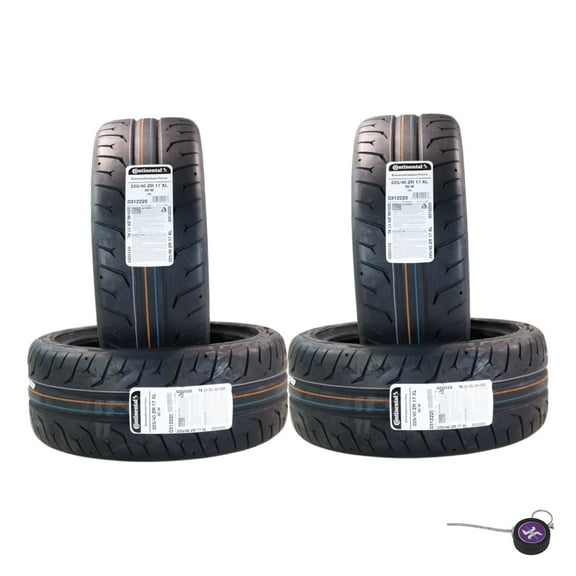
About Hoosier Tires: Racing, Lawn Mower & Specialty Tires - Walmart.com
Hoosier tires help you match compound, size, and tread to your race setup. You can compare track-focused options here with guidance built around fitment and surface choice.
Choosing the right Hoosier tires
You may shop this category when your setup needs a precise tire match, not a general street replacement. Your choice often depends on compound, tread style, wheel fitment, and track rules.
Before you compare options, you should identify your racing discipline and the surface you run most often. You can then narrow your search by slick, grooved, or treaded construction and by tire size.
- You can tune grip and wear by comparing soft, medium, hard, and slick compounds.
- You can improve fitment by checking section width, aspect ratio, rim width, and diameter.
- You can match the tire to asphalt, concrete, dirt track, oval track, drag racing, or karting use.
- You can confirm whether your selection is track-only or intended for approved street use.
When you use those decision points, you avoid guessing between race-day options that look similar at first glance. Your final choice becomes clearer because each spec affects launch feel, cornering response, and surface behavior.
How to compare Hoosier racing tires by compound
You should start with compound because durometer and operating temperature range shape how the tire feels on track. A softer construction usually gives you quicker warmup, while a harder one typically supports longer sessions.
If you run short passes or need strong initial bite, you may prefer a softer setup or slick design. If you run repeated laps, you may look for a medium or hard option that stays consistent.
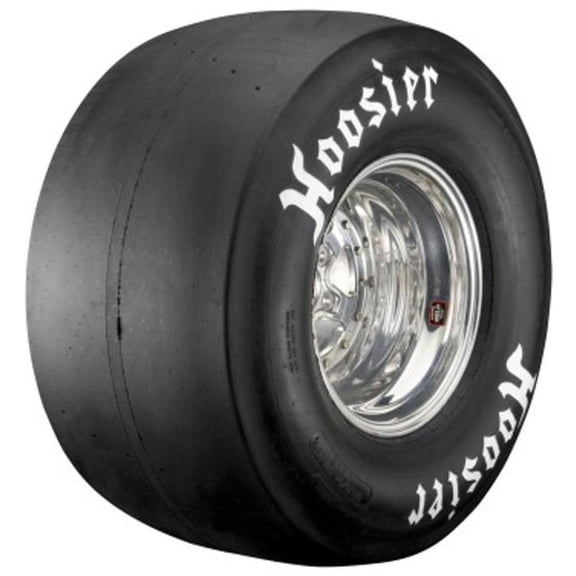
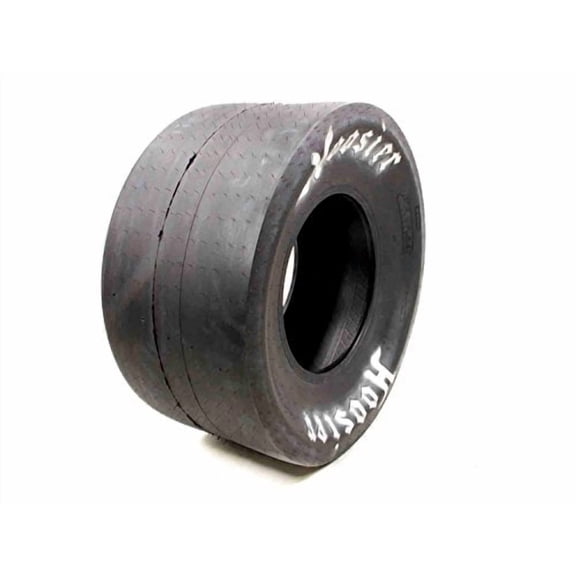
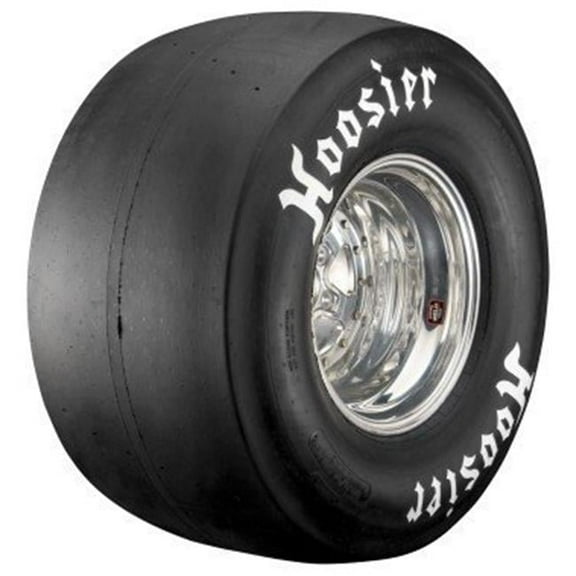
You can use slick compounds when your surface and class rules favor a smooth contact patch. You may choose grooved or treaded designs when your class, surface texture, or changing conditions call for more channeling.
For drag applications, hoosier drag slicks can help you focus on launch characteristics and straight-line traction. For dirt programs, hoosier dirt tires can help you match carcass behavior and tread style to loose surfaces.
What to look for in size and wheel fitment
You should confirm fitment before you compare compounds, because the wrong size can disrupt your setup plan. Your wheel diameter, tire width, and sidewall profile all affect how the tire sits and responds.
When you review 15 inch, 13 inch, or 10 inch options, you should also check section width. You should compare aspect ratio and approved rim width so your tire supports the footprint you expect.
A wider section can change how your car or kart puts power down during acceleration and corner exit. A shorter sidewall can change steering feel, while a taller sidewall can change how the setup reacts under load.
You may also compare overall diameter because it can influence gearing feel and ride height. Your race class rules may limit size ranges, so you should verify those details before finalizing a selection.
Matching tread style to your track surface
You should match tread style to the surface you race most, because asphalt, concrete, and dirt behave differently. Your tire choice needs to support the grip pattern and heat cycle you expect.
On prepared asphalt or concrete, you may prefer a slick when class rules and conditions support full contact. On looser dirt surfaces, you may look for treaded or grooved patterns that suit changing track texture.
If you compete in oval track events, you should compare surface condition and run length before picking a compound. If you race karting, you should also consider wheel size and warmup behavior for shorter sessions.
You can use this same approach for specialty lines like hoosier quick time pro when your focus is straight-line performance. Your decision should still come back to fitment, compound, and the surface under your tires.
Checking street use and track-only details
You should review compliance details before you choose a tire for mixed use or transport needs. Your event, class, and local driving plans may require a clear difference between street-legal and track-only construction.
Some racing options feature construction optimized mainly for competition settings, where compound and tread prioritize track performance. Other options may align with approved road use, depending on the specific tire and its markings.
You should check the item description for DOT information, intended application, and sizing notes before ordering. Your review process should also include wheel compatibility and any track guidance listed for that tire.
When you compare hoosier tires with these criteria, you can narrow the field with fewer surprises. Your setup stays focused on the discipline, surface, and fitment details that matter on race day.