






Dog Flea and Tick in Dogs


















About Dog Flea and Tick in Dogs - Walmart.com
Dog flea tick supplies help you handle seasonal pest pressure with clear treatment choices for your dog's size, routine, and coverage needs. You'll find options shaped around topical doses, oral pills, collars, sprays, and shampoos, so you can compare how each format fits daily life.
Choosing dog flea tick supplies by treatment type
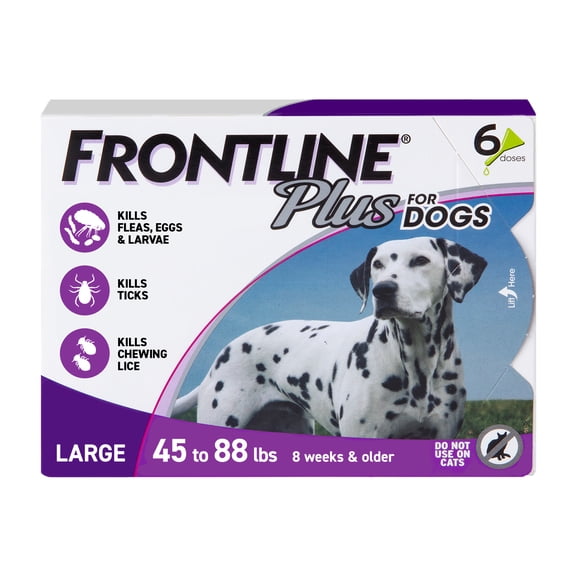
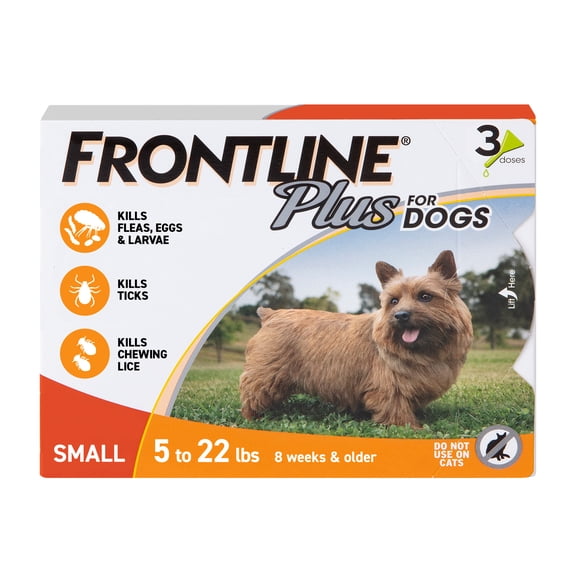
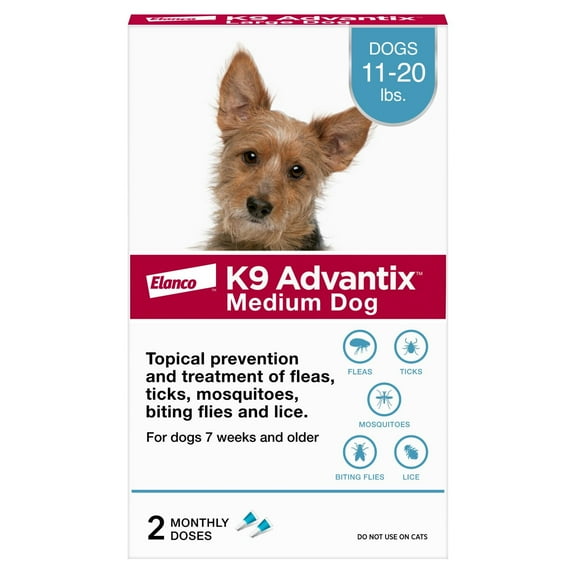
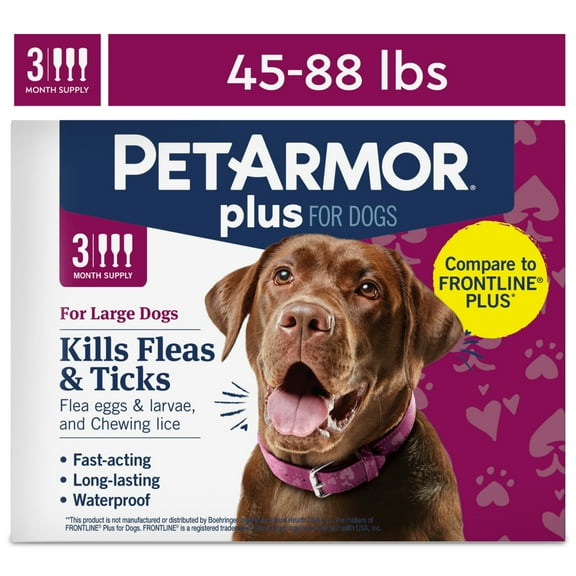
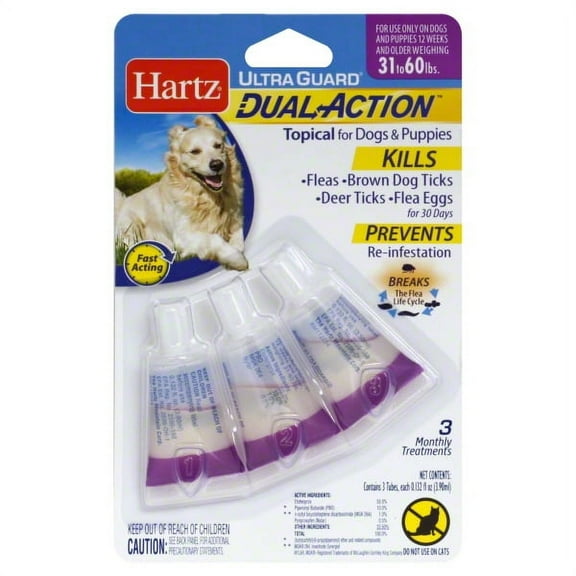
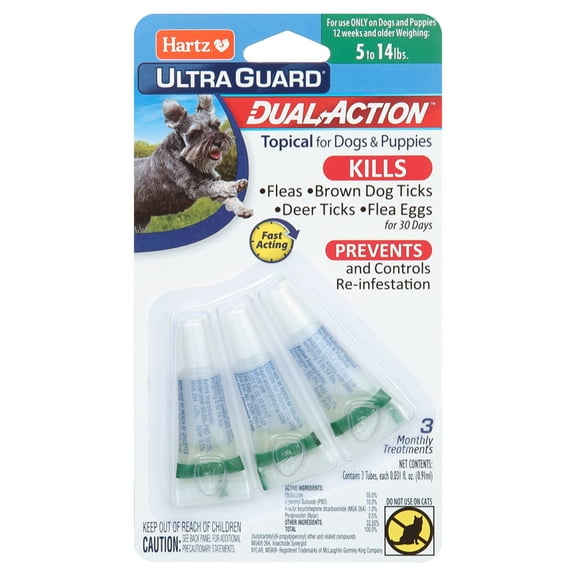
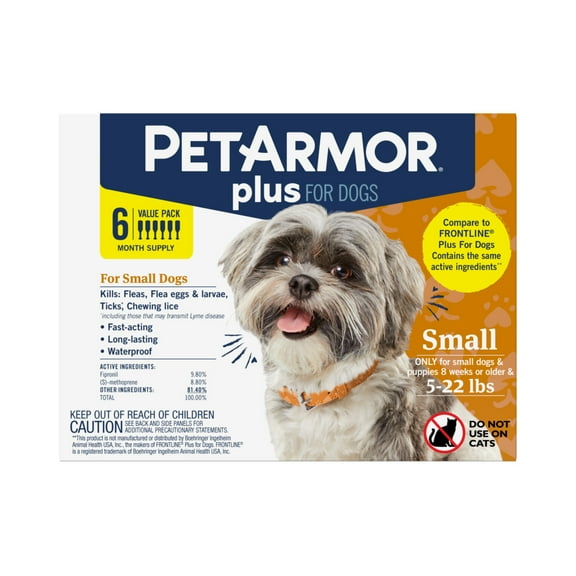
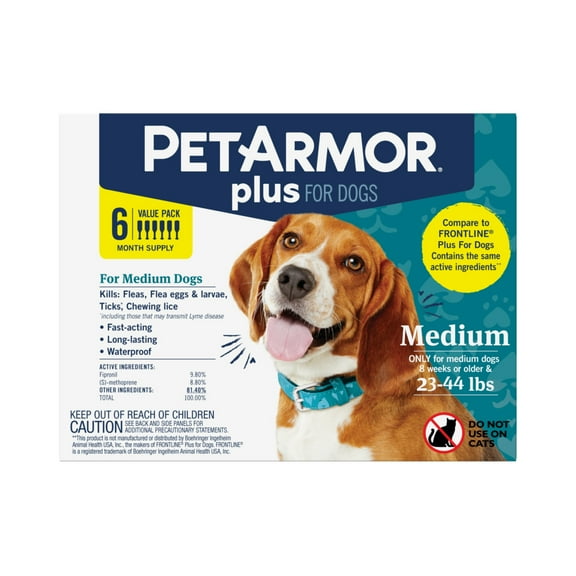
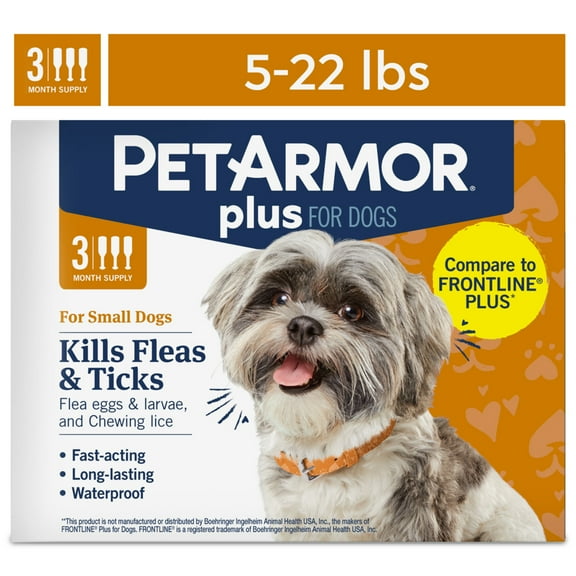
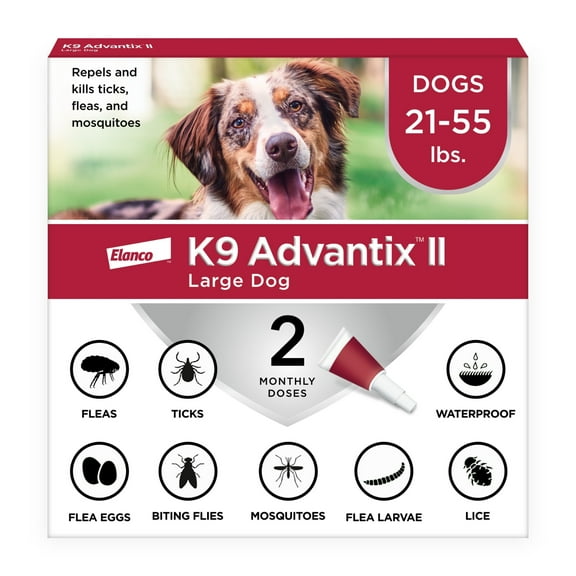
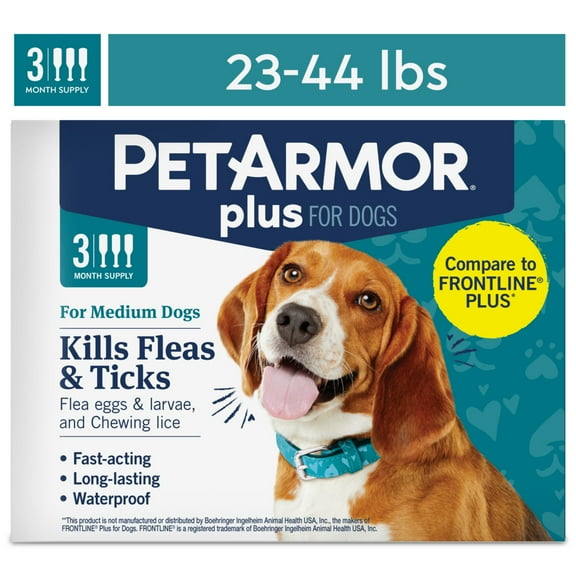
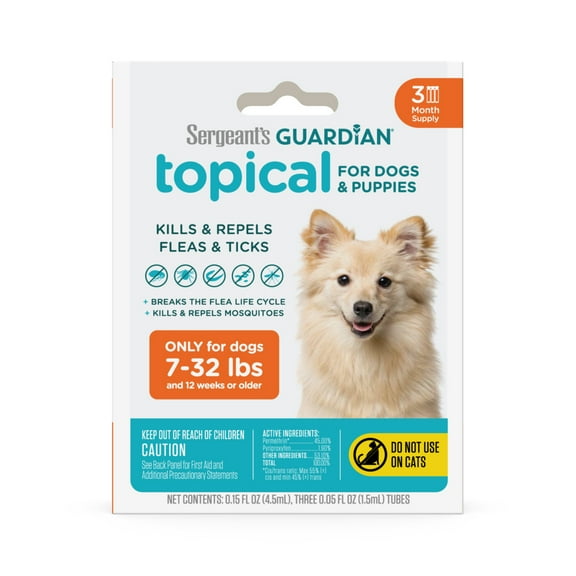
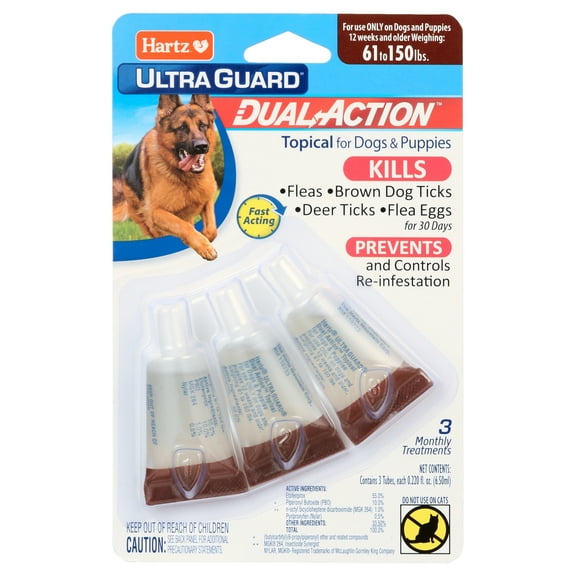
When you compare dog flea tick supplies, you'll want to start with the treatment type that matches your dog's routine. You may prefer a topical flea treatment for dogs if you want a measured monthly application along the back.
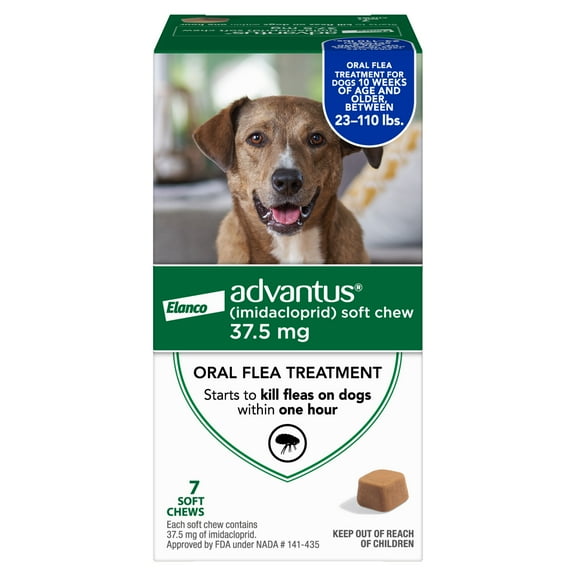
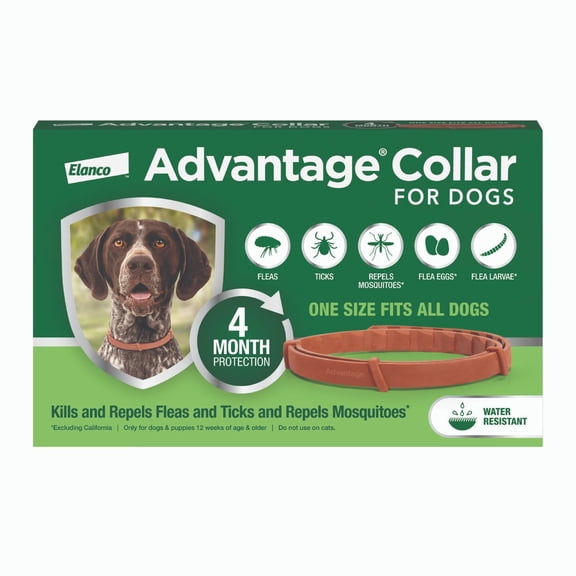
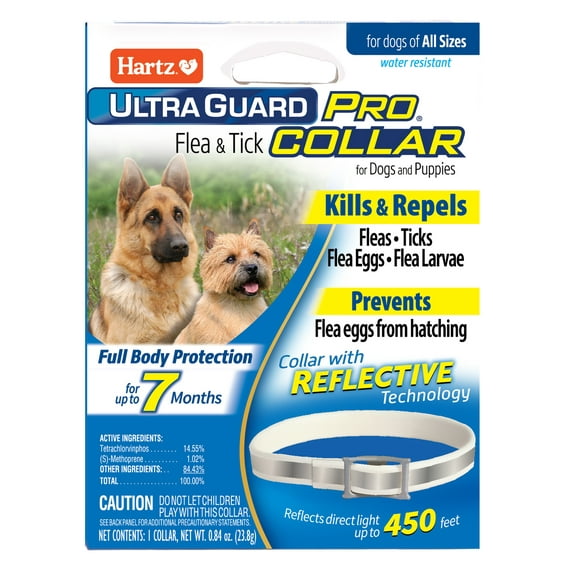
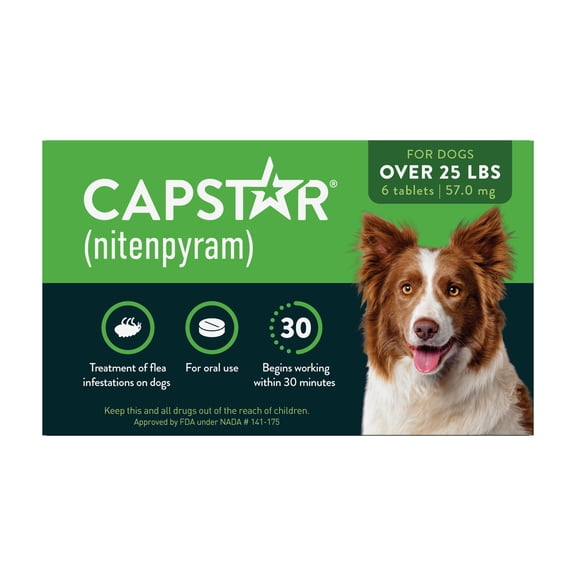
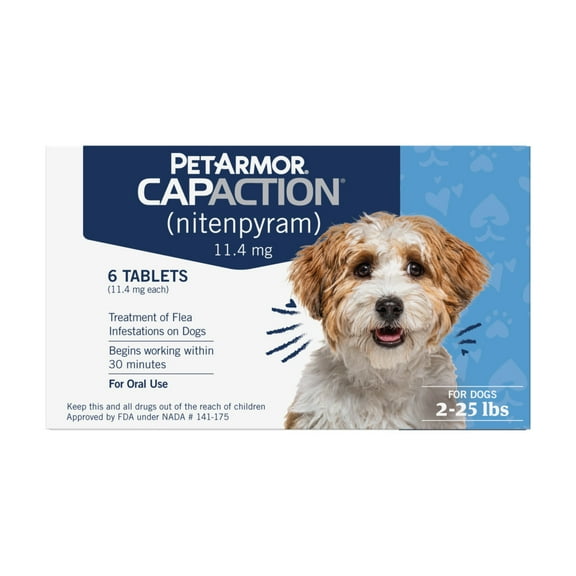
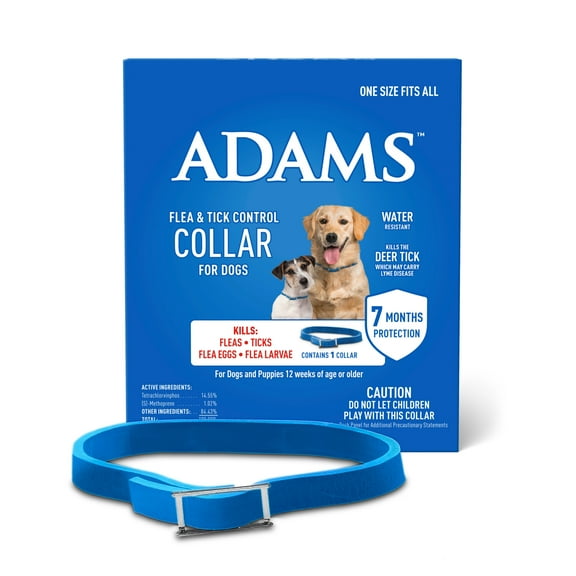
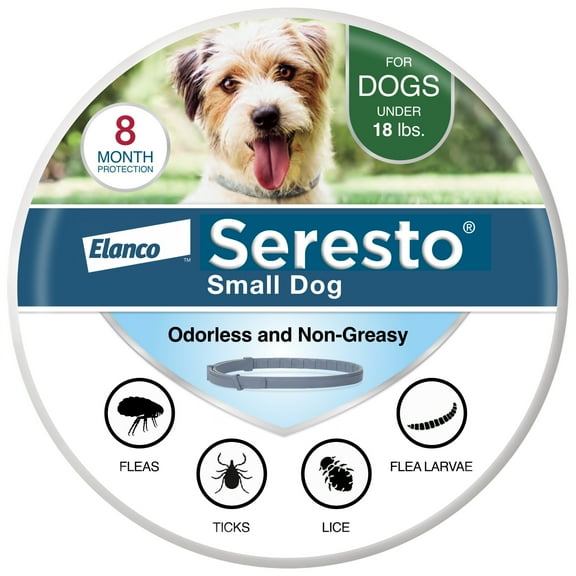
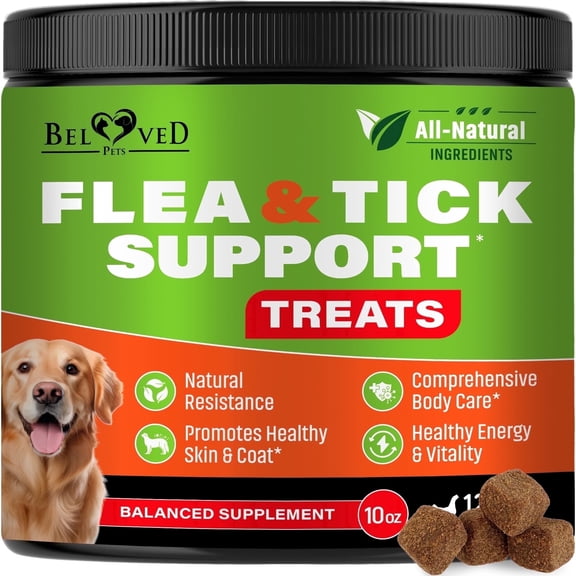
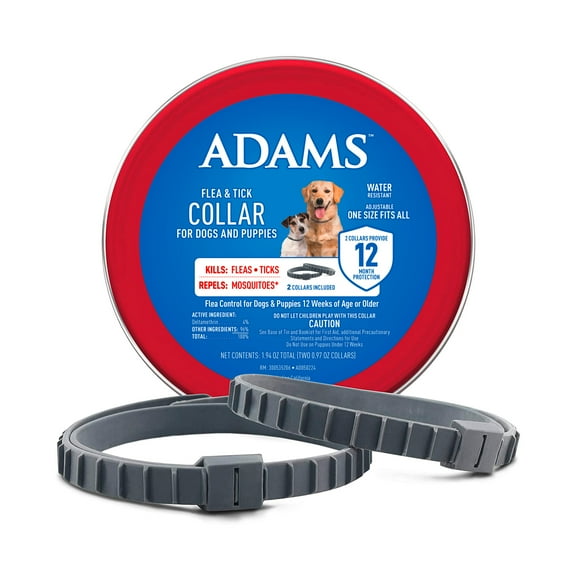
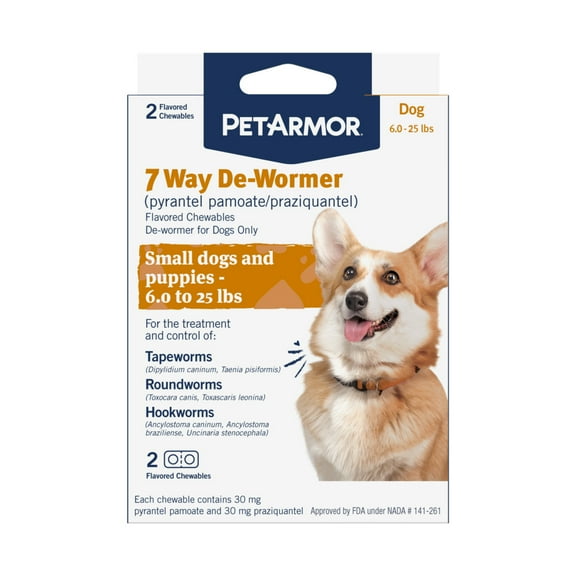
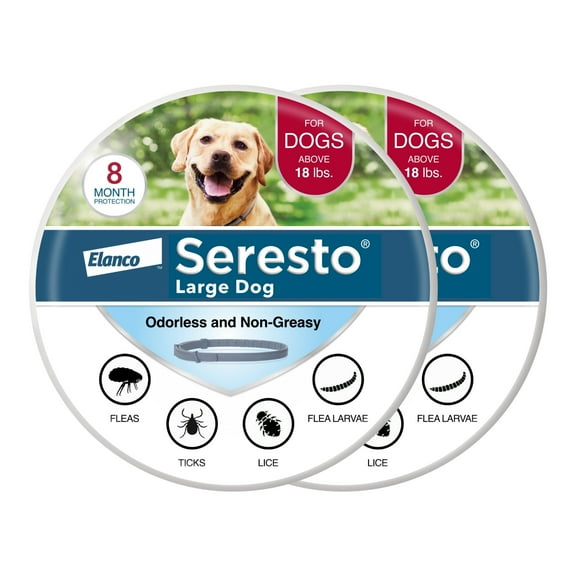
If you want less visible residue, you might consider flea pills for dogs that fit into a regular schedule. If you want longer wear, you may look at a flea collar for dogs with protection that can last for months.
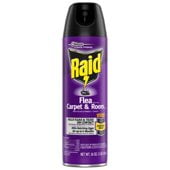
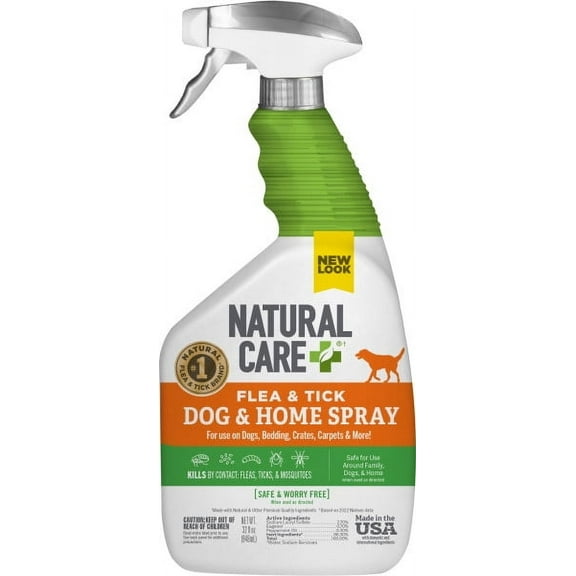
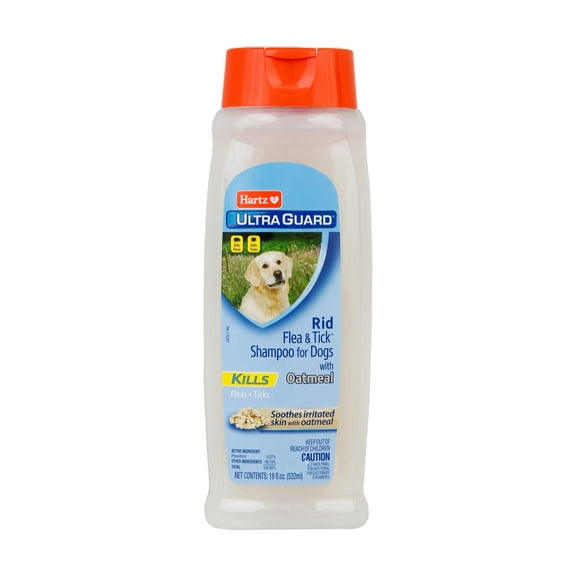
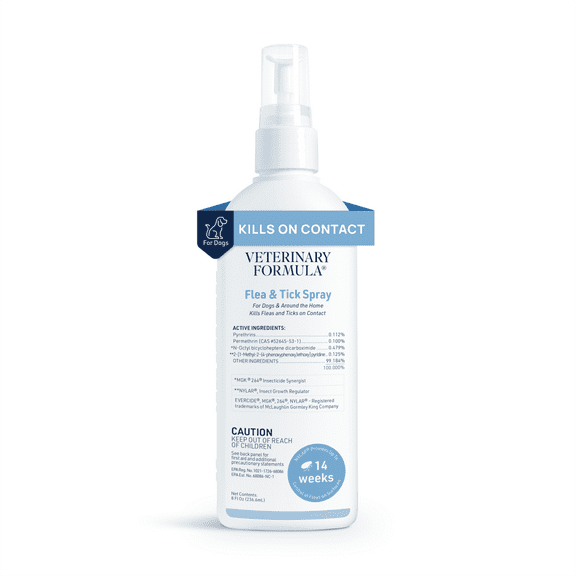
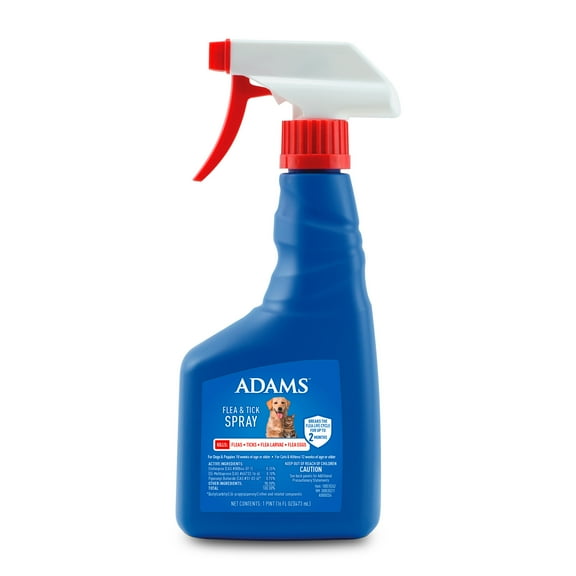
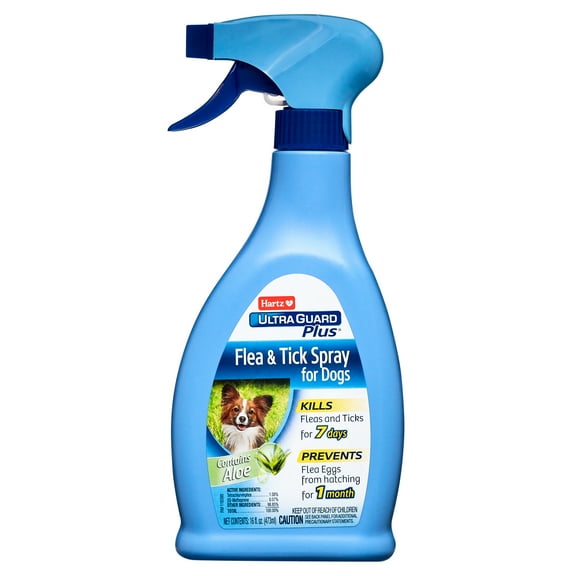
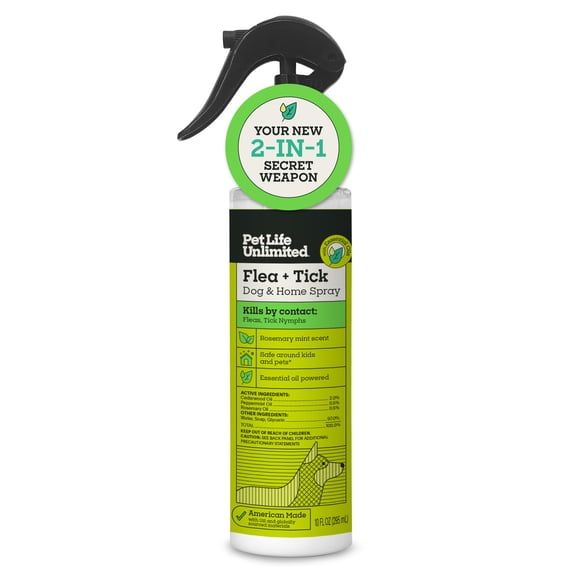
Sprays and shampoos can fit households where you want direct application during grooming or cleanup. You'll often use these formats when you want flexible spot coverage or a wash-based routine.
- You can compare topical, oral, collar, spray, and shampoo formats by how easily they fit your routine.
- You can narrow choices faster when you match the format to your dog's coat, activity level, and handling comfort.
- You can choose shorter or longer coverage windows based on how often you want to reapply.
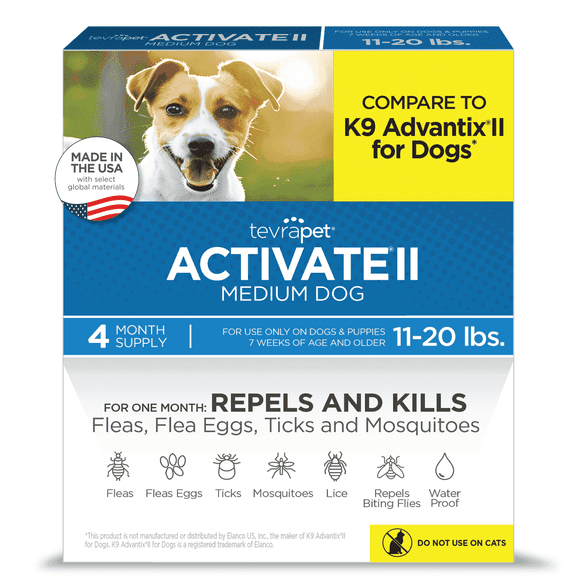
- You can review multi-pest labels when you want coverage that includes fleas, ticks, mosquitoes, or larvae.
Choosing flea and tick prevention for dogs by size and age
You should check your dog's weight range before you choose any dog flea and tick treatment. You'll also want to confirm the minimum age in weeks, since puppy options and adult options can differ.
Small dogs, medium dogs, large dogs, and extra large dogs often need different dosage strengths. You'll get a clearer fit when you compare package weight bands instead of guessing by breed alone.
If your dog is still growing, you may need to recheck weight before each new dose. You can avoid confusion by matching the label range to your dog's current size, not last month's size.
You may also compare coat length and how often your dog swims or gets bathed. Those details can help you decide whether a collar, oral option, or topical dose makes more sense.
What to look for in dog flea medicine and active ingredients
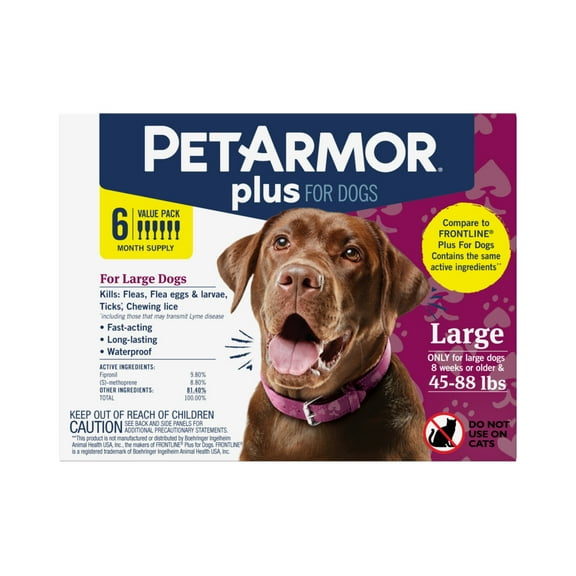
When you review dog flea medicine, you should check the active ingredients and the pests listed on the label. You'll often see ingredients such as fipronil, permethrin, or imidacloprid across different treatment formats.
These ingredient names matter because you can compare them with the coverage claims you want. You may look for labels that include fleas and ticks, or broader coverage that also mentions mosquitoes and larvae.
If you want a simple comparison, you can focus on four details on each package. You'll usually compare ingredient type, application method, coverage window, and weight-based dosing.
You may find that one format fits indoor routines, while another fits trail walks or long outdoor time. You'll make a sharper choice when you connect the label details to where your dog actually spends time.
Comparing protection duration and coverage windows
You can sort options quickly by how long each treatment lasts after application. You'll commonly see 30-day formats, 12-week oral schedules, and 8-month collar coverage.
If you like a regular monthly reminder, you may prefer a 30-day topical or oral plan. If you want fewer repeat steps, you might compare 12-week chewables or an 8-month collar.
Duration also affects how you plan for spring flea treatment for dogs and warmer months outdoors. You'll want a coverage window that lines up with your calendar, not just the package format.
You may also compare whether a product covers only adult fleas and ticks or includes other life stages. That detail can help you choose a format that matches your household's cleanup and prevention plan.
How dog flea tick supplies fit real routines
If your dog dislikes long grooming sessions, you may prefer oral pills that fit into meal time. You'll often choose this route when you want quick dosing without a wet application on the coat.
If your dog hikes, camps, or spends long hours in the yard, you may compare collars and multi-pest labels first. You'll likely care about longer duration and broad coverage when outdoor exposure is frequent.
For dogs that get baths often, you may review label directions carefully before choosing a format. You'll want to know how bathing, swimming, or heavy rain may affect your application schedule.
If you manage more than one dog, you can organize choices by each dog's weight and age minimums. You'll keep the process simpler when each dog has a clearly matched format and dosage range.
You may also keep sprays or shampoos in mind for grooming-centered routines and coat cleanup. You'll have more flexibility when you compare those options alongside collars, pills, and topical treatments.
Making a confident dog flea tick supplies decision
You can choose with more confidence when you compare treatment type, weight range, age limits, duration, and pest coverage together. You'll get a more practical match for your dog's routine when each label detail supports how you plan to apply and maintain coverage.