








Dog Training and Shock Collars in Dog Collars, Leashes, and Harnesses





































About Dog Training and Shock Collars in Dog Collars, Leashes, and Harnesses - Walmart.com
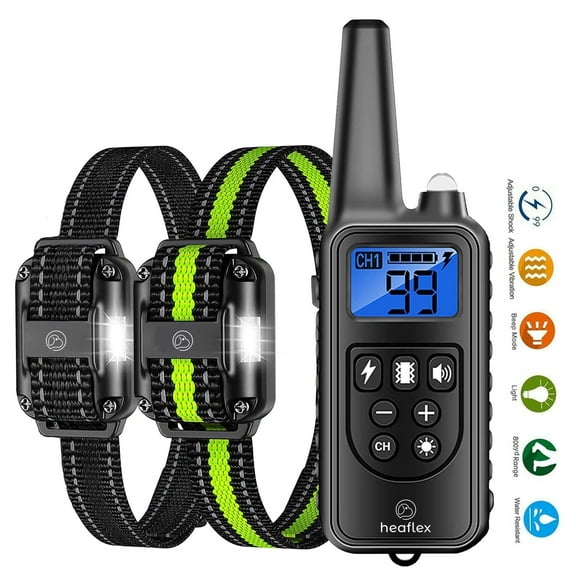
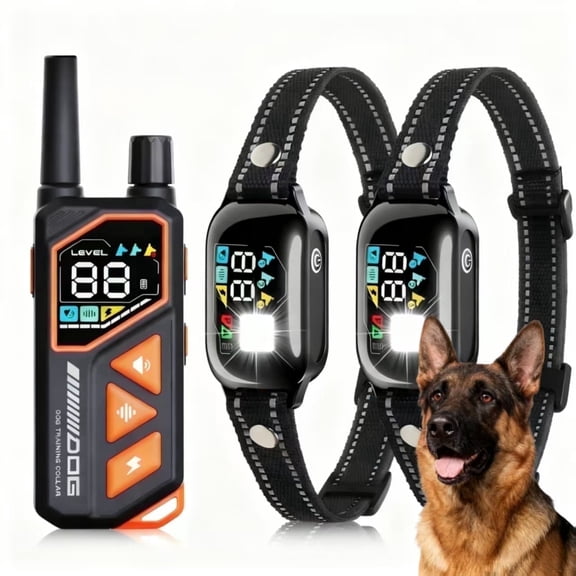
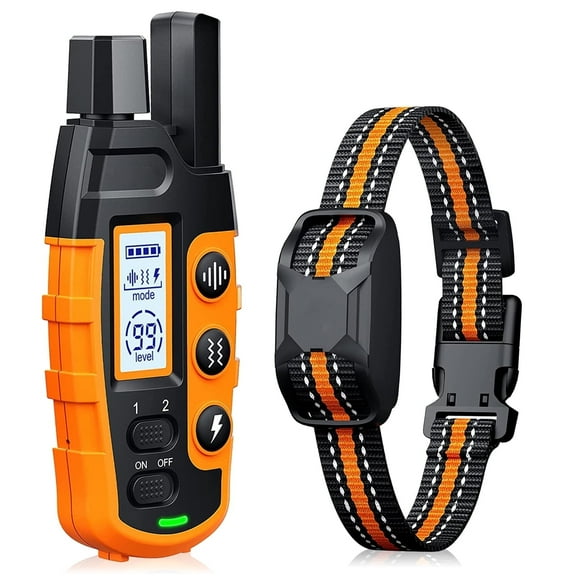
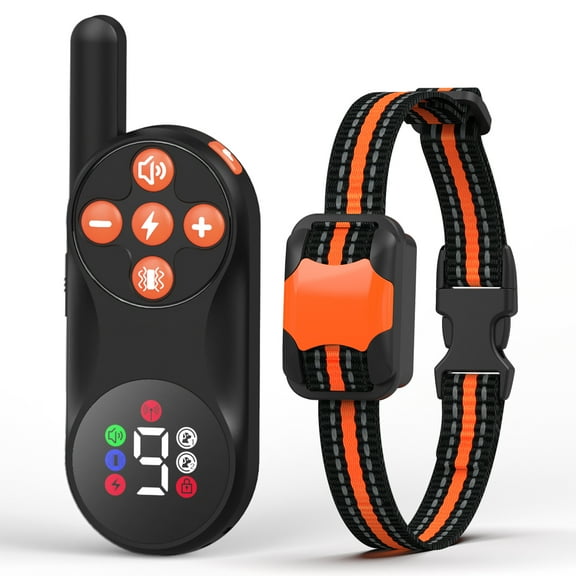
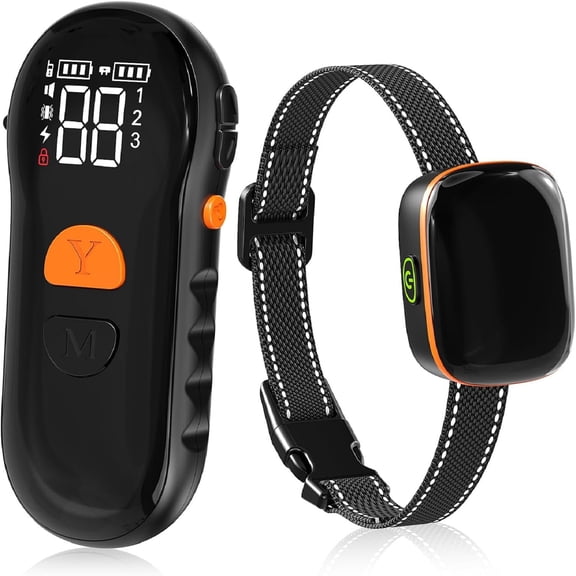
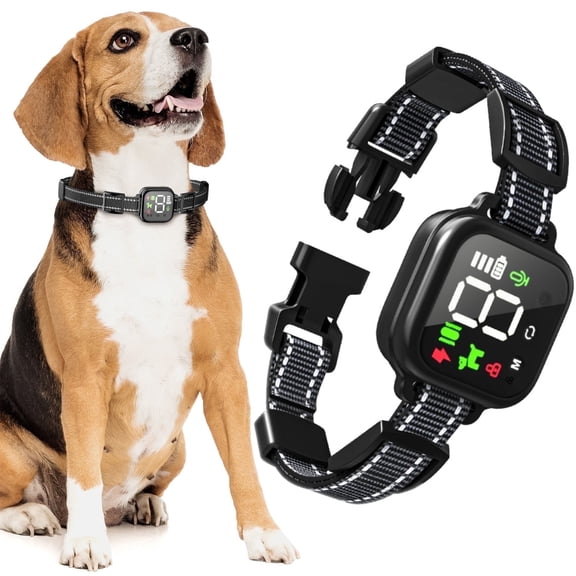
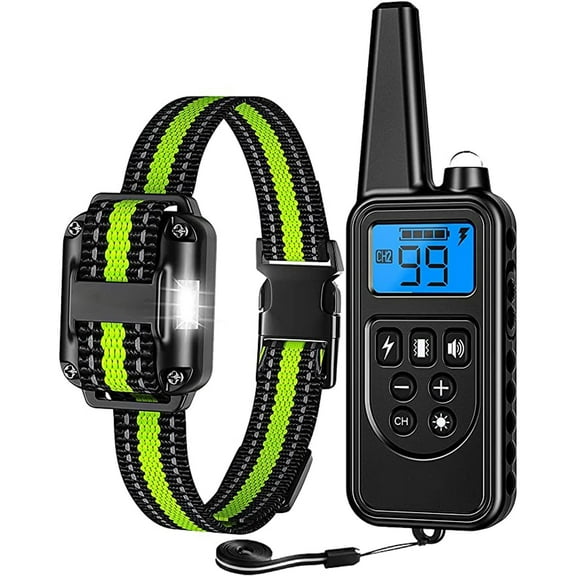
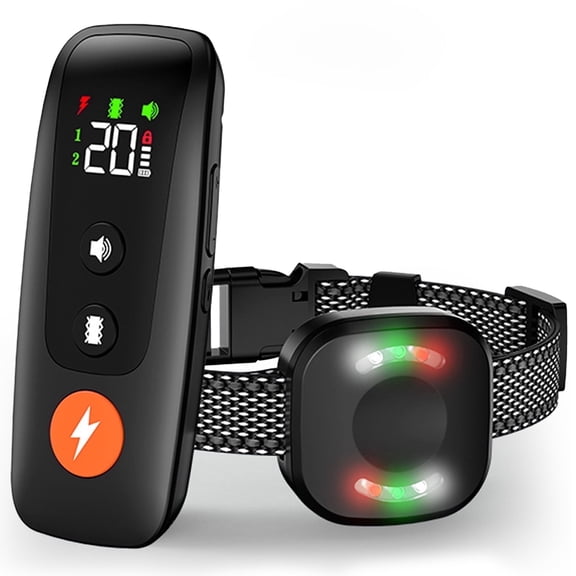
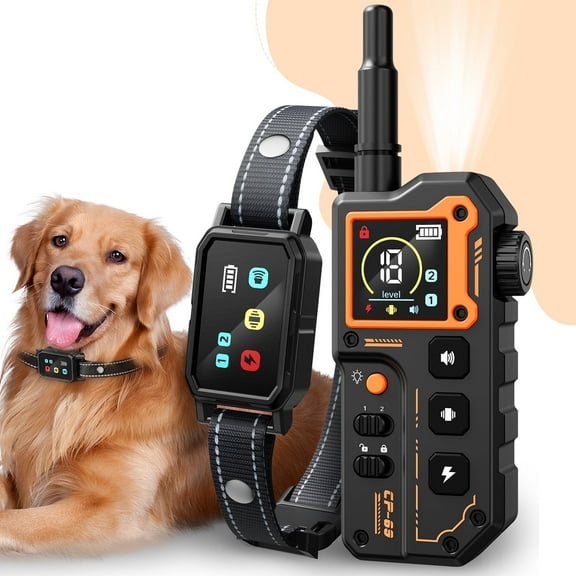
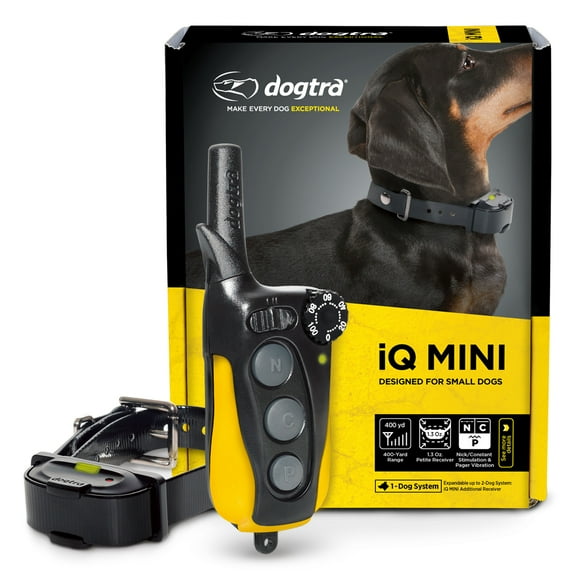
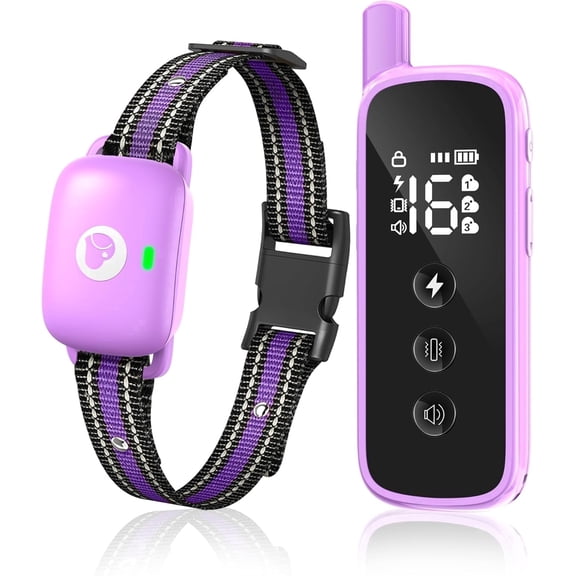
A dog shock collar can give you clear, consistent communication during training when your dog needs a stronger cue than voice alone. On Walmart.com, you’ll find shock collar for dogs options designed for everyday obedience work, from backyard basics to longer-range training on walks and hikes. Many styles pair multiple training modes with straightforward controls, so you can reinforce commands without turning every session into a wrestling match with leashes and distractions.
Training progress often comes down to timing. With an electric dog collar, you can deliver a quick, precise correction at the moment a behavior happens, even when your dog is several yards away or focused on squirrels, bikes, or the doorbell.
Why a dog shock collar can improve everyday training
Consistency is the difference between “sometimes” listening and reliable habits. A dog shock collar helps you mark unwanted behavior the instant it happens, so “come,” “leave it,” and “heel” land with clarity instead of confusion.
For many households, the real win is calmer routines. When your dog understands boundaries around jumping, bolting, or nonstop barking, walks feel smoother and guests can come in without chaos.
- Better timing at a distance: Reinforce commands when your dog’s off-leash in a fenced area or drifting to the end of the lead on a trail.
- Fewer repeated commands: Clear correction reduces the habit of ignoring “come” or “no” after multiple warnings.
- More controlled behavior around triggers: Support training for chasing wildlife, lunging at other dogs, or door-dashing when the bell rings.
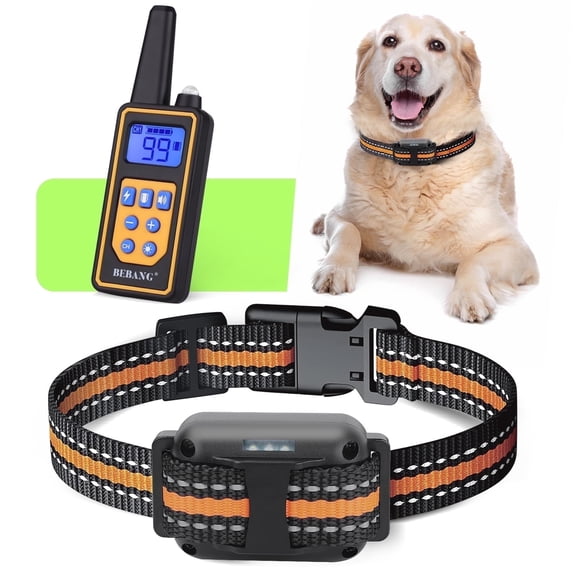
- Flexible training modes: Many shock collars for dog training include tone and vibration to match your dog’s sensitivity and your training plan.
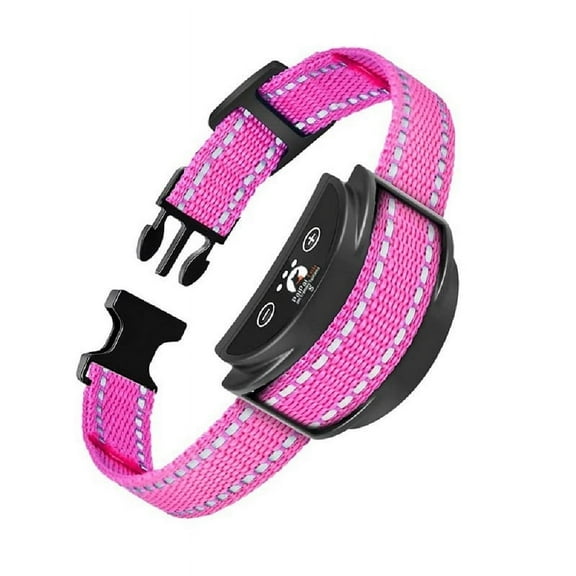
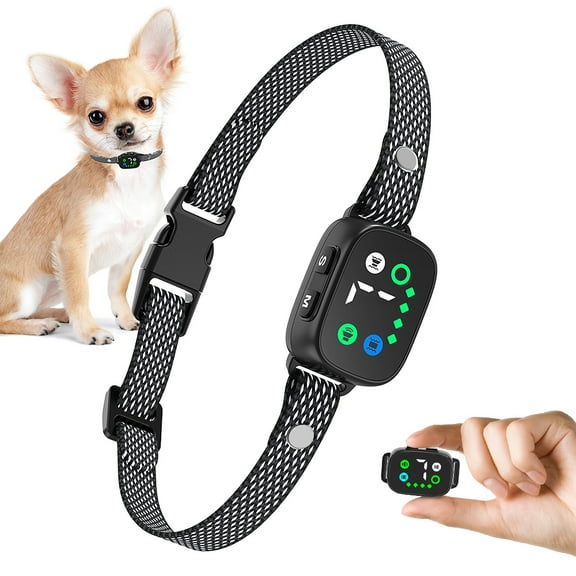
Because fit affects communication, choosing the right collar size and contact points matters as much as the training mode. A secure, centered receiver helps signals feel consistent, while a strap that’s too loose can cause missed corrections and slower learning.
Features to compare in shock collars for dog training
Range, adjustability, and durability are the big decision points shoppers compare when choosing a shock collar for dogs. If you train in wide-open spaces, pay attention to stated remote range and whether the signal stays steady around trees, terrain, and normal backyard obstacles.
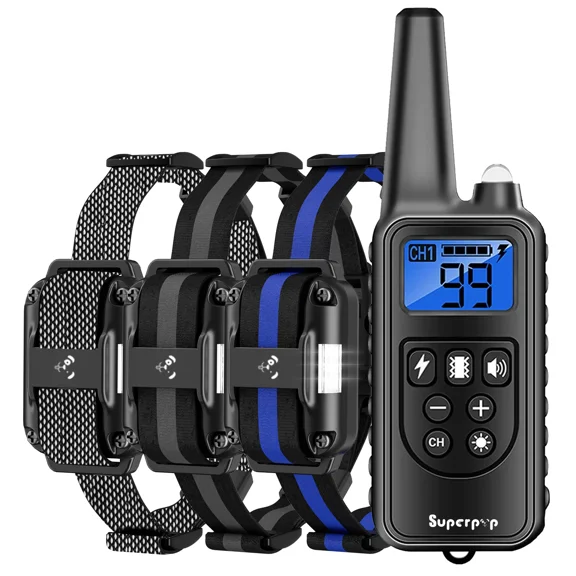
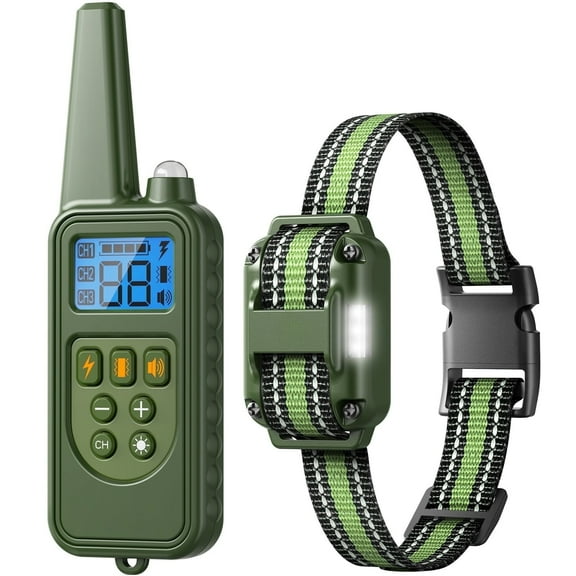
Stimulation levels and mode options shape how precisely you can train. Look for training collars with multiple intensity settings, plus tone and vibration, so you can start low, fine-tune, and reserve stronger correction for high-distraction moments.
Water resistance is another practical factor, especially for dogs that splash in puddles, roll in wet grass, or swim. Many electric dog collar systems are built for rainy walks and damp conditions, but it’s still worth checking whether the receiver, remote, or both are rated for water exposure.
Battery style changes your routine. Rechargeable units can be convenient for frequent sessions, while replaceable batteries can be easier if you don’t want another device on a charging cable. Also check for low-battery indicators, charging time, and whether the remote and receiver charge separately.
Fit and comfort should match your dog’s coat and size. For thick fur, longer contact points may help maintain contact; for shorter coats, a smoother fit can prevent shifting during play. A training collar for dogs should sit snugly without pinching, and you’ll want enough strap length for growth or seasonal coat changes.
When to use a shock collar for dogs (and what to train first)
Most people reach for a shock collar for dogs when leash cues aren’t enough outside the house. It’s commonly used to reinforce recall, stop chasing, or interrupt fixations when your dog is locked onto a distraction and won’t respond to voice commands.
Everyday obedience is a strong starting point. Use short sessions to practice “come,” “sit,” “stay,” and “leave it,” then build up to real-world situations like passing another dog on the sidewalk or holding a stay while the door opens.
Households with big yards often use these dog training collars for boundary work and polite outdoor behavior. If your dog has learned to ignore you when they’re far from the porch, a remote cue can help connect the command to the consequence without yelling across the yard.
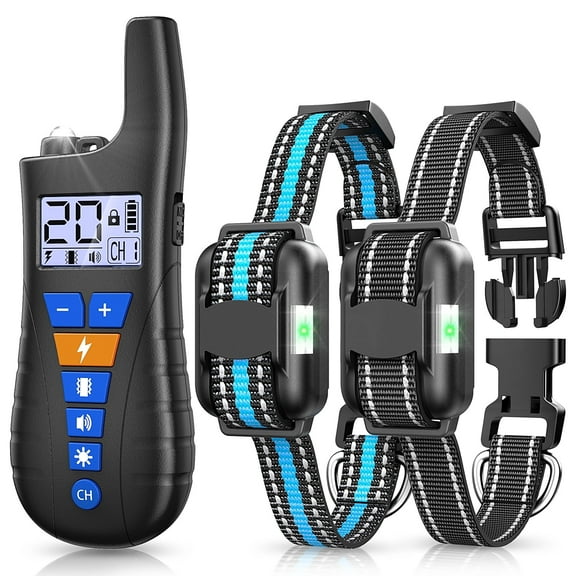
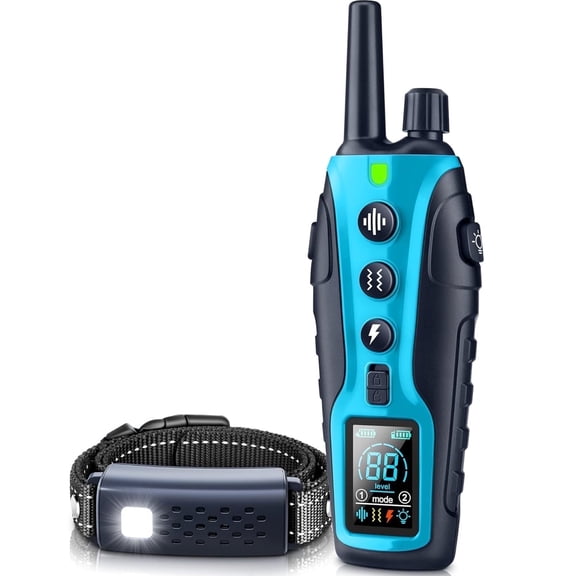
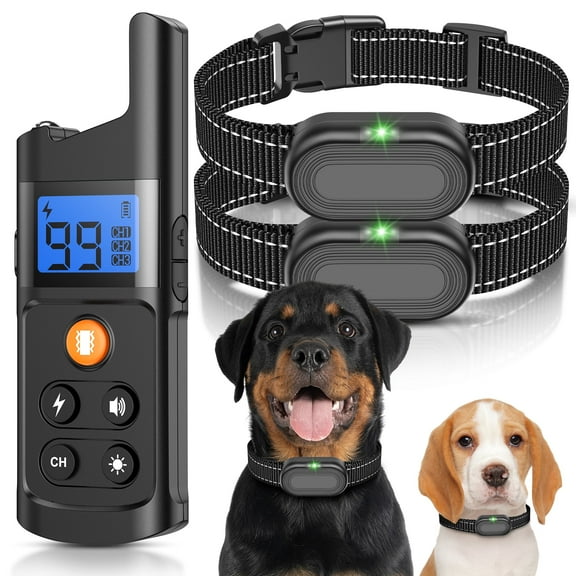
For multi-dog homes, look at systems designed to handle more than one receiver with a single remote. That setup can simplify training when one dog copies the other’s jumping, barking, or fence-running habits.
Travel and outdoor weekends are another common reason to choose an electric dog collar. Camping trips, lake days, and long walks add new smells and distractions, and a reliable cue can help keep your dog focused when the environment is unpredictable.
Safety and smart setup for a dog shock collar
Good results come from thoughtful setup and calm training, not constant correction. Start with fit: the receiver should sit securely on the neck so signals stay consistent, and you should be able to check for rubbing after sessions, especially with long-haired dogs.
Use the lowest effective level and rely on tone or vibration when it’s enough. Many trainers also pair the collar cue with a known command, rewarding the correct response so your dog learns what you want, not just what to avoid.
If you’re building a full training toolkit, pairing dog training collars with a crate routine and clear cues can help your dog settle faster at home. You can also add a whistle for consistent recall signals when distance and wind make your voice harder to hear.
With the right features and a steady plan, a dog shock collar turns scattered training moments into clear communication, so your dog listens faster and your daily routine feels calmer.