

Muscle Rollers in Sports Recovery, Injury Prevention(3)
Inflatable roller - 28" x 9", black $32.50
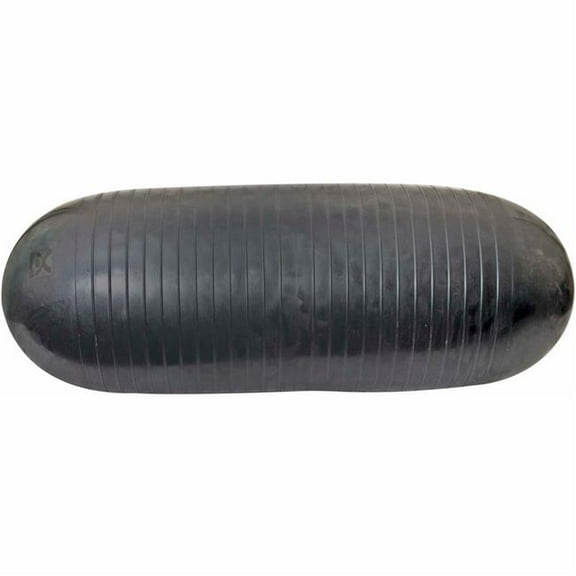
Inflatable roller - 28" x 9", black

The Muscle Stick Original Massage Roller - Orange $23.95


The Muscle Stick Original Massage Roller - Orange
SPRI Hot & Cold Foot Roller, Blue Muscle Roller $9.88

SPRI Hot & Cold Foot Roller, Blue Muscle Roller
Popular in Muscle Rollers in Sports Recovery, Injury Prevention - Walmart.com
FAQ
How do I choose the right muscle roller for my needs?
Choosing the right muscle roller depends on your fitness goals and personal preferences. Consider these factors:
- Type: Foam rollers are great for broad muscle groups, while massage sticks target specific areas.
- Firmness: Softer rollers are better for beginners or sensitive muscles; firmer ones provide deeper pressure.
- Size and Portability: Compact rollers are easy to carry, while larger ones cover more area.
- Texture: Smooth rollers offer gentle massage; textured rollers can help with deeper muscle knots.
Assessing these aspects can help you find a muscle roller that fits your routine and comfort level.
What's the best way to clean and maintain a muscle roller?
Keeping your muscle roller clean helps maintain its durability and hygiene. Here are some tips:
- Wipe down the roller with a damp cloth after each use to remove sweat and dirt.
- Use mild soap and water for a deeper clean, avoiding harsh chemicals that could damage the material.
- Allow it to air dry completely before storing to prevent mold or mildew.
- Store in a cool, dry place away from direct sunlight to preserve its shape and texture.
Regular cleaning ensures your muscle roller stays fresh and ready for your next workout.
How often should I use a muscle roller for recovery?
Frequency of muscle roller use depends on your activity level and muscle soreness. Generally:
- Using a muscle roller 3 to 5 times a week can aid in muscle recovery and flexibility.
- After intense workouts, rolling for 10 to 20 minutes can help relieve tightness.
- Listen to your body—avoid overusing the roller on sore or injured areas to prevent irritation.
- Incorporate rolling into your warm-up or cool-down routine for best results.
Adjust usage based on comfort and recovery needs to support your fitness goals.
Are there any body areas I should avoid when using a muscle roller?
Yes, certain areas require caution when using a muscle roller to avoid injury:
- Joints: Avoid rolling directly over knees, elbows, or ankles as it can cause discomfort or damage.
- Lower back: Rolling here may strain the spine; focus on surrounding muscles instead.
- Neck: This area is sensitive; use gentle pressure or alternative methods.
- Injured or inflamed areas: Avoid rolling on bruises, fractures, or acute injuries.
Using proper technique and focusing on muscle tissue helps you get the most benefit safely.
What are the differences between foam rollers and massage sticks?
Foam rollers and massage sticks serve similar purposes but differ in design and use:
- Foam Rollers: Larger and cylindrical, they allow you to use body weight for pressure, ideal for broad muscle groups like the back and thighs.
- Massage Sticks: Handheld and smaller, they offer targeted control for specific muscles such as calves or arms.
- Portability: Massage sticks are more compact and travel-friendly compared to foam rollers.
- Pressure Control: Massage sticks let you adjust pressure precisely, while foam rollers rely on body positioning.
Choosing between them depends on your massage preferences and the muscle areas you want to focus on.