

Climbing Ropes in Climbing & Mountaineering Equipment(6)
Petzl Low Stretch Kernmantel Rope 150Ft White, Nfpa $189.95

Petzl Low Stretch Kernmantel Rope 150Ft White, Nfpa
Maxim Climbing Ropes Apex 10.5mm x 60m Spring Dry Rope - Durable and Reliable for Your Climbing Adventures $307.88
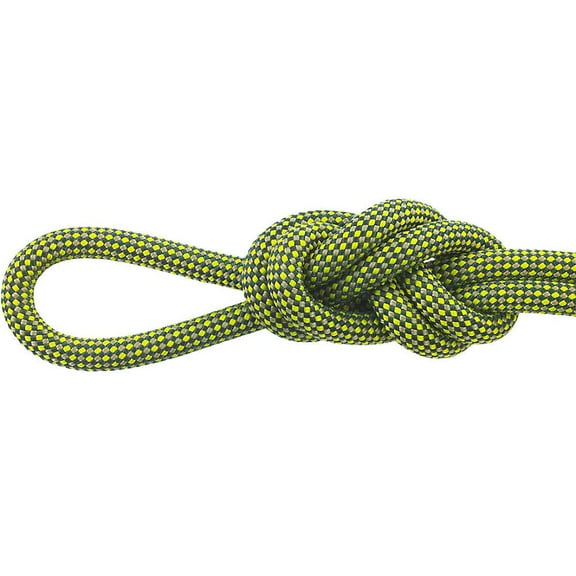
Maxim Climbing Ropes Apex 10.5mm x 60m Spring Dry Rope - Durable and Reliable for Your Climbing Adventures
Petzl Low Stretch Kernmantel Rope 150Ft Blue, Nfpa $199.95

Petzl Low Stretch Kernmantel Rope 150Ft Blue, Nfpa
Liberty Mountain 1''x300' Royal Tube Web $119.95 Was $139.95


Liberty Mountain 1''x300' Royal Tube Web
Maxim Climbing Ropes Apex 10.5mmx60m Technicolor Dry Rope - Superior Performance for Your Climbing Adventures $299.02
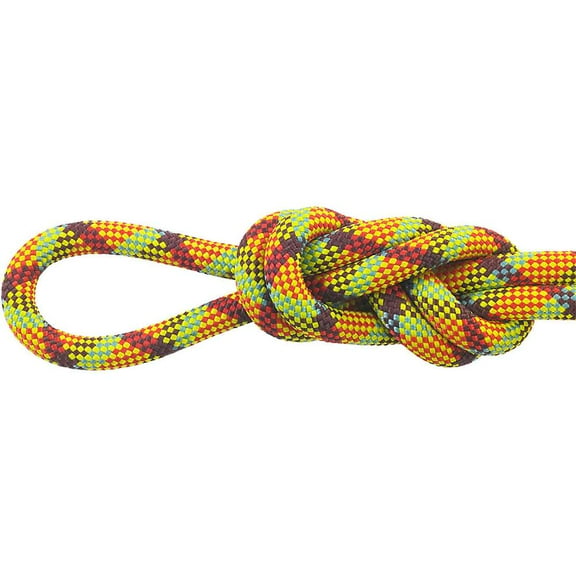
Maxim Climbing Ropes Apex 10.5mmx60m Technicolor Dry Rope - Superior Performance for Your Climbing Adventures
Maxim Climbing Ropes Apex 10.5 Rope - High Performance 9.9mm x 60m Ivy Dry Rope $285.27
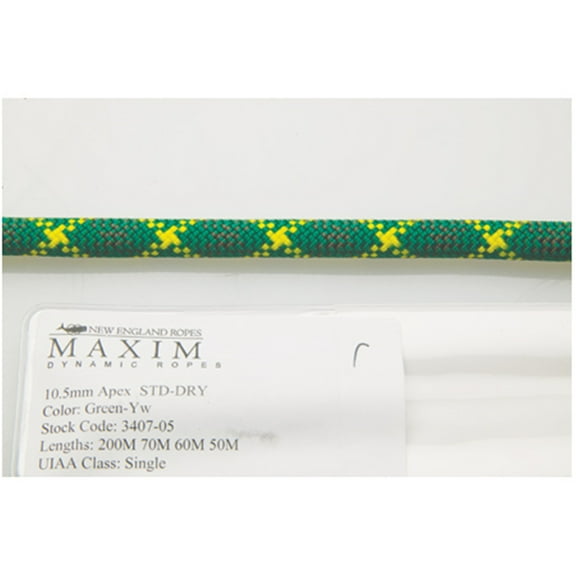


Maxim Climbing Ropes Apex 10.5 Rope - High Performance 9.9mm x 60m Ivy Dry Rope
Popular in Climbing Ropes in Climbing & Mountaineering Equipment - Walmart.com
FAQ
How do I choose the right thickness for a climbing rope?
Choosing the right thickness depends on your climbing style and needs. Thicker ropes (around 10-11mm) tend to be more durable and better for outdoor climbing or heavy use. Thinner ropes (8.5-9.5mm) are lighter and preferred for sport climbing or alpine routes where weight matters. Consider:
- Durability: Thicker ropes resist abrasion better.
- Weight: Thinner ropes are lighter to carry.
- Type of climbing: For beginners or general use, a mid-thickness rope around 9.8-10.5mm is versatile.
Balancing these factors helps you pick a rope that fits your climbing adventures.
What's the difference between dry and non-dry climbing ropes?
Dry ropes have a special coating that repels water, making them ideal for wet or icy conditions. This coating helps prevent the rope from absorbing moisture, which can add weight and reduce strength. Non-dry ropes don't have this treatment and are better suited for dry, indoor, or warm-weather climbing. Here's what to consider:
- Dry ropes: Better for outdoor climbing in damp or snowy environments.
- Non-dry ropes: Often less expensive and suitable for gym or dry conditions.
- Durability: Dry ropes may last longer in harsh conditions but require proper care.
Choosing between them depends on where and how you plan to climb.
How long can I safely use a climbing rope before replacing it?
The lifespan of a climbing rope varies based on usage, conditions, and care. Generally, ropes used frequently or in harsh environments may need replacement every 1-2 years, while occasional use ropes can last several years. Key points to watch for include:
- Visible wear: Fraying, cuts, or flat spots.
- Soft spots: Areas where the rope feels thinner or less firm.
- Number of falls: Ropes have impact ratings; multiple severe falls reduce safety.
Regularly inspect your rope and retire it if you notice damage or after significant falls to maintain safety.
Why do climbers sometimes use two ropes instead of one?
Using two ropes, often called a double or twin rope system, offers several advantages for certain climbing scenarios:
- Increased safety: If one rope is damaged, the other can provide backup.
- Longer rappels: Two ropes allow rappelling the full length of both ropes tied together.
- Reduced rope drag: Clipping different ropes into different protection points helps reduce friction on wandering routes.
This technique is popular in trad climbing and multi-pitch routes where added safety and flexibility are important.
What's the best way to care for and store climbing ropes?
Proper care and storage extend the life and performance of your climbing rope. Here are some tips:
- Keep it clean: Wash ropes with mild soap and water if dirty; avoid harsh chemicals.
- Dry thoroughly: Always dry ropes away from direct sunlight and heat sources to prevent damage.
- Store properly: Coil your rope loosely and store it in a cool, dry place away from UV light and chemicals.
- Inspect regularly: Check for wear, cuts, or soft spots before each use.
Following these steps helps maintain your rope's safety and durability over time.