

Teeth Whitening | Walmart.com


















About Teeth Whitening | Walmart.com
Teeth whitening
White teeth are a desirable trend in cosmetic dentistry, and the products in this section make it possible to attain a brighter smile without costly professional procedures. Though all of these products are considered generally safe for use, it’s best to carefully consider your options before diving into a new whitening routine. No matter which product you choose, make sure to follow all instructions to the letter and report any unusual irritation or pain to your dentist. Most whitening products do cause some degree of discomfort or heightened sensitivity, but that should go away when you stop using the products. If symptoms persist after you discontinue use and don’t seem to improve after a day or two, visit your dentist for help.
Choosing between different whitening product designs
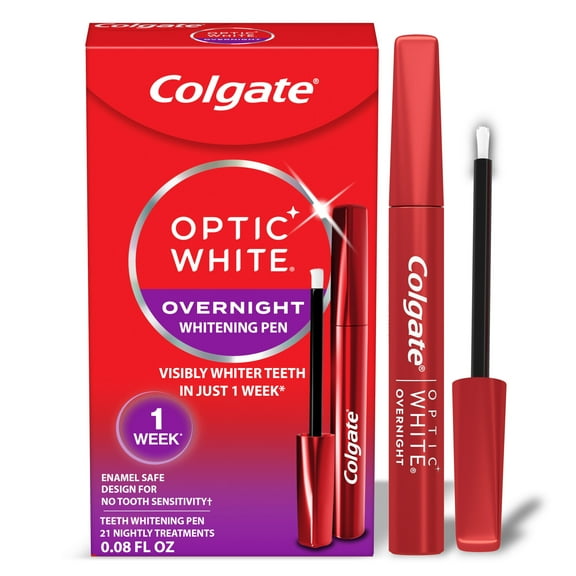
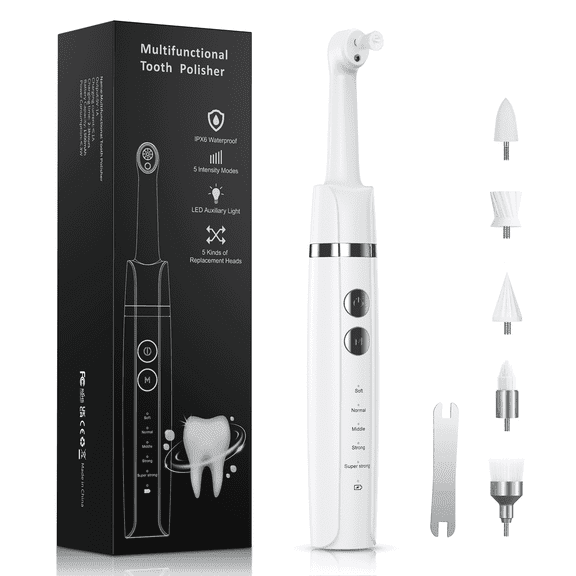
There are so many ways to whiten your teeth. As the products in this section show, you can choose your level of commitment to a pearly white smile. The format you choose should vary depending on how advanced you want to get and what you think might be the underlying cause of your yellowed teeth. If you smoke or drink a lot of teeth-staining beverages, such as coffee, soda and red wine, you'll usually benefit from abrasive whiteners to scrub off stained buildup. On the other hand, if you have naturally yellow teeth, you'll typically require something that sits on your teeth and penetrates into the enamel to whiten them.
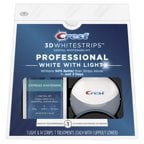
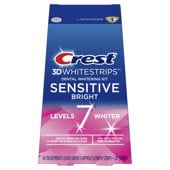
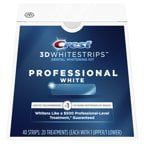
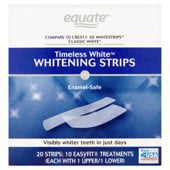
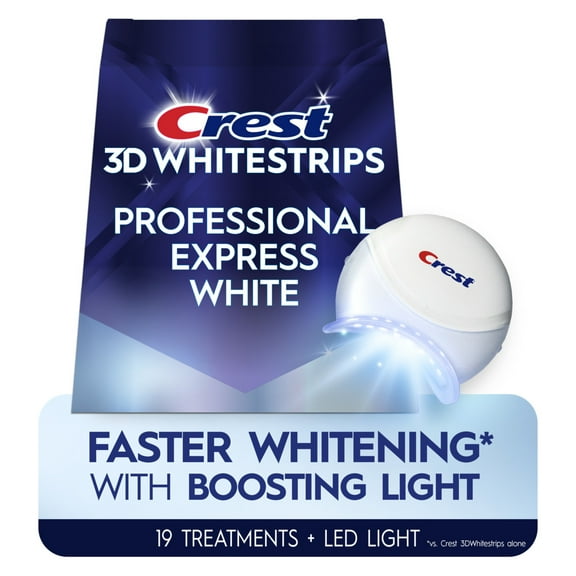
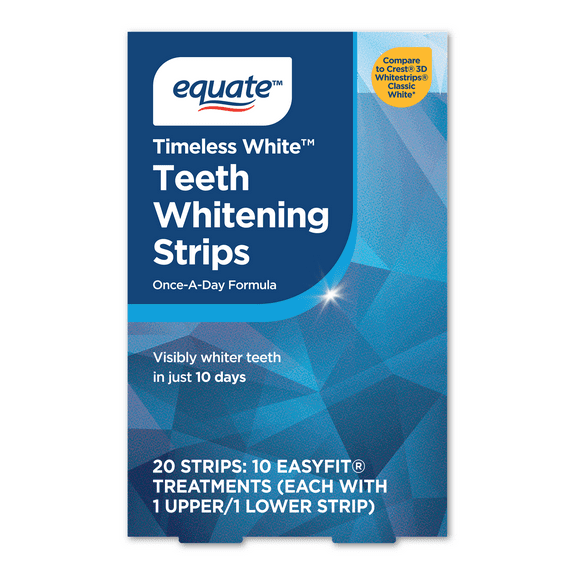
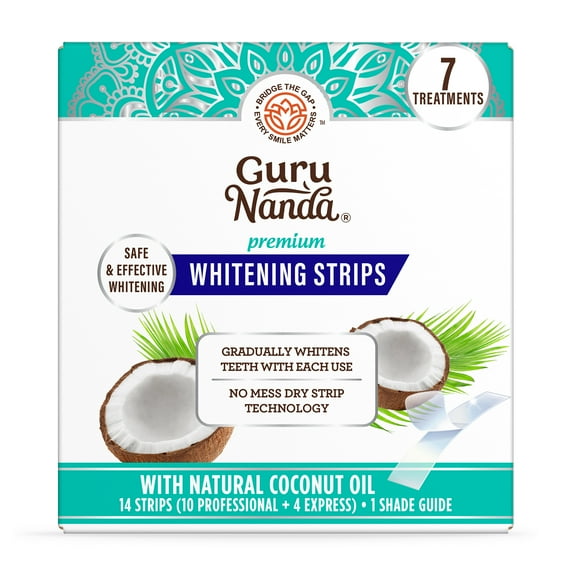
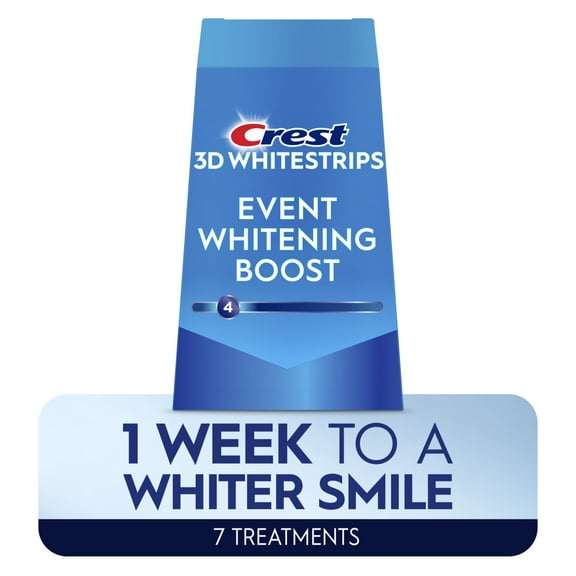
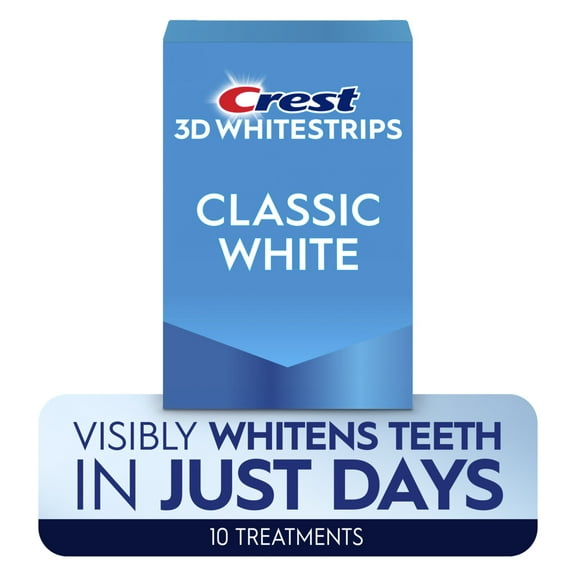
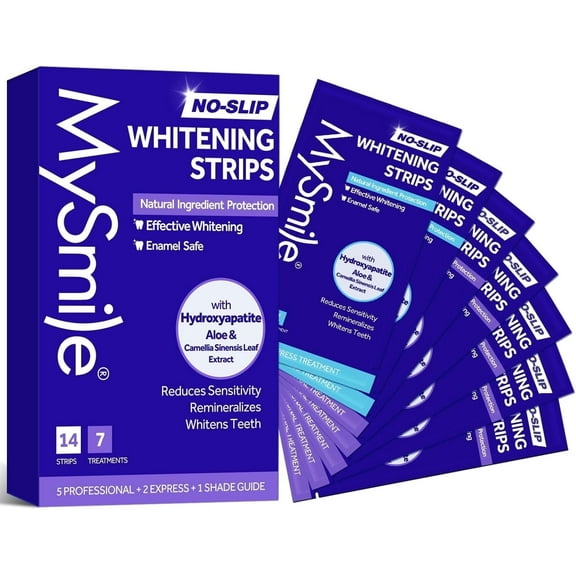
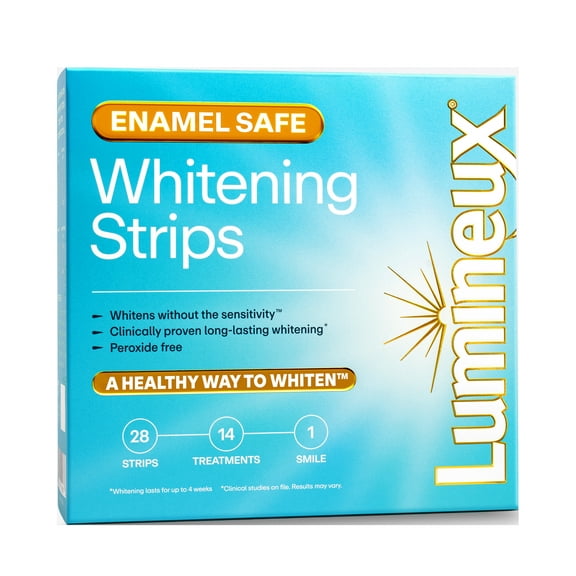
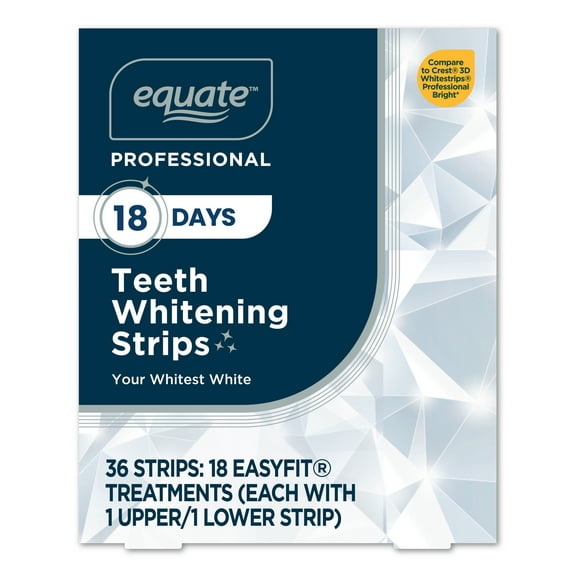
Strips: Strips are relatively easy at-home whitening tools that penetrate your tooth enamel rather than scrubbing away stains. Different manufacturers may offer strips in different levels of intensity, and choosing between these options is largely a matter of preference based on the information you learn from product descriptions. Make sure to read the usage instructions before purchasing so you can be sure that you’re able to complete the process properly. Keep in mind, too, that some strips are meant for wear over a limited and short course of time, such as a one-week kit. These are usually more potent and may cause more pain if you have sensitive teeth.
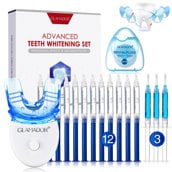
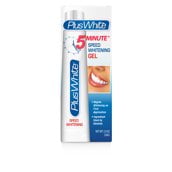
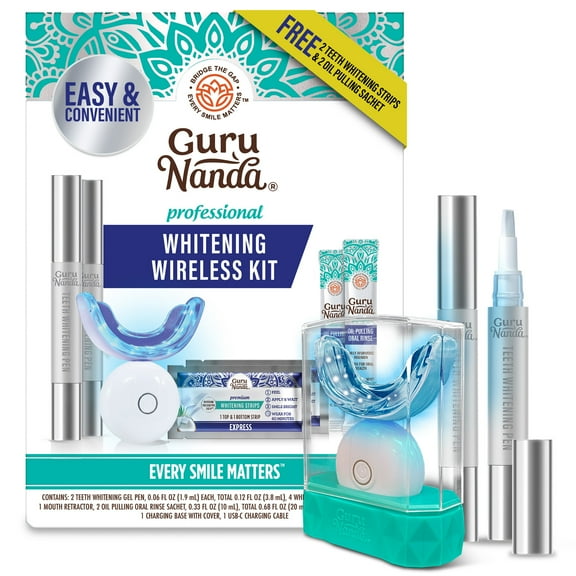
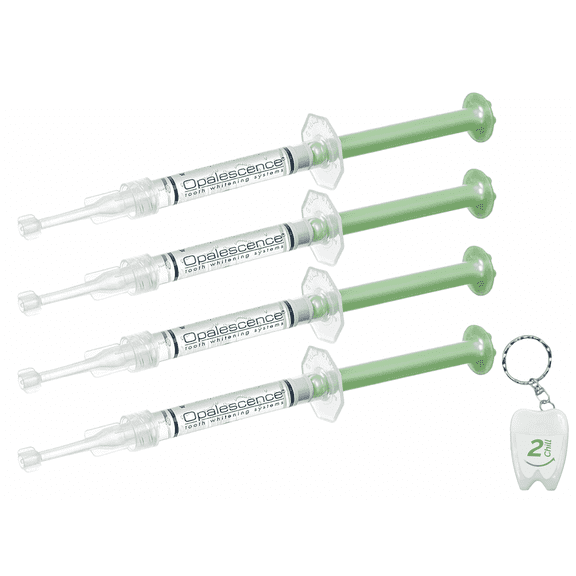
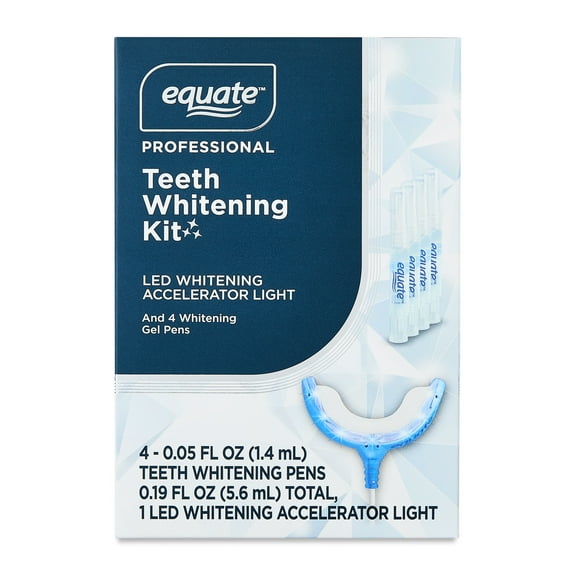
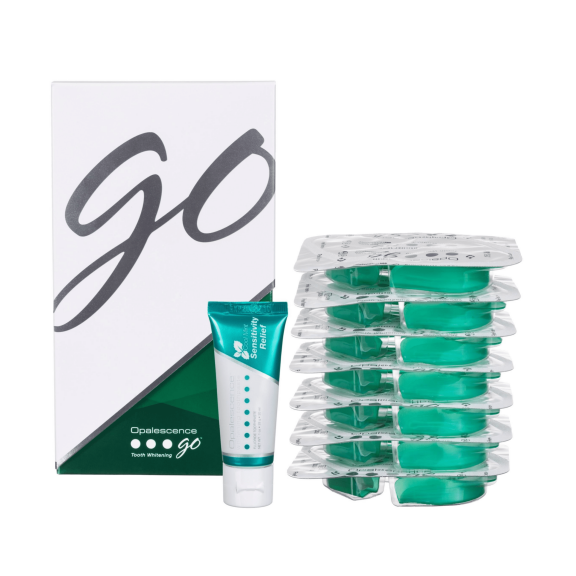
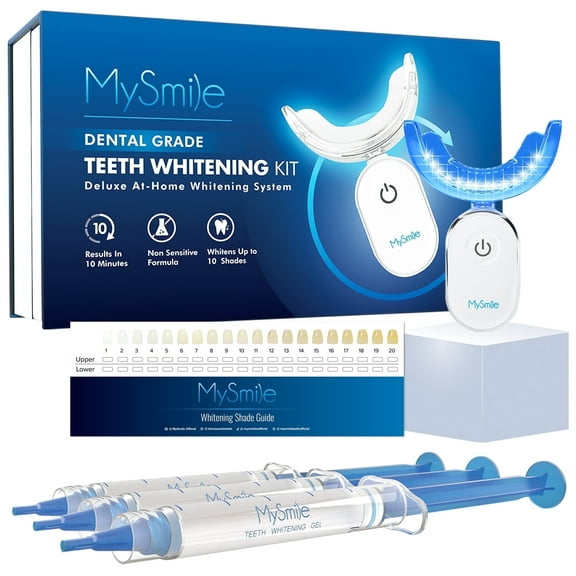
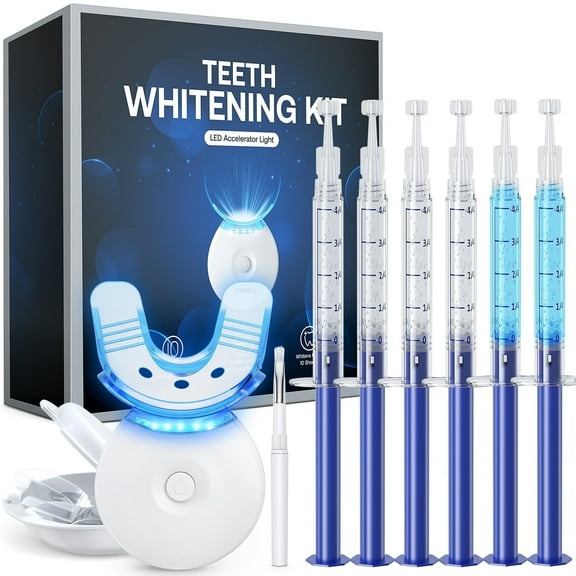
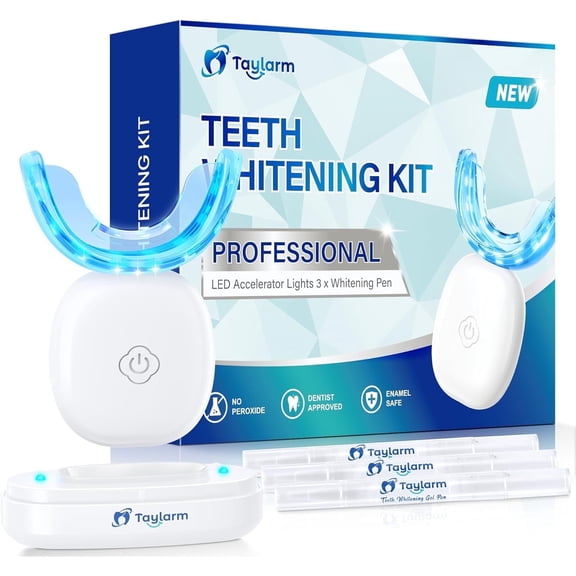
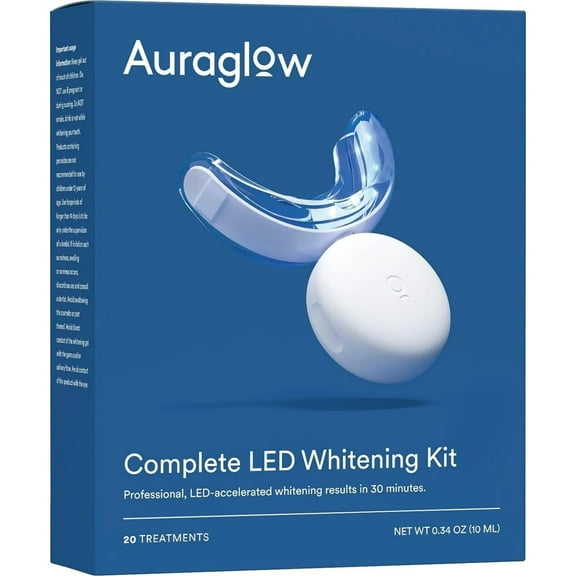
Gels and kits: For heavy-duty whitening, gels and kits offer a step up from strips because they include a higher concentration of bleaching ingredients, such as hydrogen peroxide. Some of these gels sell as standalone whiteners that you must use with dental trays that you get from your dentist or buy over-the-counter and mold to your teeth according to instructions. You may also find kits that include a full range of tools you need to whiten your teeth at home, including gels, moldable dental trays and UV lights that enhance the bleaching effects of the gel. If you're considering using these advanced kits, consult your dentist before using the kit to ensure it’s safe and won’t cause complications with any existing oral health issues.
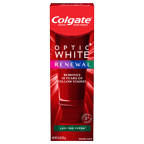
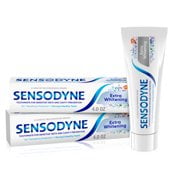
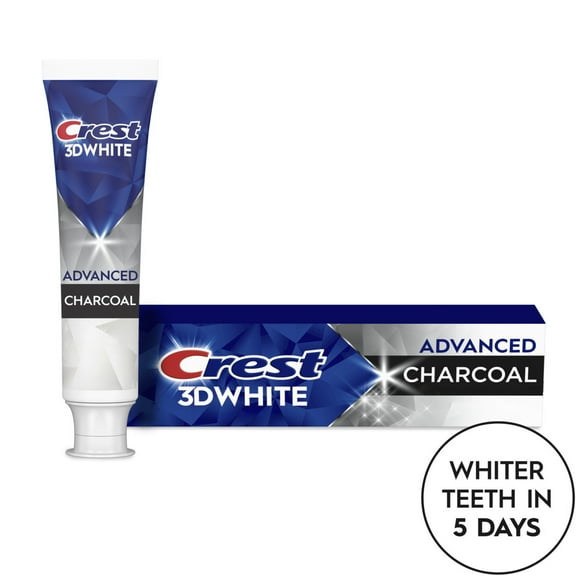
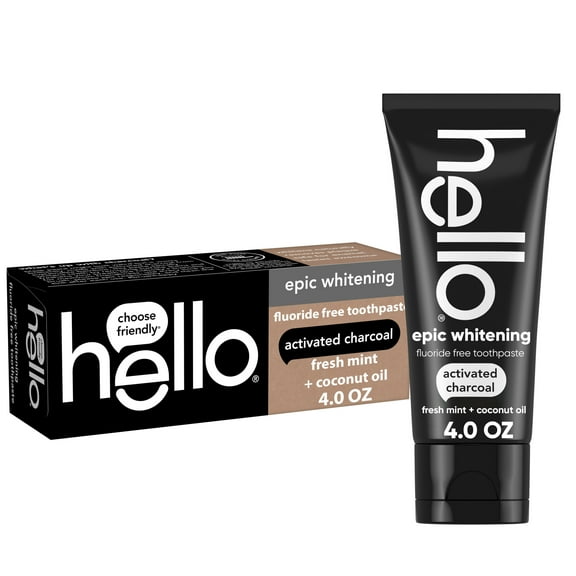
Toothpaste: Toothpaste is an effective abrasive that scrubs away stains, though whitening toothpastes may also include peroxide to bleach your teeth. This whitening effect through peroxide is typically fairly mild due to the limited time duration and exposure to your teeth during brushing. If you plan to use whitening toothpaste on a daily basis, be sure to look out for other features, including tartar control or cavity protection. Major toothpaste manufacturers tend to include whitening ingredients in formulas that address basic dental health concerns, so you'll have several options to choose from.
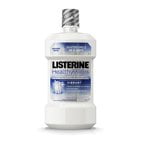
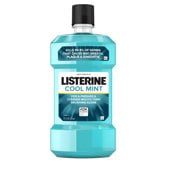
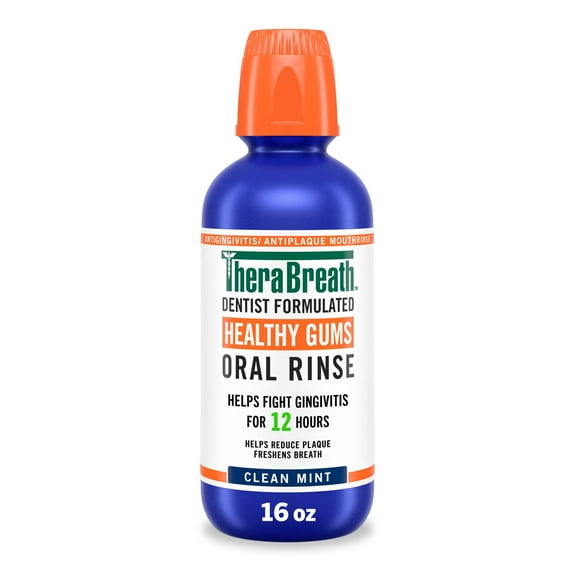
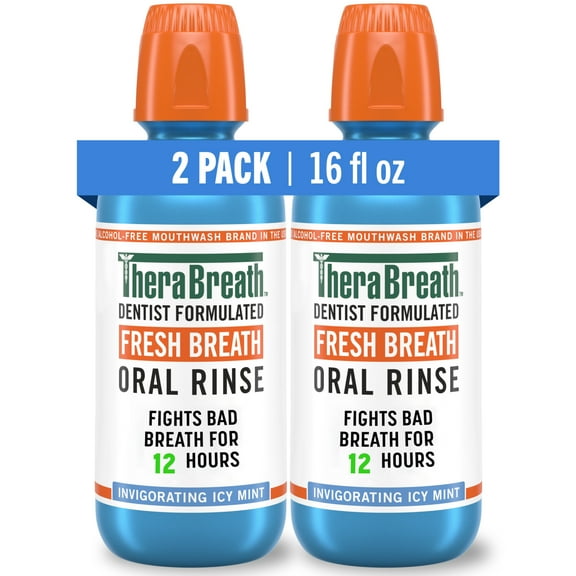
Mouthwash: Whitening mouthwashes usually include peroxide and rely on penetrative bleaching rather than abrasive stain scrubbing. If you don’t really have stains to worry about, you can use this mouthwash alone after using a non-whitening toothpaste. This may be a particularly effective approach if you experience increased sensitivity when using a lot of whitening products. These mouthwashes can also be a helpful accompaniment to whitening toothpaste when you want to attack yellowing from all angles.
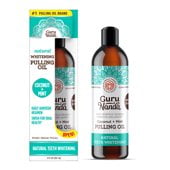
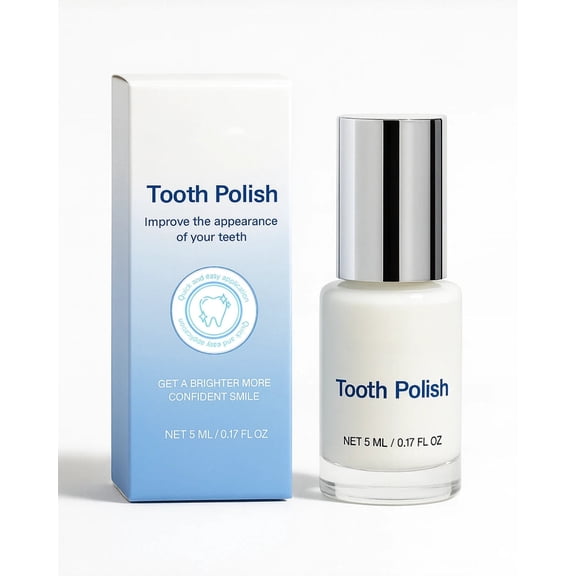
All-natural ingredients: Some whitening products in this section may focus solely on the use of all-natural whitening ingredients that are gentler than hydrogen peroxide, which is itself a naturally occurring substance. Charcoal is among the most common of these ingredients. Many of these charcoal-based whitening products require you to brush charcoal paste onto your teeth and rinse it off. The abrasive and adhesive qualities of charcoal are effective in removing buildup from your teeth, but these whiteners don’t actually penetrate your enamel the way stronger peroxide-based whiteners do.