

Light Meters in Weight, Sound, and Light Measurement(3)
AUTOOL TE301 Digital Light Meter W/180° Rotatable Sensor 0-200,000 Lux Professional Lux Meter Handheld Photometer for Laboratory Streetlight Construction $26.99
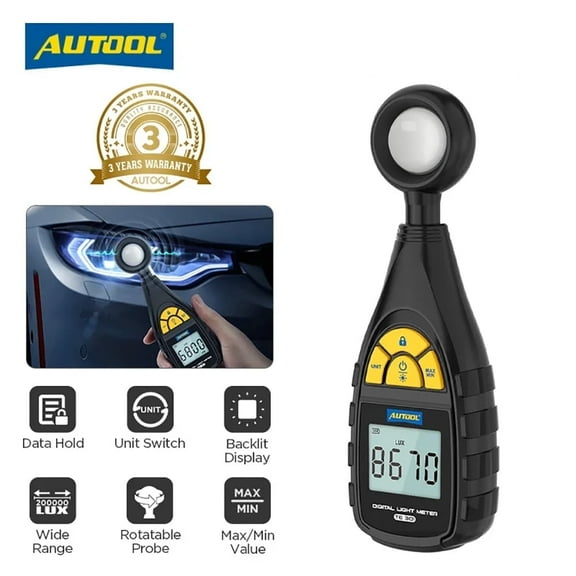
AUTOOL TE301 Digital Light Meter W/180° Rotatable Sensor 0-200,000 Lux Professional Lux Meter Handheld Photometer for Laboratory Streetlight Construction

Woods 59413WD Outdoor Conduit Lighting Control With Photocell and Swivel Mount, Black $9.69

Woods 59413WD Outdoor Conduit Lighting Control With Photocell and Swivel Mount, Black
Amprobe LightMeter, +/-3%Light ACC", FullSize, LM-200LED $207.58
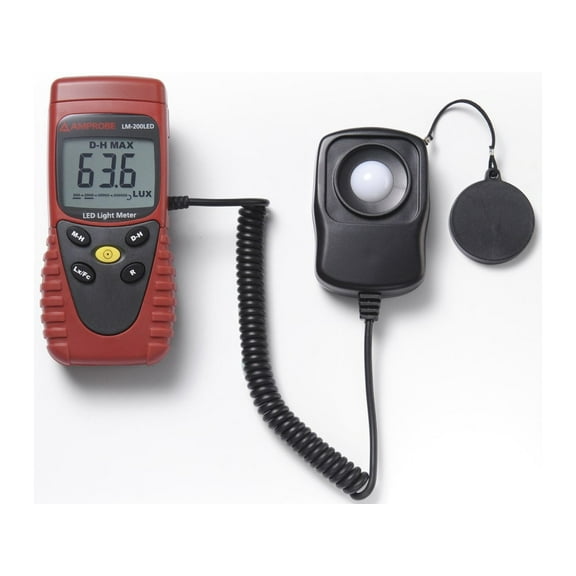
Amprobe LightMeter, +/-3%Light ACC", FullSize, LM-200LED
Popular in Light Meters in Weight, Sound, and Light Measurement - Walmart.com
FAQ
How do I use a light meter to measure brightness?
Using a light meter to measure brightness is straightforward. First, turn on the device and set it to the appropriate mode if it has multiple settings. Hold the meter's sensor facing the light source or area you want to measure. Make sure the sensor is not blocked or shaded. The meter will display the light intensity, usually in lux or foot-candles. For accurate readings, take measurements at the location where light levels matter most, such as workspaces or outdoor areas. Regular calibration of the meter can help maintain measurement accuracy over time.
What should I look for when choosing a light meter?
When selecting a light meter, consider these key factors:
- Measurement Range: Ensure the meter covers the light intensity levels you need, from low indoor lighting to bright outdoor conditions.
- Accuracy: Look for meters with a low margin of error, often around ±3% for reliable results.
- Display and Ease of Use: A clear digital display and simple controls make measurements easier.
- Portability: Compact, handheld meters are convenient for fieldwork.
- Additional Features: Some meters offer data logging or compatibility with LED lighting.
Choosing a meter that fits your specific needs can help you get the most accurate and useful readings.
Can light meters accurately measure LED lighting?
Yes, many modern light meters are designed to measure LED lighting accurately. LEDs emit light differently compared to traditional bulbs, so it's important to use a meter that can handle various light sources. Some light meters have sensors calibrated to account for the unique spectrum and intensity of LED lights. When measuring LED lighting, ensure the meter's specifications mention compatibility with LED or solid-state lighting to get reliable results. This is especially useful for professionals working in environments with mixed light sources.
How do I know if my light meter is working correctly?
To check if your light meter is functioning properly, you can perform a few simple tests:
- Compare Readings: Measure a known light source with a reliable reference or compare with another meter.
- Check Calibration: Some meters allow you to calibrate or reset them; follow the manufacturer's instructions.
- Test in Different Conditions: Take readings in various lighting environments to see if the meter responds consistently.
- Inspect the Sensor: Ensure the sensor is clean and free from damage or obstructions.
If readings seem off or inconsistent, the meter may need professional calibration or repair.
What are common uses for light meters in everyday settings?
Light meters have a variety of practical uses beyond professional fields. Common everyday applications include:
- Photography: Helping photographers set the right exposure by measuring ambient light.
- Home Lighting: Ensuring rooms have adequate lighting for comfort and energy efficiency.
- Gardening: Measuring sunlight levels to optimize plant growth.
- Workspaces: Checking that offices or workshops meet recommended lighting standards for safety and productivity.
- Outdoor Lighting: Assessing streetlights or security lighting effectiveness.
These uses help improve safety, comfort, and functionality in various environments.