

Low Sodium Foods in Dietary & Lifestyle Shop





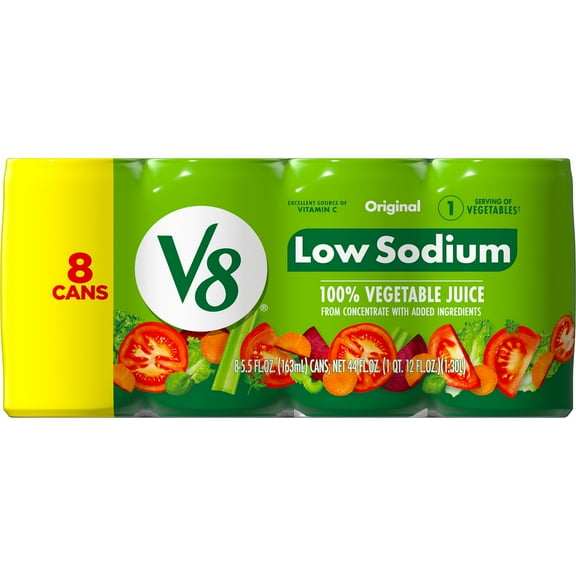

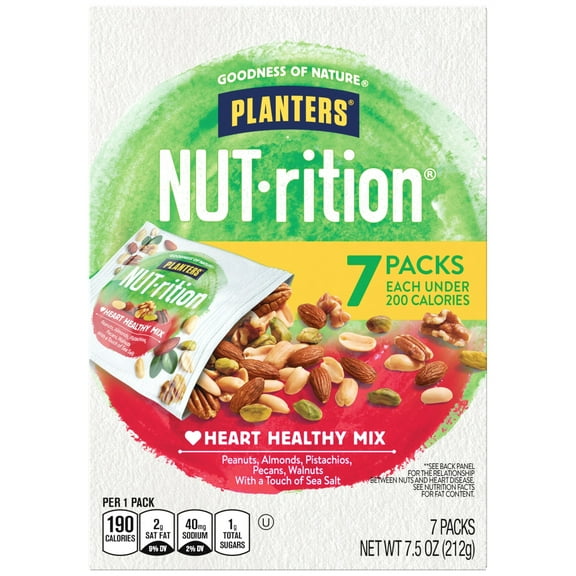


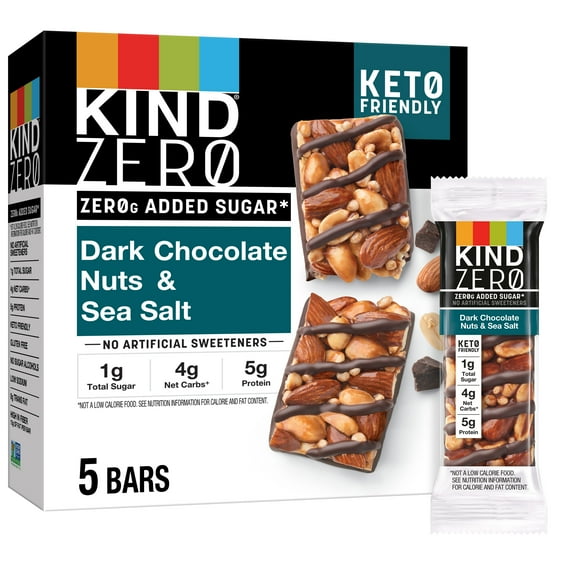
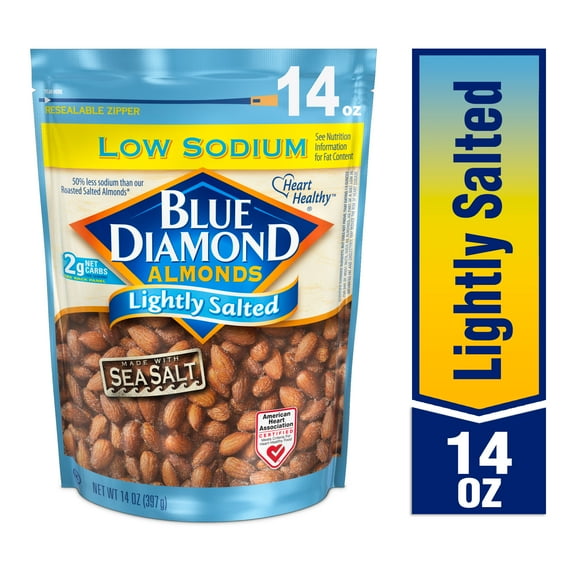
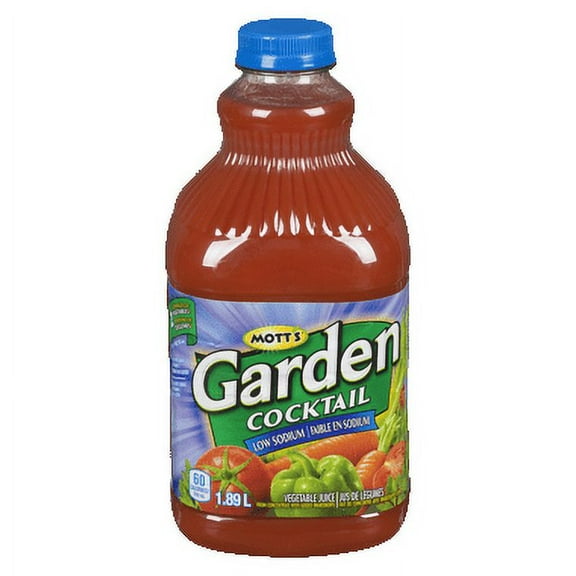

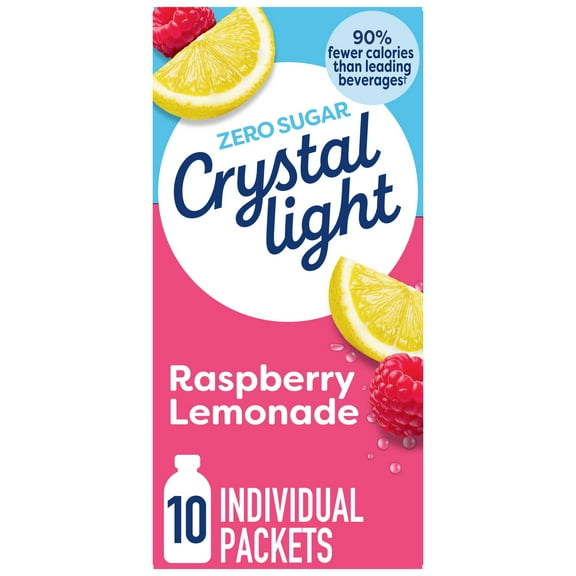
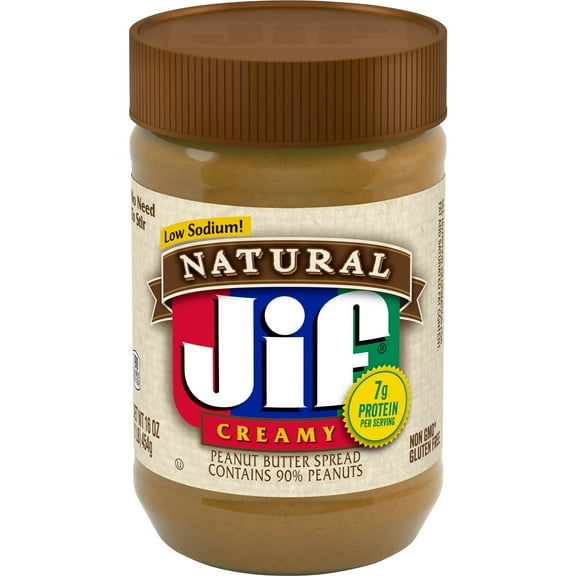
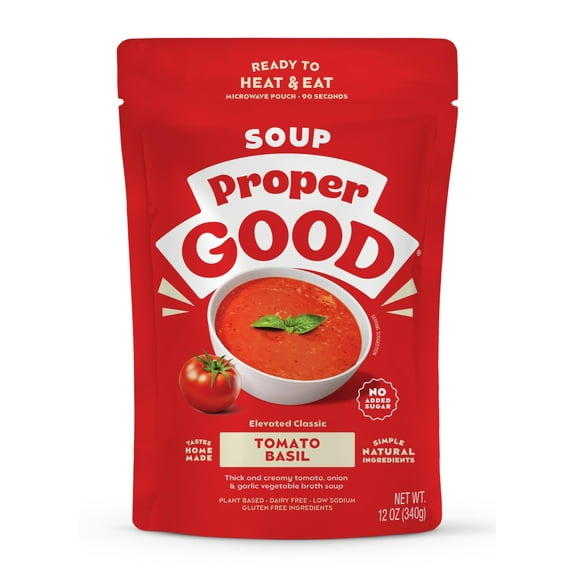
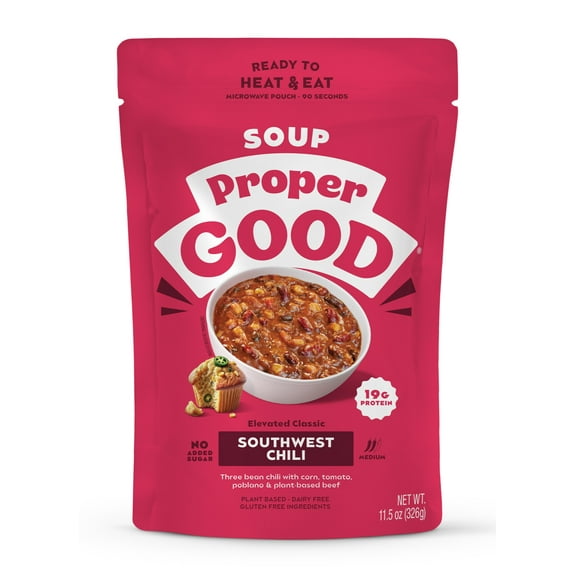
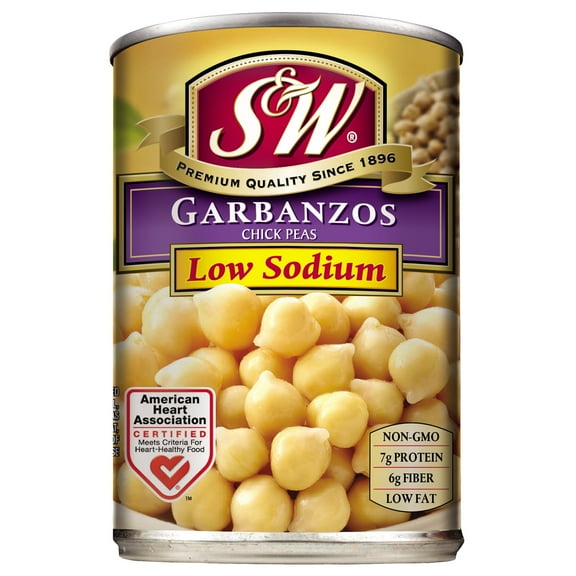

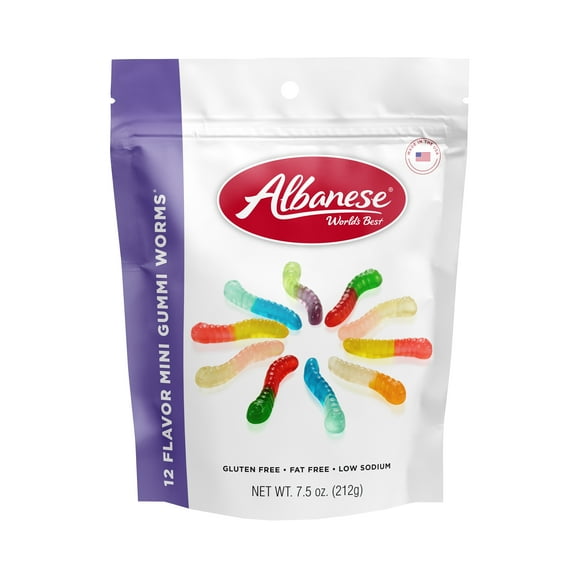
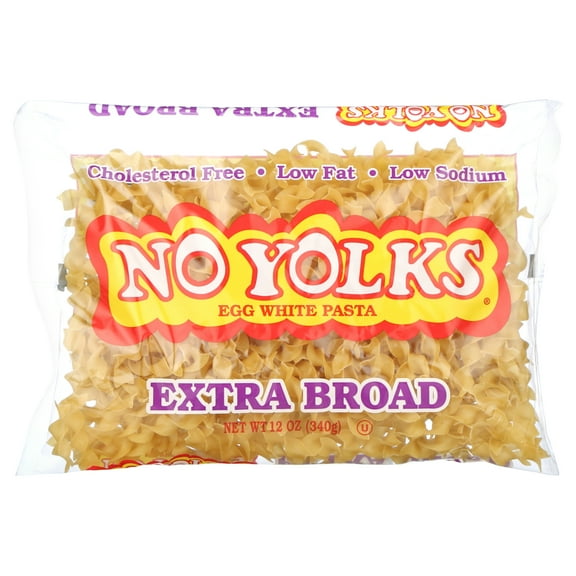


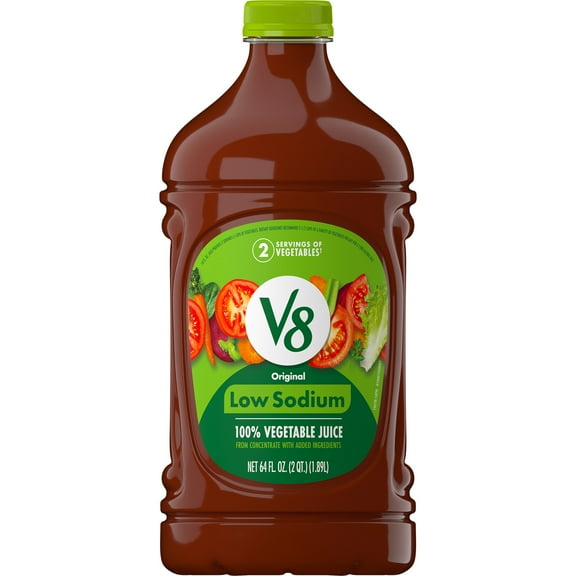

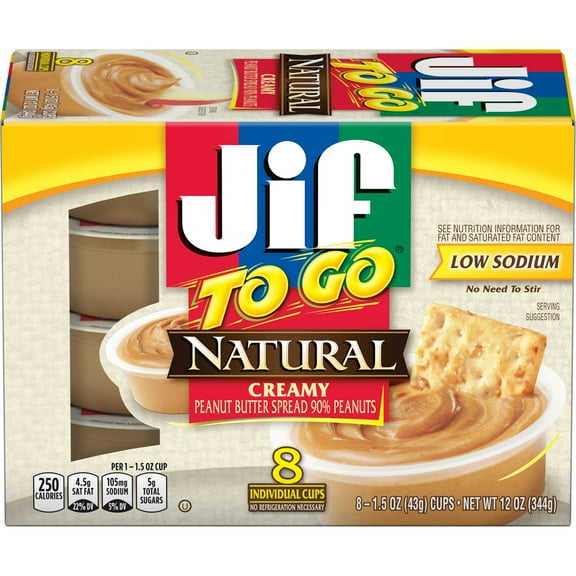
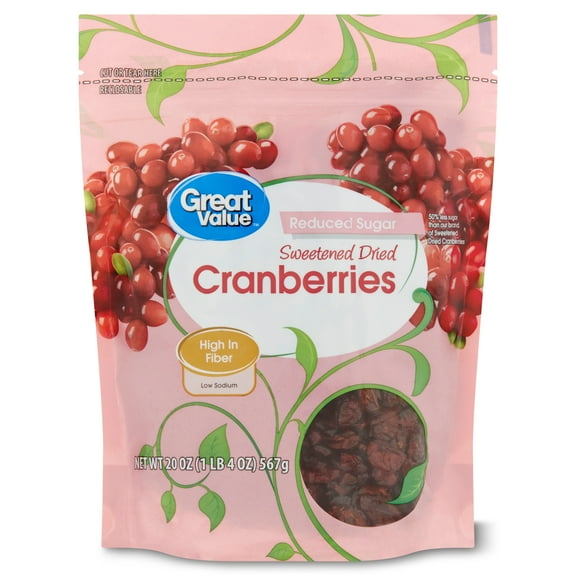



About Low Sodium Foods in Dietary & Lifestyle Shop - Walmart.com
What is the difference between low sodium and reduced sodium?
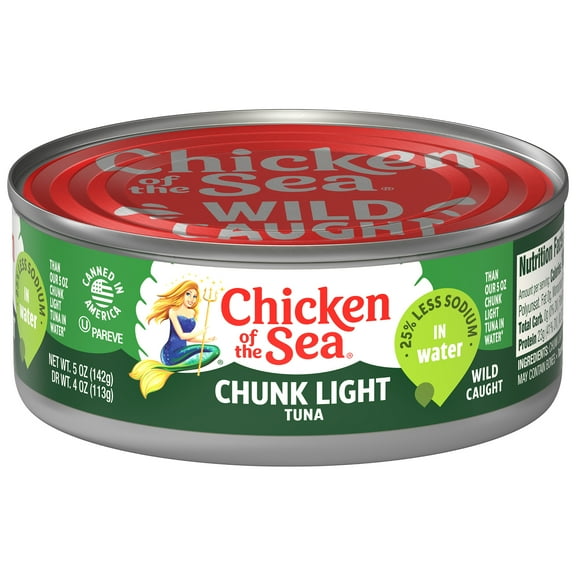
In most cases, foods marked "low sodium" have 140 milligrams of sodium or less. Those marked "very low sodium" typically have 35 milligrams of sodium or less. "No sodium" foods usually have less than 5 milligrams of sodium. Foods marked "reduced sodium," usually have at least 25 percent less sodium in them than the original version. Foods that say "unsalted" or "no salt added" may have naturally-occurring sodium, but no additional salt was added during processing or packaging. Milligrams will vary based on the food.
How much sodium should I eat in a day?
According to the Centers for Disease Control, the average adult should eat about 2,300 milligrams of sodium or less per day. Eating too much can raise your blood pressure and eventually impact your cardiovascular health. It can lead to heart disease and a stroke. Always talk to your doctor about your individual sodium needs.
How can I add flavor to unsalted or low-sodium foods?
One advantage to buying low- or no-sodium foods is that you can add a little bit of salt to some items so that they have flavor, but you have control over how much sodium they have in them. For example, if you buy an unsalted tomato sauce for spaghetti, you can add a dash of salt to enhance the flavor yet keep the sodium low. You can also add other herbs and spices to low-sodium dishes for extra flavor. Acidic liquids, like vinegar, lemon juice, and orange juice are great for flavoring low-sodium foods as well. Some dishes even benefit from the addition of nuts, seeds, and dried fruits.