

Shop by Brand in Food




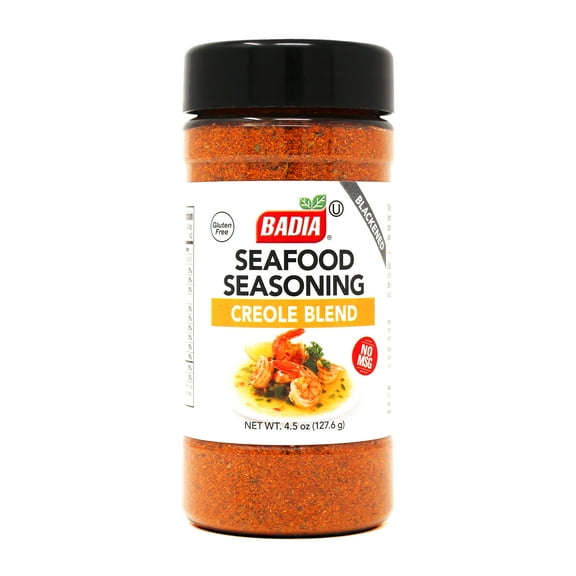
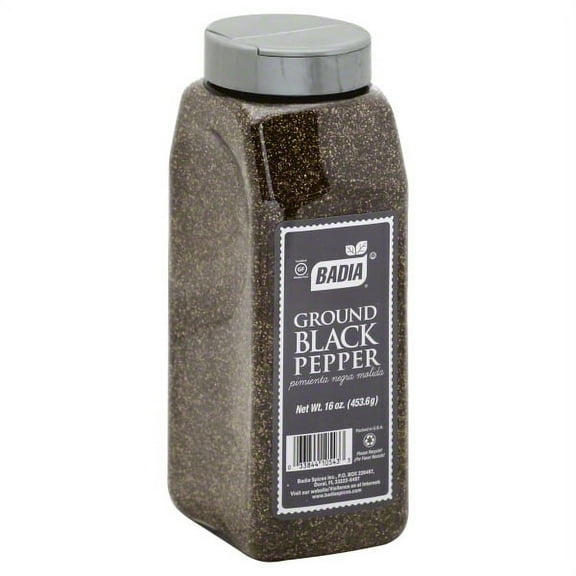

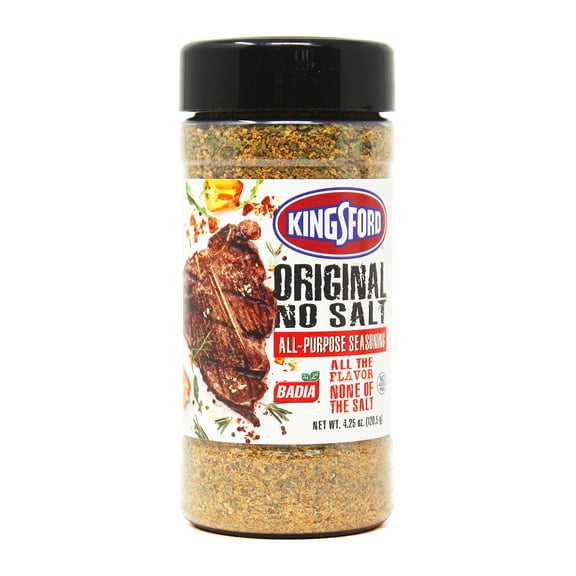
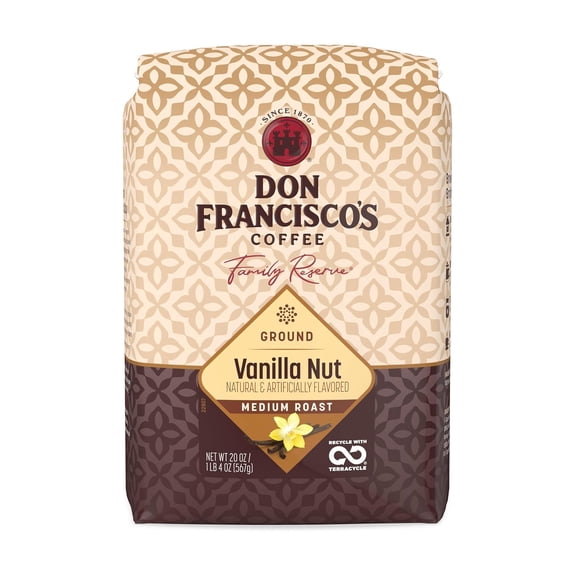











About Shop by Brand in Food - Walmart.com
You can find food for busy weekdays, stocked pantries, and simple meal planning at Walmart. You can compare shelf-stable basics, refrigerated picks, and frozen favorites in one place.
When you buy food online, you can sort by household habits and storage needs. You can also check dietary preferences and package sizes before you choose.
How to choose food and grocery food
You may start with the kind of grocery food your home uses frequently. You can compare pantry staples, snacks, beverages, and canned goods by routine and occasion.
For everyday cooking, you may look for rice, pasta, sauces, baking ingredients, and canned vegetables. For quick breaks, you may prefer snack packs, sparkling drinks, or ready-to-pour beverages.
You can use a simple checklist to narrow your options quickly. You can focus on the details that match how your household eats and stores items.
- You can choose pantry staples for longer shelf life and easy cabinet storage.
- You can pick snacks and single-serve items for lunches, travel, and portion planning.
- You can select beverages and multipacks for family meals, gatherings, or weekly restocks.
- You can compare canned goods for convenient ingredients that stay ready in your pantry.
Choosing pantry food by storage type
You should compare storage type first because it shapes how you organize your kitchen. You can choose shelf-stable, refrigerated, or frozen items based on space and timing.
Shelf-stable pantry food works well when you want ingredients ready in a cabinet or closet. You can keep pasta, canned beans, broth, cereal, and packaged food within easy reach.
Refrigerated choices fit routines that include dairy items, chilled drinks, dips, or prepared sides. You can add them to pickup or delivery orders when you want items for the next few days.
Frozen selections help you keep meals, vegetables, fruit, and breakfast staples on hand longer. You can use them when you want flexibility without planning every meal in advance.
You may also care about freshness and expiration dates when choosing online groceries. You can expect fresh items with a usable shelf life, so your order fits your weekly routine.
Comparing dietary preferences and labels
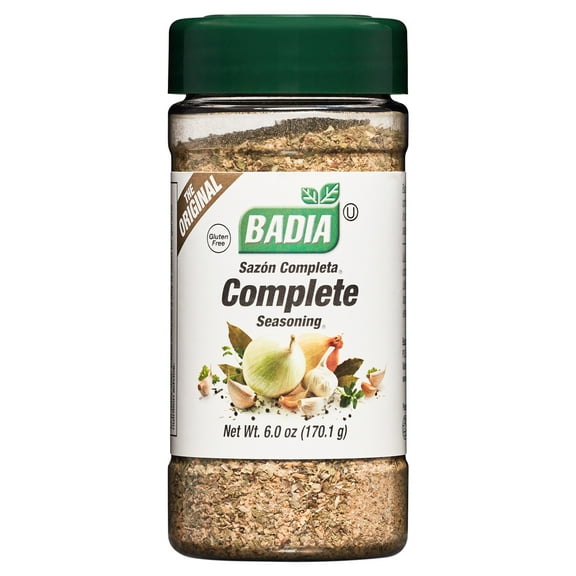
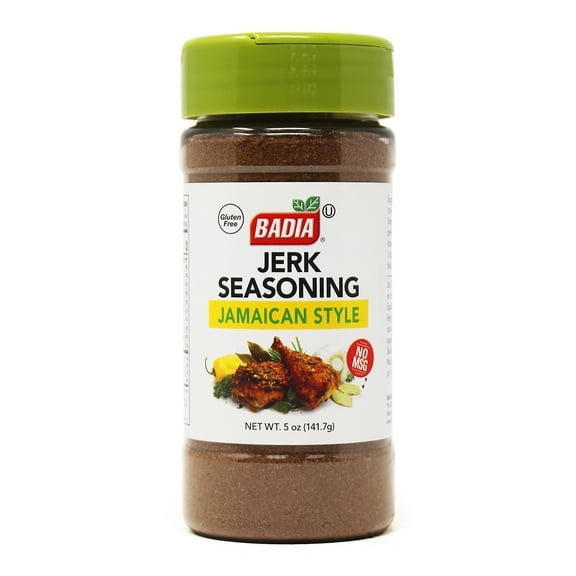
You can narrow food choices quickly by checking dietary preferences before you add anything. You may compare organic, gluten-free, vegan, and sugar-free options across many everyday categories.
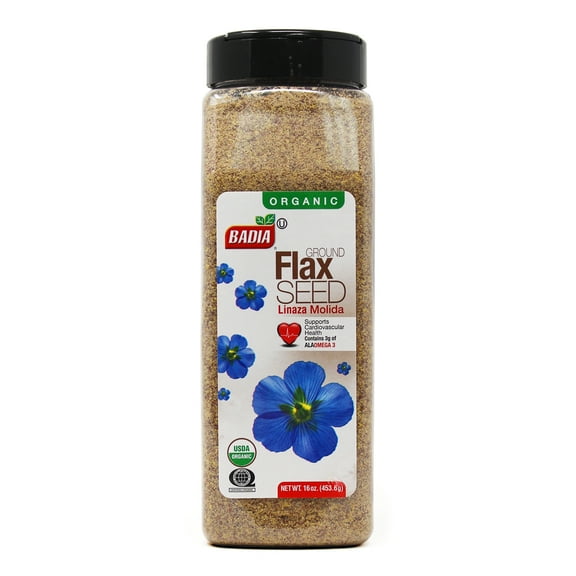
Gluten-free labeling helps you identify products that match your ingredient preferences. Organic labeling helps you compare items made to certified standards you may already look for.
You can also review ingredient panels and package callouts when allergen details matter in your home. You should check the product page carefully, because labels can guide quick decisions.
Vegan choices can help you plan plant-based meals, snacks, and pantry basics with less guesswork. Sugar-free options can also fit drink selections, dessert ingredients, and snack planning.
Matching package size to household use
You should compare packaging type with how quickly your household uses each item. You can choose bulk, single-serve, or multi-pack formats based on storage space and daily habits.
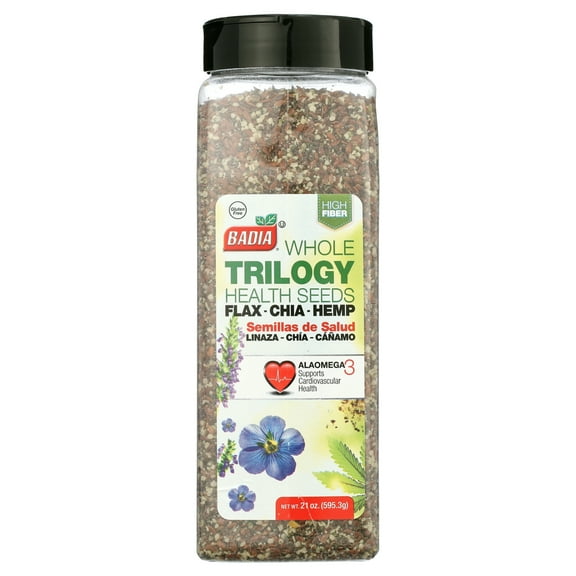
Bulk sizes can make sense when you cook often or restock for larger households. You can keep extra cereal, pasta, canned soup, or beverages ready between grocery trips.
Single-serve packaging works well when you pack lunches, portion snacks, or grab drinks on the go. You can keep choices organized without opening a larger container.
Multi-pack options give you a middle ground for variety and convenience. You can split items across a pantry, office drawer, or break area without overloading one space.
Packaged food also varies by resealable pouches, cans, cartons, trays, and bottles. You should compare the container style when you want easier pouring, stacking, or storing.
Using food delivery and pickup for everyday routines
You can use delivery and pickup options to keep your kitchen stocked with less back-and-forth. You may choose essentials for breakfast, lunchboxes, dinners, and last-minute recipe needs.
For weekly planning, you can combine pantry staples, refrigerated items, and frozen choices in one order. You can build a balanced cart around meals, snacks, and drinks your household uses often.
If you host gatherings, you can choose beverages, canned ingredients, snack multipacks, and dessert supplies together. You can also compare package counts when you need enough for a group.
For workdays and school schedules, you may prefer single-serve snacks, bottled drinks, and easy-prep pantry items. You can keep cabinets and lunch bags ready with fewer separate trips.
You can also shop by storage needs when space is limited in your kitchen. You should measure shelves, refrigerator space, and freezer room before choosing larger packs.
With clear labels, flexible formats, and practical storage options, you can choose food that fits how your household actually eats. You can finish with items that match your schedule, space, and meal planning needs.