




Birds in Pets























About Birds in Pets - Walmart.com
Birds need different care setups, and you can compare bird supplies here for pet habitats and backyard feeding stations. You’ll find practical options for cages, food, feeders, and bird baths in one place.
If you care for canaries, parakeets, or finches, you’ll want supplies matched to size, diet, and daily activity. If you feed wild birds outside, you’ll want seed, suet, nectar, and feeders designed for your yard.
How to choose bird supplies by bird type
You should start with bird type because pet birds and wild birds need very different products. You’ll make faster decisions when you separate indoor care items from outdoor feeding essentials.
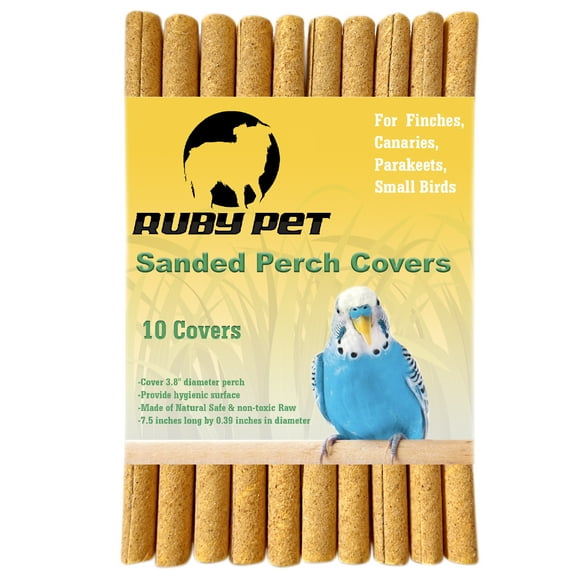
For pet birds, you should compare indoor cages, perches, toys, and species-appropriate food formats. For wild birds, you should compare hanging feeders, window feeders, bird baths, and wild bird seed blends.
You may also narrow choices by species. You’ll usually want smaller bar spacing for finches and canaries, while parakeets often need more room for climbing and movement.
- You can match cages and food to canaries, parakeets, finches, and other pet birds.
- You can choose feeders and seed types based on the wild birds visiting your space.
- You can compare indoor and outdoor setups without mixing unrelated supplies.
- You can find bird supplies for daily feeding, enrichment, and habitat care.
Choosing the right bird supplies category
You should next compare the supply category that fits your routine. You’ll usually choose among cages, food, feeders, toys, and bird baths depending on where birds spend time.
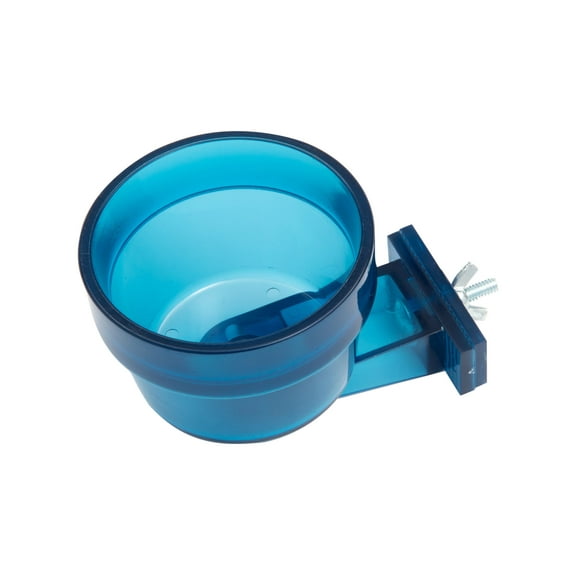
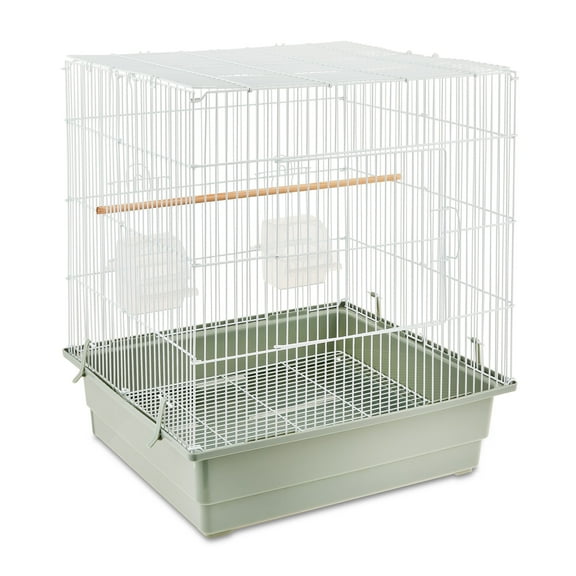
If you’re setting up an indoor habitat, you should focus on cage dimensions, door access, and perch layout. You’ll want enough room for movement, food dishes, and simple cleaning.
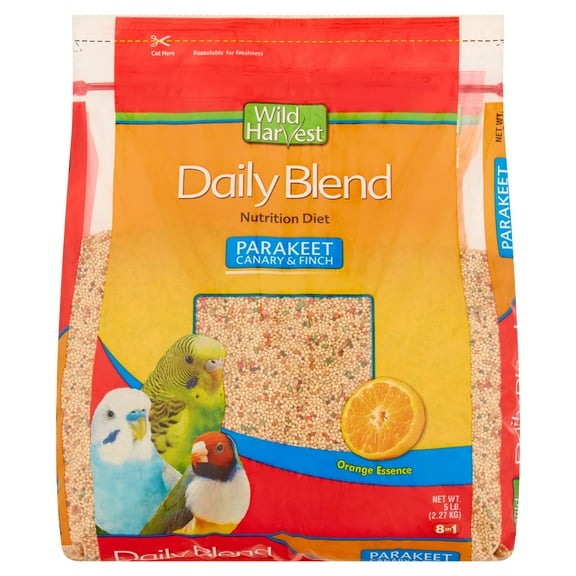
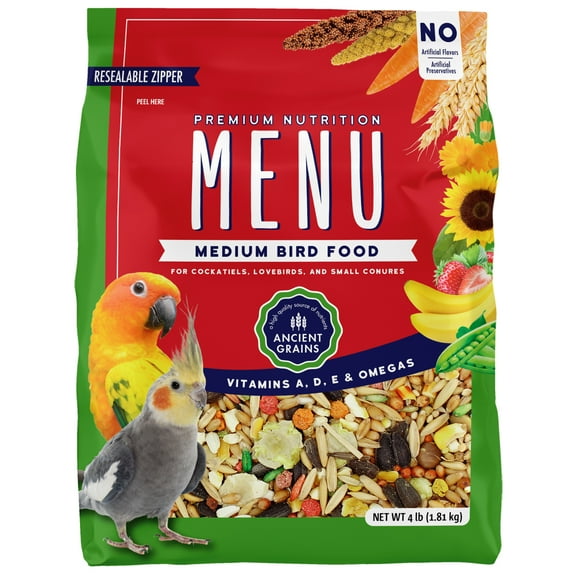
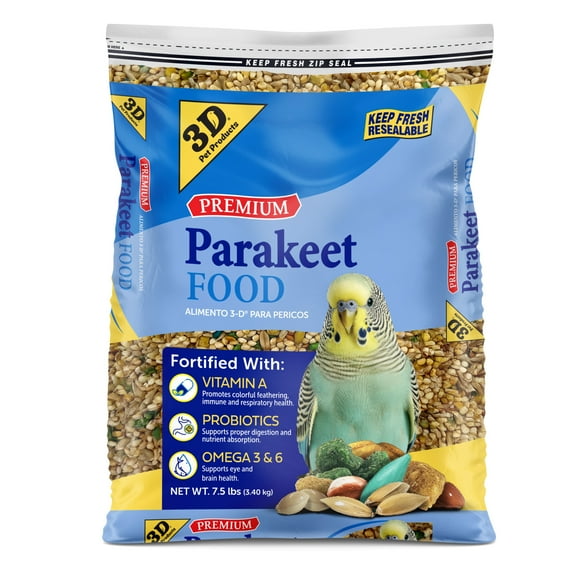
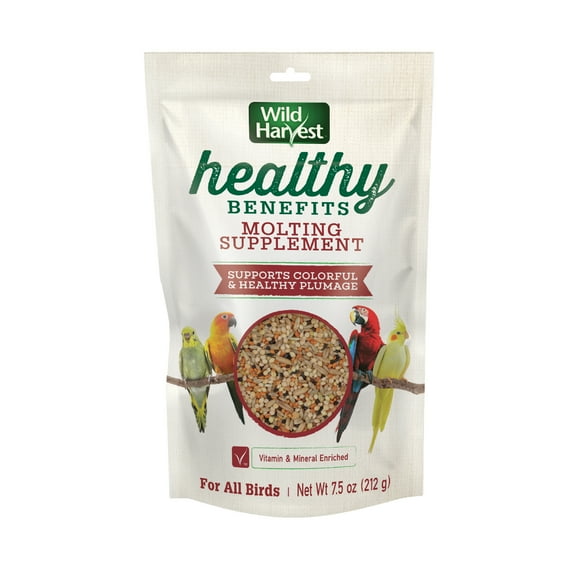
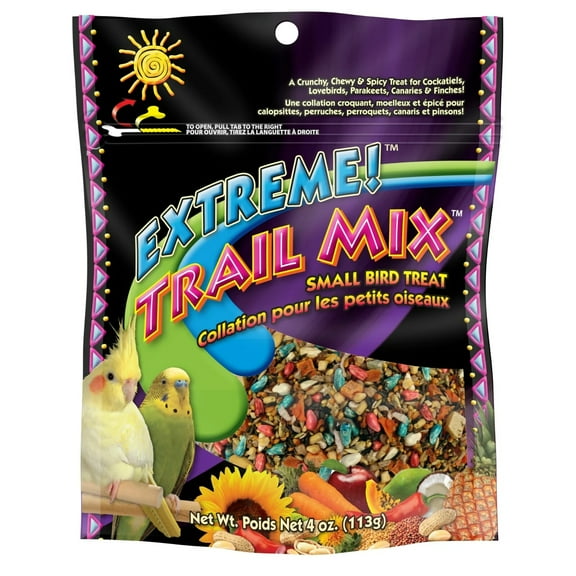
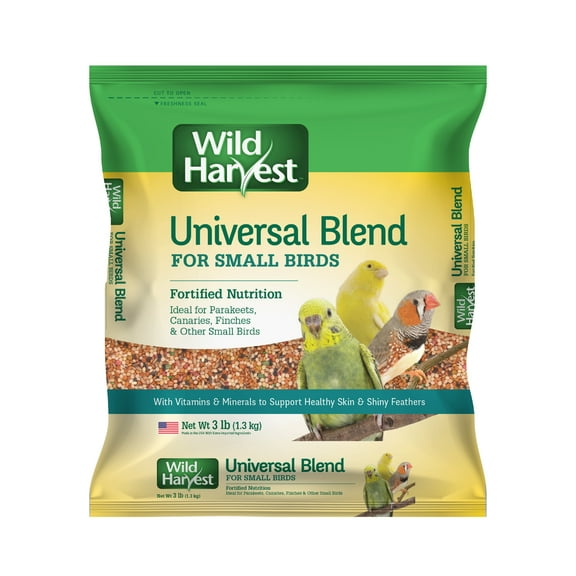
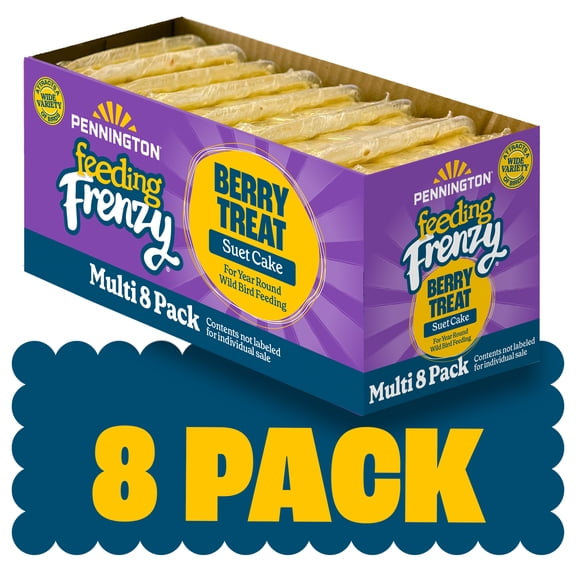
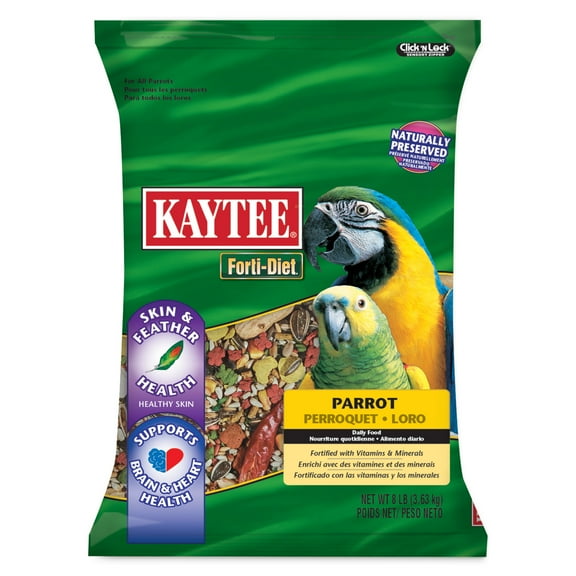
When you compare food, you should check whether the format fits your bird type and feeding style. You’ll often see seed mixes, pellets, suet, and nectar made for different feeding habits.
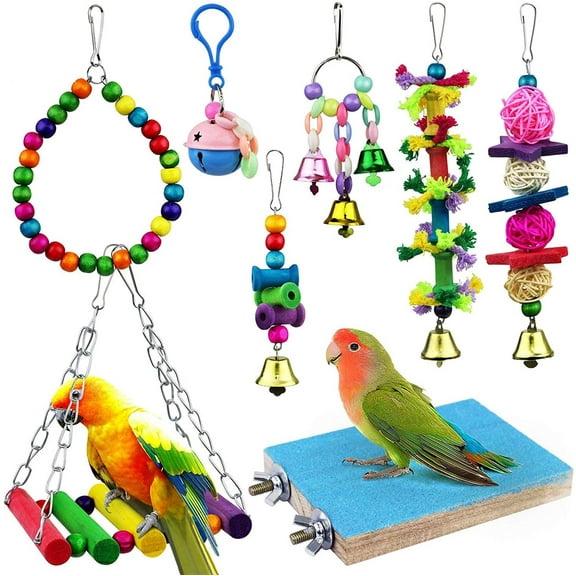
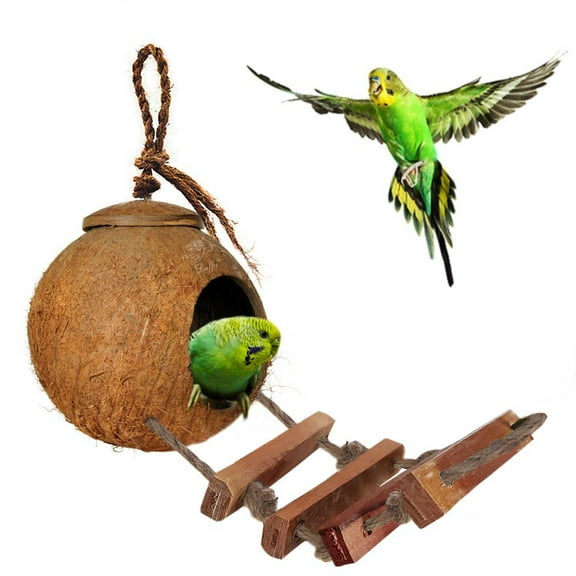
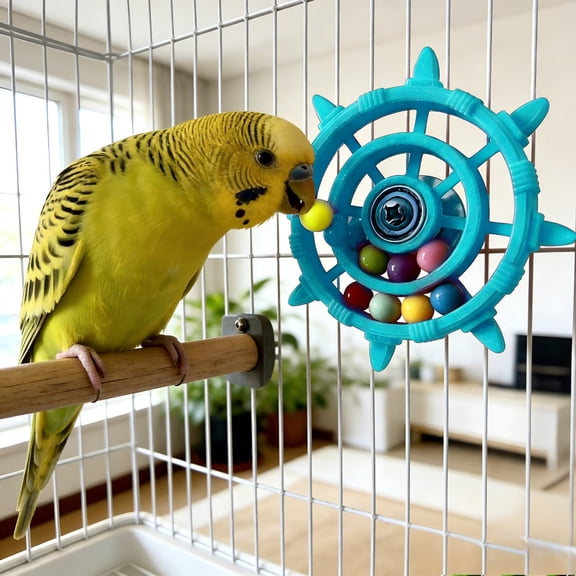
Toys matter when you keep active pet birds indoors. You’ll want textures, shapes, and hanging styles that fit your cage size and your bird’s play preferences.
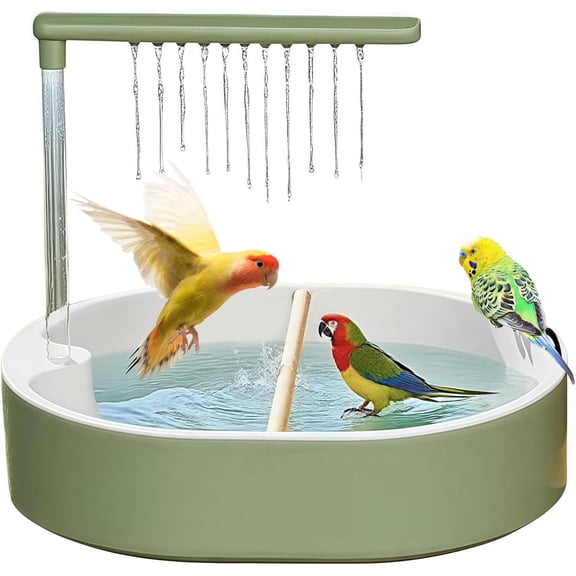
Bird baths support outdoor setups in a different way. You can use them to create a consistent backyard station with feeders placed at practical distances.
What to look for in food, cages, and feeders for birds
You should compare technical details because they affect everyday use. You’ll make smarter choices when you measure space, check capacity, and match construction to your bird type.
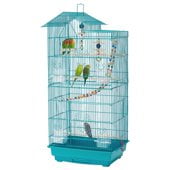
For cages, you should look at dimensions and bar spacing first. You’ll need spacing that suits smaller birds like finches, while still giving enough room for perches and dishes.
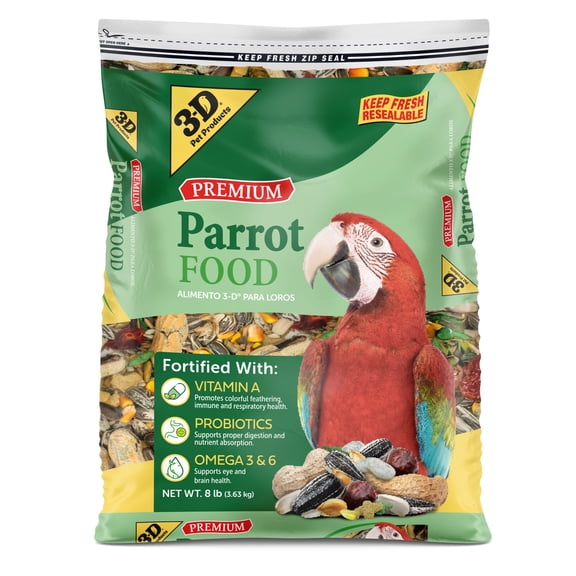
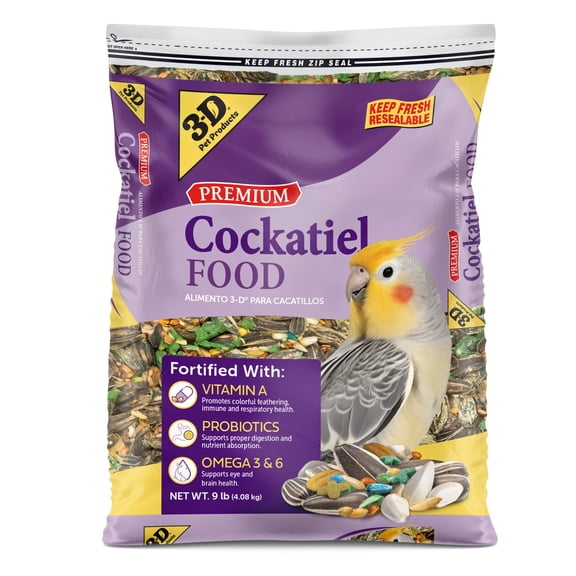
For food, you may compare nutritional analysis on labels when you’re choosing pet bird formulas. You’ll use that information to match pellets or seed blends to species and feeding routines.
For feeders, you should check seed capacity and placement style. You’ll notice hanging feeders work well in open yard areas, while window feeders fit smaller outdoor spaces.
Weather-resistant materials matter when you feed wild birds outside. You’ll want sturdy feeder construction that stands up to changing seasons and supports regular refills.
If squirrel-resistant design matters in your yard, you should compare closure styles, ports, and hanging methods. You’ll often get cleaner feeding areas when those details match your setup.
Matching placement and use cases to your space
You should think about where your bird supplies will go before you choose a product type. You’ll avoid fit issues when you measure indoor corners, windows, hooks, rails, or garden areas.
If you keep pet birds indoors, you should compare cage footprints and height along with door placement. You’ll want a setup that fits your room and still leaves space for cleaning.
Window feeders can work well when you want close-up birdwatching from inside. You’ll often prefer them when your outdoor area is compact and you still want easy refill access.
Hanging feeders make sense when you have trees, poles, or hooks available. You can use them with seed mixes, suet options, or nectar styles depending on the birds you attract.
You may build a full backyard station by combining feeders, wild bird seed, and a bird bath. You’ll create a more organized setup when each item supports the same placement plan.
If you need heavy seed or larger supplies quickly, you can check shipping and store pickup availability on Walmart.com. You’ll get a convenient way to handle recurring needs for birds.
Key differences between pet bird and wild bird needs
You should keep pet bird care and wild bird feeding separate when you shop. You’ll get more accurate results when you compare indoor habitat items apart from outdoor feeding products.
Pet birds usually need cages, toys, perches, and species-specific food used every day. Wild birds usually need feeders, wild bird seed, suet, nectar, and weather-ready accessories.
That distinction helps you choose faster and avoid mismatched items. You’ll leave with supplies that fit your bird type, your space, and your daily routine.
With bird supplies organized by species, food type, placement, and category, you can make clearer decisions. You’ll end up with a setup that fits your home or yard and supports easier daily care.