



Infant Activity Toys in Baby







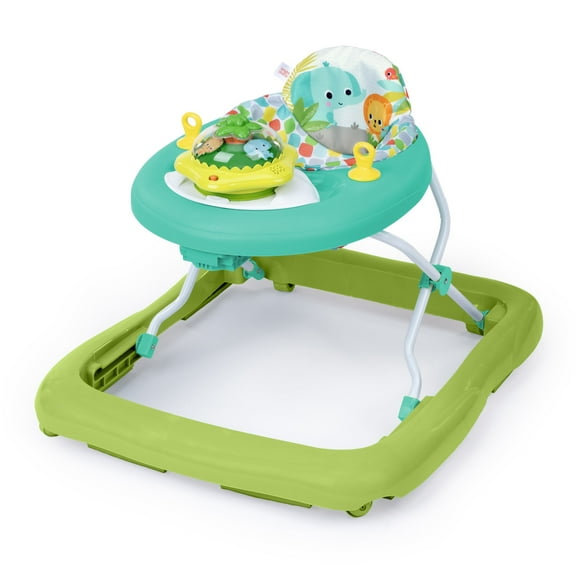

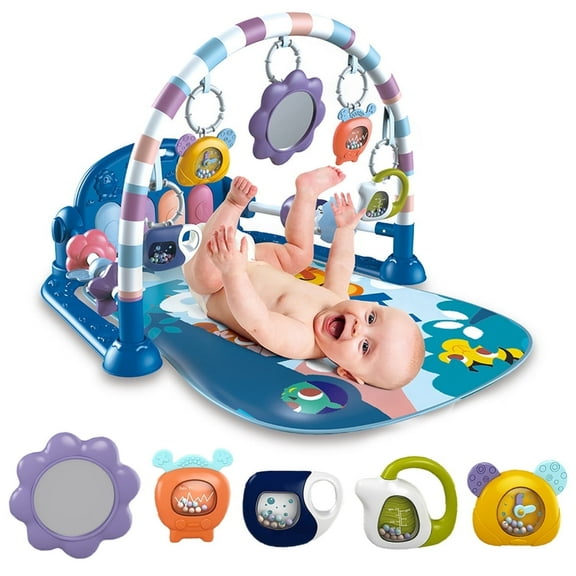


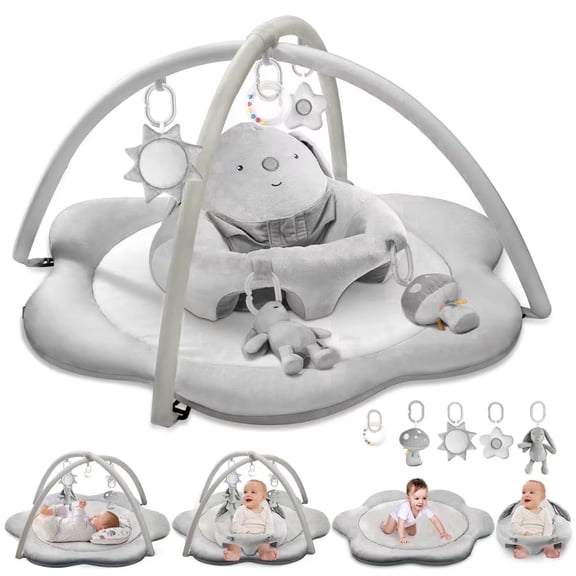


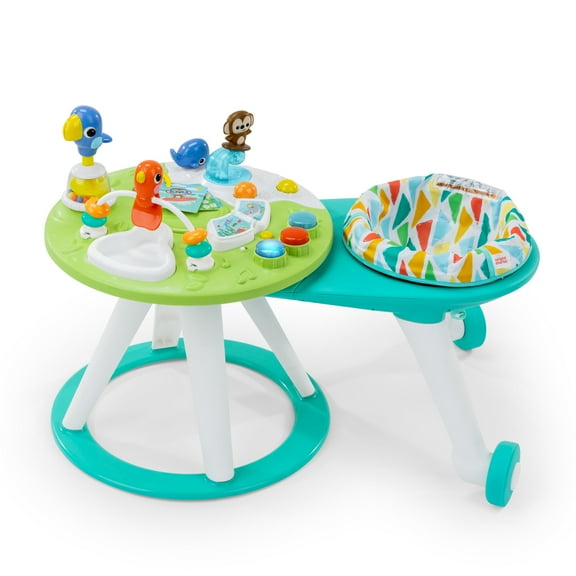















About Infant Activity Toys in Baby - Walmart.com
Infant activity toys help you match playtime to your baby's age, senses, and growing skills. You can compare textures, sounds, and toy types that fit daily routines and early discovery.
When you shop this category, you’ll see choices built for tummy time, reach-and-grab practice, and seated play. You can also sort through materials, washability, and stage-based designs with less guesswork.
How to choose infant activity toys by stage
You’ll want to start with developmental stage because size, movement, and interaction change quickly in the first year. You can narrow options faster when you match toys to how your baby currently plays.
For zero to three months, you may look for high-contrast cards, soft rattles, mirrors, and crinkle details. You’ll often want lightweight newborn developmental toys that work during short awake windows.
From three to six months, you may consider grasp-friendly shapes, textured teethers, and play mats with dangling toys. You’ll notice these choices support reaching, batting, and early hand-eye coordination.
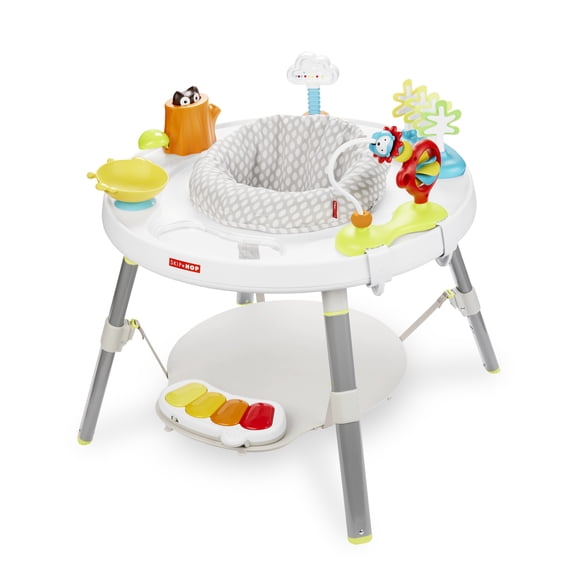
At six to 12 months, you can compare activity gyms, musical toys, and stacking toys with larger pieces. You’ll often look for infant learning toys that encourage sitting, crawling, and repeat play.
For 12+ months, you may prefer more active options that invite sorting, stacking, and simple cause-and-effect play. You can keep the focus on hands-on exploration that still fits the infant stage.
Key differences in baby activity toys
You’ll find several toy types in this category, and each one supports a different kind of play. You can use that difference to choose toys that fit naps, floor time, or travel.
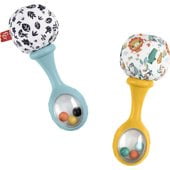
- You can use rattles for easy grasping, shaking, and auditory tracking during early play.
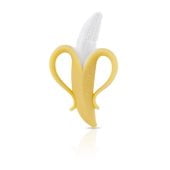
- You may choose teethers with textured surfaces when your baby likes to mouth and explore objects.
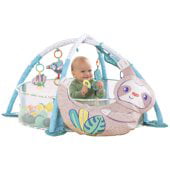
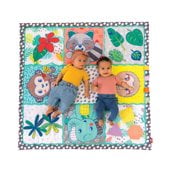
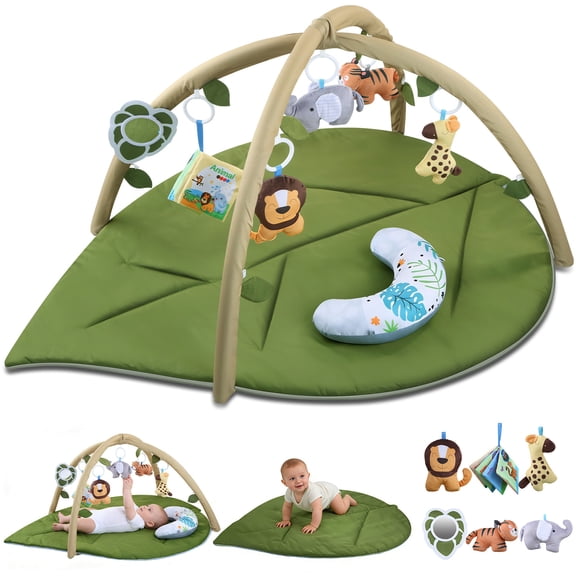
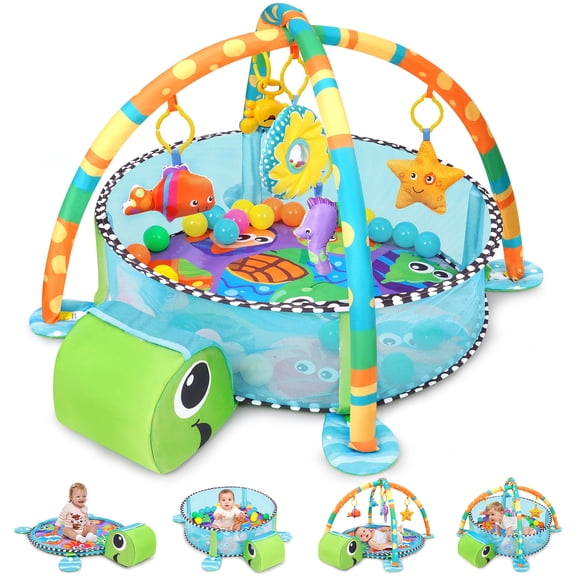
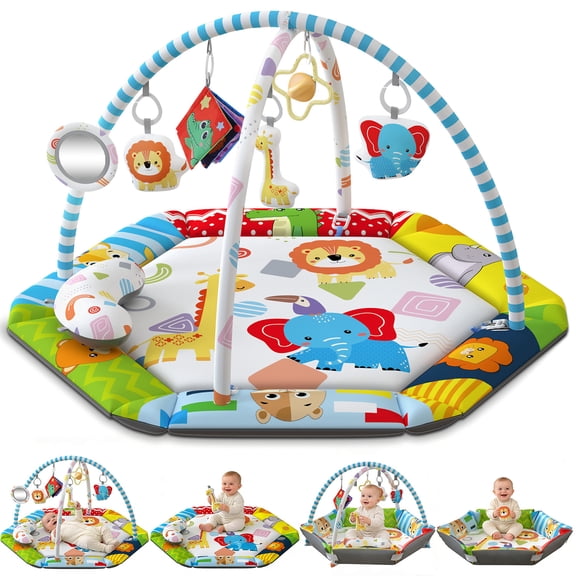
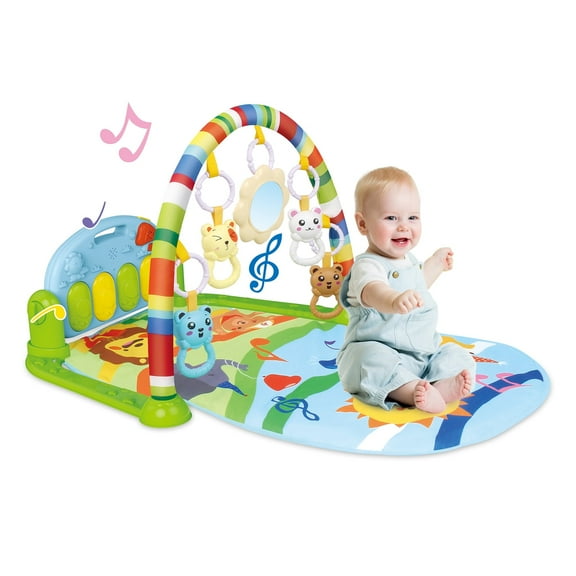
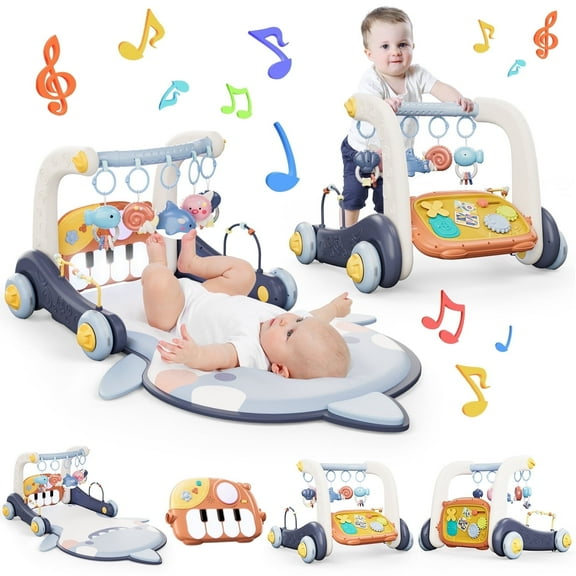
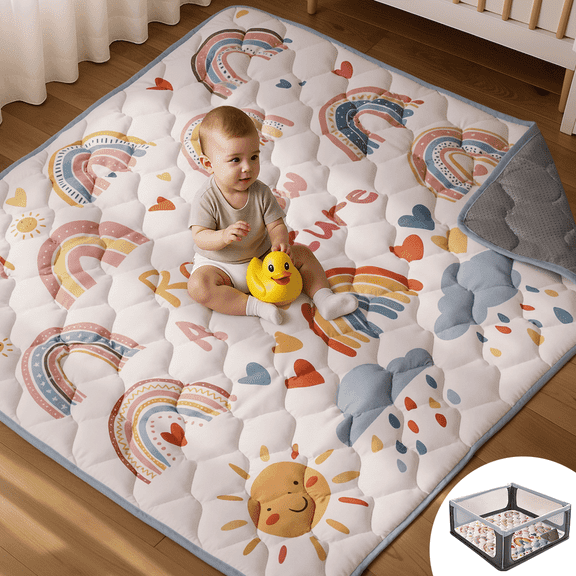
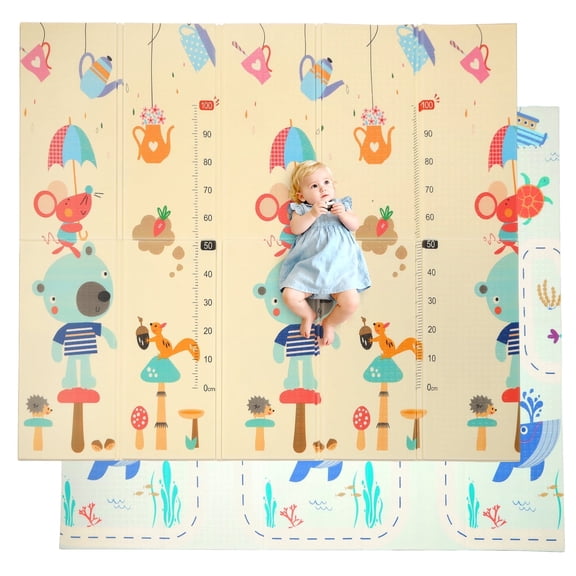
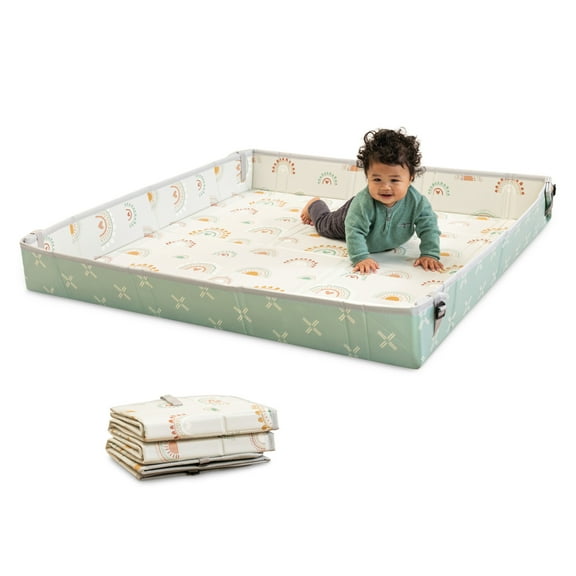
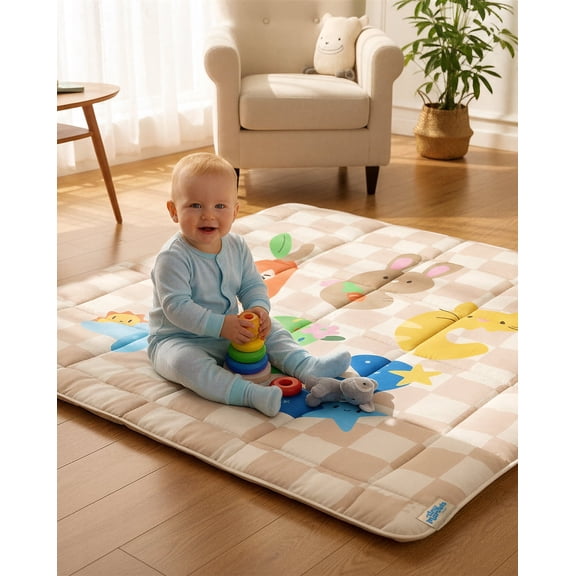
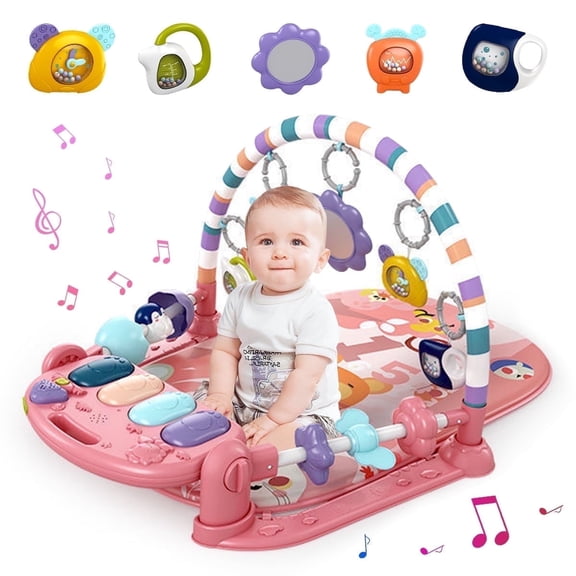
- You can pick play mats and activity gyms for tummy time, kick play, and overhead reaching.
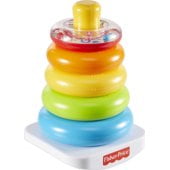
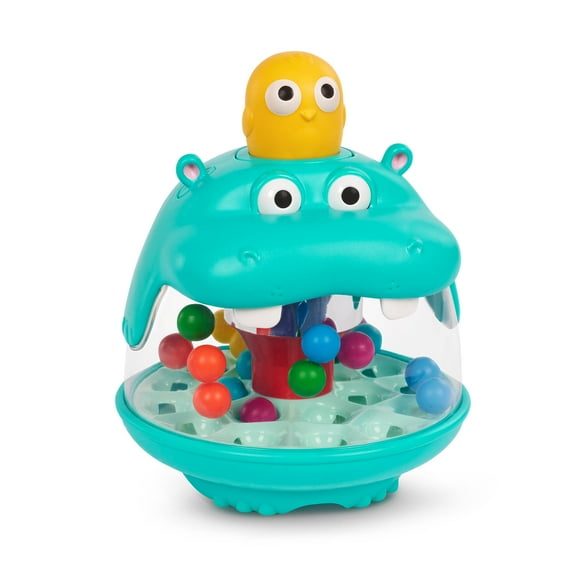
- You may add stacking toys when your baby enjoys sitting play and practicing hand control.
Rattles and teethers usually work well for short bursts of engagement and diaper bag packing. Play mats and gyms usually give you a larger setup for floor-based movement.
Stacking toys can make sense when your baby wants to pick up, drop, and repeat actions. You’ll often use these baby activity toys to support fine motor practice and visual focus.
Choosing sensory toys for infants
You’ll want to compare sensory features because babies respond differently to touch, sound, and visual contrast. You can create a calmer or more stimulating play setup by checking those details first.
High-contrast patterns and mirrors can help you hold attention during early floor play. Crinkle paper and textured surfaces can add variety when your baby enjoys touch-based exploration.
Musical or sound-based options can support auditory tracking and cause-and-effect learning during supervised play. You may prefer sensory baby toys with gentle sounds if you want simpler stimulation.
If you’re comparing sensory toys for infants, check whether the toy combines more than one feature. You can often get longer use from toys that mix texture, sound, and visual interest.
What to look for in materials and care
You’ll likely compare materials closely because babies handle toys with their hands and mouths. You can look for BPA-free plastic, silicone, plush fabric, or natural wood based on your routine.
Plush fabric can feel soft for cuddle-friendly play, while silicone and BPA-free plastic can be easy to wipe clean. Natural wood can offer a simple feel that works well for grasp practice.
You should also check care instructions before you choose. You may prefer machine-washable fabric pieces for frequent use, or wipe-clean surfaces for faster daily cleanup.
When you review decision-critical details, you can look for non-toxic materials and age-appropriate construction notes. You’ll also want pieces sized for infant play, with easy-to-hold shapes and smooth finishes.
Matching skills and routines to the right toys
You can narrow this category by the skill you want to encourage during playtime. Fine motor skills, gross motor skills, auditory tracking, and hand-eye coordination each point to different designs.
For fine motor practice, you may choose easy-grip rattles, ring toys, or stacking pieces. For gross motor movement, you can look at play mats and activity gyms that invite kicking, rolling, and reaching.
If you want more sound response, you may compare toys with bells, soft chimes, or gentle music. If you want visual tracking, you can choose mirrors, bold patterns, and hanging toys.
You can also match toys to your day. A compact teether works well for travel, while a larger mat gives you a dedicated tummy-time zone at home.
With infant activity toys, you’re choosing tools for age-based play, sensory discovery, and everyday routines. You can feel confident when your pick matches stage, material, and skill-building use.