




Alternative Music in Music





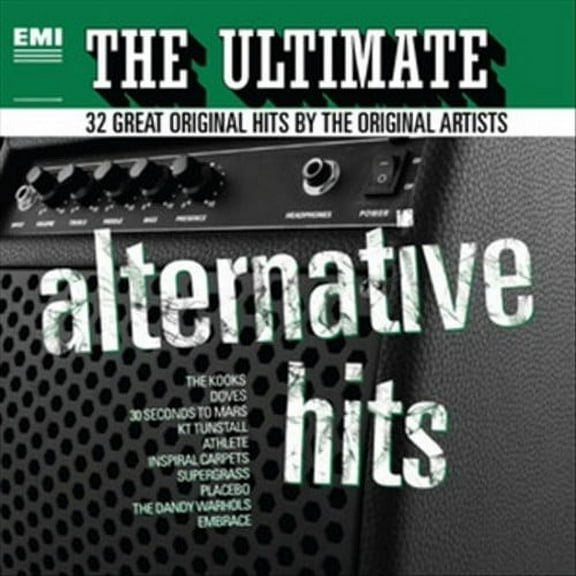
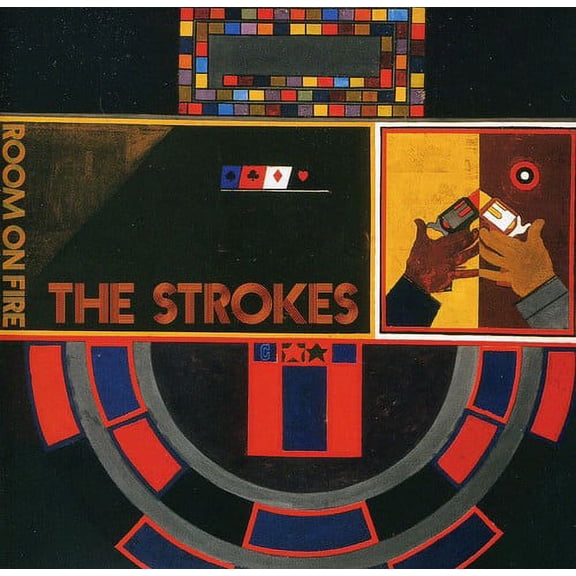
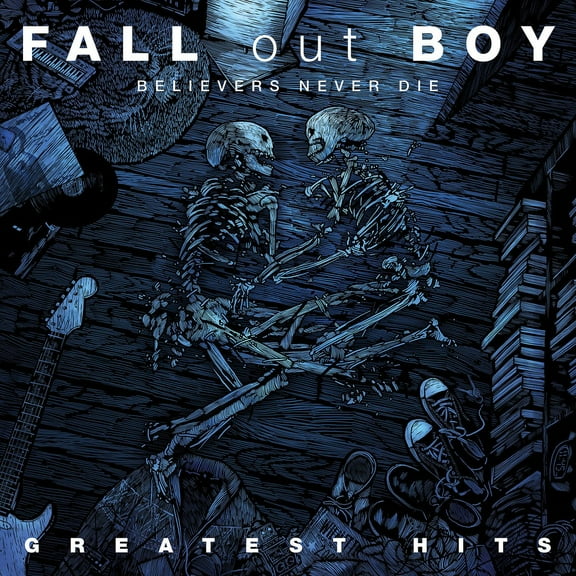


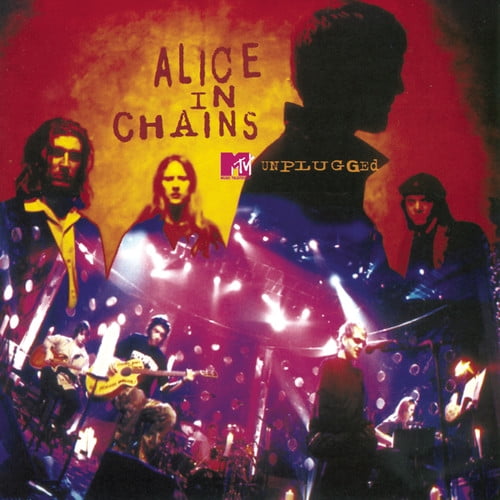






About Alternative Music in Music - Walmart.com
Alternative music helps you build a collection around vinyl, CDs, and cassettes with clear choices for format, artist, and edition. You can compare indie rock, emo, grunge, and dream pop releases while choosing versions that fit your listening setup.
You may be filling shelf space with colored vinyl, replacing worn CDs, or completing an artist catalog. You can also sort through studio albums, live recordings, EPs, and remastered releases with more category context.
How to choose alternative music by format
You should start with format, because your setup and listening habits shape the right pick. You may prefer vinyl for larger artwork, or you may want CDs for compact storage and simple playback.
When you compare alternative vinyl records, check whether 180g pressing matters for your collection goals. You may choose 180g vinyl for a weightier feel, while standard pressings can still fit the album you want.
You can also compare CD remasters when you want a familiar album with updated mastering and refreshed packaging. You may want cassettes if you collect niche releases or enjoy a retro format with compact shelf appeal.
- You can choose vinyl when you want large cover art, lyric inserts, and gatefold packaging.
- You can choose CDs when you want easy track access, compact storage, and car or home playback.
- You can choose cassettes when you want collectible format variety and a throwback listening format.
- You can compare remastered releases when you want updated presentation for a favorite album.
Choosing alternative music by artist and release type
You should next consider whether you want one defining album or a wider artist overview. You may look for a studio album when you want the core track list, or a compilation release when you want key songs together.
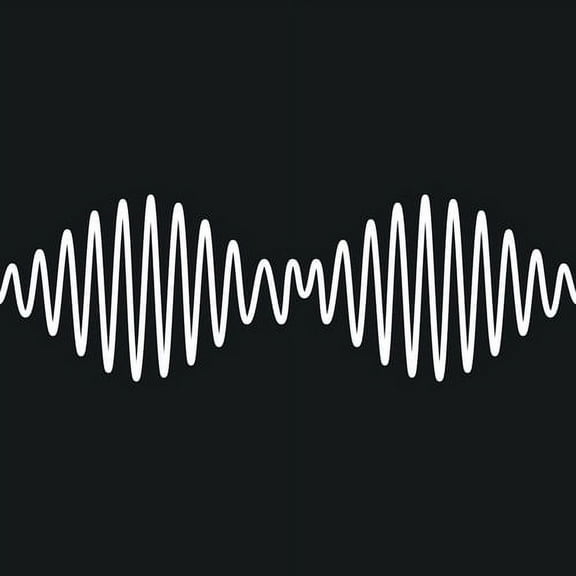
If you’re shopping Arctic Monkeys AM, you may be looking for a landmark album with recognizable singles and a cohesive mood. If you want deeper cuts, you can compare other monkeys albums across vinyl and CD formats.
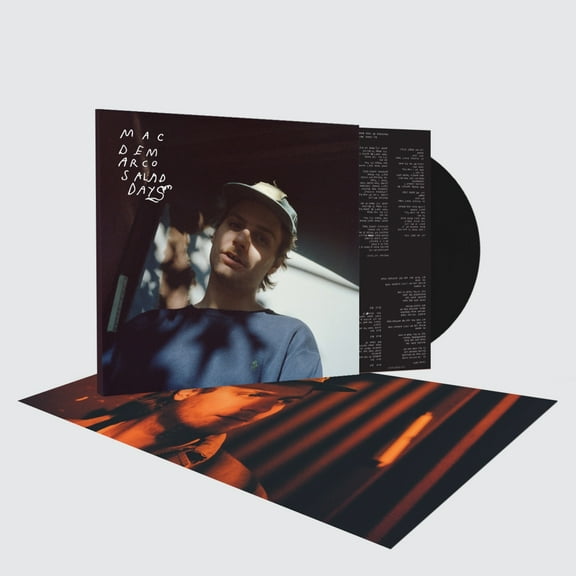
You may also search for Pierce the Veil albums when you want emo-driven energy and intense vocal style. You can choose Mac DeMarco vinyl when you want laid-back indie textures, or Currents Tame Impala CD when you want polished psychedelic sound.
When you compare release types, look for clear labeling that shows studio album, EP, live album, or compilation. You can make informed decisions when you know whether you’re getting a full-era statement or a shorter release.
What to look for in alternative music editions
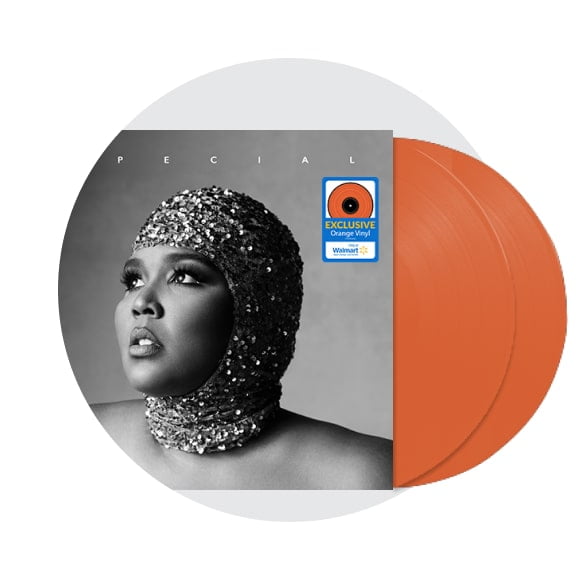
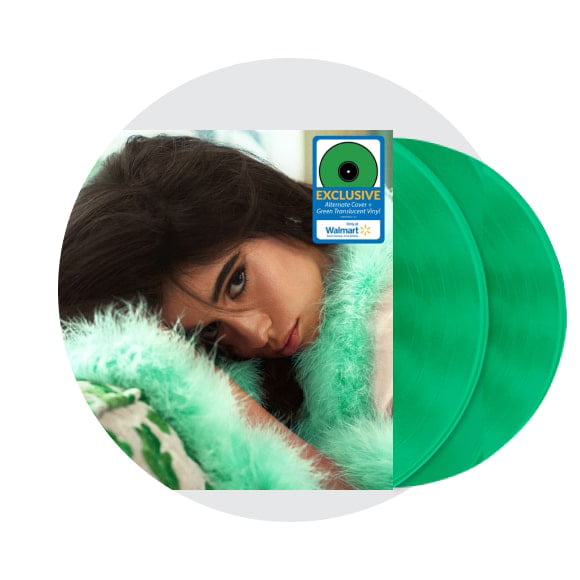
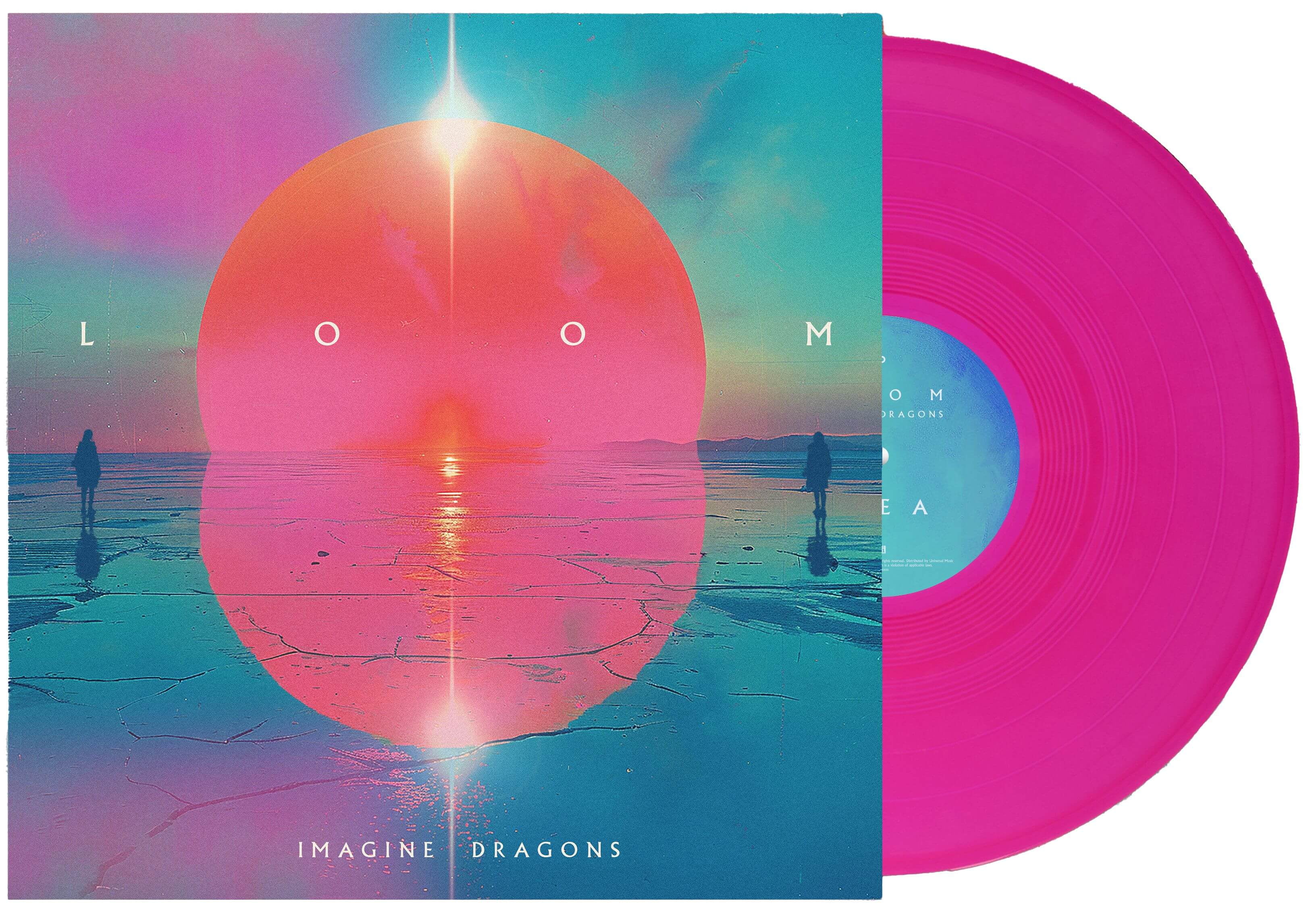
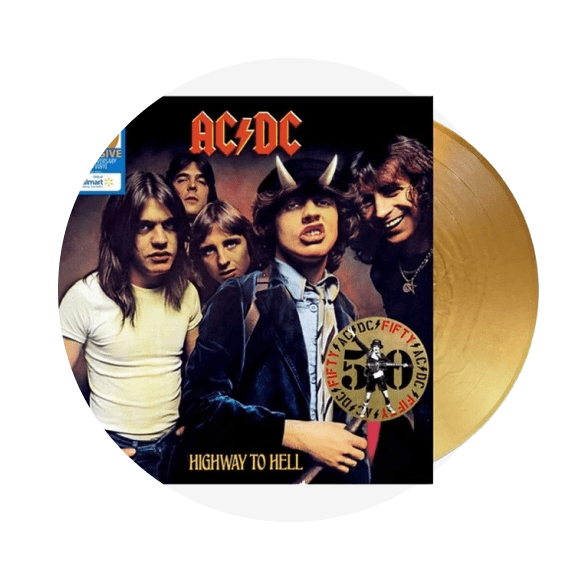
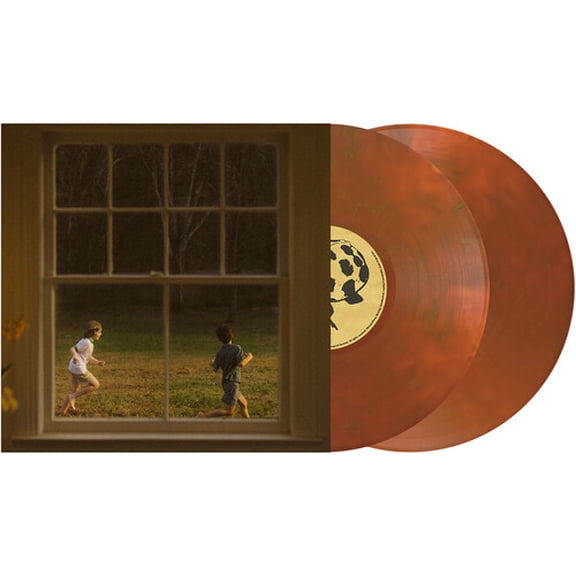
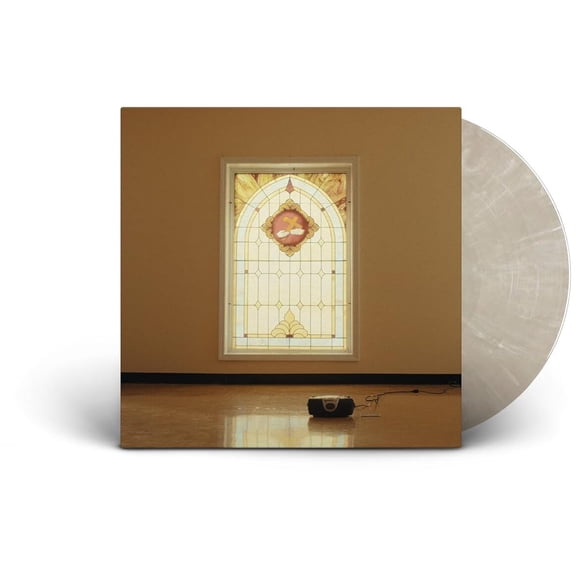
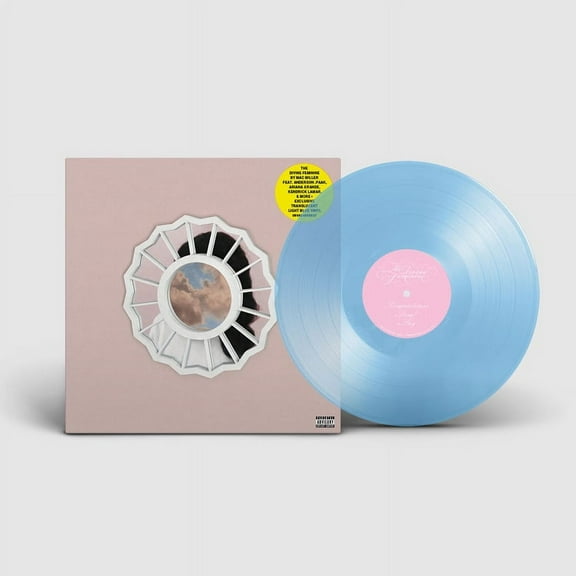
You should check edition details if presentation matters as much as playback. You may prefer limited edition copies, colored vinyl variants, or deluxe sets when you want your shelf to reflect a specific era.
Gatefold packaging gives you more room for artwork, credits, and inserts, which matters for many alternative rock albums. You can also compare remastered editions when you want updated packaging notes tied to a familiar release.
If you collect specific pressings, check whether a listing notes colored vinyl, remastered audio, or deluxe packaging. You may want those cues because you might sort albums by pressing style, jacket design, and release version.
You can also use packaging details to separate listening copies from display copies in your collection. Your display shelf may favor colored vinyl and gatefold jackets, while your everyday spins may stay with standard editions.
Matching alternative music to your sub-genre taste
You can make a clear choice when you match the album to the sub-genre you actually replay. You may prefer indie rock for melodic guitars, post-punk for angular rhythm, or grunge for a rough, heavy tone.
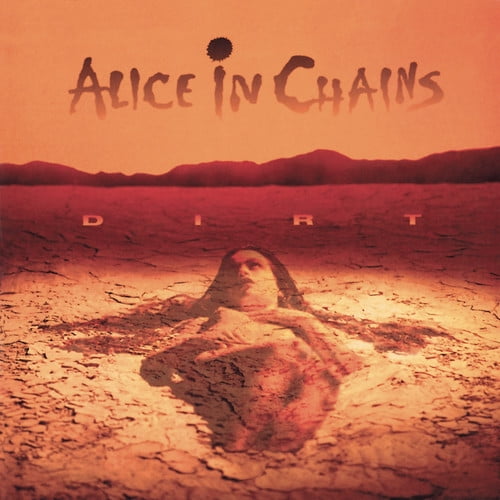
If your playlists lean emotional and dramatic, you may gravitate toward emo releases and related bands. If your listening skews hazy and atmospheric, you can look for dream pop records with softer textures and layered production.
You can use sub-genres to branch out without leaving the alternative lane completely. Your next pickup might sit comfortably beside a rem out of time album, postmodern jukebox vinyl, or jid vinyl in a varied collection.
When you want a balanced shelf, combine cornerstone albums with recent discoveries across adjacent styles. You can create a collection that moves from grunge grit to indie calm without losing a clear alternative identity.
How alternative music fits real listening and collecting goals
You may be replacing an old favorite, starting a turntable collection, or building a gift around one artist. You can narrow the field quickly by choosing format, artist, release type, and packaging before you compare covers.
If you’re buying for active listening, you may focus on studio albums and CDs that fit routine playback. If you’re buying for display, you’ll likely prioritize alternative vinyl records with gatefold art or colored pressings.
You can also build around artist completeness when you want every major release from one band. Your collection may start with an iconic title, then expand into EPs, live sets, remasters, and alternate editions.
Alternative music gives you a clear path from casual listening to thoughtful collecting. You can feel more confident when you compare format, sub-genre, and edition details that match your shelf and your sound.