

Dieting & Fitness Books in Books










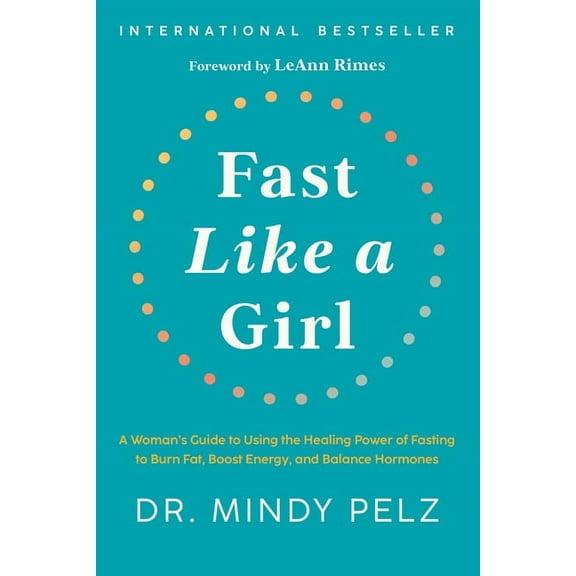

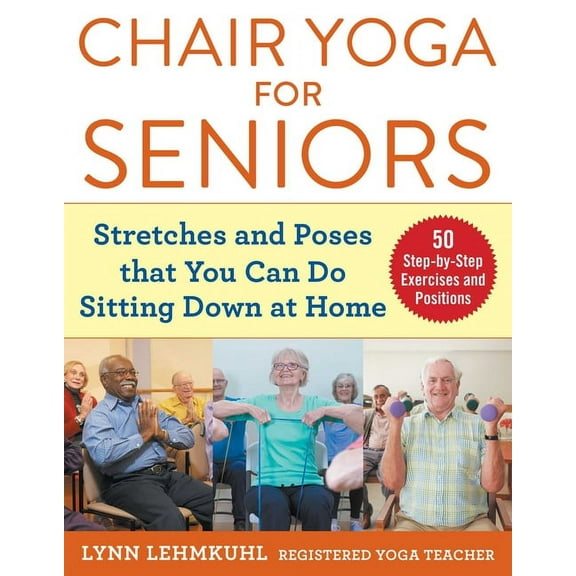
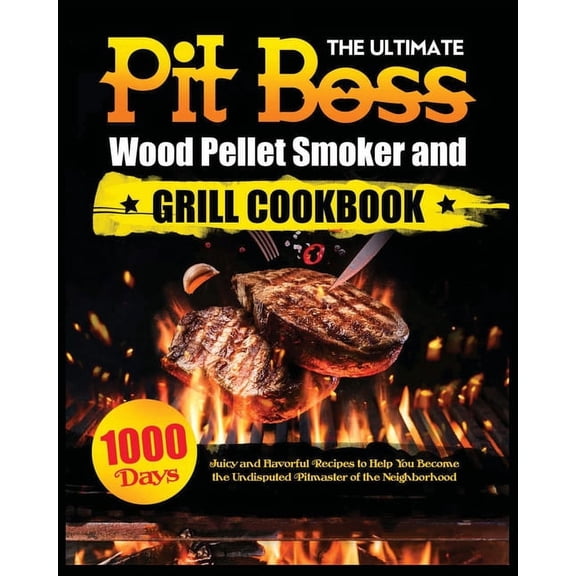


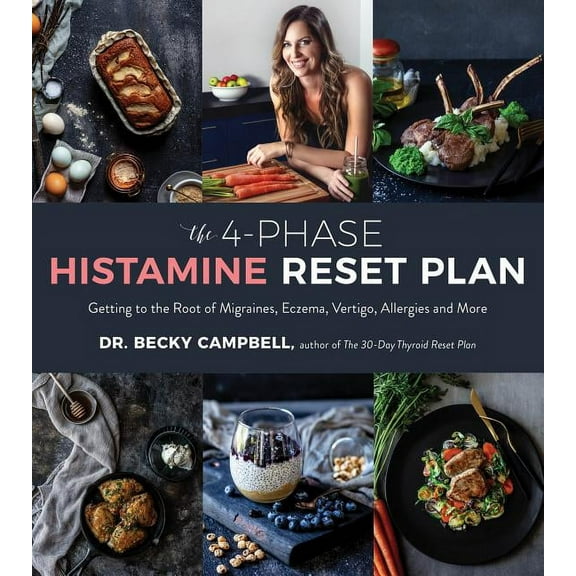






About Dieting & Fitness Books in Books - Walmart.com
Diet and fitness books help you compare eating plans, workout styles, and skill levels before you commit to a routine. You can use this category to find practical guidance for weight loss, nutrition, strength training, flexibility, and everyday movement.
When you shop this topic, you’ll notice choices that match specific diet types and fitness goals. You can also compare formats like paperback, hardcover, ebook, and audiobook to fit how you like to read.
How to choose diet and fitness books
You’ll want to start with the decision that is central to your daily routine. You can narrow your options by diet type, fitness goal, format, and skill level.
Look for books that match how you actually cook, shop, and exercise each week. You’ll get more useful guidance when your book fits your schedule and experience level.
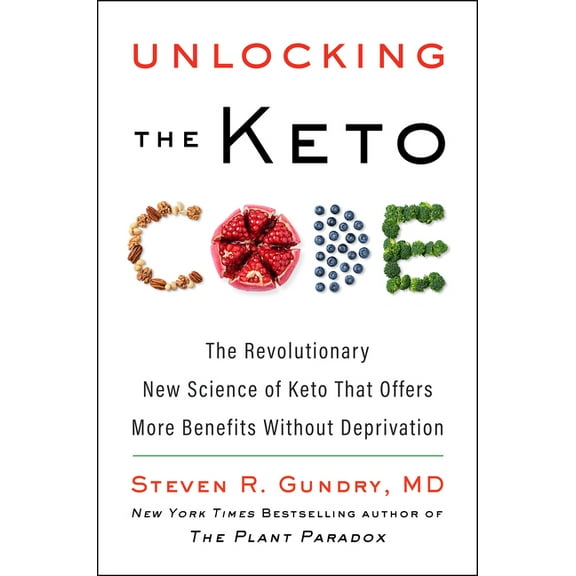
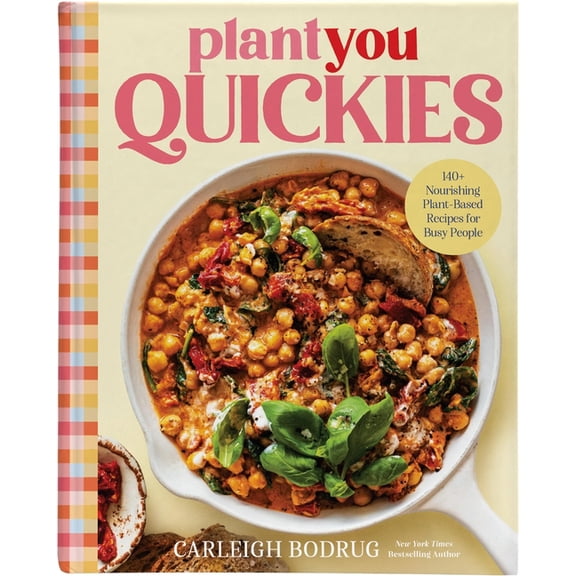
- You can compare keto, low-carb, Mediterranean, plant-based, and paleo approaches in one place.
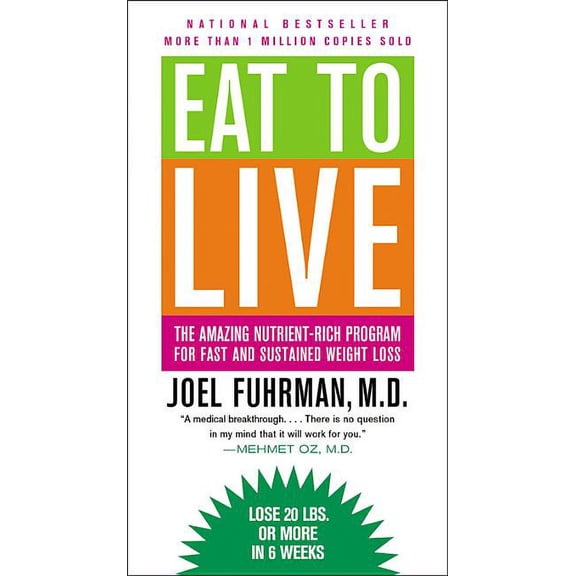
- You can choose books for weight loss, muscle building, flexibility, or cardio endurance.
- You can pick a format that fits your reading habits, from hardcover to audiobook.
- You can find beginner, intermediate, advanced, and professional-level guidance.
You may also want an author whose background is easy to understand. You can look for registered dietitians, certified trainers, or experienced coaches who explain ideas in clear language.
Choosing weight loss books and healthy eating guides
You’ll find that diet compatibility matters because each plan uses different food patterns and meal structures. You can focus on keto or low-carb books if you want fewer carbohydrates in everyday meals.
If you prefer broader meal planning, you can compare Mediterranean and plant-based titles for produce, grains, legumes, and balanced recipes. You may also explore paleo books when you want a plan built around simple ingredient lists.
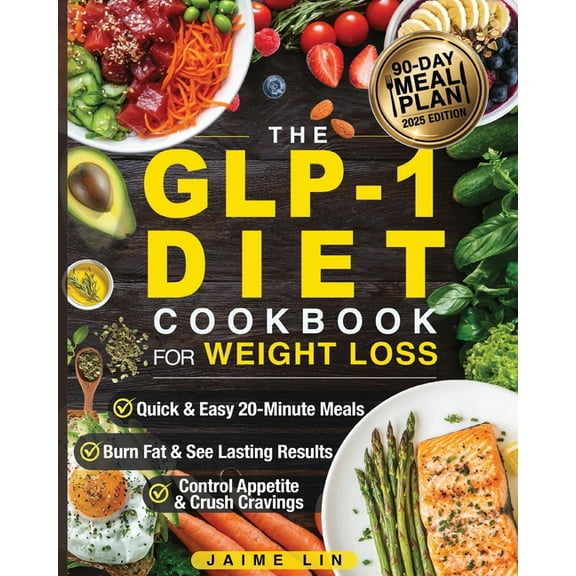
Healthy eating books often help you understand portions, grocery planning, and recipe organization. You can look for titles with meal prep charts, weekly menus, and ingredient swaps you’ll actually use.
Practicality matters when you want to cook without extra hassle. You can choose books with common ingredients, short prep steps, and recipes that fit busy weeknights.
You should also check whether the writing style matches your comfort level. You’ll likely prefer beginner books with clear explanations, while advanced readers may want deeper strategy and more detailed planning.
Comparing fitness and nutrition books for your goals
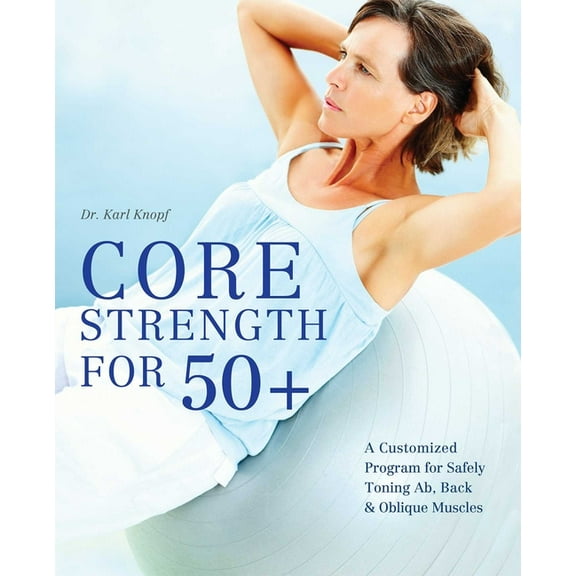
Fitness and nutrition books work well when they connect food choices with a clear training goal. You can compare titles for weight loss, muscle building, flexibility, or cardio endurance based on how you plan to move.
If you’re building a home routine, you may want exercise books with step-by-step instructions and simple equipment lists. You can look for workout plans that explain sets, repetitions, or pacing in plain language.
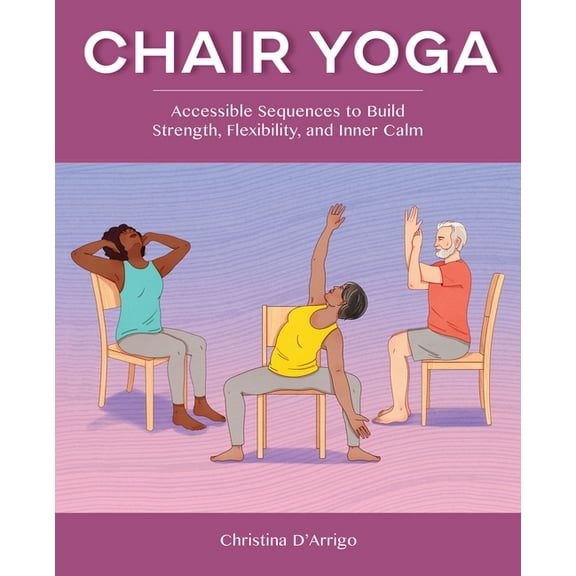
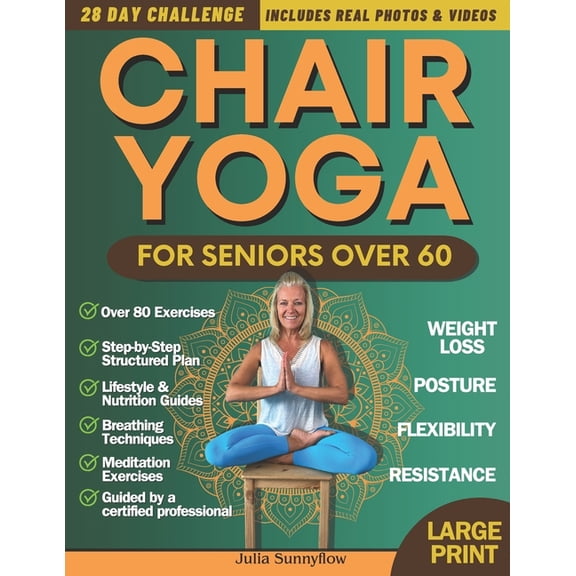
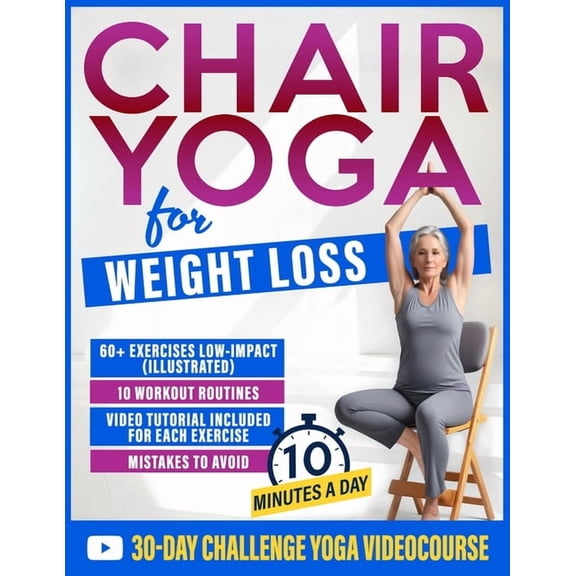
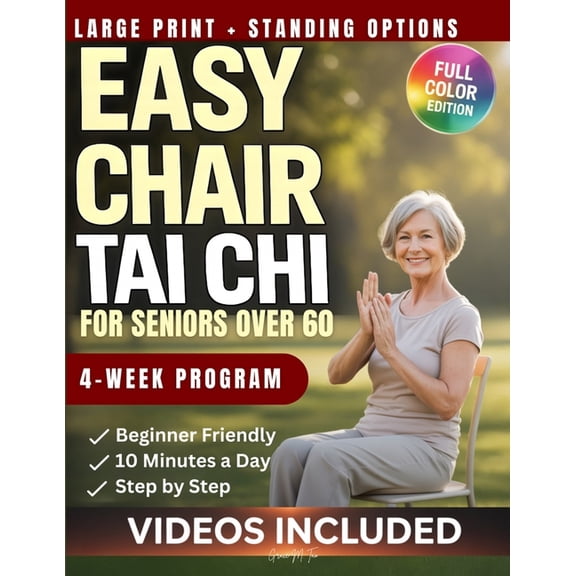
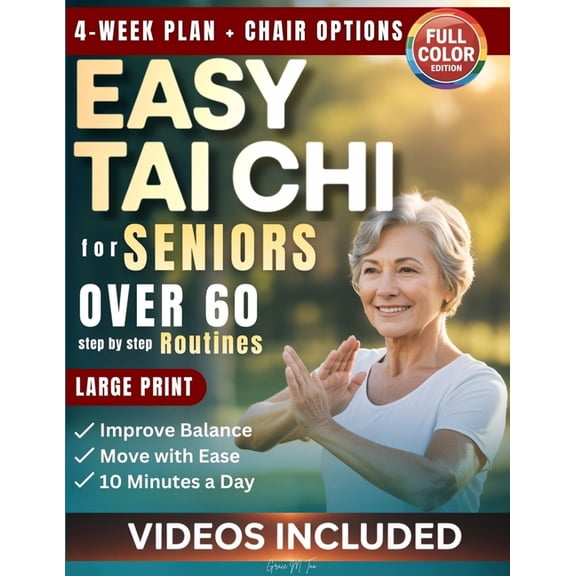
For flexibility goals, you might choose books focused on stretching, yoga, or mobility sequences. You’ll want illustrations or photos that show body position clearly from start to finish.
If endurance matters to your routine, you can compare books on walking, running, cycling, or circuit training. You may prefer titles that break progress into weekly plans you can follow consistently.
Nutrition guidance can also shape how useful a training book feels in daily life. You can look for books that pair workout planning with grocery tips, simple meals, and realistic scheduling.
Matching format and skill level to your routine
You’ll make reading easier when you choose a format that fits where and when you learn. You can keep a hardcover in your kitchen, carry a paperback in a gym bag, or use an ebook while traveling.
If you like hands-free listening, you may prefer an audiobook for walks, commutes, or light workouts. You can also switch formats depending on whether you need visuals, recipes, or spoken motivation.
Skill level is another important filter because not every title explains basics the same way. You should look for beginner books when you want simple meal plans, clear exercise directions, and fewer assumptions.
Intermediate readers may want more variety in recipes and training structure. Advanced or professional readers may prefer books with deeper programming, coaching insight, or more detailed nutrition frameworks.
Using diet and fitness books for real-life plans
You can build a focused routine by pairing attribute choices with your daily goals. You might choose a beginner Mediterranean paperback for family meals or an advanced strength ebook for structured training.
If you want weight loss support, you can look for books that combine meal planning with manageable exercise schedules. You’ll often benefit from titles that keep recipes simple and workouts easy to follow at home.
For muscle building, you may prefer fitness and nutrition books that outline eating patterns and progressive workouts together. You can compare options that match home equipment, gym access, and your current experience.
If flexibility is your focus, you can choose illustrated books with short sessions that fit morning or evening routines. You may also prefer audiobooks for guided pacing during walks or recovery days.
When you want a category that supports clear decisions, diet and fitness books give you practical ways to compare plans before you begin. You can choose titles that fit your diet, your goals, and your preferred way to learn.