

Kids Books on Business Careers and Finance



















About Kids Books on Business Careers and Finance - Walmart.com
You can use kids books about business and careers to introduce work, money, and future goals in ways children can follow. You’ll find this category helps you match reading level, career interest, and format to everyday learning.
How to choose kids books about business and careers by age
You should start with your child’s age group and reading level before you compare themes or formats. You’ll usually want simpler language for toddlers and preschool readers, then longer stories for elementary and middle school readers.
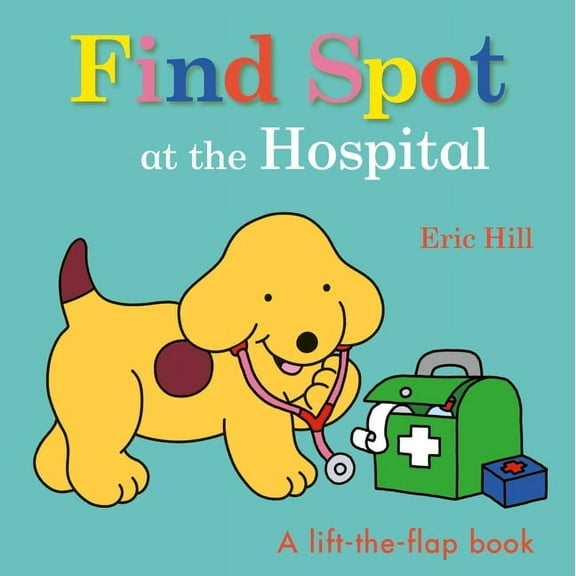
For toddlers, you can look for board books with sturdy pages and clear pictures of familiar jobs. You’ll often see simple routines, helpers, and basic money ideas shared through short words and repeated phrases.
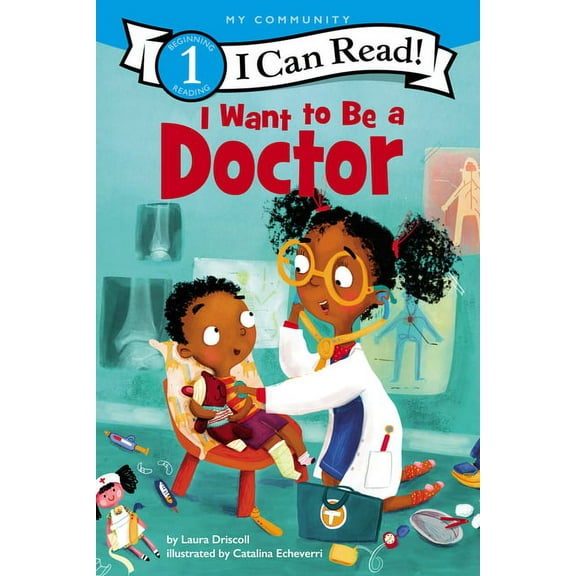
With preschool readers, you can consider picture books that connect work to places your child already knows. You may notice stories about stores, building, art, or neighborhood roles that hold attention through bright illustrations.
Elementary readers often enjoy chapter books and activity books that add more detail about choices, goals, and teamwork. You can use those books to discuss entrepreneurship, problem solving, and how people earn and use money.
Middle school readers may want deeper explanations and more text-driven examples of careers and business topics. You can compare books that cover planning, leadership, innovation, and real-world jobs with added context.
What to look for in children's books about occupations
You should compare career fields to match the interests your child already mentions at home. You can look for children's books about occupations that focus on STEM, creative arts, business and finance, or community helpers.
If your child likes building or experiments, you can choose STEM stories with inventors, engineers, coding themes, or lab settings. You’ll often get job vocabulary that feels concrete and easy to discuss together.
When your child prefers drawing, music, or performance, you can consider creative arts titles that explain how makers turn skills into work. You may find those books helpful for showing how interests can connect to future roles.
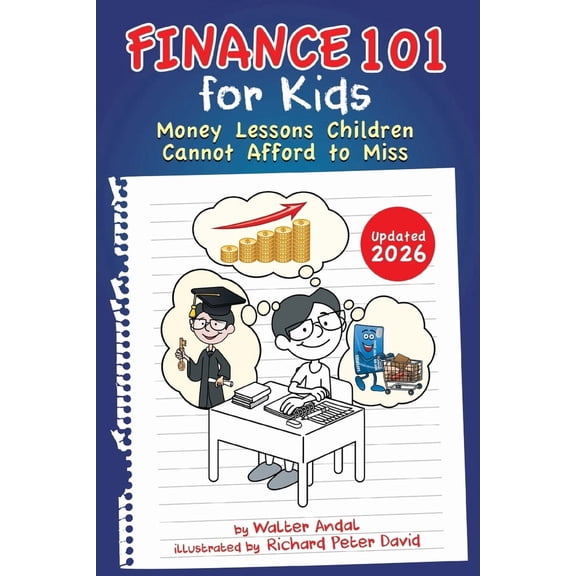
For early money lessons, you can compare books about shops, goals, earning, sharing, and planning. You’ll notice business and finance themes often introduce entrepreneurship through lemonade stands, small projects, or classroom ideas.
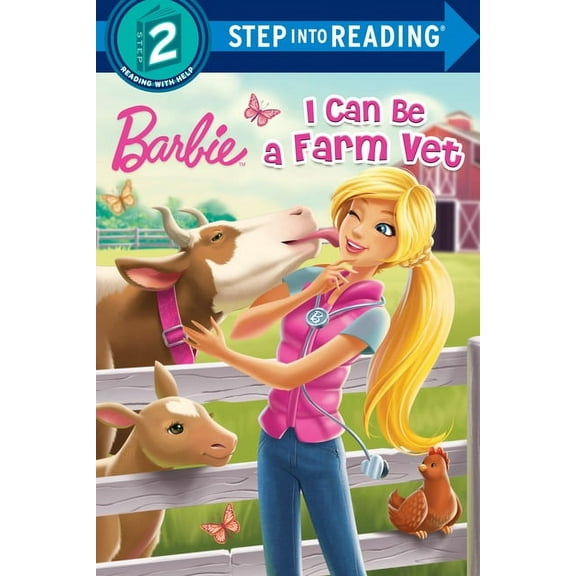
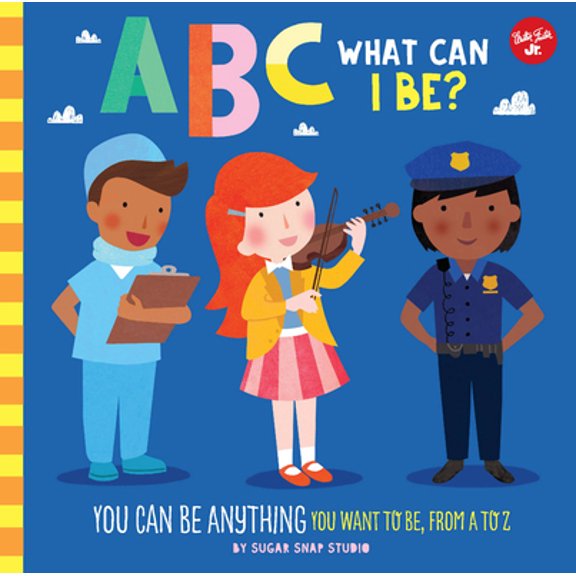
If your child connects with familiar roles, you can choose community helper stories about teachers, chefs, builders, or mail carriers. You can use those books to show how daily work supports neighborhoods, routines, and shared spaces.
- You can match reading level to your child’s age for smoother reading time.
- You can focus on favorite job themes to keep attention longer.
- You can introduce money concepts through stories that feel clear and practical.
- You can balance entertainment with learning by comparing text depth and illustration style.
Choosing formats in career books for kids
You should compare format before you decide which title fits your child’s reading habits. You’ll often see board books, picture books, chapter books, and activity books serving different stages and interests.
Board books work well when you want short reading sessions and simple page turns. You can use them to introduce first words about jobs, tools, workplaces, and daily routines.
Picture books usually give you excellent visual support for younger readers and shared reading. You can look for expressive art, labeled scenes, and clear story arcs that connect a job to a person’s day.
Chapter books give older readers more text depth and more room for character growth. You may prefer them when your child wants stories about goals, starting projects, teamwork, or solving problems over time.
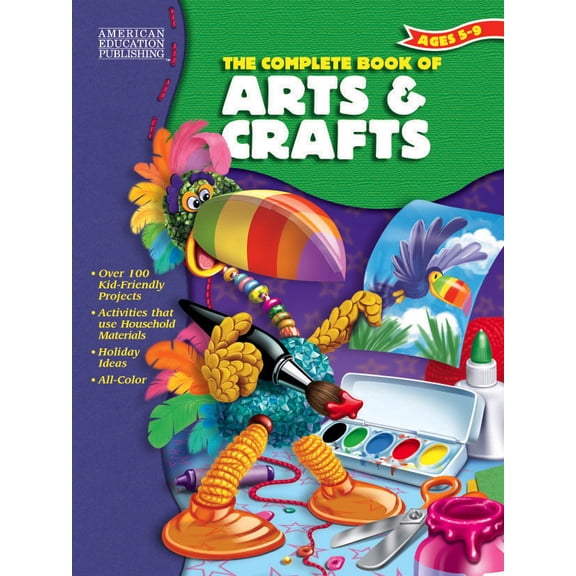
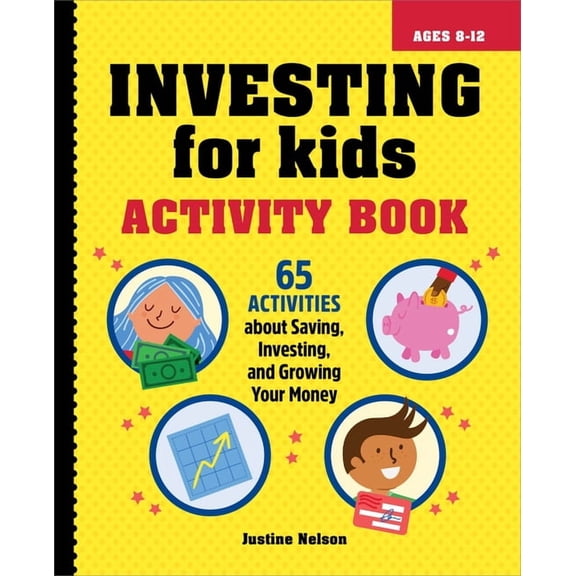
Activity books add prompts, puzzles, writing spaces, or drawing pages that make learning feel hands-on. You can use them to extend lessons about planning, counting, budgeting, or career exploration beyond the story.
You should also check whether a book leans more educational or more playful in tone. You’ll want that balance to fit your child’s attention span, curiosity, and comfort with new ideas.
Matching themes and use cases for kids books about jobs
You can use kids books about jobs in many everyday situations, from bedtime reading to classroom support. You’ll get extra usefulness from this category when you match the theme to a clear purpose.
For a child who asks how businesses start, you can choose entrepreneurship themes with stands, shops, or simple planning. You may use those stories to explain making choices, setting goals, and serving customers.
If your child is learning about allowances or spending, you can explore children's books about money with relatable examples. You’ll often find stories that explain coins, saving jars, sharing, or earning through chores and tasks.
When school units cover neighborhoods or helpers, you can select occupation titles that support classroom topics. You can pair those books with discussions about uniforms, workplaces, tools, and how each role fits a community.
For independent readers, you can compare longer stories that connect business ideas with friendship and problem solving. You may find those books useful when your child wants learning that still feels like a real story.
You can also build themed reading by combining age group, format, and career field in one choice. You’ll create a more personal reading experience when the topic and style match your child’s current interests.
How this category supports everyday learning
You can use this category to make future careers feel familiar and understandable. You’ll come away with books that connect reading time to real jobs, practical money ideas, and confident conversations about work.