

Children's Performing Arts Books Collection


















About Children's Performing Arts Books Collection - Walmart.com
Performing arts kids books help you match stories and activities to your child's creative interests. You can explore music, dance, theater, acting, and magic themes in formats that fit different reading stages.
How to choose performing arts kids books
You should start with the discipline your child already talks about at home. You can compare music, dance, theater, acting, and magic topics to keep reading closely tied to real interests.
If your child loves instruments, you may prefer children's music books with songs, rhythm, or composer stories. If your child loves costumes or stage play, you may prefer theater books for kids or acting books for children.
You can also use this category to support school activities, recital season, or rainy-day reading. You’ll find choices that feel playful while still giving your child arts-focused vocabulary and ideas.
- You can match books to a favorite art form, like ballet, piano, stage acting, or magic tricks.
- You can choose reading levels that fit toddlers, early readers, and independent readers.
- You can compare formats like board books, paperbacks, hardcovers, and interactive sound books.
- You can decide between story-driven reading and how-to guidance for practice and exploration.
Choosing by discipline: children's music books, kids dance books, and theater books for kids
You should narrow your search by interest before you compare covers or formats. You’ll usually get a stronger match when the subject connects with a child’s current hobby.
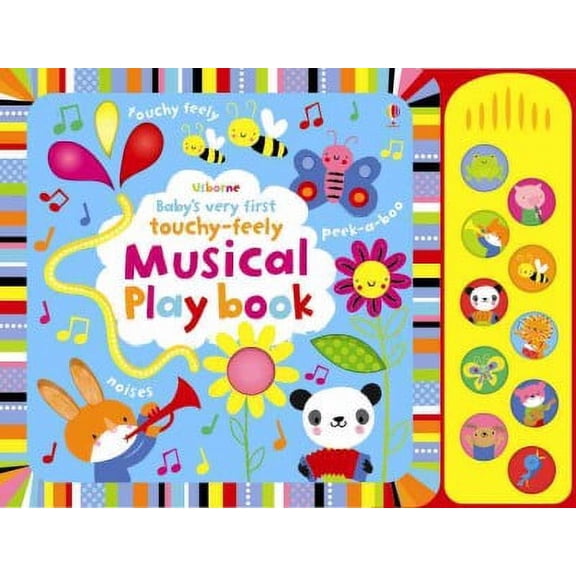
With children's music books, you can look for instruments, rhythm, singing, or famous performer biographies. You may also find music books for toddlers with simple words, sturdy pages, and tap-along sounds.
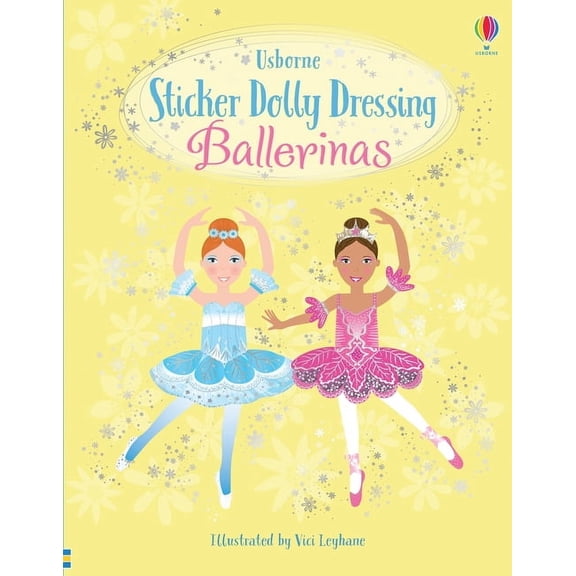
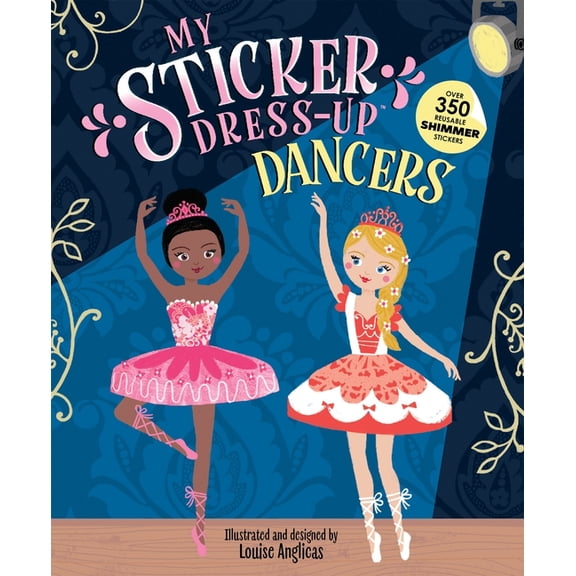
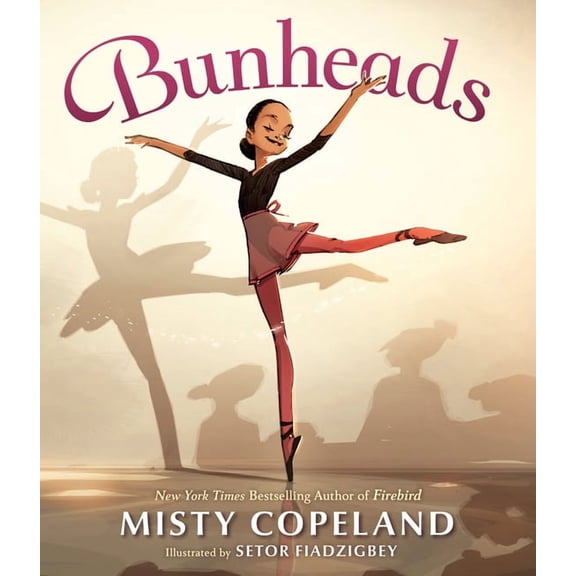
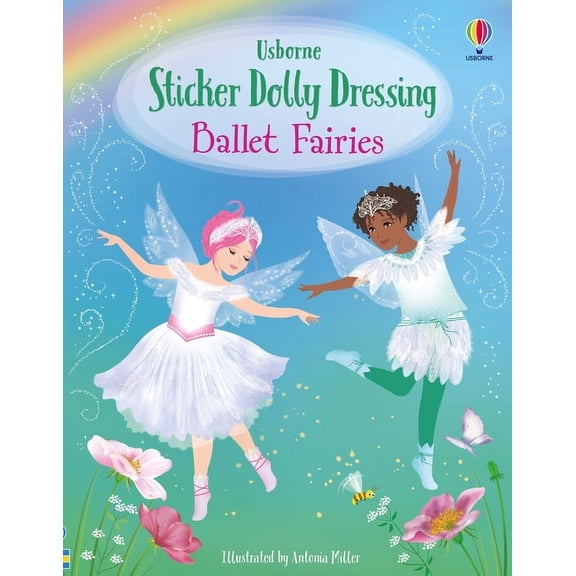
When you explore kids dance books, you can focus on ballet, tap, jazz, or general movement stories. You may want picture books for younger children and chapter books for readers who enjoy character-driven dance plots.
For theater books for kids, you can compare stage stories, backstage themes, scripts, and playful introductions to performance. You might also choose acting books for children when your child wants theater games, expression prompts, or rehearsal-style activities.
If your child likes surprises and showmanship, you can also consider magic-themed titles in this category. You’ll keep the arts focus while adding performance, audience interaction, and imaginative storytelling.
Choosing the right reading level
You should check reading level early, because age fit shapes how often your child returns to a book. You can keep reading enjoyable by comparing board books, picture books, chapter books, and middle grade titles.
For toddlers and preschoolers, you may want board books with short text and sturdy pages. You’ll often see bright art, repeated phrases, and simple music or movement themes.
Picture books work well when you want a shared read-aloud experience with strong visuals. You can use them to introduce concerts, dance classes, costumes, or stage scenes without too much text.
Chapter books and middle grade titles fit children who want longer stories and deeper character arcs. You may choose these when your child enjoys school plays, orchestra practice, dance teams, or audition-style plots.
Comparing book formats and interactive features
You should compare format based on how your child likes to read and interact. You can choose hardcover, paperback, interactive sound books, or audiobooks for different routines.
Hardcover books can feel sturdy for repeated reading at home or in classrooms. Paperback books can feel lighter in backpacks, reading corners, or travel bags.
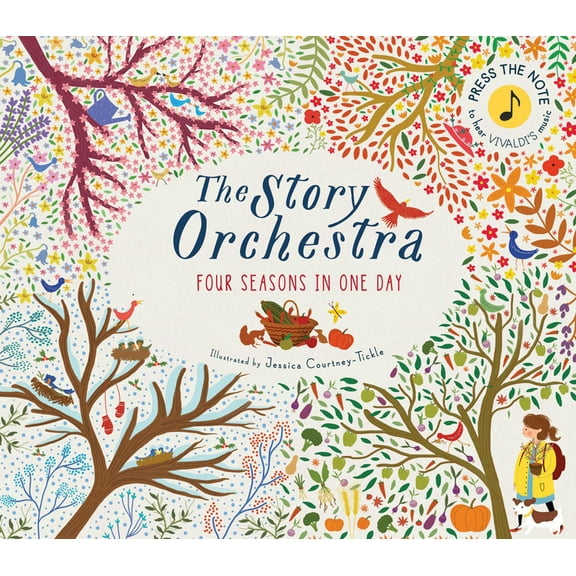
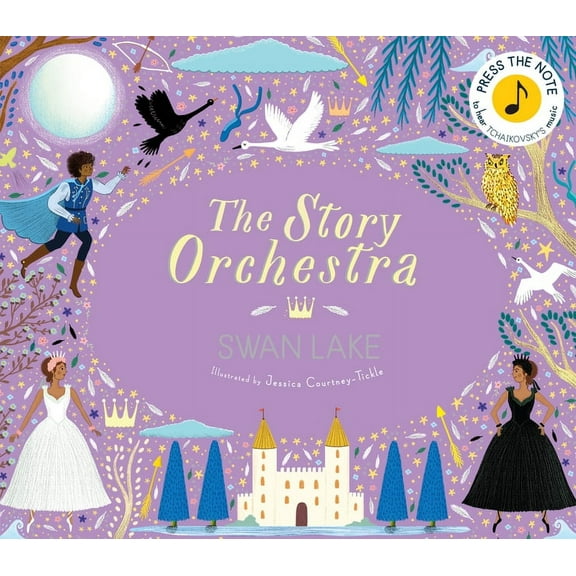
Interactive sound books give you a hands-on way to connect reading with songs, instruments, or performance cues. You may prefer these when your child responds to buttons, sound prompts, or call-and-response pages.
Audiobooks can help you bring performing arts stories into car rides, quiet time, or screen-free afternoons. You’ll want this format when your child enjoys listening to character voices and expressive narration.
Deciding between stories, biographies, songbooks, and guides
You should also compare content style, because not every child wants the same reading experience. You can look for biographies, how-to guides, songbooks, or narrative stories within the same arts theme.
Narrative stories work well when you want characters, emotions, and performance moments woven into a plot. You can choose them for bedtime reading, classroom themes, or independent reading time.
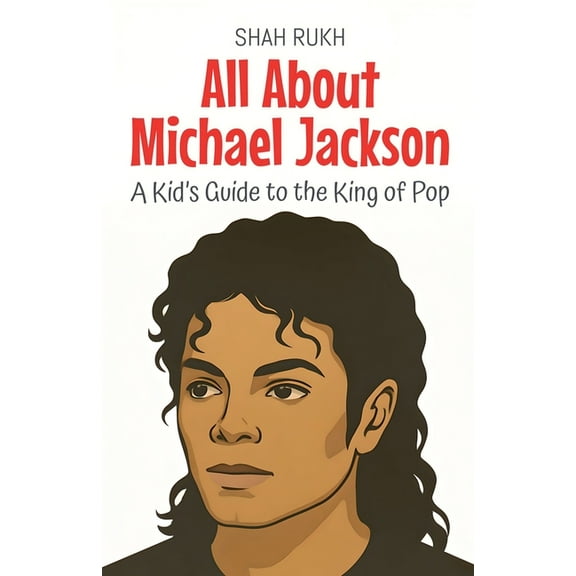
Biographies help you introduce real singers, dancers, actors, and performers in age-appropriate ways. You may use kids music biography books when your child enjoys true stories and creative role models.
How-to guides and songbooks support children who want to participate, not just listen. You can look for lyric pages, simple performance tips, movement prompts, or beginner-friendly theater activities.
If you’re balancing learning and fun, you should compare whether a title reads like a lesson or a story. You’ll often get the right fit by matching instructional books to practice time and stories to everyday reading.
Using performing arts kids books for everyday moments
You can use these books before a recital, after a music lesson, or during a school theater unit. You’ll turn a specific interest into reading time that still feels personal and relevant.
At home, you might pair a dance picture book with movement play in the living room. During travel, you may choose audiobooks or paperbacks that keep arts themes easy to carry.
In classrooms or gift-giving, you can choose by discipline, reading level, and format without guessing. You’ll feel more confident when the book matches how a child reads, plays, and performs.
With the right performing arts kids books, you can support curiosity through pages that reflect real creative interests. You’ll bring music, movement, and stage-inspired storytelling into reading time with a clearer match.