

Kids Drama Books for Young Readers



















About Kids Drama Books for Young Readers - Walmart.com
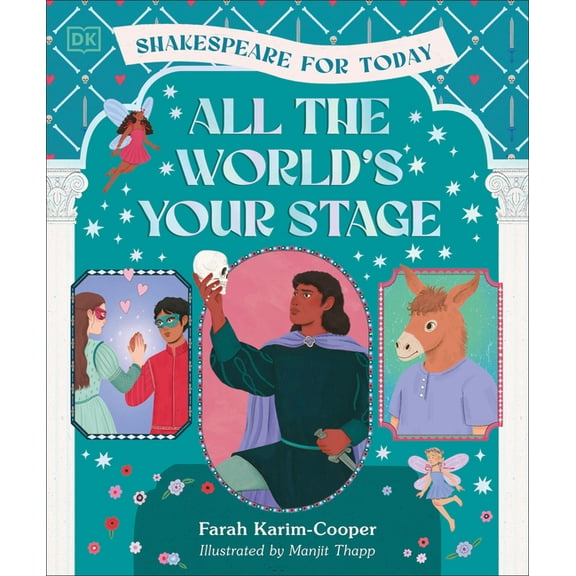
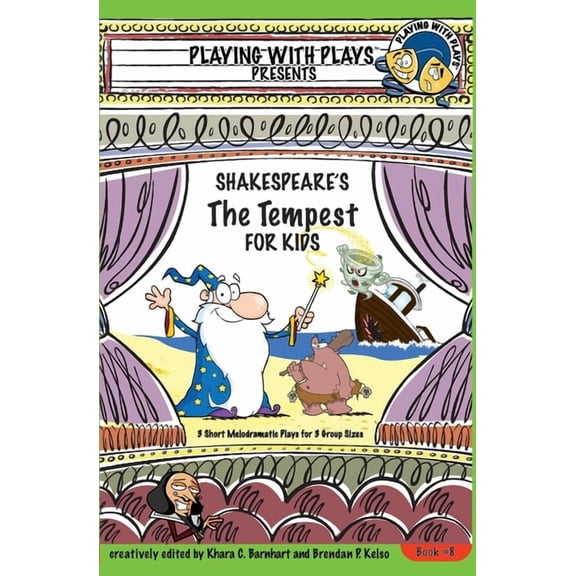
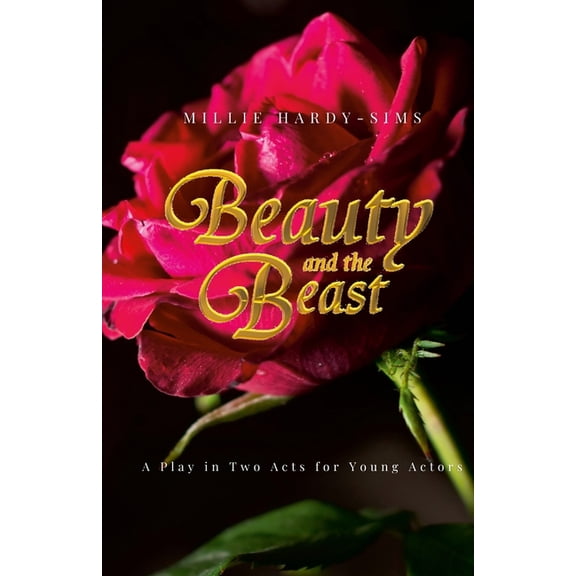
You can explore drama books for kids that support read-aloud time, classroom activities, and young performers learning script-based stories. You'll also find category choices that fit different ages, formats, and themes, including stage-style reading and dramatic fiction.
How to choose drama books for kids
You should start with how your child plans to use the book. You may want a story for independent reading or a script for shared performance.
Your choice also depends on reading confidence and familiarity with dialogue on the page. You'll notice that scripts use character names, stage directions, and scene breaks instead of standard chapters.
When you compare options, you can focus on format, age range, theme, and edition style. You'll make a clearer pick when you match those details to your reader's experience.
Choosing the right format
You can choose paperback when your reader needs a lighter book for backpacks, travel, or school reading time. You may prefer hardcover when your shelf needs a sturdier copy for repeat use.
If your child joins class performances, you should look at play script options first. You'll get dialogue-forward pages that help young readers follow roles, cues, and scene changes.
You can also consider audiobook editions when your reader benefits from hearing pacing and character voices. You'll find this format useful for car rides, listening practice, and family story time.
- You can use paperback copies for everyday reading and easier carrying.
- You can choose hardcover editions for home libraries and frequent rereading.
- You can pick play script formats for school productions, rehearsals, and group reading.
- You can try audiobooks when your child enjoys listening before reading along.
Matching age range and reading style
You should compare age ranges before picking a title. You'll want language, themes, and page structure that fit your child's current reading stage.
For ages six to eight, you may prefer shorter scenes, familiar vocabulary, and playful plots. You'll help newer readers stay engaged when dialogue feels clear and easy to track.
For ages nine to 12, you can consider longer scripts and deeper character moments. You'll often see readers at this stage handle more scene changes and richer story arcs.
Teens may want more layered dialogue, larger casts, or dramatic themes with stronger emotional tension. You'll also find that older readers often enjoy rehearsal reading with friends.
Comparing themes and story types
You can narrow your search by choosing the type of drama your reader enjoys most. You'll usually see stronger interest when the theme matches favorite books, school units, or theater activities.
If your child likes imaginative worlds, you can look for fantasy drama choices. You may also recognize harry potter and the cursed child book as a script-style option tied to a familiar story universe.
When your reader enjoys well-known classroom titles, you can compare classic literature adaptations. You'll often see james and the giant peach among recognizable dramatic stories for younger audiences.
You can also consider comedy plays for lighter performances and school scripts for classroom staging. You'll find these options helpful when your group needs approachable dialogue and flexible scenes.
What to look for in script features
You should check whether your reader understands script notation before choosing a play text. You'll see character labels, dialogue lines, and stage directions that guide movement and delivery.
If your child is new to scripts, you may want clearer layouts with simple scene transitions. You'll make reading easier when the page design separates speaking parts from directions.
For group reading, you should compare cast size and character breakdown. You'll want enough roles for siblings, classmates, or small theater groups to participate comfortably.
You can also look for anthologies when you want several shorter selections in one book. You'll gain flexibility for reading practice, auditions, or brief classroom performances.
Choosing editions for reading or performance
You can compare single play editions, anthologies, special editions, and part-based versions. You'll want the edition type that fits your reading goal and attention span.
If your reader wants one complete stage work, you should choose a single play. You'll get a focused experience that supports rehearsal, character study, or one sustained dramatic story.
When you want broader variety, you can select an anthology with multiple scripts or scenes. You'll have more options for group assignments, reading rotation, or short practice sessions.
You may also look for harry potter and the cursed child book part 1 and 2 when your reader wants that specific structure. You'll know the edition format before choosing a longer script experience.
Using drama books for kids at home and school
You can use drama books for kids during family read-aloud sessions, literature circles, and classroom performance practice. You'll turn reading time into a more active experience with speaking parts and scene-based pacing.
At home, you might assign roles and read scenes together after dinner. You'll encourage expression, listening, and confidence with books built around dialogue.
In classrooms, you can match school scripts to cast size and reading level. You'll keep students involved when each reader has a clear part and manageable amount of text.
For theater clubs, you should compare play scripts with distinct scenes and enough characters. You'll make rehearsal planning easier when the script structure supports entrances, exits, and shared lines.
You can also choose dramatic stories for readers who enjoy theater themes without staging a full performance. You'll still keep that dramatic feel through strong dialogue and memorable scenes.
You can feel confident choosing from formats, themes, and age ranges that fit real reading and performance needs. You'll get a clearer path to stories and scripts that make dramatic reading easier to share.