

Classic Kids’ Books in Children’s & Kids’ Books
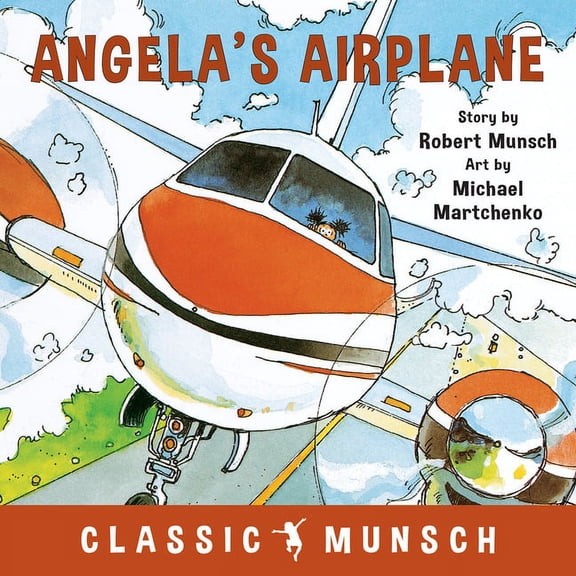

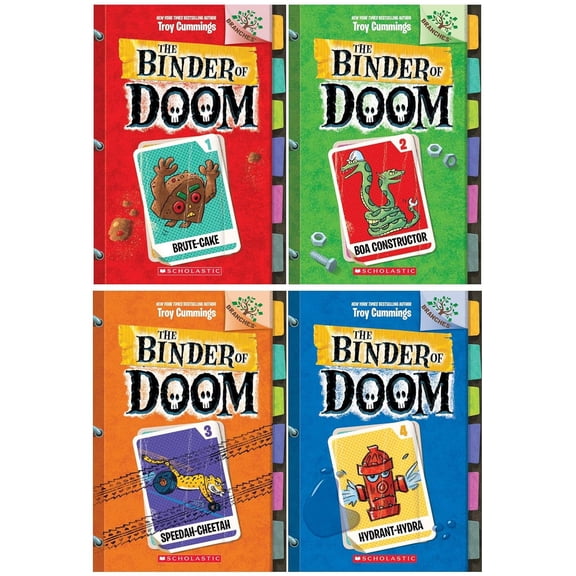
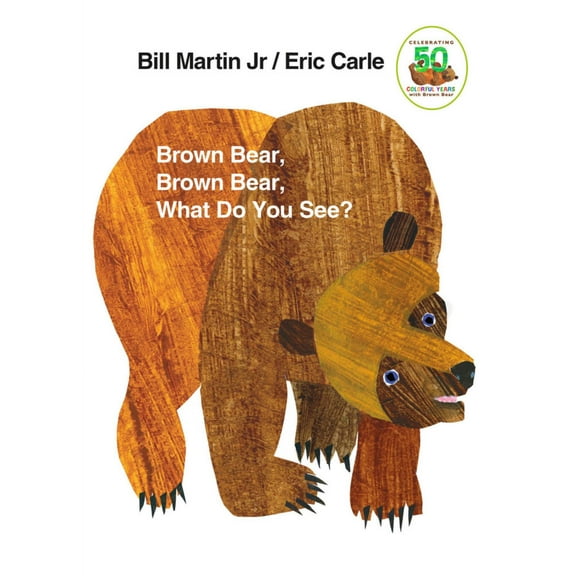


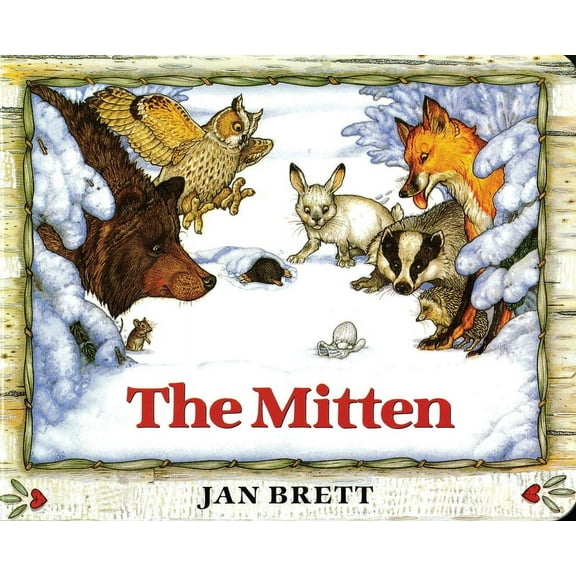


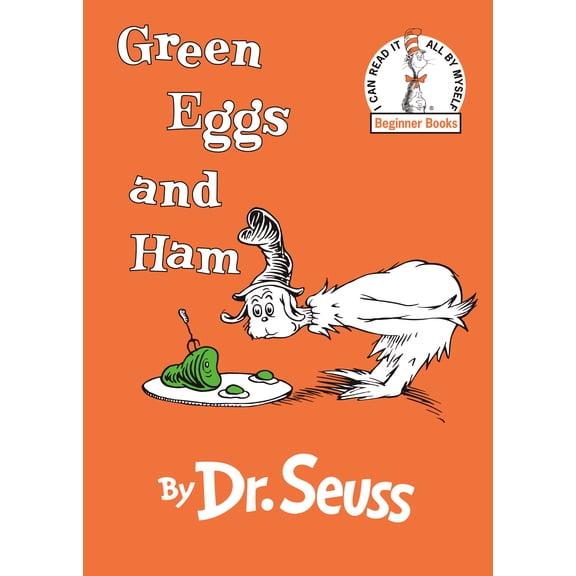

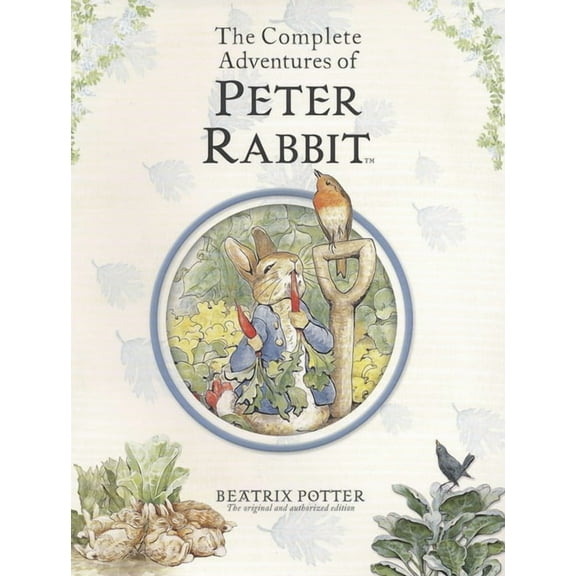


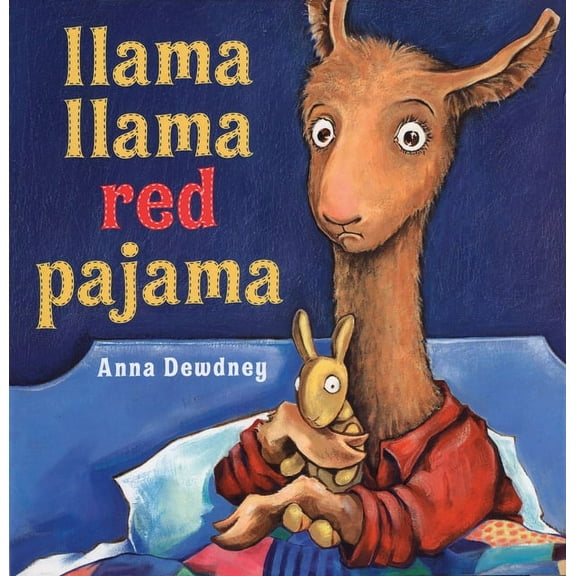
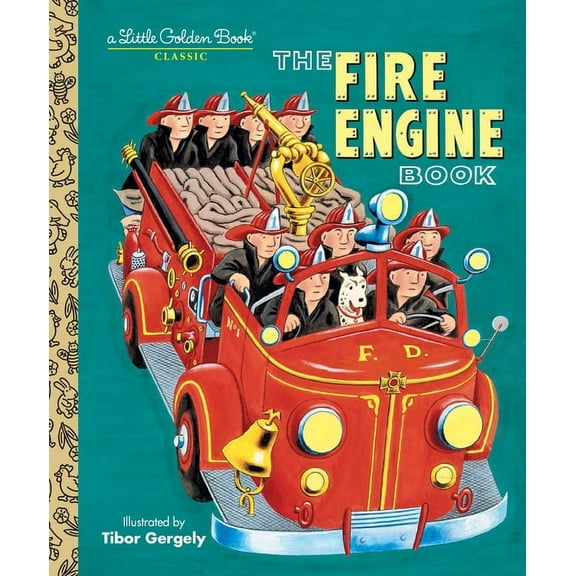









About Classic Kids’ Books in Children’s & Kids’ Books - Walmart.com
Classic kids books help you build a home library with stories that stay meaningful across childhood and beyond. You can compare age range, format, era, and genre to choose books that fit your reader.
You may want stories that feel familiar from your own childhood, or you may want lasting titles for classroom shelves. You'll also find editions designed for toddlers, new readers, and confident independent readers.
How to choose classic kids books by age range
You should start with age range because attention span, page count, and reading complexity can vary widely. You can use this guide to narrow choices for toddlers, preschool readers, ages 6-8, and ages 9-12.
For toddlers, you may want short text, sturdy pages, and bold art that keeps little hands engaged. You can look for board book formats that support repeat reading and easy page turning.
With preschool readers, you may prefer rhythmic language, familiar characters, and simple plots that work well for read-aloud time. You can also compare interest level to find stories that hold attention from start to finish.
For ages 6-8, you may look for classic children's books with larger type, chapter breaks, or picture support. You can check Lexile measure when you want a clear sense of reading difficulty.
Older readers ages 9-12 often enjoy longer adventures, richer themes, and fuller character development. You may compare Lexile measure with your child's interest level, because a strong topic match keeps reading enjoyable.
Choosing classic children's books by book format
You can use book format as a practical decision point, especially when durability matters as much as story choice. You may notice that the right format supports how your child reads now.
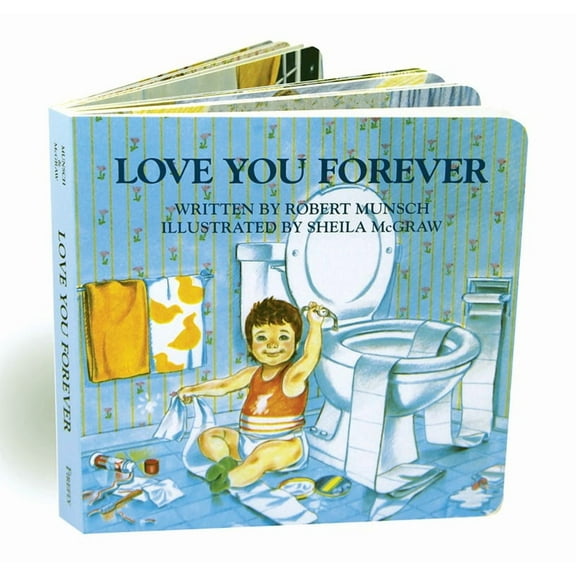
Board books work well when you want sturdy pages, rounded shapes, and shorter reads for toddlers. You can keep favorite stories in rotation without worrying about delicate pages.
Hardcover editions can feel substantial on a family shelf and often suit gift giving or bedtime routines. You may choose hardcovers when you want a keepsake feel for timeless children's books.
Paperback editions are easy for older children to carry to school, the couch, or a reading corner. You can compare page count and trim size when you want a lighter everyday option.
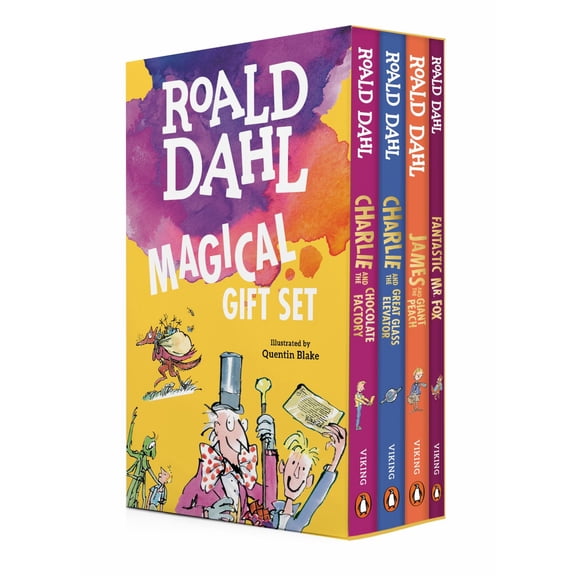
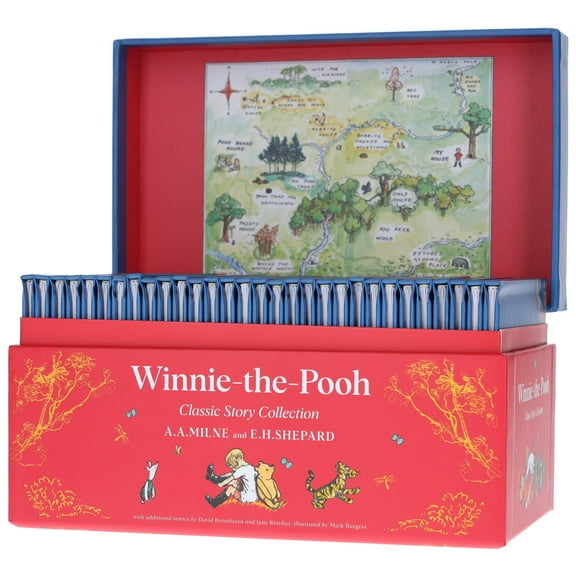
Box sets help you collect connected stories or author favorites in one place. You may like them when you're building a starter library or organizing several classic storybooks for kids at once.
- You can match board books to toddlers who need sturdy pages.
- You can choose hardcovers for giftable editions and shelf display.
- You can pick paperbacks for portable reading and lighter handling.
- You can select box sets when you want multiple stories grouped together.
Comparing vintage kids books by literary era
You can also sort vintage kids books by literary era, because different periods bring different language, art, and storytelling pace. You may prefer golden age titles, vintage editions, or modern classics based on your reader.
Golden age stories often feature formal language, memorable illustrations, and familiar fairy-tale structure. You can choose them when you want a traditional read-aloud feel with strong literary history.
Vintage editions can appeal when you enjoy nostalgic cover art, classic bindings, or stories passed through generations. You may look for them when you want books that connect family memories with current reading time.
Modern classics often keep the lasting themes of older stories while using current pacing or design. You can compare these titles when your child wants accessible language with enduring story appeal.
Illustration style matters here too, because artwork shapes how a child enters the story. You may want softer watercolor scenes, detailed line art, or bright character-focused images, depending on age and attention span.
What to look for in classic storybooks for kids by genre
You can narrow classic storybooks for kids by genre when you know what kind of world keeps your child engaged. You may find fairy tales, fables, animal stories, and adventure stories across many reading levels.
Fairy tales often bring castles, quests, and magical turns that support imaginative read-aloud sessions. You can choose them when your child enjoys recognizable patterns and storybook settings.
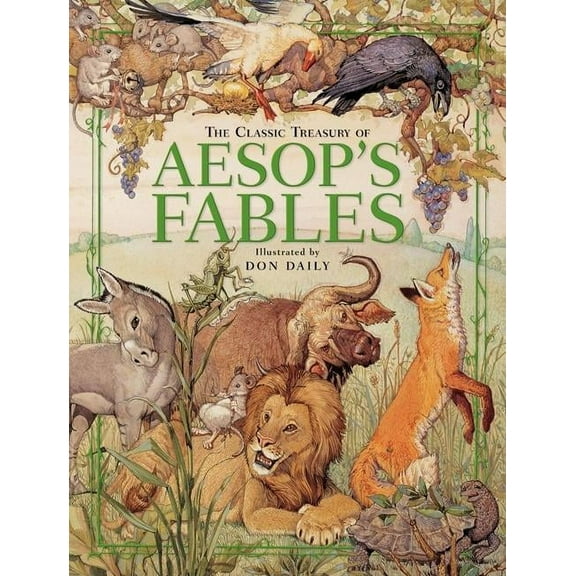
Fables usually offer short plots and clear lessons, which can work well for discussion after reading. You may like them when you want stories that invite simple conversation about choices and character actions.
Animal stories can feel warm, playful, and easy for younger readers to connect with right away. You can use them when you want gentle introductions to friendship, curiosity, and everyday adventure.
Adventure stories often suit older children who enjoy longer plots, brave characters, and chapter-by-chapter momentum. You may pick these titles when your reader wants a strong sense of discovery and progression.
Using classic kids books for everyday reading moments
You can use classic kids books in ways that match your routine, from bedtime reading to classroom sharing. You may build a collection that supports quiet time, holiday gifting, or family read-aloud traditions.
At bedtime, you may prefer shorter stories, calming art, and familiar language that feels easy to revisit. You can keep a few favorites nearby for repeat reading that still feels rewarding.
For school breaks or independent reading time, you may want paperbacks or chapter-style classics with manageable reading levels. You can compare Lexile measure and interest level to support steady reading confidence.
When you're giving books as gifts, you may lean toward hardcovers, box sets, or illustrated editions with shelf appeal. You can choose stories that feel meaningful now and still fit later reading stages.
For family sharing, you may mix eras and genres so siblings can enjoy different kinds of stories together. You can create a collection that brings nostalgia, visual interest, and lasting story value to your shelves.
You can feel confident choosing classic kids books when you focus on age range, format, era, and genre together. Your final pick can bring lasting read-aloud appeal, strong shelf life, and stories your family returns to often.