

Horror & Ghost Kids’ Stories in Children’s & Kids’ Books



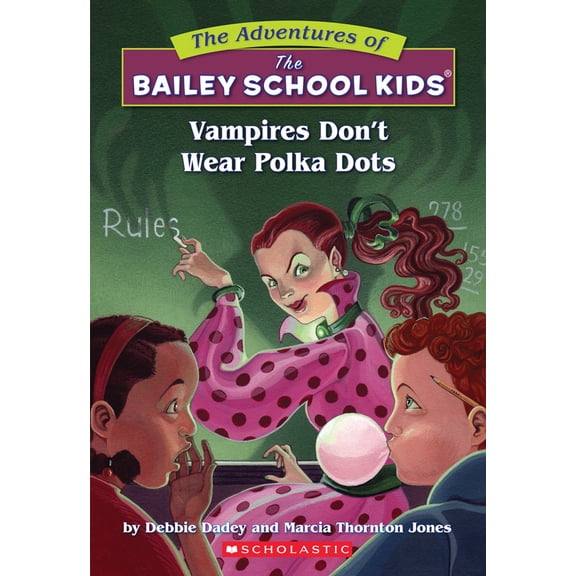
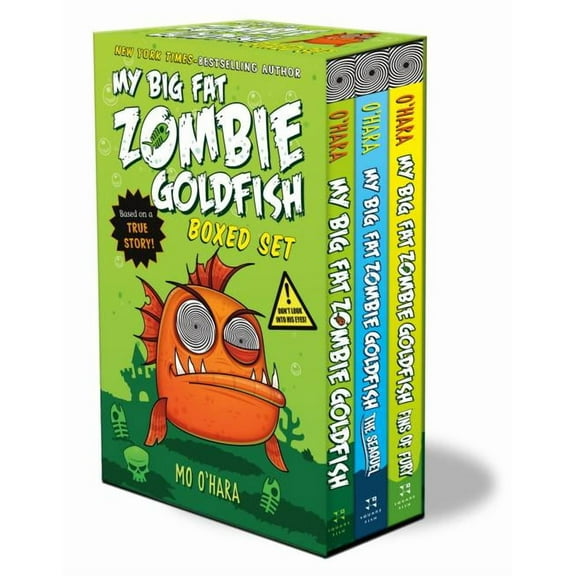
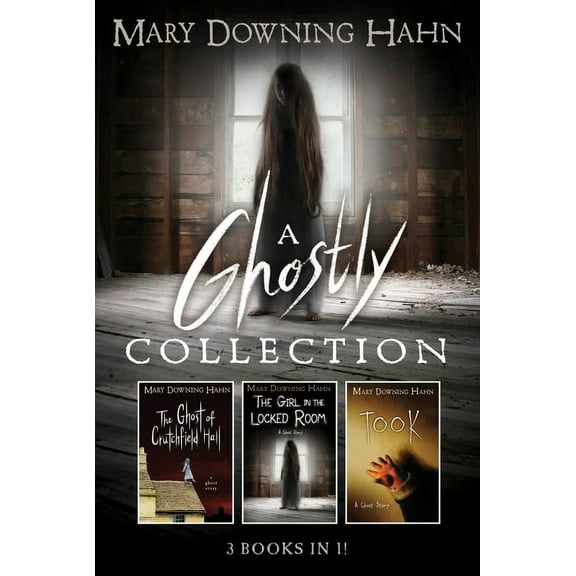


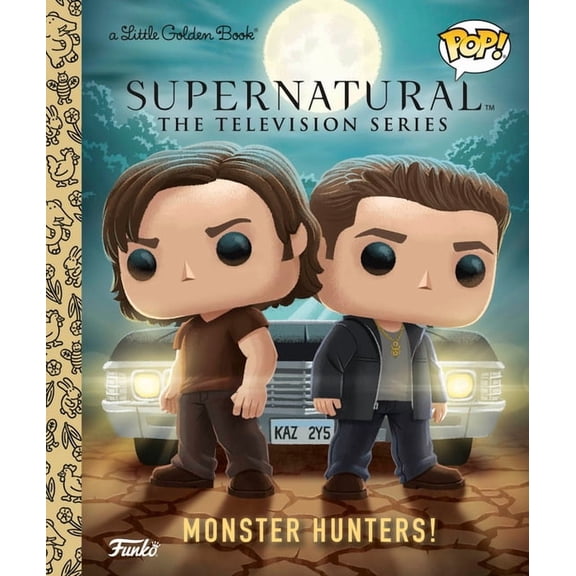




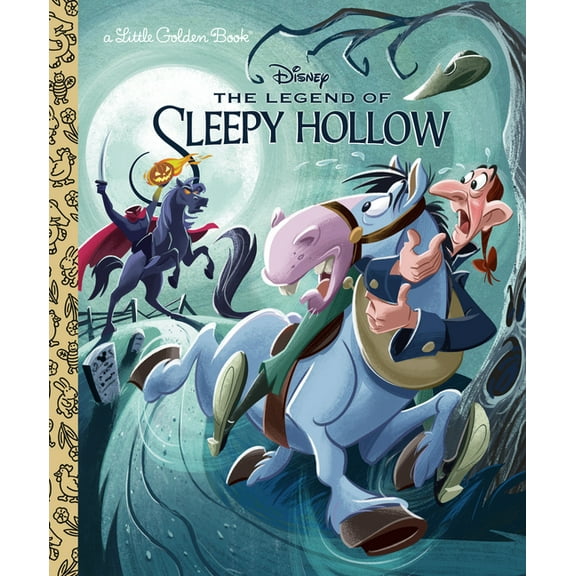


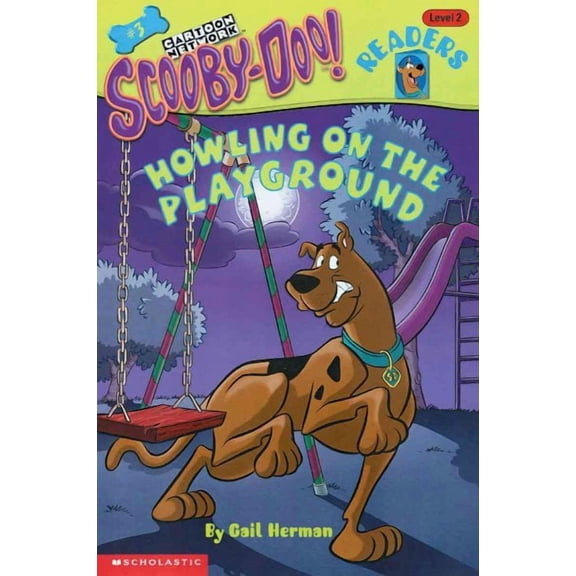

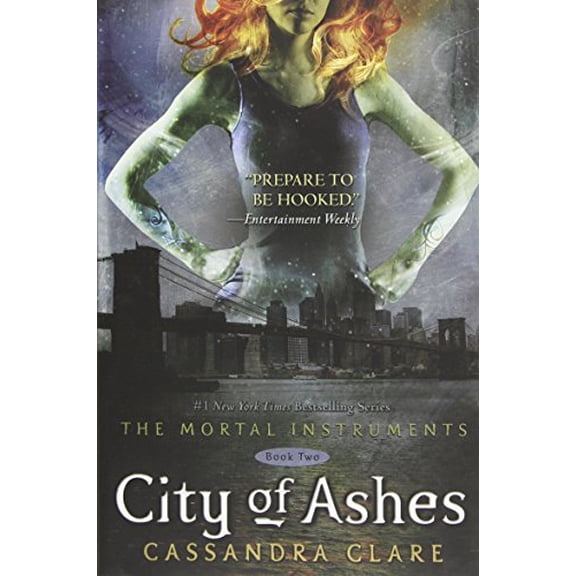
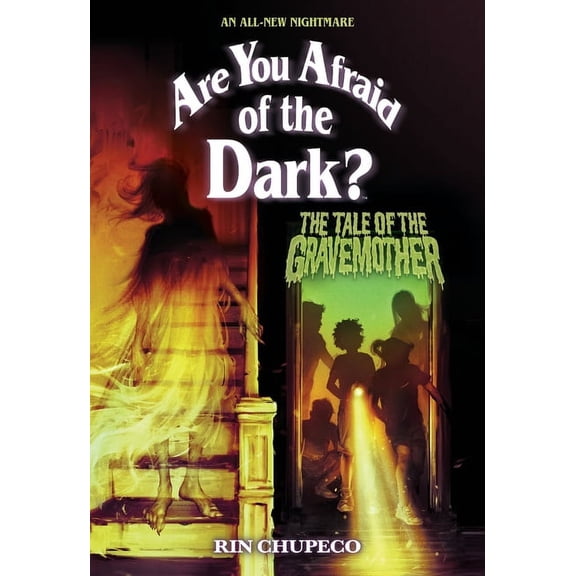
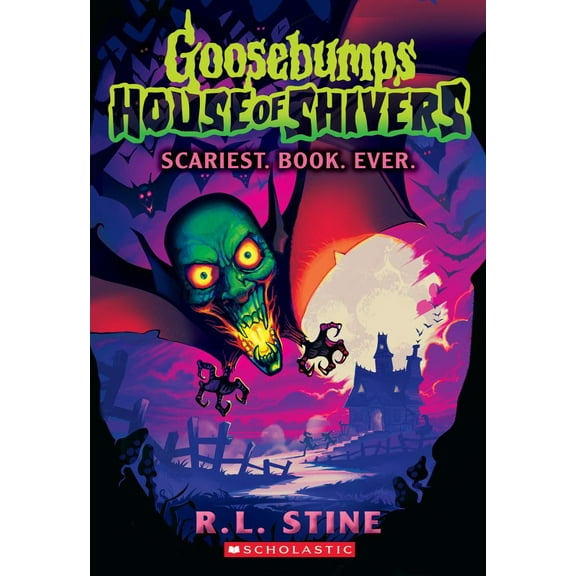

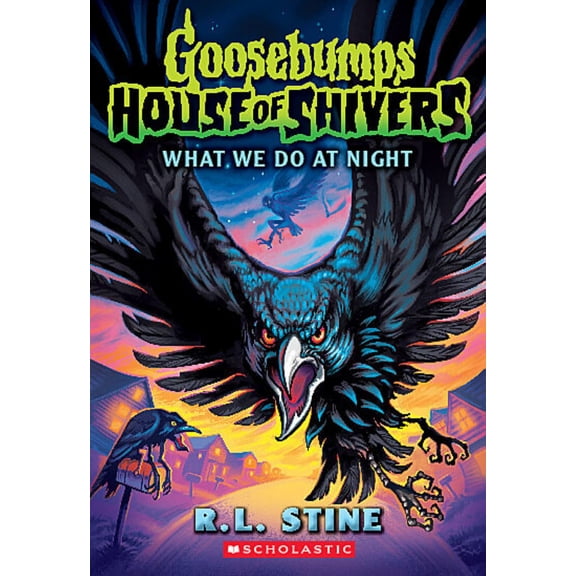

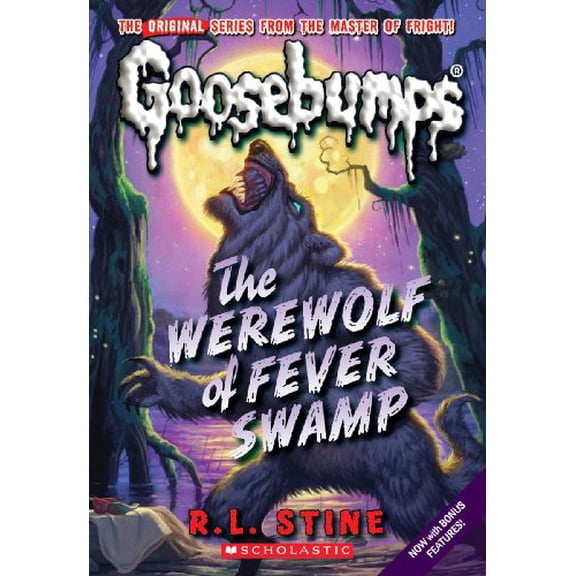
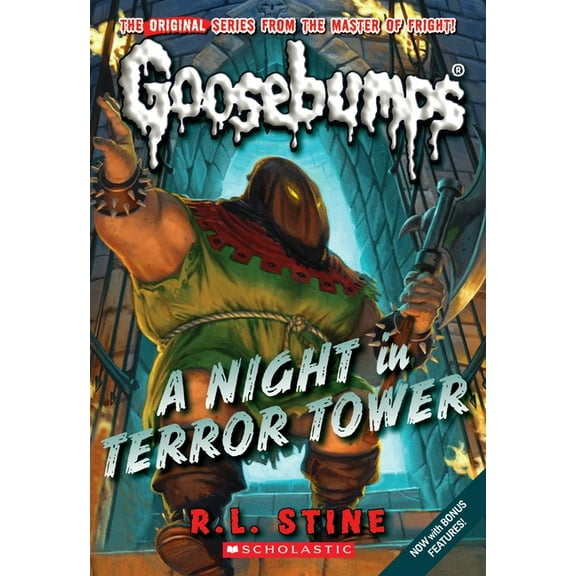


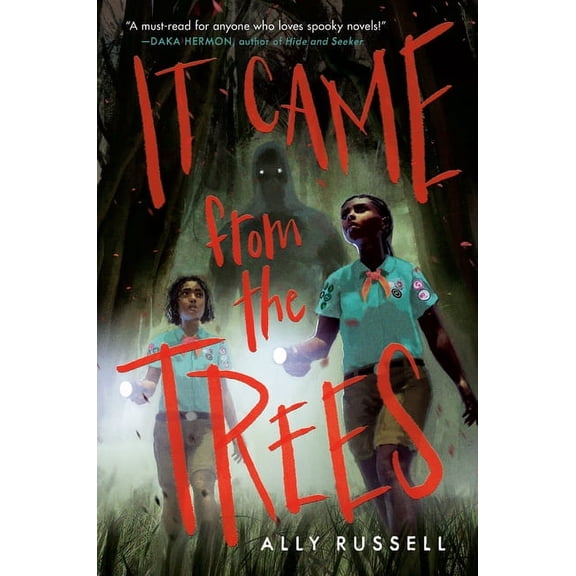

About Horror & Ghost Kids’ Stories in Children’s & Kids’ Books - Walmart.com
Horror books for kids help you match spooky fun to your child's age, reading level, and scare comfort. You can compare ghosts, monsters, formats, and series choices that keep young readers turning pages.
How to choose horror books for kids by age and intensity
Age range shapes how your child experiences suspense, illustrations, and page count. You should compare Ages six to eight, Ages nine to 12, and teen selections with care.
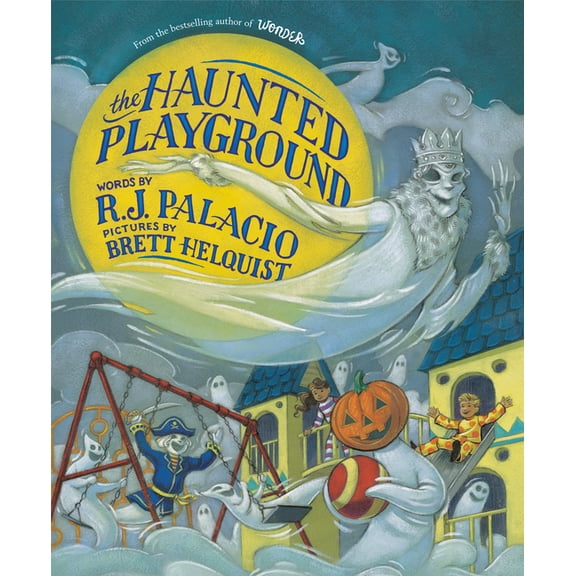
For younger readers, you may want mildly spooky stories with friendly ghosts, light mystery, and strong pictures. You can use illustrations and shorter chapters to support confidence and independent reading.
Older kids often want more tension, longer plots, and twist endings that feel exciting without becoming overwhelming. You can look for moderately scary or thrilling reads that still fit your household preferences.
- You can match mildly spooky books to early independent readers.
- You can choose moderately scary stories for readers who enjoy suspense and mystery.
- You can compare thrilling titles for older kids who want darker atmosphere and bigger plot twists.
- You can use age range labels to narrow options faster.
Comparing ghost stories for kids and other spooky sub-genres
Sub-genre helps you pick the kind of chills your child actually enjoys. You can compare ghost stories for kids, monster tales, paranormal adventures, and dark fantasy before choosing.
If your child likes creaky houses, secret messages, and mysterious visitors, kids ghost stories may fit well. You can expect eerie settings and suspense that builds through clues and surprises.
If your reader wants action, monsters can add fast pacing, brave heroes, and clear conflict. You may prefer paranormal or dark fantasy when your child likes magic, strange worlds, and layered storytelling.
Scary stories for kids can vary widely, so you should read sub-genre labels as a guide to tone. You can often tell whether a story feels playful, eerie, or intense from that category.
Choosing formats, reading level, and page design
Book format affects how your child reads at home, on the go, or during bedtime routines. You can compare paperback, hardcover, audiobook, and boxed set options based on daily habits.
Paperback books can feel easy to carry in backpacks, while hardcovers may suit gift giving and repeat reading. You might choose audiobooks when your child enjoys listening during car rides or quiet time.
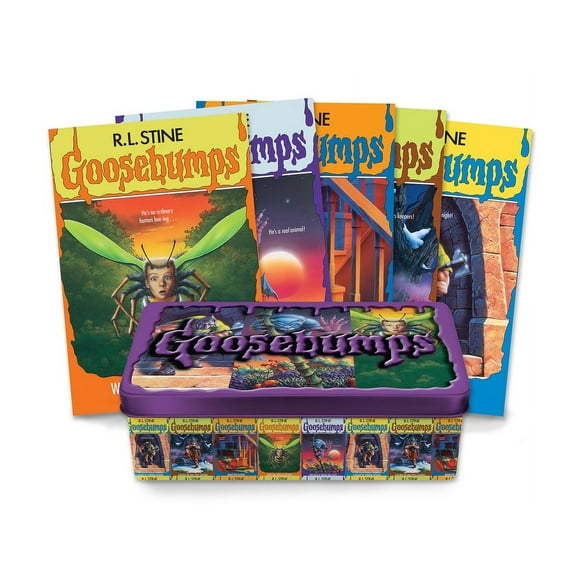
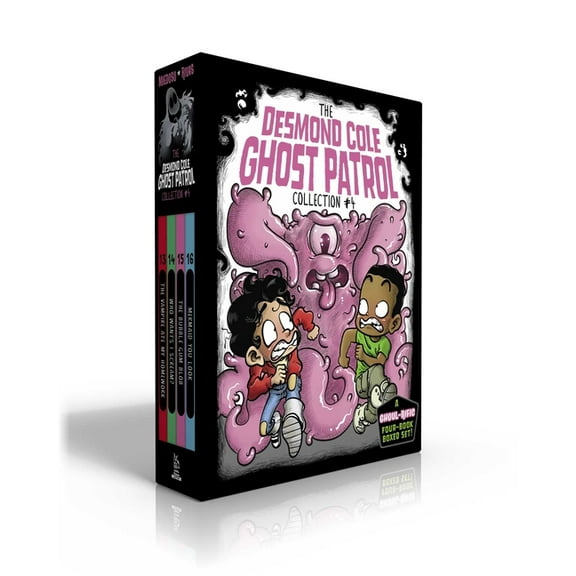
Boxed sets can work well when your child loves series reading and wants the next title ready. You can keep reading momentum going when each finished book leads naturally to another.
Reading level matters just as much as format, especially when you want excitement without frustration. You should compare grade level guidance, text density, and chapter length before making a choice.
For younger readers, illustrated pages can break up text and make spooky books feel more inviting. You may prefer text-only books when your child reads longer chapters confidently and wants deeper plots.
What to look for in scary books for kids
Scary books for kids work well when you balance atmosphere, pace, and readability. You can check whether the story uses short chapters, cliffhangers, or recurring characters to keep attention strong.
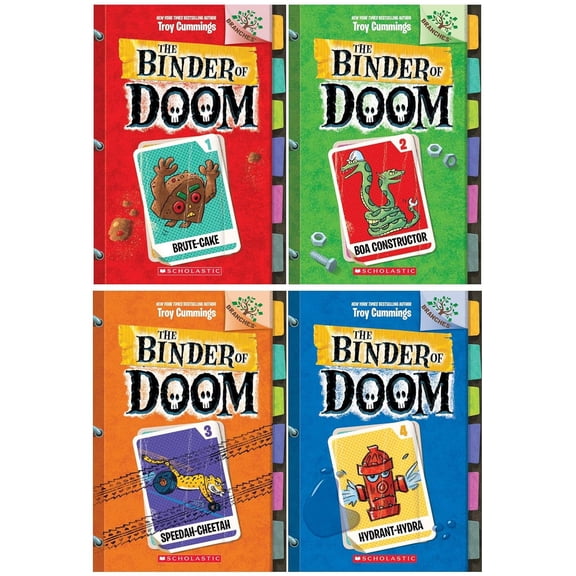
Series can be helpful when your child wants familiar characters and predictable tone across several books. You may choose standalone stories when your reader likes quick variety and different spooky settings.
Children's horror books also differ in how they deliver suspense through humor, mystery, or shadowy fantasy. You can pick playful frights for reluctant readers or layered plots for stronger independent readers.
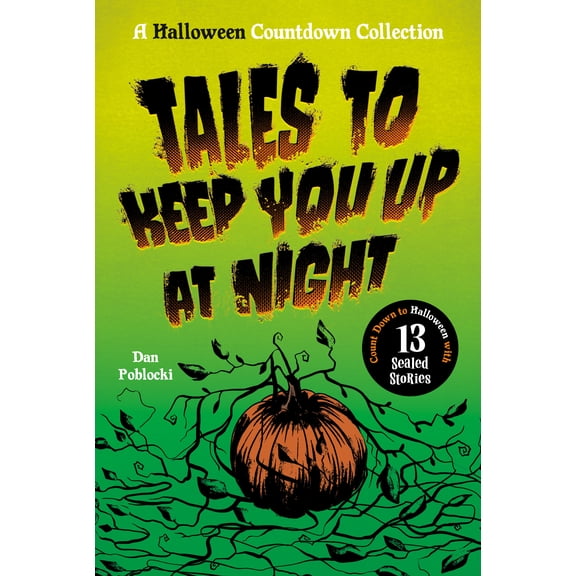
Seasonal reading can guide your choice too, especially when your family enjoys fall traditions. You can look for halloween books for kids when you want pumpkins, haunted houses, and classroom-friendly spooky fun.
Matching spooky books to real reading moments
You might want spooky books for kids that fit bedtime, classroom reading, or travel days. You can choose lighter ghost tales for evenings and longer thrillers for weekend reading sessions.
For a child who is building stamina, shorter chapters and recurring series characters can make reading feel manageable. You can use that familiar structure to encourage one more chapter each night.
If your child reads with a sibling or grown-up, audiobooks and illustrated editions can support shared reading. You can follow the story together while still enjoying suspense, mystery, and fun reveals.
When your reader already loves fantasy or mystery, children's horror books can bridge those interests naturally. You can move from dark fantasy to paranormal adventures or from puzzles to haunted mysteries.
During autumn, classroom parties, and family movie nights, spooky titles can match the season without feeling repetitive. You can rotate ghost stories, monster books, and halloween books for kids to keep reading fresh.
When you compare age range, sub-genre, format, and intensity, you can choose horror books for kids with more confidence. You'll end up with stories that fit your reader's comfort level and keep pages turning.