

Chiropractic Books in Medical Books














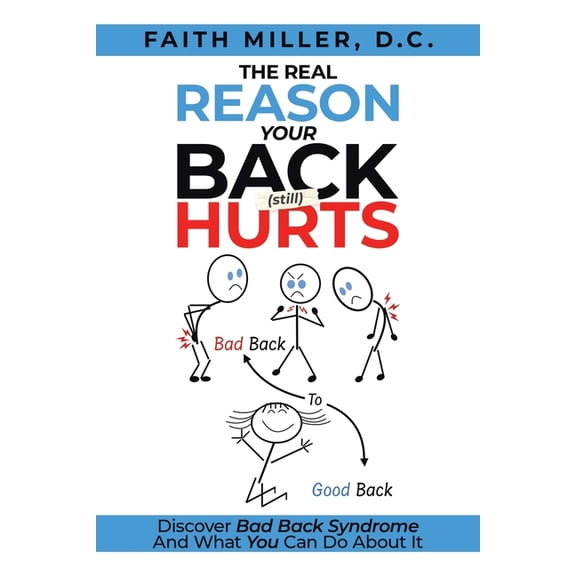





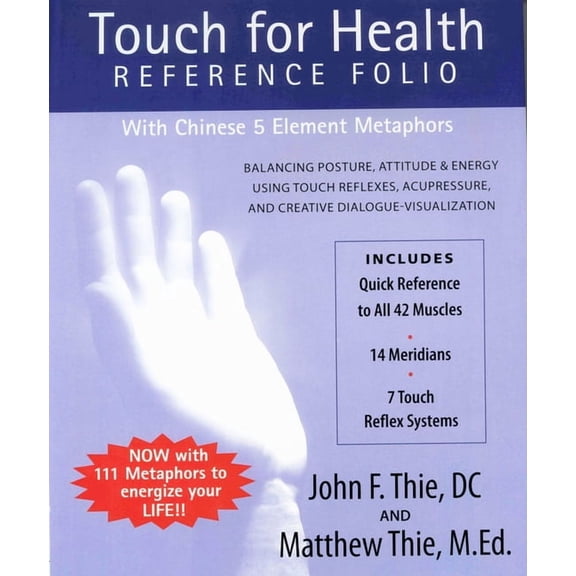




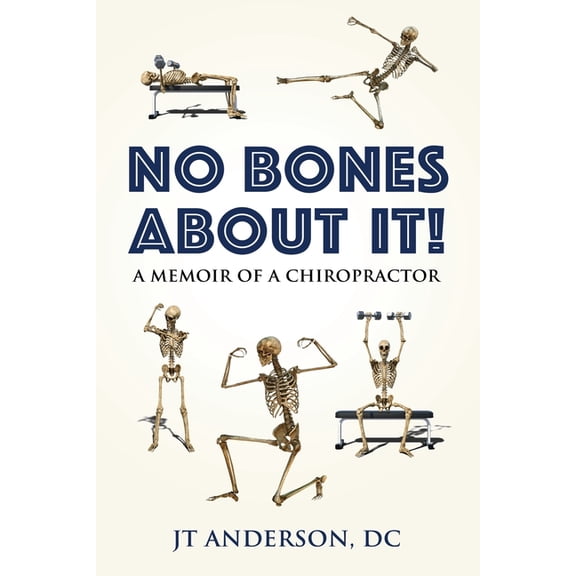
About Chiropractic Books in Medical Books - Walmart.com
You'll find chiropractic books that support study, reference, and patient learning in one place. You can compare textbook depth, technique coverage, and format choices that fit your coursework or daily practice.
If you're building a library for classes or clinic use, you can narrow your options by book type first. You can then compare focus areas, audience level, and print or digital formats with more confidence.
How to choose chiropractic books by book type
You should start with the book type because it shapes how you use the material. You may want chiropractic textbooks for structured learning, or reference guides for quick chairside review.
When you compare textbooks, you should look for chapter progression, terminology support, and board exam alignment. If you're preparing for testing, you may prefer chiropractic board review books with practice-focused summaries.
Clinical reference guides can help you check protocols, technique notes, and regional anatomy during study sessions. Patient education titles can help you explain care concepts in simpler language for office conversations.
- You can use textbooks for semester coursework, lab review, and lecture follow-up.
- You can use clinical reference guides for quick refreshers on techniques and terminology.
- You can use board review titles for exam prep, outline review, and concept recall.
- You can use patient education books when you need plain-language explanations and visuals.
Choosing chiropractic textbooks for your learning stage
You should match chiropractic textbooks to your current learning stage before you compare covers or formats. If you're early in training, you may need broad foundations in anatomy, assessment, and technique principles.
As your coursework advances, you may want books that connect clinical protocols with case-based examples. If you're closer to exams, you should check whether content follows current board exam alignment.
You may also compare how deeply a text explains listings, setup, and technique variations. If you study Gonstead, Activator, or Diversified methods, you should look for clear technique focus in the table of contents.
What to look for in spinal manipulation books
You should review focus area coverage closely because spinal manipulation books can vary widely in scope. Some books center on manual procedures, while others connect technique choices with assessment and positioning.
If you want sharper technique study, you should look for step-by-step illustrations and region-specific instruction. You'll often want cervical, thoracic, pelvic, and extremity sections organized for faster review.
You may also need titles that branch into neurology, pediatric chiropractic, or rehabilitation topics. If your training or clinic setting is specialized, you should compare whether those sections are introductory or detailed.
When you review chiropractic adjustment guides, you should check how clearly they explain setup and hand placement. You'll benefit from diagrams and concise captions when you're reviewing practical technique concepts.
Comparing audience level and chiropractic medicine books
You should confirm who the book is written for before you choose a title. Some chiropractic medicine books speak to students and practitioners, while others are easier for general patients to follow.
If you're a chiropractic student, you may need formal terminology, chapter objectives, and end-of-section review points. If you're practicing, you may prefer concise references that support quick consultation between appointments.
For patient education, you should look for plain explanations, labeled images, and accessible organization. You'll usually want less technical depth and more visual support when you're sharing take-home reading.
You can also compare whether a title leans academic, clinical, or introductory in tone. That choice matters when your goal is board prep, technique review, or clearer patient communication.
Checking format, durability, and everyday usability
You should compare paperback, hardcover, and digital formats based on how you'll actually use the book. Paperbacks can feel lighter in a backpack, while hardcovers may suit repeated shelf and desk use.
If you annotate heavily, you may prefer print pages with room for notes and tabs. If you study across locations, you may prefer digital access for searching terms and revisiting chapters quickly.
You should also think about how often you'll carry the book between class, clinic, and home. Format can shape how easily you reference spinal listings, technique diagrams, and chapter summaries during busy days.
Matching combinations to real study and practice needs
If you're starting chiropractic school, you may want foundational textbooks in paperback with broad anatomy and technique coverage. That combination can support lecture review, highlighting, and steady progress through assigned chapters.
If you're preparing for boards, you may want board review titles plus clinical references with current protocol summaries. That pairing can help you switch between detailed study and faster recall sessions.
If you focus on technique development, you may prefer spinal manipulation books with diagrams and method-specific sections. You'll likely want coverage for approaches like Gonstead or Activator when your coursework emphasizes practical distinctions.
For a working office, you may need chiropractic adjustment guides and patient education titles in mixed formats. That setup can help you review procedures privately and share simpler explanations during patient discussions.
You can also build a more complete library by pairing these books with anatomy, orthopedics, or physical therapy resources. Those related topics can give your chiropractic reading a broader clinical context.
You'll make a stronger choice when you compare book type, focus area, audience, and format together. With the right chiropractic books, you can study with clearer direction and reference technique details more efficiently.