

Physicians Books in Medical Books













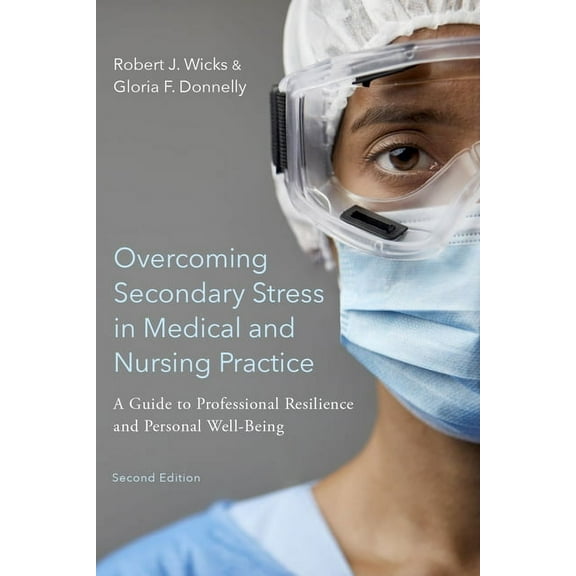

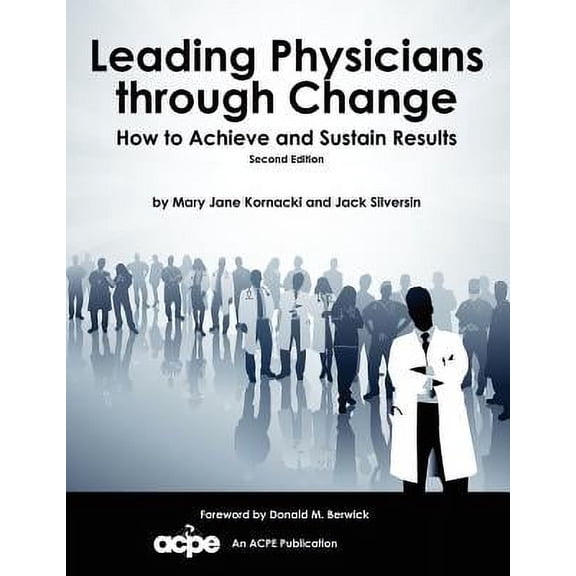


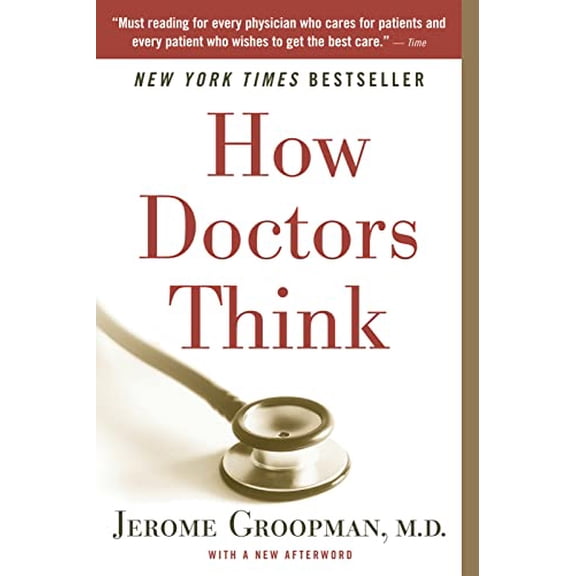


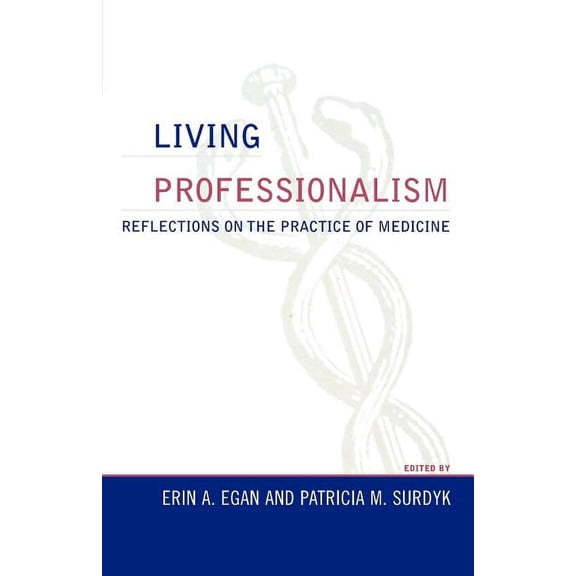






About Physicians Books in Medical Books - Walmart.com
You can use a physicians book collection to compare medical reference books, clinical manuals, and study tools for daily practice. You’ll find specialty-focused resources, current editions, and practical formats that fit clinic use, rounds, and exam prep.
How to choose a physicians book
You should start with your specialty because clinical relevance shapes every reading decision. You’ll usually want medical terminology, diagnostic criteria, and treatment frameworks that match your patient population.
If you practice internal medicine, you may look for broad adult care coverage and drug reference support. If your work centers on pediatrics, surgery, or emergency medicine, you’ll want content tailored to those settings.
You can also compare resource type before you choose a title. You’ll often see clinical manuals, drug references, board review guides, and medical atlases serving very different purposes.
- You can use clinical manuals for quick workflow support during rounds, clinic visits, and hospital shifts.
- You may prefer drug reference books when you need dosing tables, interaction details, and organized medication information.
- You can choose board review guides when your focus is exam preparation, recall, and structured topic review.
- You might select a medical atlas when you need visual anatomy, imaging correlations, or procedure-oriented illustrations.
Choosing by medical specialty and audience
You’ll get useful guidance when your book matches both your field and your training stage. You may need different depth if you’re a practicing physician, resident, student, or nurse.
For internal medicine, you may compare broad references that cover chronic care, diagnostic pathways, and adult disease management. You’ll often want fast indexing because you may check multiple topics in one shift.
In pediatrics, you may look for age-specific dosing, developmental context, and child-focused assessment details. You’ll benefit from references that organize newborn, infant, and adolescent care clearly.
If surgery is your focus, you may compare atlases and manuals with step-by-step visuals and perioperative organization. You’ll often notice that diagrams and table layouts matter as much as page count.
For emergency medicine, you may prefer compact references with rapid-access formatting and concise decision pathways. You’ll likely value quick tabs, spiral-bound designs, or digital access during fast-moving care settings.
You should also match the content level to your role. You may want foundational explanations as a student, while you might need point-of-care detail as a practicing physician.
Comparing formats, editions, and authority
You can narrow your options quickly by comparing hardcover, paperback, spiral-bound, and digital formats. You’ll want the format that matches how you read, carry, annotate, and revisit your material.
Hardcover books may suit your office shelf or long-term study library. You’ll often choose them when durability and frequent reference matter more than portability.
Paperback formats can feel easy to carry between classes, call rooms, and workspaces. You may like them when you need flexibility and light weight.
Spiral-bound references can help you keep pages open on a desk or workstation. You’ll often prefer this format when you need hands-free visibility during note review.
Digital formats can make search and cross-reference easy across large topics. You may choose them when you want quick lookups across symptoms, drugs, and guideline sections.
You should check edition currency before anything else. You’ll want current medical standards, updated guideline language, and recent revisions that reflect today’s clinical expectations.
You may also compare the source behind the content. You’ll often look for recognized publishers or references linked with names like AMA, DSM, or Merck for clear trust signals.
Matching physicians books to real use cases
You can choose differently for clinic, hospital, classroom, or exam season. You’ll usually get the right fit when your format, specialty, and resource type work together.
If you need a desk reference for practice, you may pair a hardcover drug reference with an internal medicine manual. You’ll have one source for medications and another for broader clinical review.
During residency, you may prefer a spiral-bound clinical manual that opens flat during rounds. You’ll likely appreciate concise tables, specialty sections, and quick chapter access.
For board preparation, you can compare review guides by subject coverage and study structure. You’ll want chapter summaries, practice-style organization, and terminology that aligns with exam expectations.
If you’re building a study shelf for medical school, you may combine a paperback review title with a medical atlas. You’ll balance portable reading with image-based reinforcement for complex subjects.
When you work in emergency medicine, you may prefer compact references and digital tools for quick searches. You’ll benefit from streamlined layouts that support quick consultation across changing cases.
You can also choose by cross-functional team needs. You may want physician guides that support nurses, residents, and students who share the same service line.
You’ll make an informed choice when you compare specialty fit, format usability, edition currency, and source authority together. You can build a physicians book library that supports focused study sessions and quick reference.