

Alternative & Complementary Medicine Books in Medical Books
















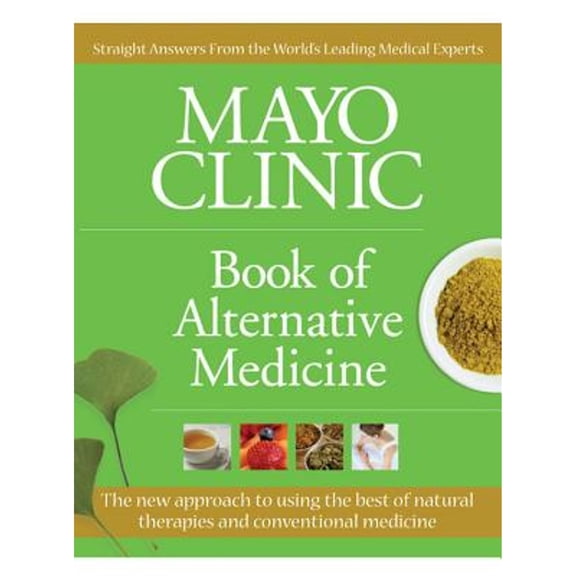

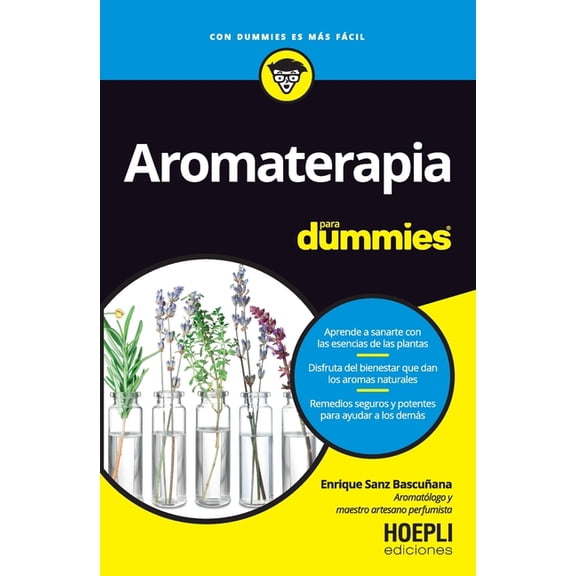
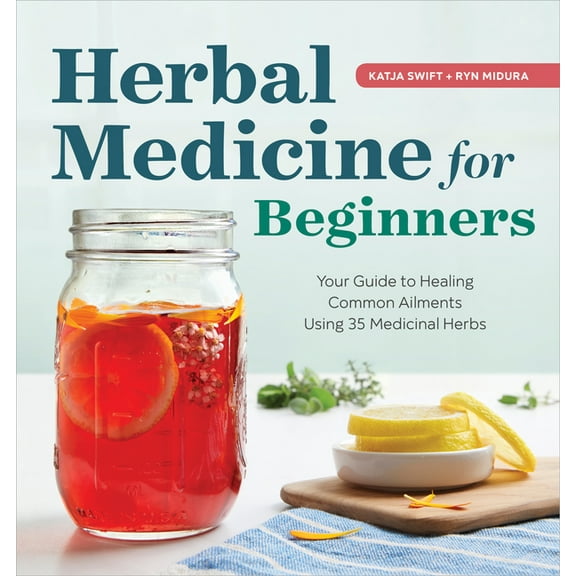



About Alternative & Complementary Medicine Books in Medical Books - Walmart.com
Alternative medicine books give you a clearer way to compare holistic approaches, reading levels, and formats before you choose titles for your shelf. You can use this category to find modality-specific guides, practical references, and broader wellness reads that match how you like to learn.
If you're building a personal library, you may want books that explain herbal traditions, acupuncture concepts, and mind-body practices in plain language. If you're studying more deeply, you can also compare complementary medicine books that offer detailed terminology, charts, and structured reference sections.
How to choose alternative medicine books
You should start with the modality that matches your interest, because that choice shapes the language, examples, and depth you'll see. You may prefer herbal medicine guides for plant-focused reading, or you may want acupuncture titles that explain meridians, points, and treatment theory.
Another key decision is scope, because you might want one modality or a broader survey of holistic health books. You can choose focused books for one practice, or you can pick general overviews that connect homeopathy, nutrition, and mind-body therapies.
You may also want to compare reading level before you choose a title for regular use. You may prefer beginner-friendly explanations, while practitioners and advanced readers often look for denser reference material and more technical discussions.
- You can narrow your search by modality, including herbal medicine, acupuncture, homeopathy, and mind-body therapies.
- You can compare beginner guides with practitioner references, depending on how detailed you want your reading.
- You can choose paperback, hardcover, or digital formats based on how you study and revisit key sections.
- You can focus on topics like natural healing, stress relief, and preventative health for more relevant reading.
What to look for in holistic health books
You should check whether the author explains credentials in clear terms, especially when you want structured educational content. You may notice titles written by licensed practitioners, clinicians, or long-time educators who organize information more systematically.
You can also compare how a book teaches its subject, because layout affects how easily you absorb new ideas. You may want glossaries, chapter summaries, illustrations, or indexes that help you revisit terms, therapies, and plant references.
Format matters when you plan to read in different settings throughout your week. You might choose paperback for portability, hardcover for a longer-lasting home library, or digital editions for quick searching and on-screen notes.
Focus area can guide your choice when you want more targeted reading. You may look for natural healing books centered on stress relief, chronic pain topics, preventative health routines, or broader lifestyle-based wellness concepts.
Comparing formats, authors, and reading levels
You should compare paperback, hardcover, and digital options based on how you use books day to day. You may like paperback for travel, hardcover for display and repeated reference, and ebooks for instant access across devices.
Author background can help you judge how authors explain methods in complex topics. You can look for authors with clinical training, teaching experience, or hands-on practice, because that context often shapes their explanations.
Reading level deserves close attention when you want a book that fits your goals now. You may want introductory chapters and plain definitions, or you may need technical terminology and deeper theory for continued study.
You can often find that general readers want approachable explanations, while practitioners may need more formal organization and citation-rich content. You can use that distinction to separate casual exploration from study-focused reference buying.
Using natural healing books for different goals
You may want one title for bedside reading, another for class support, and another for quick reference during note-taking. You can match your choice to your routine by checking format, chapter structure, and subject depth first.
If you're exploring herbal traditions, you might look for herbal medicine guides with plant profiles, preparation basics, and historical context. If you're comparing systems, you may prefer books that explain how herbalism differs from homeopathy or acupuncture.
When you're interested in mind-body therapies, you may want books that connect breathing, meditation, movement, and daily routines. You can also look for titles that frame these practices within broader complementary medicine books for a wider view.
If your interest centers on stress relief or preventative health, you may prefer practical books with step-by-step routines and easy summaries. If you're researching chronic pain topics, you might want titles that explain multiple modalities rather than one narrow approach.
Choosing complementary medicine books with confidence
You can make a stronger choice when you compare modality, author background, format, and reading level together. Alternative medicine books become easier to sort when you know whether you want a beginner overview, a practitioner reference, or a focused natural healing guide.
With that approach, you can build a more useful collection that fits your learning style and your specific wellness interests. You can leave with books that support clearer studying, easier reference, and more relevant reading time.