

Pathology Books in Medical Books







![NHA Phlebotomy Study Guide 2025-2026: 650+ Practice Questions and NHA Exam Prep Book [4th Edition], (Paperback)](https://i5.walmartimages.com/seo/NHA-Phlebotomy-Study-Guide-2025-2026-650-Practice-Questions-and-NHA-Exam-Prep-Book-4th-Edition-Paperback-9781637986547_0800be84-df7b-4963-ac3a-2f138c9a0078.acc7ea7e8f4a4630b6c6a119cdba97ff.jpeg?odnHeight=576&odnWidth=576&odnBg=FFFFFF)






About Pathology Books in Medical Books - Walmart.com
Pathology books help you match coursework, rotations, and reference needs with the right format, depth, and subspecialty focus. You can compare textbooks, atlases, and review guides in one place, so your study plan stays organized.
How to choose pathology books by format
When you compare pathology books, you should start with format because it shapes how you read, carry, and revisit material. You may prefer paperback for lighter daily use, while hardcover can suit long-term shelf reference.
If you study across devices, you might consider ebook options for quick searching and portable access between classes or clinical settings. If you annotate heavily, you may prefer spiral-bound editions that let you lay pages flat during note-taking.
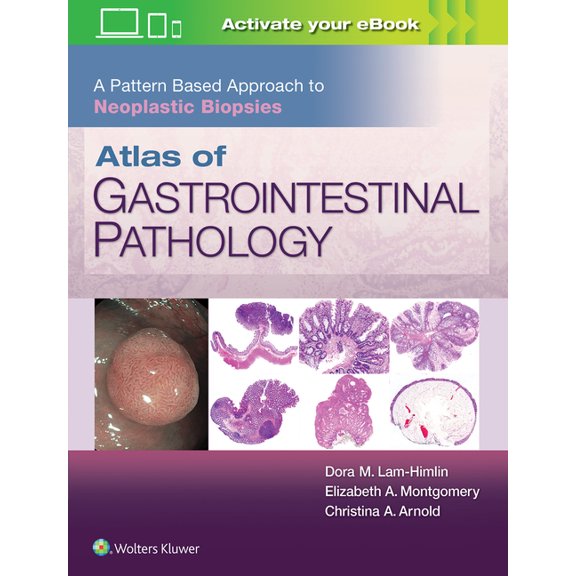
You should also compare visual density before choosing. You may want high-resolution atlases for image-based learning, while text-heavy references can fit deeper reading on mechanisms and terminology.
- You can use paperback formats for lighter bags and easier transport.
- You can choose hardcover copies when your shelf needs a durable long-term reference.
- You can pick ebooks when your study routine depends on search and portability.
- You can select spiral-bound options when you need frequent access to specific pages.
- You can compare atlases, textbooks, board review guides, and case studies by how you study.
Choosing medical pathology books for your training level
You should match medical pathology books to your educational level before you compare length, image count, or chapter depth. You may need introductory coverage for early coursework, or focused review for residency preparation.
If you're a medical student, you may look for broad foundations in general pathology, organ systems, and basic histology correlations. If you're a resident, you may need denser differential tables, specimen interpretation, and board-style review structure.
If your work centers on laboratory workflows, you may prefer clinical pathology books with chemistry, hematology, and diagnostic testing content. If your role involves diagnosis support, you may compare books that balance concise summaries with detailed case discussions.
Comparing pathology textbooks by content type and edition
When you review pathology textbooks, you should compare content type because each format supports a different study goal. You may use textbooks for full-course learning, atlases for slide recognition, and board review guides for faster recap.
Case studies can help you connect findings, reports, and clinical context in a practical sequence. You may prefer this format when you learn faster from examples than from long narrative chapters.
You should also check publication currency and edition before you choose a title. You may want newer editions when classifications, terminology, or diagnostic standards have shifted since earlier printings.
If your class follows a required syllabus, you should compare chapter organization with your course outline. You can reduce study friction when your book mirrors lecture order, exam topics, and assigned reading depth.
How to compare surgical pathology books and subspecialties
You should narrow by subspecialty when you need focused material instead of a broad survey. You may compare surgical pathology books for specimen-based interpretation, while anatomical pathology titles may emphasize tissue structure and morphologic patterns.
If your coursework or rotation includes laboratory testing, you may lean toward clinical pathology books with sections on blood, fluids, and diagnostic methods. If you want image-driven review, you may prefer cytopathology or atlas-based titles with strong visual labeling.
You can also compare whether a book covers general pathology or specific organ systems. You may need broad disease mechanisms for earlier training, while focused subspecialty texts can support advanced electives and targeted review.
Using pathology study guides in real learning scenarios
You may use pathology study guides when your schedule is tight and your review needs to stay focused. You can pair a concise guide with a full textbook when you want quick reinforcement before quizzes, labs, or cumulative exams.
If you're preparing for boards, you may combine review books with atlases so you can practice both recall and visual recognition. You may find that this mix supports faster revision across lesions, cell changes, and tissue patterns.
During rotations, you may want a portable reference that fits into short reading windows between assignments. For longer weekend study blocks, you may prefer detailed medical pathology books with expanded explanations and case-based chapters.
If you're building a reference set, you can combine human pathology books with subspecialty texts in surgical, clinical, or anatomical pathology. You can create a more useful library when each book fills a different learning role instead of repeating the same material.
What to look for before you choose pathology books
You should compare audience level, format, subspecialty, and edition before you choose pathology books for school or professional use. You can narrow options faster when you know whether you need images, deep reference content, or rapid review support.
With the right mix of textbooks, atlases, and study guides, you can build a pathology library that fits your coursework, rotations, and ongoing reference needs. You gain a clearer path from first-year study through advanced diagnostic review.