

Home Care Books in Medical Books









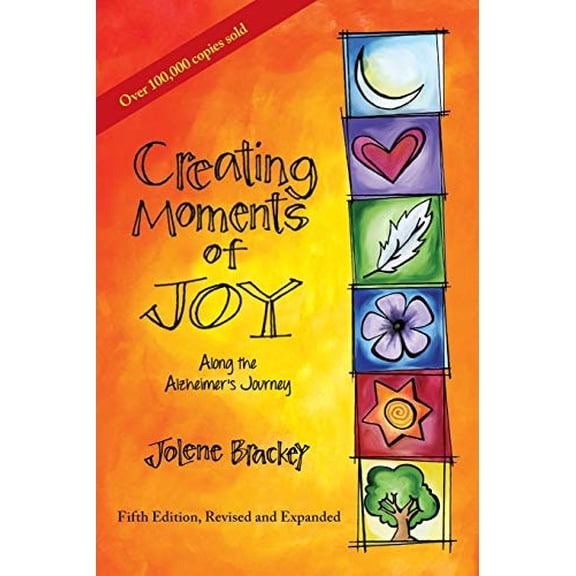
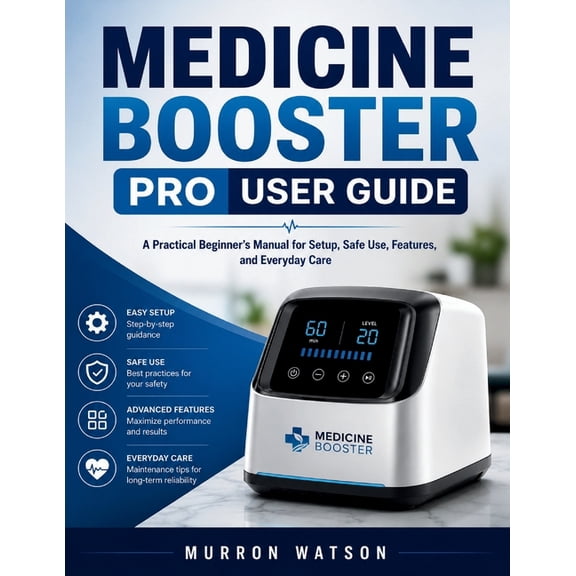


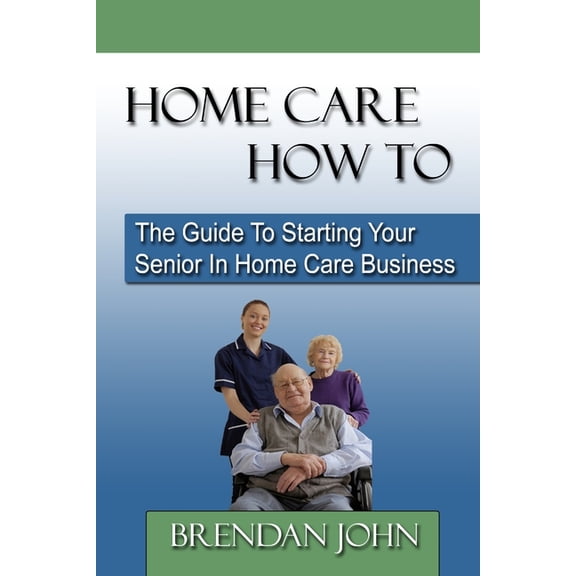




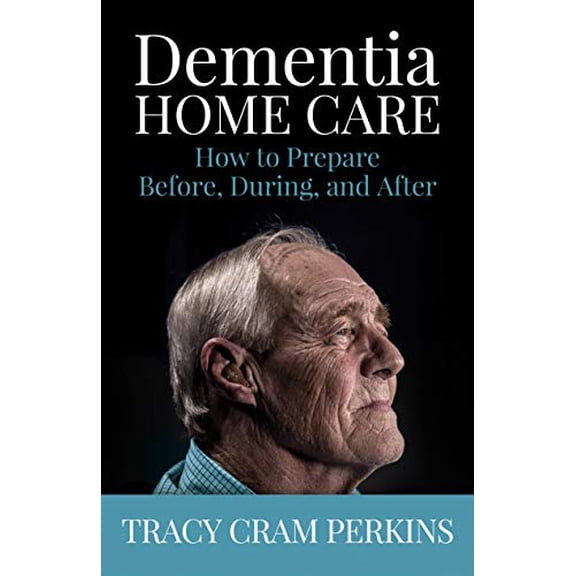











About Home Care Books in Medical Books - Walmart.com
Home care books help you organize daily support, track routines, and compare caregiving topics with more confidence. You can use them to understand care tasks, plan schedules, and choose guides that match your role.
If you're caring for a parent at home, supporting a child, or training for work, you need clear information. You can compare formats, audiences, and topics to find books that fit your day-to-day responsibilities.
Choosing home care books for your role
You should start with the target audience, because that choice shapes the language, depth, and examples you read. You may want simpler explanations for family routines or more detailed instruction for workplace tasks.
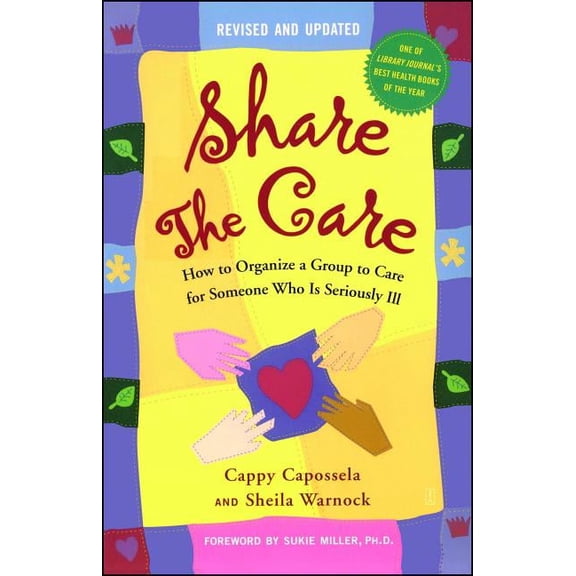
Family caregivers often look for caregiver guide books with plain steps, checklists, and emotional support topics. Professional readers often compare home health aide books that cover charting, procedures, and care standards in clearer detail.
You can narrow your options faster when you match the book to the person using it. Your choice may feel more useful when the examples reflect home visits, family schedules, or ongoing household care.
What to look for in caregiver guide books
You should compare content type before you choose a title, because each format supports a different need. Your routine may call for step-by-step guides, daily logs, medical reference sections, or planning worksheets.
- You can use step-by-step guides when your household needs clear task sequences for bathing, meals, transfers, or medication reminders.
- You may prefer daily logs when your schedule includes appointments, notes, symptom tracking, and shared updates between helpers.
- You can check medical reference sections when you need definitions, terminology, and concise overviews for common home care topics.
- You might choose emotional support titles when your caregiving role includes stress, communication changes, and family coordination.
You should also check whether a book includes legal templates, care plans, or household organization tools. Your copy may become more practical when forms and examples support real conversations and recordkeeping.
Author credentials matter when you want advice grounded in clinical experience or professional training. You can look for books written by nurses, physicians, therapists, or experienced care educators.
Comparing focus areas in home health aide books
You can choose by caregiving focus, because not every title covers the same type of support. Your needs may center on elderly care, dementia care, pediatric home care, or palliative care topics.
Elderly care books often help you think through mobility routines, meal planning, hygiene support, and home organization. Dementia care titles may help you compare communication approaches, memory-related routines, and environment setup.
Pediatric home care books usually speak to family schedules, developmental stages, and equipment used in home settings. Palliative care titles often guide you through comfort-focused routines, household planning, and coordinated support roles.
You should also compare how much specialization a title offers. Your household may need broad home care manuals, or you may need focused content on Alzheimer's care, physical therapy exercises, or recovery routines.
How format affects everyday use
You can make reading easier by choosing a format that fits where and how you learn. Your options may include paperback, hardcover, spiral-bound, and digital editions.
Paperback books can feel easy to carry between rooms, appointments, and training sessions. Hardcover editions may suit your shelf when you want a durable reference that stays organized with other manuals.
Spiral-bound formats can help you keep pages open during note-taking, care planning, or kitchen-table review. Digital formats may suit your phone, tablet, or laptop when you need searchable sections and flexible access.
You should think about how often you'll revisit the material before you choose a format. Your daily routine may favor a portable book, while your office or study area may favor a sturdier reference.
Using elderly care books and home care manuals in real life
You can use elderly care books when you're building a weekly routine for meals, hygiene, medication lists, and appointments. Your notes may become easier to share when the book includes logs, charts, or caregiver worksheets.
If you're supporting dementia care at home, you may want a title with communication examples and household routine planners. Your day may run more smoothly when guidance is organized around repeated tasks and familiar patterns.
You can use home health aide books for training, refreshers, or role-specific review before shifts and certifications. Your study time may feel more focused when chapters cover documentation, observation skills, and practical home procedures.
When your family is planning long-term support, home care manuals can help you compare responsibilities and household systems. You may also use them to prepare questions for nurses, therapists, or care coordinators.
If your household needs support across generations, you can compare pediatric and adult-focused titles side by side. Your choice becomes clearer when age range, care setting, and daily tasks match your actual routine.
Home care books give you a practical way to compare caregiving topics, organize information, and choose guidance that matches your role. You can move forward with clearer direction when your reference fits your audience, focus, content type, and format.