

Medical Books in Books























About Medical Books in Books - Walmart.com
Medical books help you match coursework, board prep, and daily reference needs with the right edition, format, and specialty focus. You can compare textbooks, study guides, and reference titles by syllabus fit, publication details, and study style.
How to choose medical books for your goals
If you're building a course list, you should start with your required specialty and education level. You can narrow choices by nursing, anatomy, pharmacology, pediatrics, surgery, or internal medicine.
When you compare education levels, you can separate core medical textbooks from board review titles and patient education resources. You can also choose anatomy study guides when you want focused diagrams, summaries, and review sections.
For faster decisions, you should check these details before you choose a title. You can use them to match class expectations and study habits.
- You should confirm the edition number and publication year on your reading list.
- You can verify the ISBN when your instructor lists one exact required title.
- You should compare format options like hardcover, paperback, spiral-bound, and e-book.
- You can look for review questions, practice exams, and access code details.
Because medical content changes often, you should pay close attention to edition currency. You can avoid mismatches by checking whether your program requires a current edition or a specific alignment.
Choosing between medical textbooks and study formats
If you need full course coverage, medical textbooks usually give you chapter depth, illustrations, and end-of-chapter review material. You can use them for lectures, labs, and longer reading assignments across a term.
When you study in short sessions, you may prefer paperback or e-book options for easier carrying. If you annotate heavily, you might choose spiral-bound formats that stay open on a desk or lab bench.
Hardcover formats can suit shelves, repeated use, and semester-long reference. E-book choices can suit commuting, quick search functions, and studying across devices.
If your syllabus includes required page ranges, you should confirm the exact format your instructor expects. You can prevent return hassles by matching the assigned version before checkout.
Comparing nursing books and specialty coverage
If your program centers on patient care workflows, nursing books can help you focus on assessments, care plans, charting, and clinical routines. You can compare titles by specialty coverage and by the depth of skills practice.
For foundational science courses, you may want anatomy study guides with labeled structures, sectional views, and image-heavy layouts. You can pair those guides with broader medical reference books when you need terminology and concept refreshers.
If you're preparing for advanced coursework, you should compare pharmacology references, internal medicine texts, and surgery manuals by scope. You can choose pediatrics resources when your rotation or class centers on age-specific care.
Because every specialty studies differently, you should match the book type to the way you learn. You can use condensed guides for review and comprehensive texts for chapter-by-chapter instruction.
What to look for in editions, publishers, and review content
When you compare editions, you should look at the publication year, edition number, and any course-specific alignment notes. You can use those details to avoid outdated tables, page numbers, and chapter assignments.
If your instructor names a publisher, you should check that detail early in your search. You can often compare titles from Elsevier, Lippincott, and McGraw Hill when your course accepts multiple approved options.
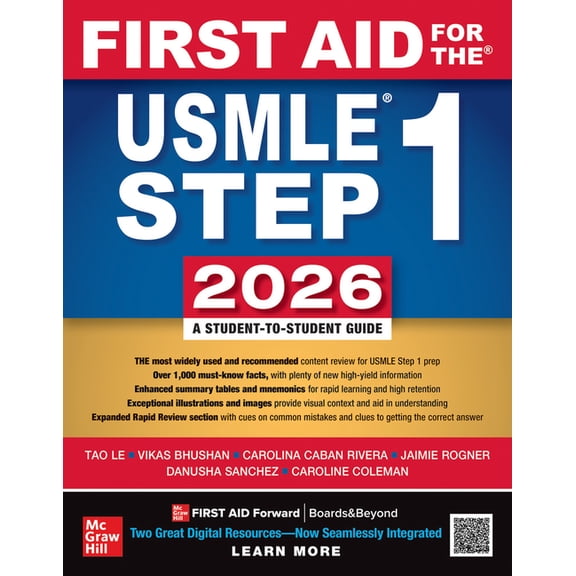
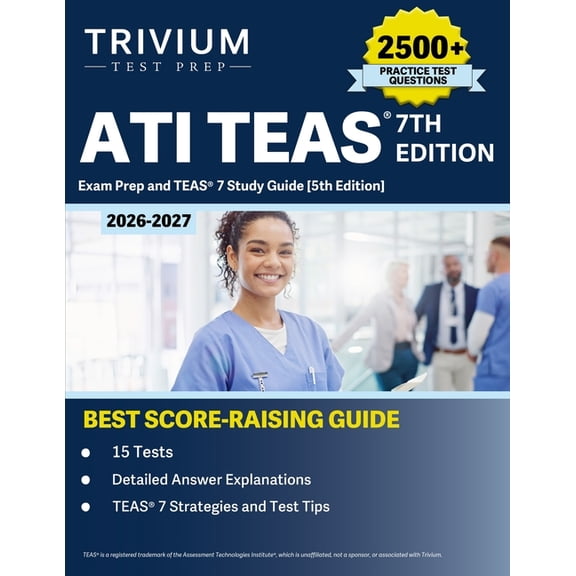
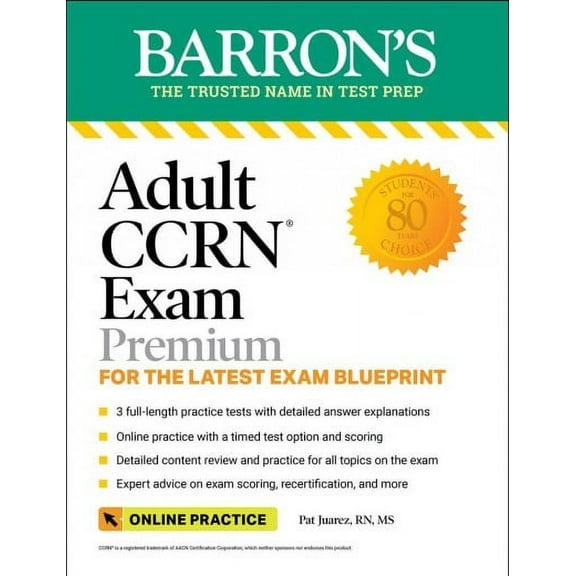
Review content matters when you need exam prep beyond lecture notes. You should look for practice questions, chapter quizzes, case-based prompts, and medical board review books when test season approaches.
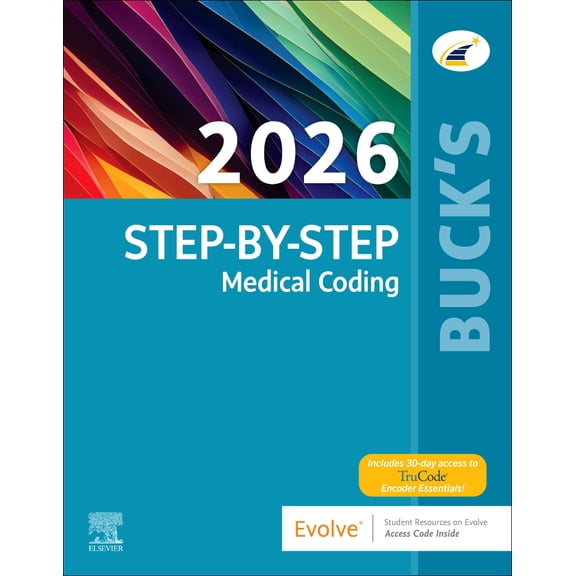
If access codes matter for your class, you should read the listing details carefully. You can confirm whether your selected title includes online content, question banks, or companion resources.
Using medical books for class, clinicals, and exam prep
If you're entering a new semester, you can use medical books to build a reading stack that matches each syllabus exactly. You should keep core texts for lectures and add study guides for faster review.
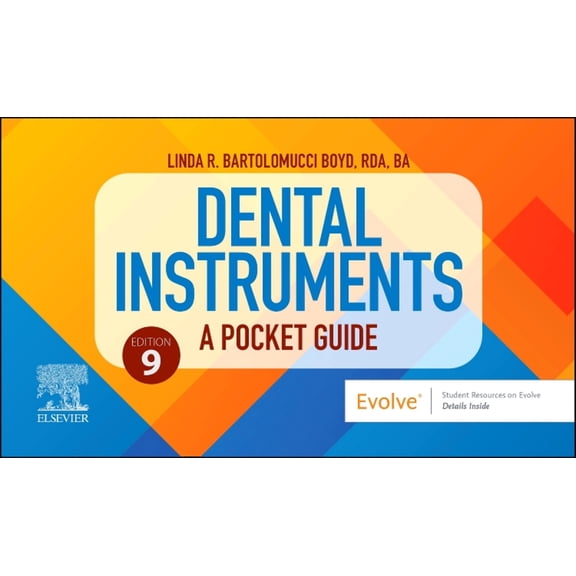
During clinical training, you may want portable references that fit into a bag and open quickly between tasks. You can choose compact nursing books or e-book formats when portability is a priority.
If you're reviewing for cumulative exams, you should focus on titles with practice sets and concise explanations. You can use medical reference books for terminology checks and board review titles for targeted refreshers.
When your household includes a future clinician and a working professional, you can mix formats by use case. You might keep a hardcover at your desk and an e-book on your phone or tablet.
For long study blocks, you should choose layouts that support your note-taking style. You can benefit from spiral-bound pages for flat placement and from digital search when you need quick navigation.
With the right medical books, you can line up editions, formats, and specialties with fewer surprises during class prep. You can study with clearer structure when your title matches your syllabus, your schedule, and your exam plan.