


Pickleball in Sports



















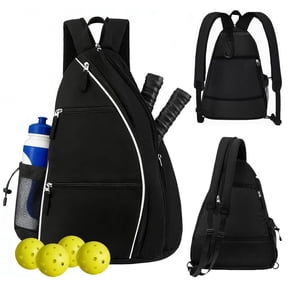


About Pickleball in Sports - Walmart.com
Bird feeders help you turn your yard into a steady stop for songbirds, finches, cardinals, and hummingbirds. You can compare feeder styles, mounting options, and materials that fit your space and feeding routine.
If you want daily bird activity, you should start with the feeder type and the birds you hope to attract. You can also choose designs that support cleaner seed, easier refills, and less unwanted squirrel access.
How to choose bird feeders by feeder type
You should match feeder type to the food you plan to offer and the birds you want to see. You’ll usually find tube styles for seed mixes, hopper styles for larger seed capacity, and platform styles for open access.
When you compare suet and nectar options, you can support different feeding habits in the same outdoor space. You may use suet feeders for clinging birds, while you use nectar feeders for hummingbird visits.
- You can choose tube feeders when you want a compact shape for finches and other small birds.
- You can pick hopper feeders when you want a covered design and fewer refill trips.
- You can use platform feeders when you want open viewing and flexible food choices.
- You can add suet feeders when you want a simple way to offer suet cakes.
- You can place nectar feeders when you want to attract hummingbirds with a dedicated feeding format.
You’ll get a clearer buying path when you compare feeder openings, perches, and food access. You should also check whether the design suits seed, suet, or nectar before you choose.
Choosing wild bird feeders by species and placement
Wild bird feeders work well when you match the feeder style to the bird species you want nearby. You may look for cardinal-friendly designs with larger perches, or finch-friendly ports that suit smaller birds.
If you want hummingbirds, you should consider nectar feeders with accessible feeding stations and easy refill shapes. If you want general backyard activity, you can choose wild bird feeders that welcome a wider range of birds.
Your placement matters as much as the feeder style. You can use hanging bird feeders from branches or hooks, pole mounted styles in open areas, and window bird feeders for close viewing.
When you compare mounting types, you should measure your space and viewing angle first. You can place window mounted options close to glass, while pole mounted designs can anchor a larger feeding station.
Comparing squirrel proof bird feeders and capacity
Squirrel proof bird feeders can help you keep more seed available for birds throughout the day. You may prefer caged designs that limit larger visitors, or weight-activated styles that close access under extra pressure.
When you compare these options, you should think about the birds you want to feed and the space around the feeder. You can often pair squirrel proof bird feeders with hanging placements to support cleaner access.
Capacity also shapes your routine. You can choose small feeders under one pound for lighter use, medium feeders for steady backyard traffic, and large feeders over three pounds for fewer refills.
If you feed birds often, you should check how easily the top opens and how simple the base is to refill. You’ll notice larger feeders suit busy outdoor setups, while smaller feeders can fit balconies or compact spaces.
What to look for in materials and cleaning
You should compare materials based on weather exposure, cleaning habits, and the look you want in your yard. Metal bird feeders can offer a sturdy feel for year-round outdoor use, while plastic styles can feel lighter to move.
Wood feeders can bring a natural look to garden spaces, and glass feeders can give you a clear view of nectar levels. You should check whether your material choice fits your climate, mounting spot, and cleaning routine.
Easy cleaning is an important decision point when you choose bird feeders for outdoors. You can look for wide openings, removable parts, and simple shapes that let you rinse and refill with less effort.
When you clean and refill with ease, you can keep your feeding area looking fresh and ready for regular visits. You should compare bases, lids, and access points so your routine stays simple across seasons.
Matching bird feeders to everyday outdoor use
You can build a more useful setup when you match feeder choices to how you use your yard each day. If you want close views from indoors, window bird feeders can support quick morning birdwatching.
If you want a central feeding station, you can combine hanging bird feeders with a nearby bird bath and wild bird food. You may also place a platform feeder lower in the yard while a tube feeder hangs above.
For year-round feeding, you should compare metal bird feeders, covered hopper designs, and larger capacities that reduce refill frequency. If you feed different species, you can mix tube, suet, and nectar styles across one space.
You’ll make a more confident choice when you compare feeder type, target species, material, capacity, and mounting method together. With the right bird feeders, you can create a cleaner, easier feeding routine and enjoy more backyard bird activity.