









Tires and Accessories
Buy Tires & Book InstallTires Under $100Walmart Exclusive TiresCar TiresTruck TiresSUV TiresEV TiresShop Tires by BrandShop Tires by SizeAll Season TiresSummer TiresSnow Tires & Winter TiresMotorcycle TiresMotorhome & RV TiresCommercial Truck TiresTrailer TiresFarm and Tractor TiresLawn Mower TiresATV TiresGolf Cart TiresTire & Wheel AccessoriesJeep TiresMud TiresTires by Vehicle MakeSpare Tires
Find tires that fit
Let’s search for tires that fit your vehicle.*Required fields
Tires by vehicle
195/65R15 Tires205/55R16215/55R17 Tires215/60R16 Tires225/40R18 Tires225/50R17 Tires225/60R16 Tires225/65R17 Tires225/75R15 Tires235/45R18 Tires235/65R17 Tires235/75R15 Tires245/75R16 Tires265/65R18 Tires265/70R16 Tires265/70R17 Tires265/75R16 Tires275/55R20 Tires275/60R20 Tires275/65R18 Tires275/65R20 Tires275/70R18 Tires285/70R17 Tires285/75R16 Tires315/70R17 Tires
Tires by season

Tires by brand















About Tires and Accessories - Auto Tires and Tire Care Products - Walmart.com
Tips for choosing the best tires for your vehicle
Having good tires is essential for your safety, so you need to make sure you always purchase the right ones for your vehicle and driving conditions. Tires have a great impact on your ability to control your vehicle, and good tires allow for quick stops and adequate friction with the road surface. From regular highway tires to winter tires, you can find all the types you need at Walmart. Take advantage of our Every Day Low Prices and remain safe on the road.
Find the correct tires for your car
With thousands of tires available on the market, we can help you sort through the choices to choose the correct ones for your vehicle. There are some essential points to take into account when shopping for tires, including tire size, vehicle type, season and more.
Size: Establishing the size of your vehicle s tires is the first thing to do when shopping for new tires. You can find this information in the handbook of your vehicle or on the outside of your existing tires. Besides the width of the tires, look for aspect ratio, load rating, rim diameter and speed rating. If you opt for aftermarket tires, you may want to consider the trend of mounting bigger wheels and tires on your vehicle to improve handling and enhance the look.
Type of vehicle: Different types of vehicles require different tires, with the most common choices being cars, SUVs and truck tires. For each of these vehicles, you can find various types of tires for all kinds of weather and driving conditions.
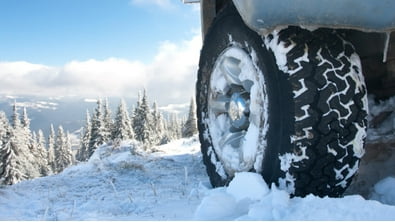
Season: All-season tires are commonly found on cars and SUVs, and they offer good all-weather grip while providing you with long mileage. Winter or snow tires generally come with a snowflake or a mountain symbol on the sidewall, and they offer drivers optimized braking and handling in snowy conditions.
Fuel economy: Most people choose to replace the tires of their vehicle with the same ones that were fitted on it when they bought the car. However, by shopping around and looking into other brands, you can find tires that can assist with the fuel economy of your vehicle. Low-rolling-resistance tires are a good choice to boost fuel economy because they reduce friction on the surface of the road.
Consider the way you drive
When shopping for new tires, it's essential to establish your needs and priorities based on the type of driving you intend to do. Consider whether you prefer a soft or a firm ride, or maybe a combination of the two. Moreover, make sure the tires you buy can support the load you intend to have on the vehicle. For example, don t buy passenger-car tires for a mini-van that you use for carrying work supplies. If you generally drive on various terrain types, you may look into all-terrain tires that work well on the highway while also being able to handle mud, dirt and obstacles. Keep in mind that these tires tend to wear faster than regular ones, though.
Tread wear
Tread wear is an important factor to take into account when shopping for new tires, as their longevity is closely related to it. Some of the main factors that affect the longevity of your tires include road conditions, your driving habits and road elevation.
- The average mileage length is approximately 40,000 to 100,000 miles for all-season tires, but some don t last that long.
- The tread wear indicator lets you know when it s time to change the tires.
- You can expand the lifespan of your tires by performing regular tire rotations and maintaining the correct air pressure.
Tire and wheel accessories
Maintaining your tires correctly is the best way to prolong their life, so you can save money on replacements in the long run. Clean your tires periodically using tire foam and cleaners that'll remove grease and dirt to enhance traction. Equip your vehicle with a lug wrench so you can change a flat, and consider having an air compressor to maintain the correct air pressure. If you want to protect your spares from the elements, look for some tire covers that'll keep them in excellent condition.
Related Links
- Accelera Tires
- Achilles Tires
- Advanta Tires
- Americus Tires
- Amp Tires
- Antares Tires
- Atturo Tires
- Avon Motorcycle Tires
- BF Goodrich Tires
- Blacklion Tires
- Bridgestone Tires
- Carlisle Tires
- Coker Tires
- Continental Tires
- Cooper Tires
- Cosmo Tires
- Crosswind Tires
- Dextero Tires
- Dick Cepek Tires
- Doral Tires
- Douglas Tires
- Dunlop Tires
- Duro Tires
- Sailun Tires
- Sceptor Tires
- Shinko Motorcycle Tires
- Solar Tires
- Starfire Tires
- SunF Tires
- Sumitomo Tires
- Super Swamper Tires
- Supermax Tires
- Sutong Tires
- Thunderer Tires
- Toyo Tires
- Trailer King Tires
- Travelstar Tires
- TreadWright Tires
- Uniroyal Tires
- Venom Tires
- Vercelli Tires
- Vogue Tires
- Wanda Tires
- Waterfall Tires
- Westlake Tires
- Yokohama Tires
- 195/65r15 Tires
- 205/55r16 Tires
- 215/55r17 Tires
- 215/60r16 Tires
- 225/40r18 Tires
- 225/50r17 Tires
- 225/55r17 Tires
- 225/60r16 Tires
- 225/65r17 Tires
- 235/45r18 Tires
- 235/60r18 Tires
- 235/65r17 Tires
- 235/75r15 Tires
- 245/75r16 Tires
- 265/65r18 Tires
- 265/70r16 Tires
- 265/70r17 Tires
- 265/75r16 Tires
- 275/55r20 Tires
- 275/60r20 Tires
- 275/65r18 Tires
- 275/70r18 Tires
- 285/70r17 Tires
- 285/75r16 Tires
- 315/70r17 Tires
- 205/65r15 Tires
- 205/75r15 Tires
- 215/45r17 Tires
- 225/45r17 Tires
- 225/45r18 Tires
- 225/60r17 Tires
- 225/75r15 Tires
- 235/40r19 Tires
- 235/55r17 Tires
- 235/55r18 Tires
- 235/70r16 Tires
- 235/85r16 Tires
- 245/45r18 Tires
- 245/45r20 Tires
- 245/60r18 Tires
- 245/65r17 Tires
- 245/70r17 Tires
- 265/50r20 Tires
- 265/60r18 Tires
- 265/65r17 Tires
- 275/65r20 Tires
- 285/45r22 Tires
- 295/70r18 Tires
- 305/55r20 Tires
- 315/75r16 Tires
- Adam's Tire Shine
- Armor All Tire Shine
- Armor All Extreme Tire Shine
- BlackMagic Tire Wet
- Ceramic Tire Coating
- Chemical Guys Tire Shine
- Cover All Tire Shine
- Jay Leno's Garage Tire Shine
- Meguiar's Tire Shine
- Mothers Tire Shine
- Stoner Tire Shine
- Suds Lab Tire Shine
- Tire Shine Gel
- Tire Shine Spray
- Tire Wax
- Turtle Wax Tire Shine
- Untouchable Wet Tire Finish
- Water Based Tire Shine
- Acid Wheel Cleaners
- Adam's Wheel Cleaners
- Alloy Wheel Cleaners
- Aluminum Polish for Rims
- Aluminum Wheel Cleaners
- Armor All Tire Foam
- Armor All Wheel Cleaners
- Black Wheel Cleaners
- Chemical Guys Wheel Cleaners
- Chrome Rim Polish
- Eagle One Wheel Cleaners
- Foaming Wheel Cleaners
- Iron Remover Wheel Cleaners
- Meguiar's Wheel Cleaners
- Rim Rust Removers
- Sonax Wheel Cleaners
- Suds Lab Wheel Cleaners
- Turtle Wax Wheel Cleaners
- Wheel Cleaner Spray
- Wheel Degreasers
- 12V Tire Inflators
- AstroAI Tire Inflators
- Battery Powered Tire Inflators
- Cordless Tire Inflators
- Dewalt Tire Inflators
- Digital Tire Inflators
- Electric Tire Inflators
- Makita Tire Inflators
- Michelin Tire Inflators
- Milwaukee Tire Inflators
- Portable Tire Inflators
- Rechargeable Tire Inflators
- Ryobi Tire Inflators
- Slime Tire Inflators
- Tire Inflators with Gauge
- Viair Tire Inflators