


Homesickness : Of Trauma and the Longing for Place in a Changing Environment (Hardcover)
Key item features
Introducing a posthumanist concept of nostalgia to analyze steadily widening themes of animality, home, travel, slavery, shopping, and war in U.S. literature after 1945
In the Anthropocene, as climate change renders environments less stable, the human desire for place underscores the weakness of the individual in the face of the world. In this book, Ryan Hediger introduces a distinctive notion of homesickness, one in which the longing for place demonstrates not only human vulnerability but also intersubjectivity beyond the human. Arguing that this feeling is unavoidable and characteristically posthumanist, Hediger studies the complex mix of attitudes toward home, the homely, and the familiar in an age of resurgent cosmopolitanism, especially eco-cosmopolitanism.
Homesickness closely examines U.S. literature mostly after 1945, including prominent writers such as Annie Proulx, Marilynne Robinson, and Ernest Hemingway, in light of the challenges and themes of the Anthropocene. Hediger argues that our desire for home is shorthand for a set of important hopes worth defending—serious and genuine relationships to places and their biotic regimes and landforms; membership in vital cultures, human and nonhuman; resistance to capital-infused forms of globalization that flatten differences and turn life and place into mere resources. Our homesickness, according to Hediger, is inevitable because the self is necessarily constructed with reference to the material past. Therefore, homesickness is not something to dismiss as nostalgic or reactionary but is rather a structure of feeling to come to terms with and even to cultivate.
Recasting an expansive range of fields through the lens of homesickness—from ecocriticism to animal studies and disability studies, (eco)philosophy to posthumanist theory—Homesickness speaks not only to the desire for a physical structure or place but also to a wide range of longings and dislocations, including those related to subjectivity, memory, bodies, literary form, and language.
Specs
- Book formatHardcover
- Fiction/nonfictionNon-Fiction
- GenreNonfiction
- Publication dateJanuary, 2020
- Pages352
- SubgenreGeneral, 20th Century, Human Geography, Social
- Free shipping
 Free 30-day returns
How do you want your item?


More seller options (1)
About this item
Product details
Introducing a posthumanist concept of nostalgia to analyze steadily widening themes of animality, home, travel, slavery, shopping, and war in U.S. literature after 1945
In the Anthropocene, as climate change renders environments less stable, the human desire for place underscores the weakness of the individual in the face of the world. In this book, Ryan Hediger introduces a distinctive notion of homesickness, one in which the longing for place demonstrates not only human vulnerability but also intersubjectivity beyond the human. Arguing that this feeling is unavoidable and characteristically posthumanist, Hediger studies the complex mix of attitudes toward home, the homely, and the familiar in an age of resurgent cosmopolitanism, especially eco-cosmopolitanism.
Homesickness closely examines U.S. literature mostly after 1945, including prominent writers such as Annie Proulx, Marilynne Robinson, and Ernest Hemingway, in light of the challenges and themes of the Anthropocene. Hediger argues that our desire for home is shorthand for a set of important hopes worth defending--serious and genuine relationships to places and their biotic regimes and landforms; membership in vital cultures, human and nonhuman; resistance to capital-infused forms of globalization that flatten differences and turn life and place into mere resources. Our homesickness, according to Hediger, is inevitable because the self is necessarily constructed with reference to the material past. Therefore, homesickness is not something to dismiss as nostalgic or reactionary but is rather a structure of feeling to come to terms with and even to cultivate.
Recasting an expansive range of fields through the lens of homesickness--from ecocriticism to animal studies and disability studies, (eco)philosophy to posthumanist theory--Homesickness speaks not only to the desire for a physical structure or place but also to a wide range of longings and dislocations, including those related to subjectivity, memory, bodies, literary form, and language.
Introducing a posthumanist concept of nostalgia to analyze steadily widening themes of animality, home, travel, slavery, shopping, and war in U.S. literature after 1945
In the Anthropocene, as climate change renders environments less stable, the human desire for place underscores the weakness of the individual in the face of the world. In this book, Ryan Hediger introduces a distinctive notion of homesickness, one in which the longing for place demonstrates not only human vulnerability but also intersubjectivity beyond the human. Arguing that this feeling is unavoidable and characteristically posthumanist, Hediger studies the complex mix of attitudes toward home, the homely, and the familiar in an age of resurgent cosmopolitanism, especially eco-cosmopolitanism.
Homesickness closely examines U.S. literature mostly after 1945, including prominent writers such as Annie Proulx, Marilynne Robinson, and Ernest Hemingway, in light of the challenges and themes of the Anthropocene. Hediger argues that our desire for home is shorthand for a set of important hopes worth defending—serious and genuine relationships to places and their biotic regimes and landforms; membership in vital cultures, human and nonhuman; resistance to capital-infused forms of globalization that flatten differences and turn life and place into mere resources. Our homesickness, according to Hediger, is inevitable because the self is necessarily constructed with reference to the material past. Therefore, homesickness is not something to dismiss as nostalgic or reactionary but is rather a structure of feeling to come to terms with and even to cultivate.
Recasting an expansive range of fields through the lens of homesickness—from ecocriticism to animal studies and disability studies, (eco)philosophy to posthumanist theory—Homesickness speaks not only to the desire for a physical structure or place but also to a wide range of longings and dislocations, including those related to subjectivity, memory, bodies, literary form, and language.
Specifications
Book format
Fiction/nonfiction
Genre
Publication date
Warranty
Warranty information
Similar items you might like
Based on what customers bought
What Is a Thoughtful Life?, (Hardcover) $130.00
 $13000current price $130.00
What Is a Thoughtful Life?, (Hardcover)
Country Retreats, (Hardcover) $100.80
 $10080current price $100.80
Country Retreats, (Hardcover)
Coleridge and the Psychology of Romanticism: Feeling and Thought, (Hardcover) $89.58 Was $105.22
 $8958current price $89.58, Was $105.22$105.22
Coleridge and the Psychology of Romanticism: Feeling and Thought, (Hardcover)
Mindful Living: Quiet and Harmonious Spaces, (Hardcover) $83.37
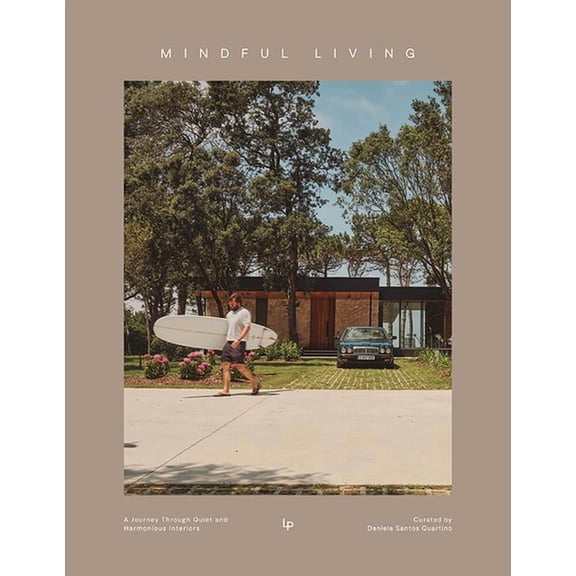 $8337current price $83.37
Mindful Living: Quiet and Harmonious Spaces, (Hardcover)
How to Love Your Family When You Don't Like Them, (Hardcover) $52.99
 $5299current price $52.99
How to Love Your Family When You Don't Like Them, (Hardcover)
The Suburbs: New Literary Perspectives, (Hardcover) $113.16 Was $131.30
 $11316current price $113.16, Was $131.30$131.30
The Suburbs: New Literary Perspectives, (Hardcover)
Modernist Empathy: Geography, Elegy, and the Uncanny, (Hardcover) $125.82
 $12582current price $125.82
Modernist Empathy: Geography, Elegy, and the Uncanny, (Hardcover)
Trauma, Art and Memory in the Postcolony: Turning Sorrow Into Meaning, (Hardcover) $139.99
 $13999current price $139.99
Trauma, Art and Memory in the Postcolony: Turning Sorrow Into Meaning, (Hardcover)
The Traumatic Imagination (Hardcover) $103.25
 $10325current price $103.25
The Traumatic Imagination (Hardcover)
Haunted Narratives: Life Writing in an Age of Trauma, (Hardcover) $88.04
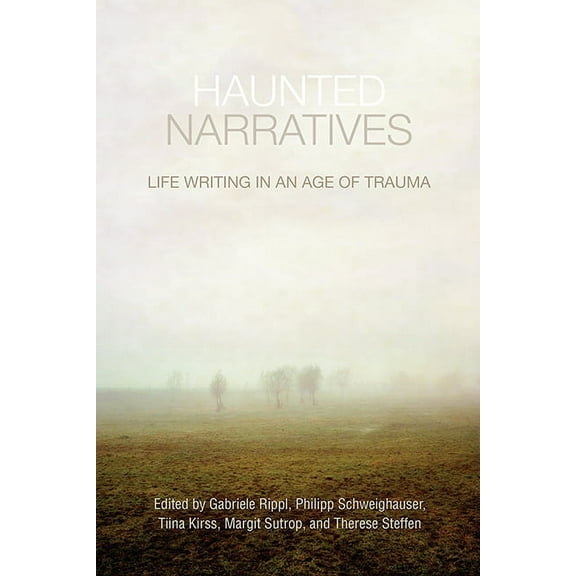 $8804current price $88.04
Haunted Narratives: Life Writing in an Age of Trauma, (Hardcover)
A Cozy Christmas Blizzard: A Novel (Paperback) $10.60
 $1060current price $10.60
A Cozy Christmas Blizzard: A Novel (Paperback)
35 out of 5 Stars. 3 reviewsKnowing as Moving: Perception, Memory, and Place, (Hardcover) $103.95
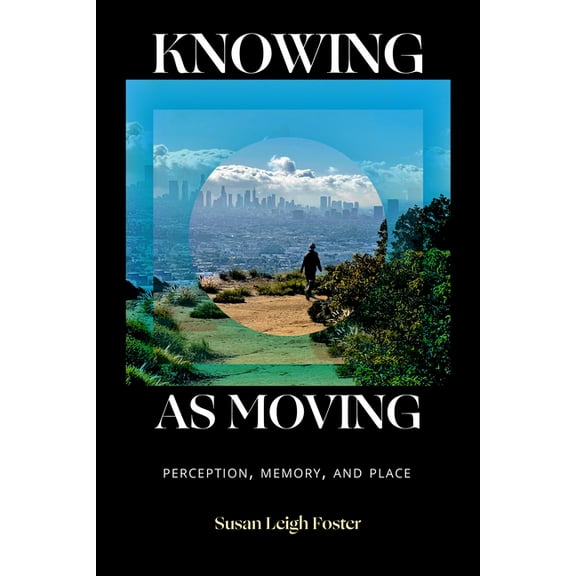 $10395current price $103.95
Knowing as Moving: Perception, Memory, and Place, (Hardcover)
Cottagecore: New Countryside Living, (Hardcover) $44.99
 $4499current price $44.99
Cottagecore: New Countryside Living, (Hardcover)
Vrin : Home Through An Emigrant's Lens (Hardcover) $75.93
 $7593current price $75.93
Vrin : Home Through An Emigrant's Lens (Hardcover)
The Library of Lost Dollhouses, (Hardcover) $9.99
 $999current price $9.99
The Library of Lost Dollhouses, (Hardcover)
The Existential Drinker, (Hardcover) $74.17 Was $84.31
 $7417current price $74.17, Was $84.31$84.31
The Existential Drinker, (Hardcover)
Gone Dark, (Hardcover) $12.56 Was $37.89
 $1256current price $12.56, Was $37.89$37.89
Gone Dark, (Hardcover)
15 out of 5 Stars. 1 reviewsHanya Yanagihara A Little Life (Hardcover) $48.89
 $4889current price $48.89
Hanya Yanagihara A Little Life (Hardcover)
Affective Ecocriticism: Emotion, Embodiment, Environment, (Hardcover) $60.85
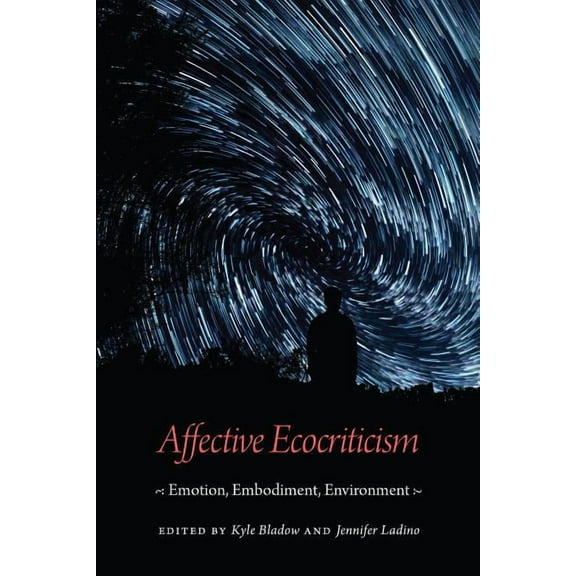 $6085current price $60.85
Affective Ecocriticism: Emotion, Embodiment, Environment, (Hardcover)
The Philadelphia Country House, (Hardcover) $76.68
 $7668current price $76.68
The Philadelphia Country House, (Hardcover)
