

Small Desks






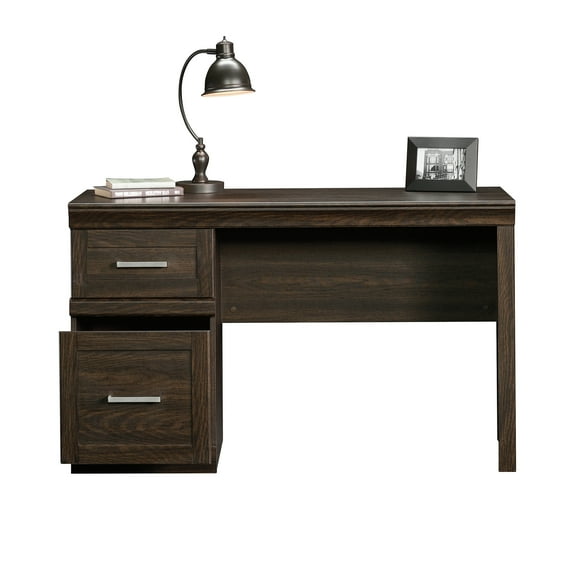


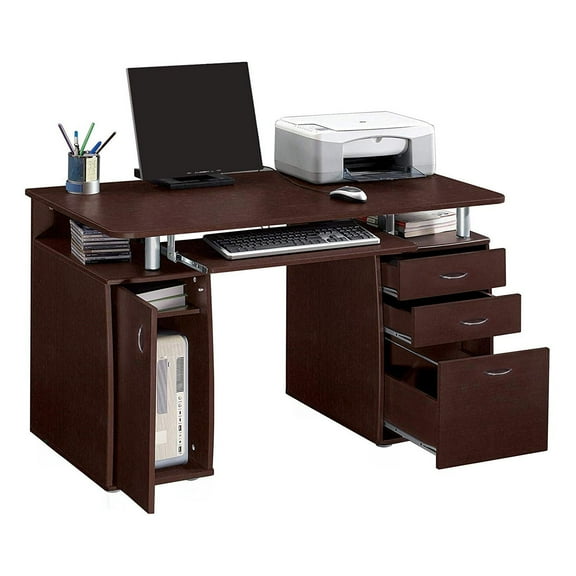

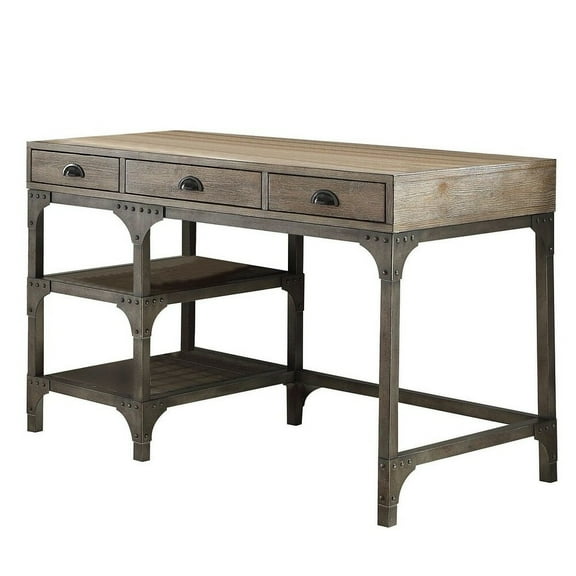
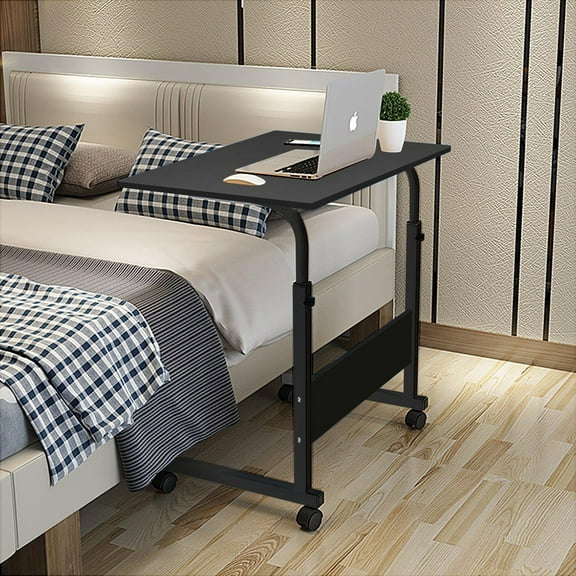




























About Small Desks - Walmart.com
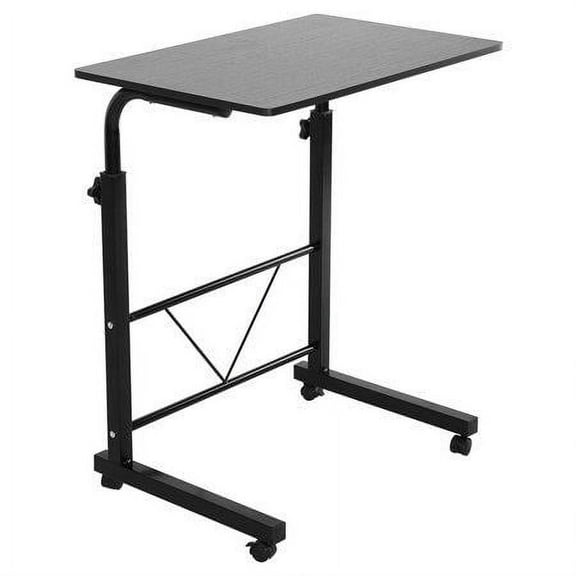
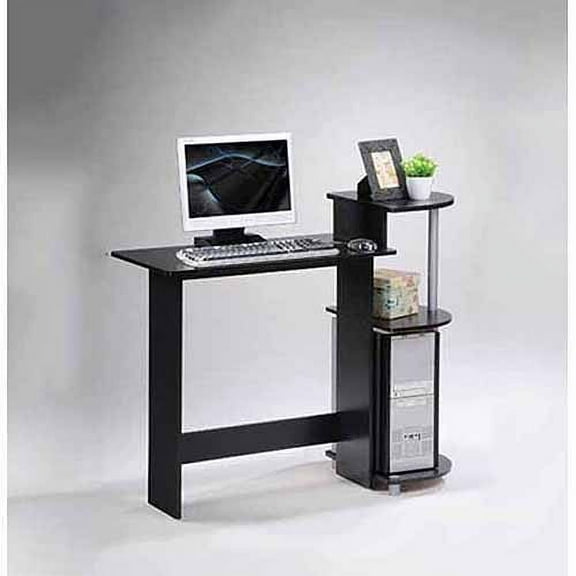
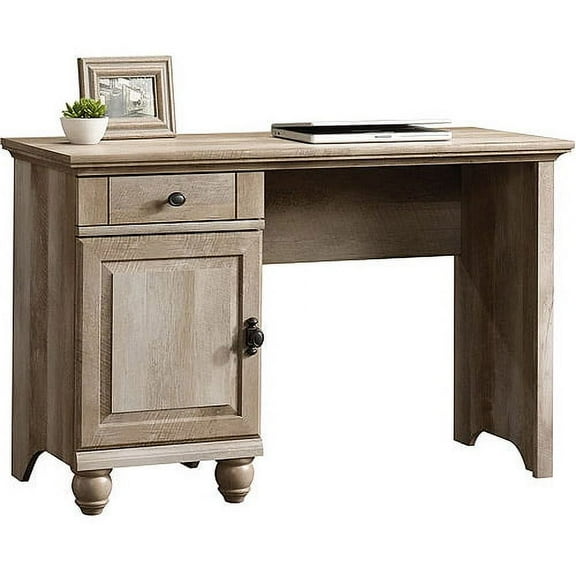
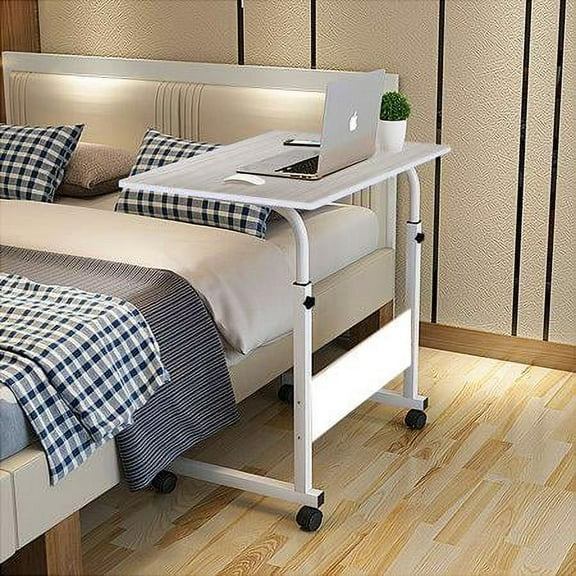
Small desks help you create a productive workstation when your room needs a tighter footprint. You can fit work, study, or planning into bedrooms, apartments, dorms, and shared spaces.
You may need a desk that supports daily tasks without taking over your floor plan. You can compare desk type, dimensions, storage, and style to match your room's dimensions.
Choosing the right small desks for your layout
Before you choose, you should measure wall width, desk depth, and chair clearance height. You can avoid crowded walkways when you check those dimensions before ordering.
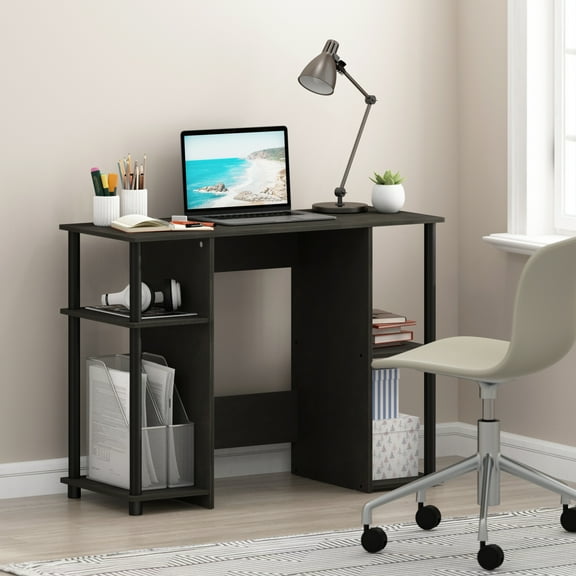
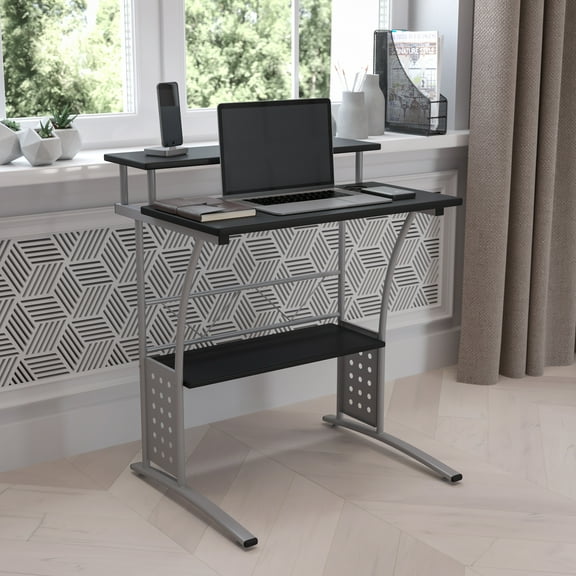
A small computer desk often gives you space for a monitor, keyboard, and daily essentials. A space saving desk can help you keep more open floor area for beds, sofas, or storage bins.
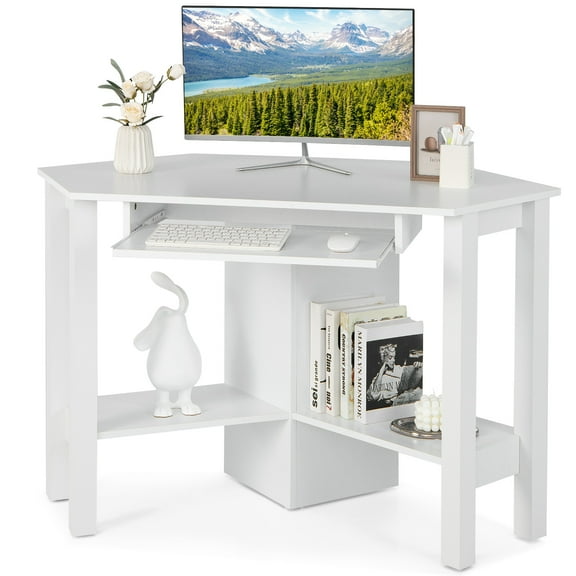
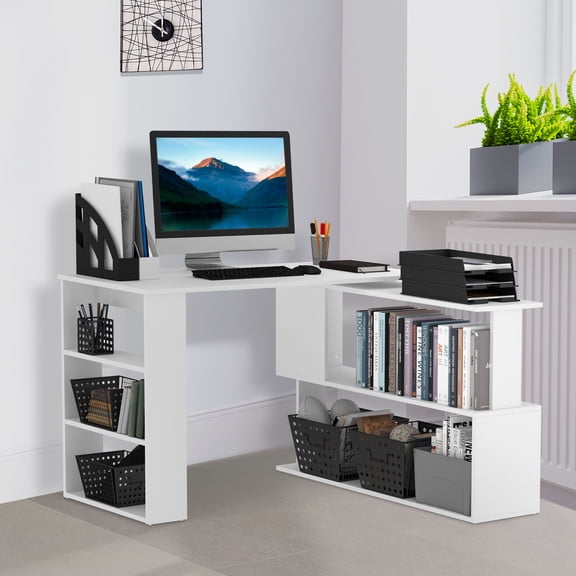
You may also compare where your desk will sit during the day. If your room has an unused corner, you might prefer a corner desk for small spaces.
- You can turn a narrow wall into a useful work zone.
- You can keep school or office supplies close without using the whole room.
- You can choose layouts that leave more open space around your chair.
- You can match your desk to work, homework, gaming, or casual writing.
How to compare small computer desk types and materials
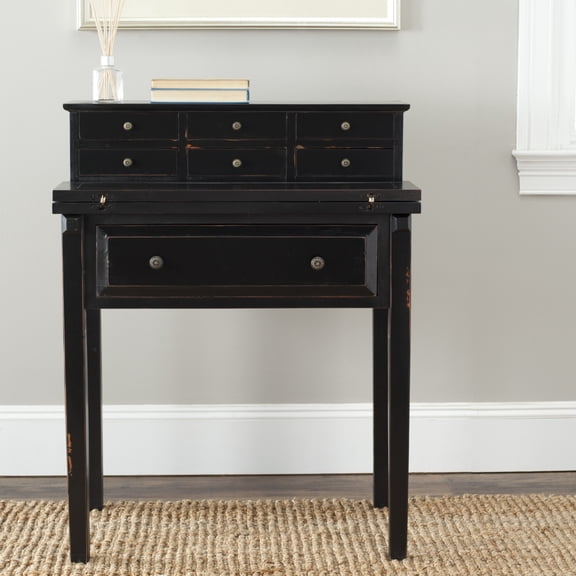
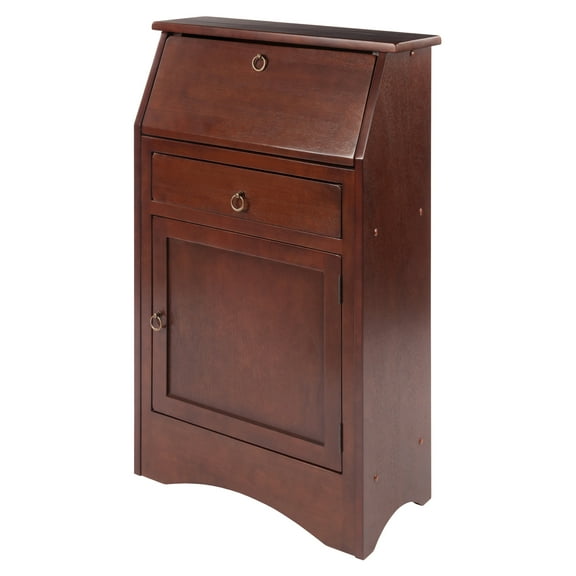
You should start with desk type because shape affects how your surface works. A writing desk gives you an open top surface, while a computer desk often supports more equipment.
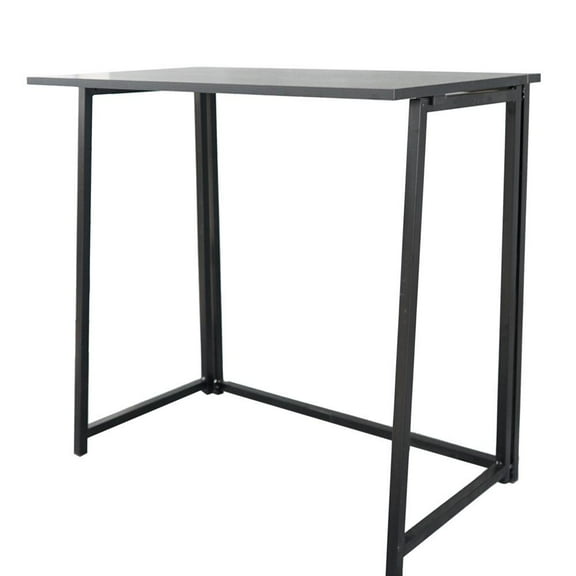
If you want an airy look, you may consider a floating desk or a minimalist compact desk. If you need corner square footage, you may prefer a corner desk instead.
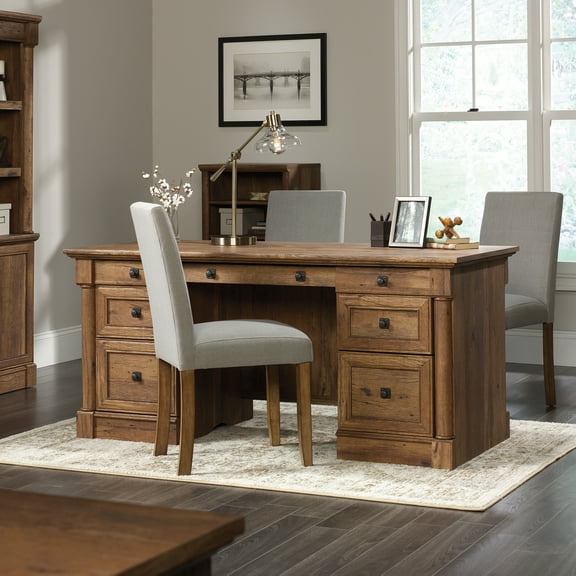
You can also compare materials based on your room and routine. Wood and engineered wood can give your space a furniture look, while metal frames can feel streamlined.
Glass designs can help your setup look open in smaller rooms with limited visual space. You should check care preferences too, since each finish handles daily dust differently.
Choosing storage, dimensions, and key features
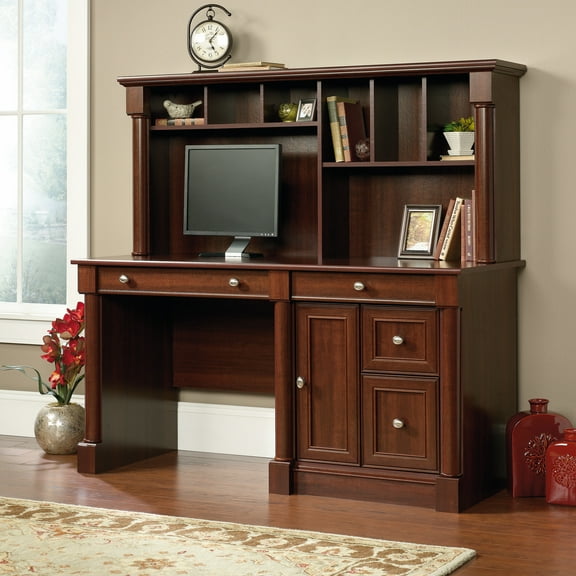
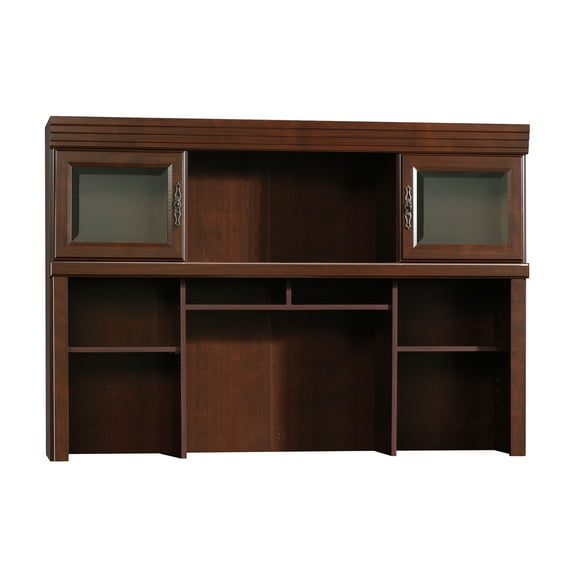
You should think about how much stays on your desk every day. If your tabletop fills quickly, you may want drawers, shelves, or a hutch.
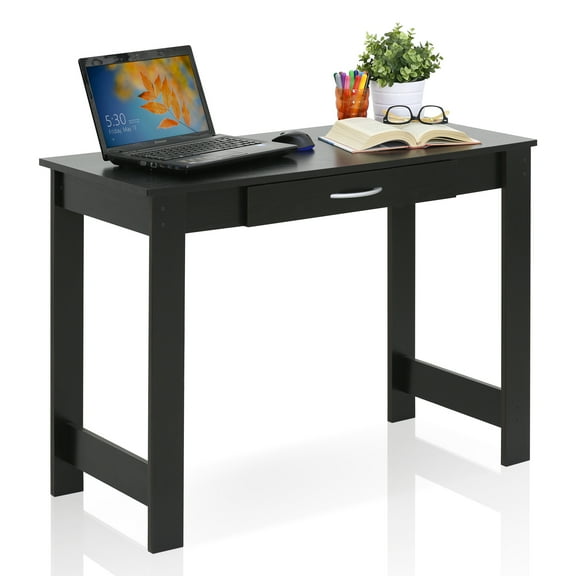
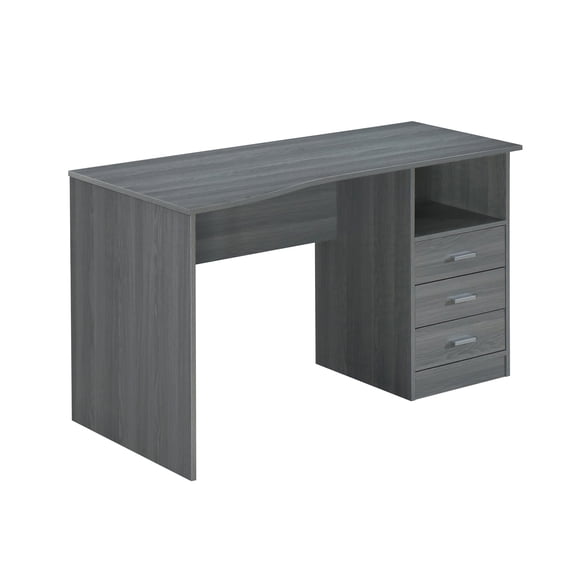
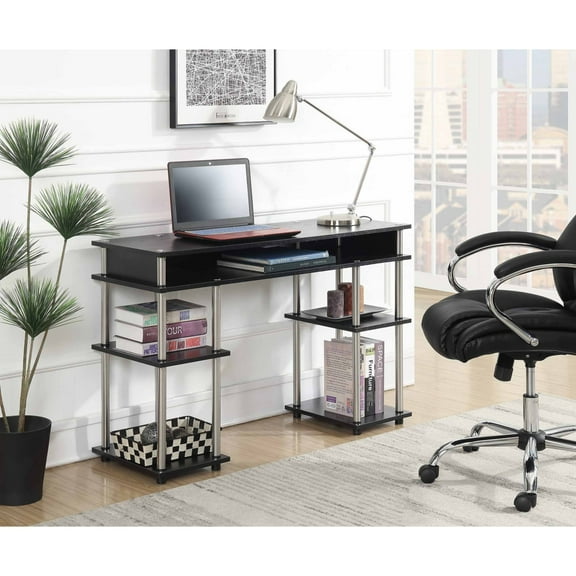
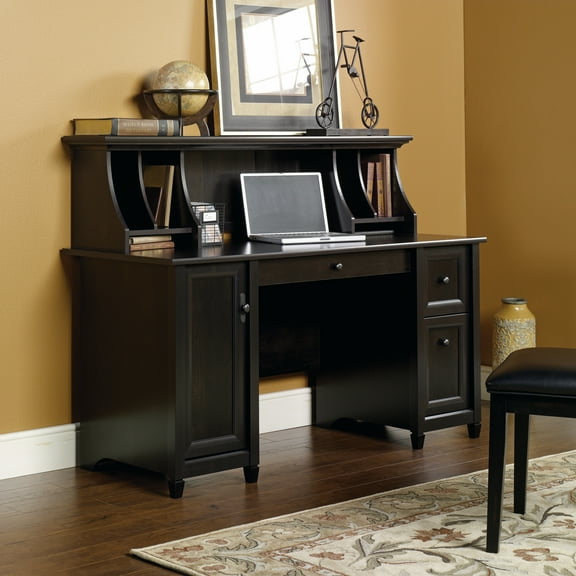
A small desk with drawers can help you store chargers, notebooks, pens, and mail out of sight. A shelf or hutch can keep books and displays above your main work area.
If you use a desktop setup, you should check whether a keyboard tray suits your typing habits. If you prefer a laptop, you may choose a simpler small writing desk.
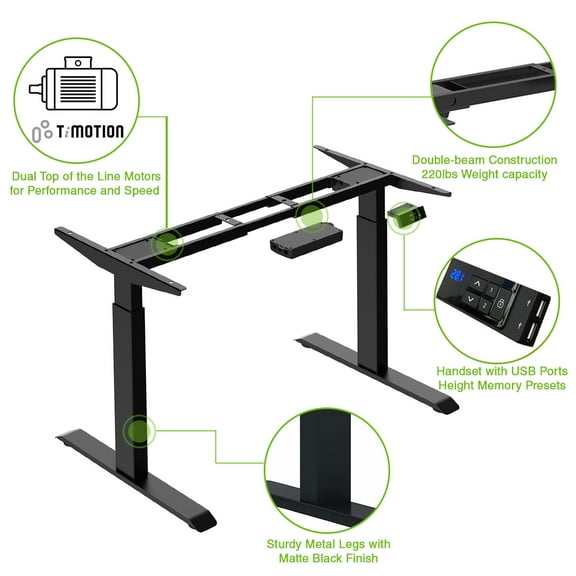
You should also review the max weight limit in pounds before setting up monitors or printers. That spec helps you compare whether your desk fits your screen size and equipment load.
Assembly details matter when you need a desk ready for a bedroom or dorm. You should look for tool requirements, step counts, and hardware notes before you decide.
If you want quick setup, you may prefer simpler frames with fewer storage pieces. If you need organization first, you might accept a detailed assembly process.
Matching style and use cases to your room
You can keep your room cohesive when you compare finish and frame style carefully. Modern small desk options often use clean lines, while rustic looks add a lived-in feel.
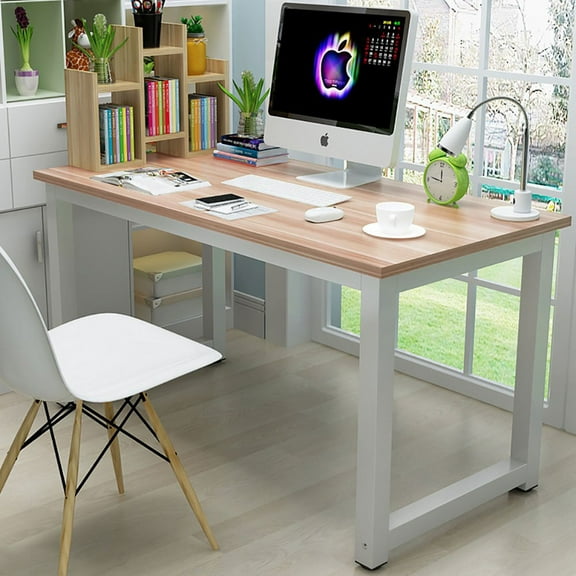
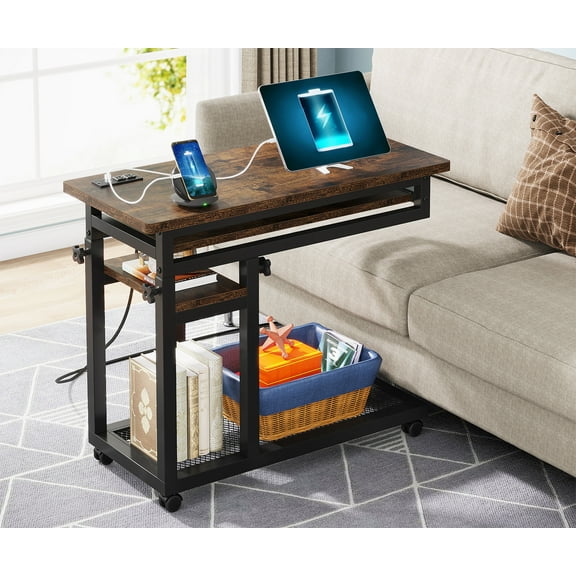
Industrial styles usually mix wood tones with metal frames for a workshop look. Minimalist designs can work well when you want your desk to blend into the background.
You should measure width and depth against your available floor plan, not just your wall. You also need enough room to pull out your chair and move comfortably.
Clearance height matters if you plan to tuck bins, stools, or file storage underneath. You can avoid awkward fits when you compare legroom and under-desk space early.
You may want a small computer desk if you use a monitor for work, school, or creative tasks. That layout can support a screen, accessories, and routine organization in one place.
A compact desk works well in apartments where your office shares space with a bedroom or living room. You can create a focused station without overwhelming your room.
If you're furnishing a dorm, you may prefer a small dorm desk with shelves or drawers. You can keep class supplies nearby and still leave room for other furniture.
You might choose a floating desk when floor space is limited and traffic flow matters. You may choose a corner desk when you want to use overlooked square footage efficiently.
You can also pair your setup with office chairs, desk lamps, and bookcases for a more complete workspace. Those additions can help your small footprint stay organized and functional.
With small desks, you can build a practical workstation that fits your layout, equipment, and style. When you measure carefully and compare features, you get a desk that works smoothly every day.