
Sort by|

Stereo Receivers and Amplifiers in Home Audio & Theater

Uses item details. Price when purchased online

AC Infinity AIRCOM S8, Quiet Cooling Blower Fan System 17" for Receivers, Amps, DVR, AV Cabinet Components $99.00

AC Infinity AIRCOM S8, Quiet Cooling Blower Fan System 17" for Receivers, Amps, DVR, AV Cabinet Components
current price $99.00

AC Infinity AIRCOM S8, Quiet Cooling Blower Fan System 17" for Receivers, Amps, DVR, AV Cabinet Components

Free shipping, arrives in 3+ days

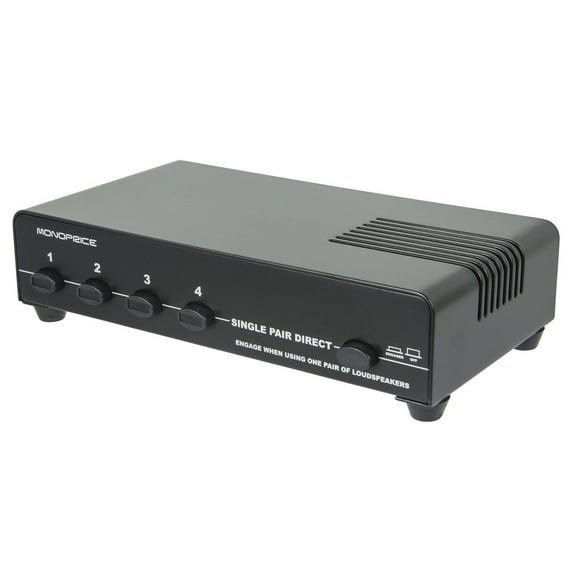
Monoprice 4-Channel Speaker Selector - Black Up to 140W Per Ch. Distribute Speakers, Perfect for Home Theater Audio $58.16

Monoprice 4-Channel Speaker Selector - Black Up to 140W Per Ch. Distribute Speakers, Perfect for Home Theater Audio
current price $58.16

Monoprice 4-Channel Speaker Selector - Black Up to 140W Per Ch. Distribute Speakers, Perfect for Home Theater Audio

4.6 out of 5 Stars. 34 reviews
Free shipping, arrives in 3+ days

About Stereo Receivers and Amplifiers in Home Audio & Theater - Walmart.com

What features should I consider when choosing a stereo receiver?

Look at the channels, power and connectivity. Think of stereo channels as the number of speakers you plan to operate. A four-channel system drives four speakers. A higher stereo power (listed as watts) delivers more volume. Connectivity is the ability to connect with other devices.

What does 5.1 audio mean?

The number 5.1 refers to the speaker configuration that includes four stereo speakers and one center speaker for a total of five. The .1 refers to the subwoofer. Generally, home theater systems use 5.1 audio.

How do I choose the right stereo receiver and amplifier?

Narrow your choices based on your budget. Then choose a receiver that delivers sound to the number of speakers you plan to use. A 5.1 audio receiver can give full surround sound to your home theater. A two-channel receiver can drive stereo speakers to add volume and clarity.

FAQ

How do I decide which stereo receiver fits my home setup?

Choosing the right stereo receiver depends on several factors related to your home audio needs:

  • Power Output: Consider the wattage per channel to ensure it can drive your speakers effectively without distortion.
  • Number of Channels: Match the receiver channels to your speaker setup, whether it's stereo (2 channels) or surround sound.
  • Connectivity Options: Look for Bluetooth, USB, FM radio, and other inputs that fit your devices.
  • Room Size and Acoustics: Larger rooms may need more powerful receivers to fill the space with sound.
  • Additional Features: Features like digital displays, microphone inputs, or multi-speaker selectors can enhance usability.

Taking these into account can help you find a receiver that complements your audio preferences and room environment.

What benefits come from adding an external amplifier to my stereo receiver?

Adding an external amplifier to your stereo receiver can offer several advantages:

  • Improved Sound Quality: External amps often provide cleaner, more powerful amplification, enhancing clarity and dynamics.
  • Higher Power Output: They can deliver more wattage to your speakers, which is useful for larger rooms or demanding speaker setups.
  • Flexibility: You can upgrade or customize your audio system by choosing amps that suit specific needs or preferences.
  • Reduced Strain: Offloading amplification duties from the receiver can reduce distortion and wear on the receiver itself.

However, compatibility and proper setup are important to get the best results from adding an amp.

How does a stereo receiver influence the overall sound quality of my system?

A stereo receiver plays a key role in shaping your audio experience by:

  • Signal Processing: It manages audio signals from various sources, affecting clarity and tonal balance.
  • Amplification Quality: The built-in amplifier's performance impacts volume levels and sound fidelity.
  • Connectivity and Compatibility: Good receivers support multiple inputs and formats, ensuring seamless integration with your devices.
  • Additional Features: Some receivers include tone controls, equalizers, or digital enhancements that can tailor sound output.

Choosing a receiver with quality components and features suited to your setup can enhance your listening experience.

What should I know about the power ratings when buying a stereo amplifier?

Understanding power ratings is important when selecting a stereo amplifier:

  • Wattage per Channel: This indicates how much power the amp can deliver to each speaker, affecting loudness and clarity.
  • Speaker Compatibility: Ensure the amplifier's power matches your speakers‚' recommended power range to avoid damage or poor performance.
  • Impedance Ratings: Check that the amplifier supports the impedance (ohms) of your speakers for optimal operation.
  • Continuous vs. Peak Power: Continuous (RMS) power is a more reliable measure than peak power for real-world use.

Balancing these factors helps you pick an amplifier that powers your system efficiently and safely.

Can I use a stereo receiver to connect multiple speakers in different rooms?

Yes, many stereo receivers support connecting multiple speakers across rooms, but there are some points to consider:

  • Speaker Selector Compatibility: Using a speaker selector switch can help manage multiple speaker sets without damaging the receiver.
  • Power Distribution: Ensure the receiver can handle the combined load of all connected speakers to prevent overheating or distortion.
  • Zone Control Features: Some receivers offer multi-zone capabilities, allowing you to control audio independently in different rooms.
  • Wiring Setup: Proper wiring and speaker placement are important for balanced sound throughout your space.

With the right equipment and setup, a stereo receiver can effectively distribute audio to multiple areas in your home.

Show less